
San Diego Wave vs Orlando Pride: Tactical Showdown at Snapdragon Stadium
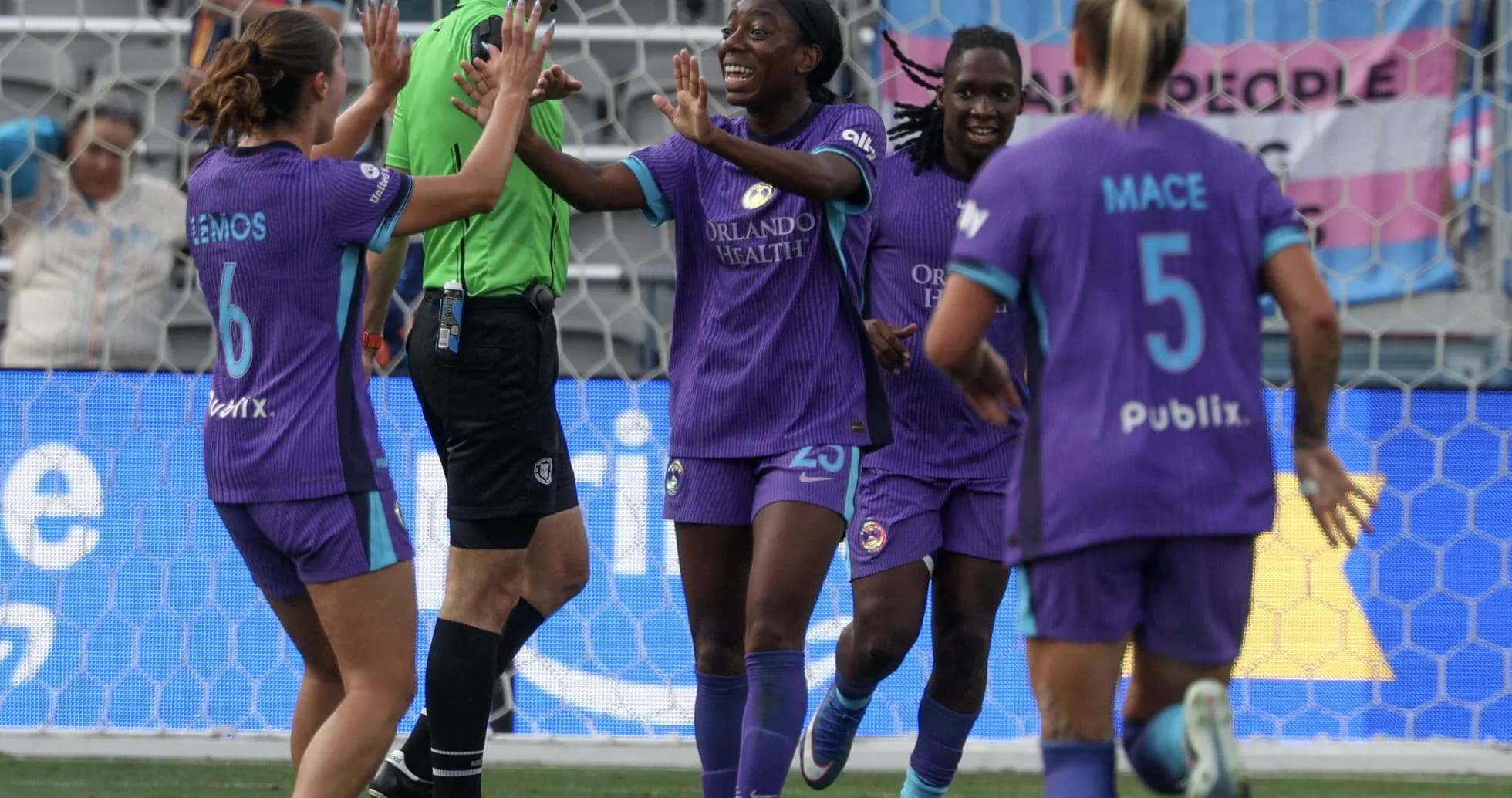
Under the San Diego lights at Snapdragon Stadium, a tight, tactical NWSL Group Stage contest finished with the finest of margins: San Diego Wave W 0–1 Orlando Pride W. Following this result, the league table sharpens into focus. San Diego, who came into the night ranked 3rd with 22 points from 12 matches, were looking to cement their promotion push. Orlando, starting the evening in 8th on 14 points from 11 games, arrived with more questions than answers but left with a statement away win.
I. The Big Picture – Clashing Identities in a Shared Shape
Both sides lined up in a 4-2-3-1, but the systems carried very different identities.
San Diego’s season-long profile is that of an assertive, front-foot side. Overall, they had scored 17 goals and conceded 13 across 12 matches, giving them a goal difference of +4. At home, they had been solid if uneven: 3 wins and 3 losses from 6, with 7 goals for and 5 against. Their attacking rhythm is defined by surges after the break; heading into this game their goals arrived in waves late on, with a clear late-game surge in the 76–90 minute window, where 31.25% of their goals were scored.
Orlando, by contrast, travelled west as a more pragmatic outfit. On their travels they had played 6, winning 2, drawing 1 and losing 3, scoring 8 and conceding 8. Overall, their 15 goals for and 16 against (goal difference -1) painted the picture of a side that lives on the edge of fine margins. Yet they carried two powerful calling cards into Snapdragon: 4 clean sheets overall, including 3 away, and the league’s most devastating individual weapon in B. Banda.
The first half reflected those identities in tension. Orlando were content to compress space, trust their defensive line, and look for quick transitions into Banda. San Diego tried to build through their double pivot and attacking midfield trio, but the visitors’ compactness forced them wide and often into predictable crossing lanes.
II. Tactical Voids – Absences, Discipline, and the Edges of Control
There were no explicit pre-match injury lists, so the tactical voids were less about who was missing and more about how the chosen pieces altered the usual patterns.
For San Diego, the back four of A. D. Van Zanten, K. Wesley, K. McNabb, and K. Pickett in front of D. Haracic is a stable defensive shell, but it also asks a lot of the midfield to connect lines. The Wave’s season numbers show only 2 clean sheets overall and 4 matches in which they failed to score; this is a side that tends to open up games rather than lock them down. The selection of a creative-heavy band of K. Dali, G. Corley, L. E. Godfrey, and Dudinha behind Ludmila reinforced that attacking bias but left them vulnerable to turnovers, especially against a transition threat like Banda.
Disciplinary trends added another layer. San Diego’s yellow cards are spread almost evenly from 31–90 minutes, with 18.18% of their cautions in each of the 31–45, 46–60, 61–75, and 76–90 ranges. That profile suggests a team that keeps pushing and occasionally oversteps as the game wears on. Orlando’s cards spike later: 28.57% of their yellows arrive between 61–75 minutes, and 21.43% between 76–90, with a notable red card spike in the 61–75 window. This is a side that can become frayed when defending a lead or under sustained pressure.
Yet on this night, Orlando’s discipline held just enough. The Pride’s ability to protect the box, anchored by Rafaelle Souza and C. Dyke in front of A. Moorhouse, meant San Diego’s usual late surge never materialised into a breakthrough.
III. Key Matchups – Hunter vs Shield, Engine Room vs Enforcer
The headline duel was always going to be B. Banda versus the Wave back line. Banda arrived as the league’s standout hunter: 8 goals from 11 appearances, 41 shots with 23 on target, and an aggressive duel profile (102 duels contested, 44 won). Her presence alone bends defensive shapes.
San Diego’s defensive record heading into this game – 13 goals conceded overall at an average of 1.1 per match, with only 0.8 conceded at home – suggested a unit capable of containing even elite forwards if they controlled the spaces around them. But Orlando’s 4-2-3-1 was built to isolate and feed Banda quickly, with J. Doyle, N. Payne, and Luana Bertolucci rotating behind her and O. Hernandez providing width and overlaps from full-back.
Banda’s eventual winner was the crystallisation of that tension: a single lapse, a channel run, and the kind of ruthless finish that defines seasons. For San Diego, the frustration will be that structurally they did not collapse; they simply lost the duel with the league’s most clinical forward.
In midfield, the “Engine Room” battle pitted San Diego’s creators against Orlando’s enforcers. Dudinha, top of the league’s assist charts with 4 goals and 4 assists, is the Wave’s multi-tool: 42 dribble attempts with 26 successful, 15 key passes, and 104 duels contested with 54 won. Alongside her, L. E. Godfrey offers end product and control: 4 goals, 2 assists, 17 key passes, and an 80% pass accuracy.
Opposite them, A. Lemos and Luana Bertolucci formed Orlando’s central hinge. Lemos, who has already taken 2 yellow cards and missed a penalty this season, plays on the edge but underpins the Pride’s pressing and second-ball work with 19 tackles and 12 interceptions. Her remit was clear: disrupt Dudinha’s rhythm, deny Godfrey the half-spaces, and funnel San Diego wide.
Over 90 minutes, Orlando’s engine room did just enough. Dudinha found pockets but rarely the decisive final action; Godfrey’s timing between the lines was often met by a body or a foul before she could turn.
IV. Statistical Prognosis – What This Result Tells Us
From a season-long statistical lens, this 0–1 feels like an outlier in scoreline but not in pattern. San Diego’s overall goalsFor average of 1.4 and goalsAgainst average of 1.1 suggest most of their games sit on a knife-edge, with late swings. Their late scoring peak (31.25% of goals in 76–90) met Orlando’s tendency to pick up cards and even a red in that same late phase, hinting pre-match at a chaotic finish.
Instead, Orlando leaned into their away identity: 3 clean sheets on their travels overall and only 1 away match in which they failed to score heading into this game. They managed the tempo, protected their box, and trusted Banda to tilt the xG battle with fewer but higher-quality chances.
If we project forward, the underlying numbers still favour San Diego to remain a top-three side. Their positive goal difference, strong away form (4 wins and only 1 away loss), and late-game scoring pattern suggest that most nights, their attacking talent will be rewarded. But this defeat underlines a tactical truth: against elite finishers like Banda, a team that concedes early (28.57% of their goals against between 31–45 and another 28.57% between 61–75) cannot afford even brief lapses.
For Orlando, this is the blueprint. Compact 4-2-3-1, disciplined central screen, and a game plan built around Banda’s gravity. Their overall goalsFor and goalsAgainst averages (both 1.4 for and 1.5 against heading into the match) speak to volatility, but when their defensive structure matches their striker’s efficiency, they look every inch a playoff-calibre side.
Following this result, the story of the night is clear: San Diego’s collective against Orlando’s singular star. Over the long arc of the season, the numbers still back the Wave’s structure. On this particular evening, though, the league’s most dangerous hunter decided the narrative.
Related News
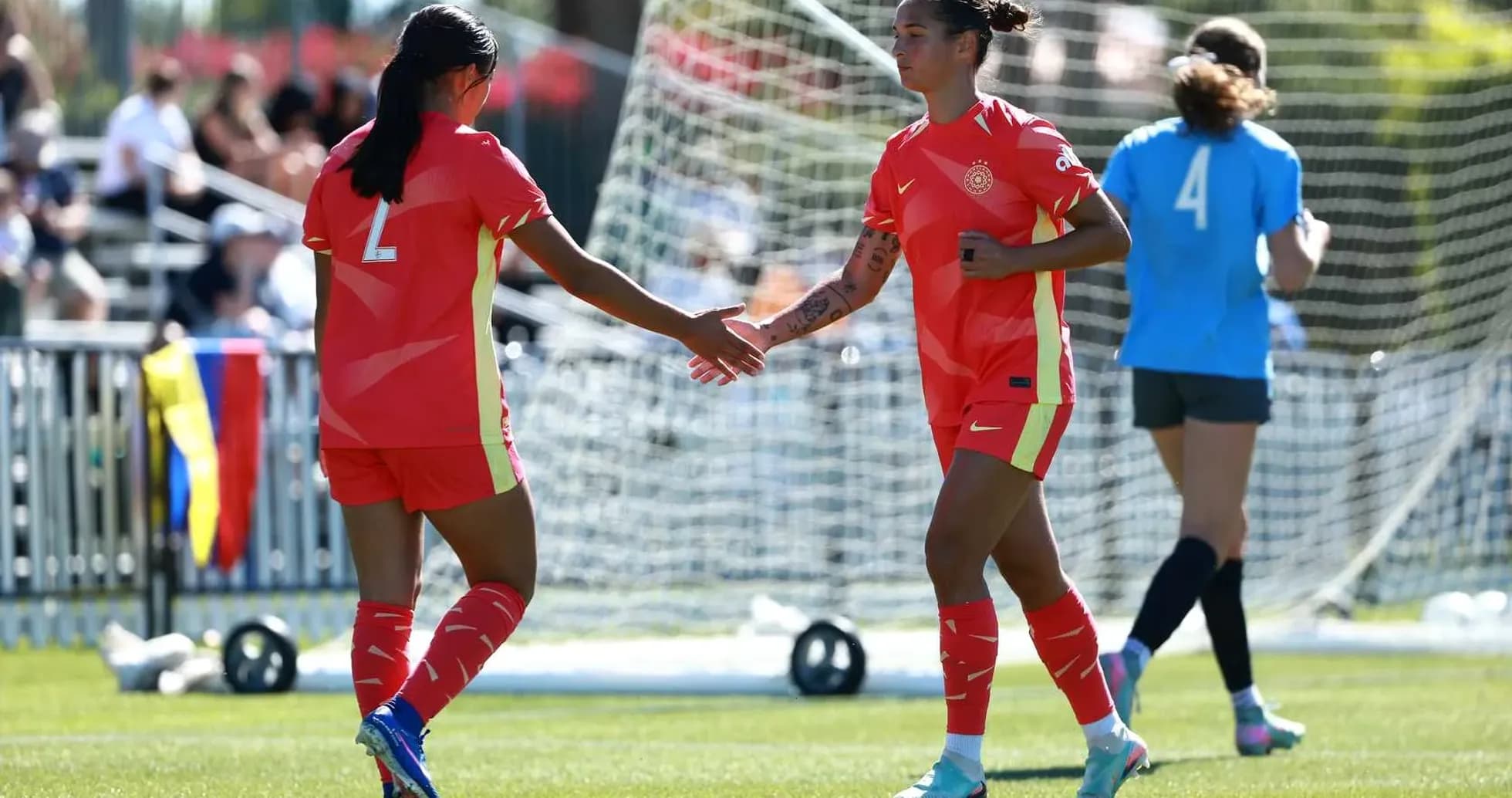
Portland Thorns W vs Houston Dash W: NWSL Women Clash
Kansas City W vs Denver Summit W: NWSL Women Showdown
Portland Thorns W vs Houston Dash W Prediction: Key Stats and Tips
Washington Spirit W vs Angel City W Prediction: Key Stats and Betting Tips
Racing Louisville W vs San Diego Wave W Predicted Lineups and Team News
Kansas City W vs Denver Summit W Prediction: Key Stats and Betting Tips