
Scotland Appoints Sébastien Pocognoli as New Coach
The Clarke era is over. The inquest into another group-stage exit at a major tournament is still raw, but Scotland appear to have settled on the man they want to lead the reset.
According to Sky Sports, former Premier League defender Sébastien Pocognoli has emerged as the clear frontrunner for the vacant national team job, with the Scottish FA identifying the 39-year-old Belgian as their primary choice to jolt the squad into a new cycle.
This is not a cautious, continuity move. It is a sharp change of direction from Hampden.
A bold shift at Hampden
The SFA are pivoting towards a younger coach with a distinctly modern tactical profile. Pocognoli is currently unattached, a free agent whose availability removes one of the usual barriers to an ambitious appointment and allows the governing body to move quickly.
He may be young in coaching terms, but his CV already carries the kind of line that makes federations sit up. In Belgium, he engineered one of the great recent domestic stories, guiding Union Saint-Gilloise to their first league title in 90 years last season. That triumph, ending nearly a century of waiting, pushed his reputation onto a different level across Europe and underlined his ability to build structure, squeeze consistency from a squad, and handle the pressure of a title race.
That success opened the door to France.
From Brussels to the Riviera
Monaco came calling last October, handing Pocognoli the reins of one of Ligue 1’s most prestigious clubs. His time in the principality ended this summer after a seventh-place finish, a campaign that fell short of Monaco’s loftier ambitions but still added another layer to his experience.
For the SFA, that stint is a positive, not a blemish. Steering a club of Monaco’s stature, with its expectations and its mix of established names and emerging talent, is seen in Glasgow as valuable preparation for the demands of international management. It exposed him to elite European competition, high-profile dressing rooms and the scrutiny that comes with them.
The belief inside Hampden is that this background will translate. They see a coach comfortable with big personalities, modern data-driven methods and the tactical flexibility needed in the stop-start rhythm of international football.
A familiar face to British fans
To British supporters, Pocognoli is not an unknown continental theorist parachuted in from afar. He is a name they remember from the rough and tumble of English football.
The former left-back turned out for West Bromwich Albion, experiencing first-hand the physical intensity and mental demands of the Premier League. Before that chapter closed, he also spent a season on loan at Brighton & Hove Albion a decade ago, dipping into the Championship and deepening his understanding of the British game’s tempo and culture.
That mix matters. The SFA are banking on a coach who understands British football’s rhythms and expectations but has spent his recent years immersed in the tactical evolution of the European game. In their eyes, Pocognoli bridges the gap between local familiarity and continental sophistication.
A historic appointment in the making
As a player, Pocognoli racked up more than 300 domestic appearances and collected 13 caps for Belgium. Those numbers speak to a solid, if unspectacular, playing career. His potential appointment to the Scotland job, though, would carry a more historic weight.
At 39, he is set to become Scotland’s first foreign head coach since Berti Vogts, who held the post between 2002 and 2004. That comparison will follow him from day one. So will the expectation that this experiment must work better than the last.
The mandate from the Scottish FA is already clear. This is not about gentle evolution. It is about a fresh start.
Pocognoli will be charged with restoring competitive edge and momentum, dragging Scotland back into the habit of qualifying for major tournaments and staying there. The roadmap is simple on paper, brutal in practice: secure a place at Euro 2028, then carry that progress into the 2030 World Cup campaign.
If, as expected, the deal is pushed over the line, a 39-year-old Belgian will soon be standing in the technical area with a thistle on his chest and a nation asking the same question: can he turn painful exits into a new era of belonging on the biggest stages?
Related News
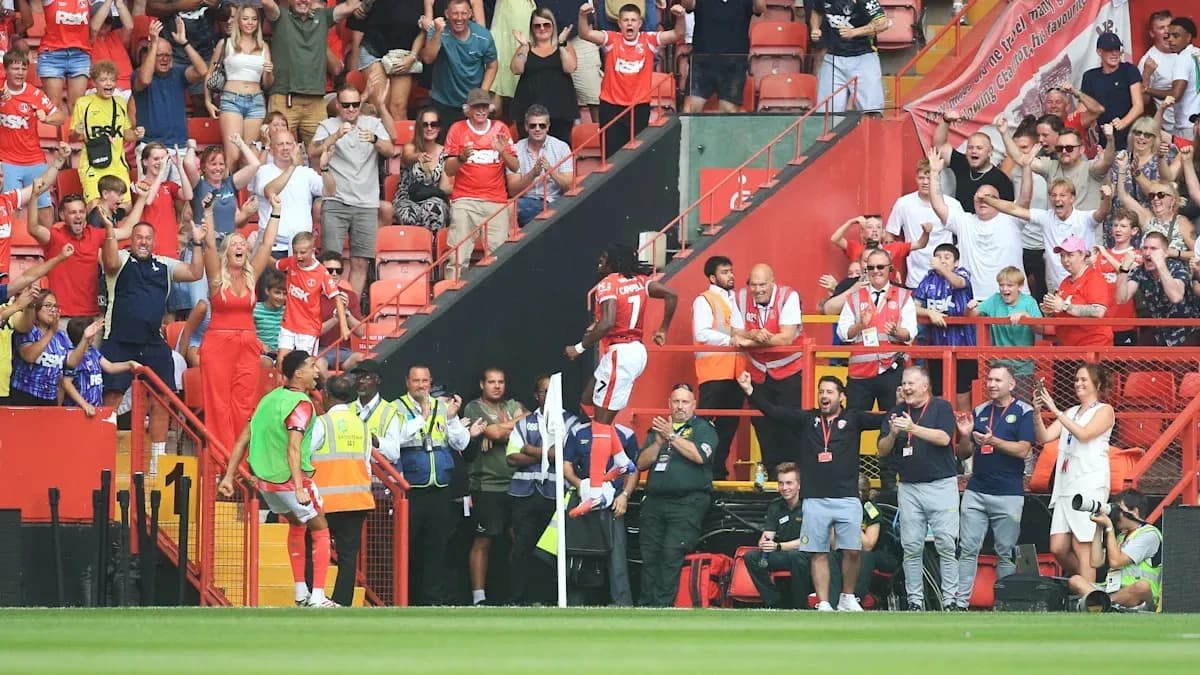
Tyreece Campbell Shines as Charlton Athletic Beats Derby County 2-1
Barcelona's Pursuit of Rodri: Manchester City Prepares for Enzo
Liverpool's Clever Loan Move for Ronald Araujo

Ipswich Ends Pre-Season with Impressive 4-2 Win Against Union Berlin
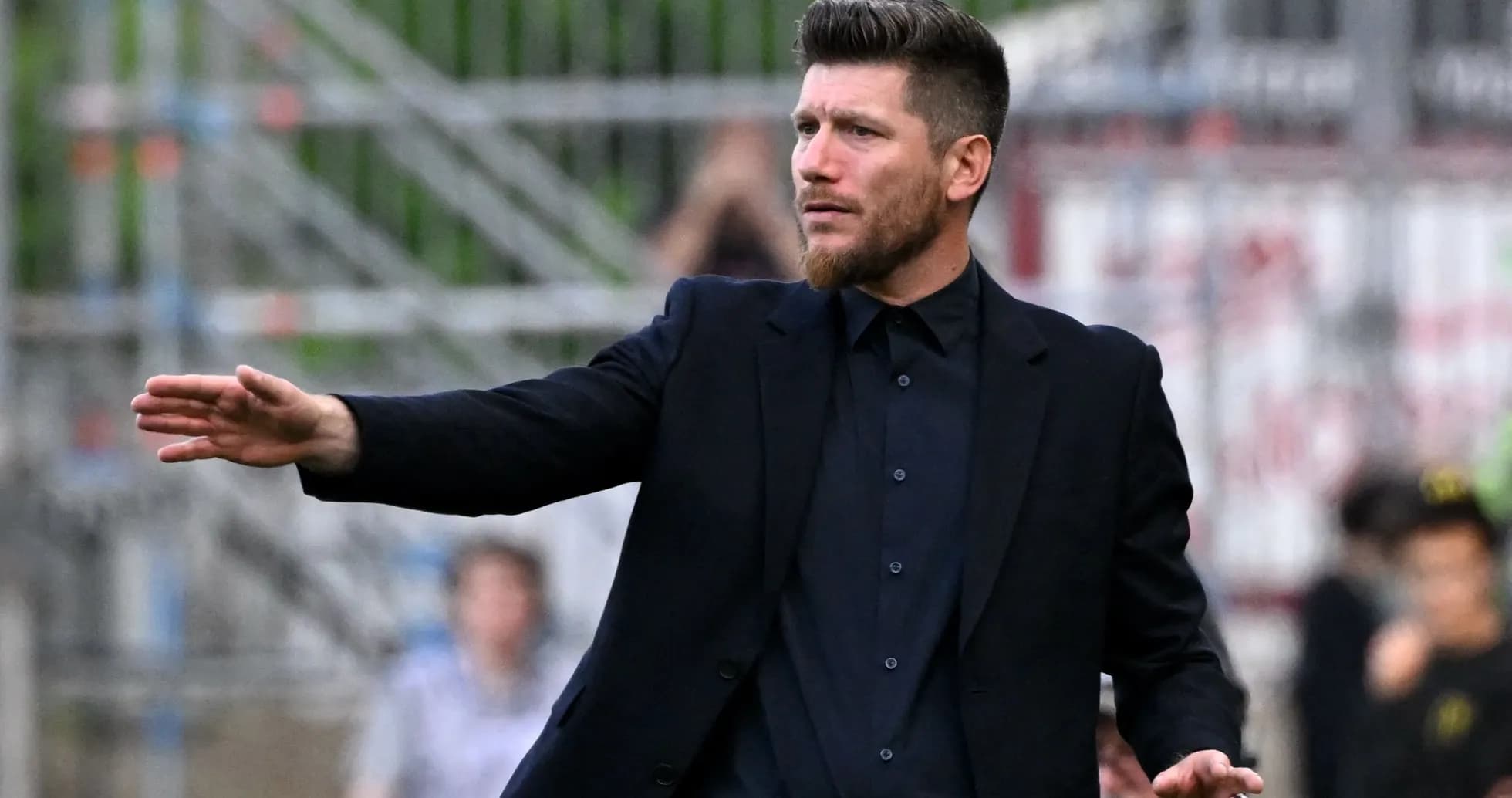
Scotland Appoints Sébastien Pocognoli as New Coach
Celtic's League Cup Campaign Begins at Tannadice