
Scotland Prepares for World Cup Clash with Haiti
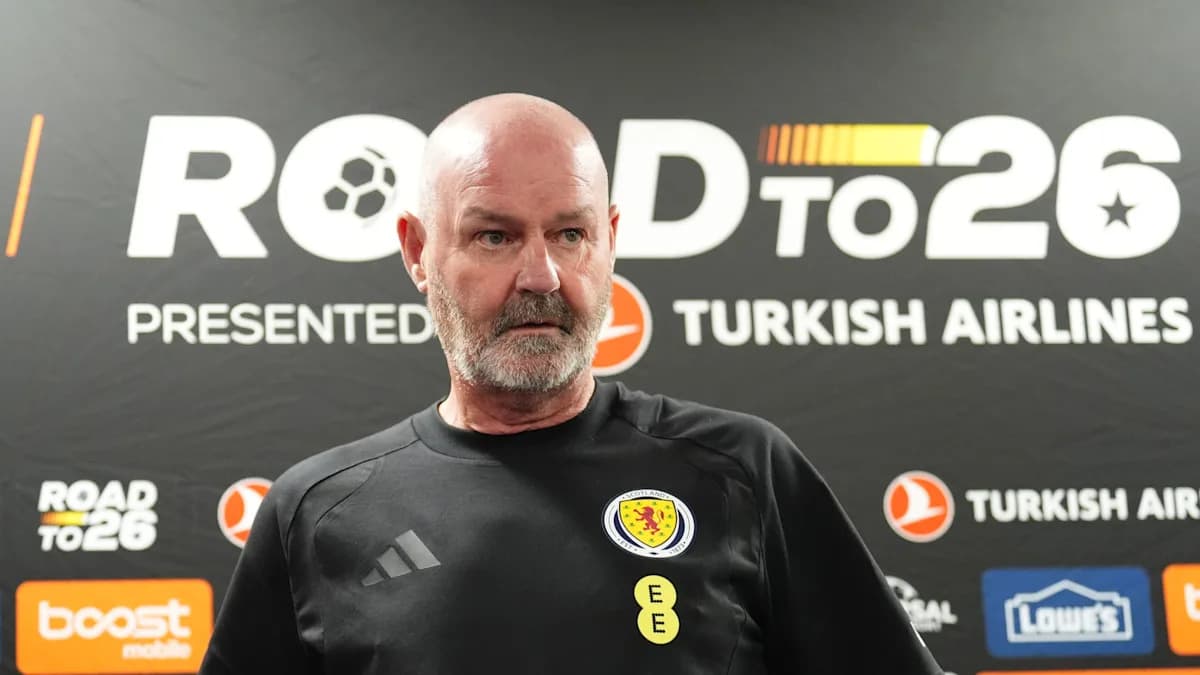
Steve Clarke had already heard the warning shot. Haiti’s 4-0 demolition of New Zealand only made everyone else sit up and listen.
While the rest of the world rewrote its assumptions this week, Scotland’s head coach stood in New Jersey sounding like a man who never bought into the easy narrative in the first place.
No Underdogs Here
Scotland face Bolivia on Saturday in their final warm‑up before the World Cup, a last tune‑up on American soil before the real thing begins against Haiti in Foxborough the following weekend.
On paper, Haiti are the outsiders in a group that also contains AFCON champions Morocco and the might of Brazil. Ranked 81st in the world and led by French coach Sebastien Migne, they are supposed to be the team Scotland have to beat if they are finally to escape a World Cup group for the first time in their history.
Then came Fort Lauderdale. Chase Stadium. New Zealand taken apart 4-0.
If that result startled plenty back home, it did not change much for Clarke.
Speaking at Sports Illustrated Stadium, he cut through the lazy assumptions that still cling to so‑called lesser nations.
“We’ve got a terrible habit, not just in Scotland, but in the UK in general, of looking at these nations and thinking they’re not very good, or (looking at) whatever their ranking in the world,” he said. “But they play in a different section of the world, so maybe in their section, they’re really good.”
The evidence, as far as he is concerned, is already there on tape.
“And if you watched them play the other night against New Zealand, they were much better than New Zealand. Big, strong physical, but not only big, strong physical… also technical. They have good players who play in good leagues.
“I was never under any illusion, it was going be a tough game, and it’s probably nice that some people get to see how they played the other night, because it’s going be a difficult game for us.”
The message is blunt: forget the rankings, forget the stereotypes. Scotland’s supposed “best chance” of three points comes with real jeopardy attached.
No Cotton Wool Before the Storm
This World Cup carries its own emotional weight for Scotland. A first appearance since 1998. A fanbase scarred by near‑misses and false dawns. A squad desperate not just to make up the numbers but to finally break the barrier and reach the knockout rounds.
Preparation, then, cannot be half‑hearted.
The 4-1 win over Curacao last weekend came at a cost. Billy Gilmour’s knee injury has ruled him out of the tournament, a brutal blow for a young midfielder seen as central to Scotland’s rhythm and control.
Clarke did not hide from the disappointment, but he refused to let it dictate the approach to Bolivia or beyond.
“Injuries are part and parcel of football,” he said. “When it happens, especially when it happens in the circumstances that happen to Billy, it’s really disappointing. Everybody’s got to take a deep breath and move forward again.”
There will be no easing off, no cautious half‑pace friendly to protect legs and reputations.
“You want me to wrap them in cotton wool and not train? You need to work,” Clarke snapped, when asked about the risk of further injuries.
He knows some in the squad are carrying minor knocks, but none serious enough to alter the plan.
“Selection is straightforward. We have to do what we have to do to prepare for the Haiti game. So players need minutes. I need to see one or two players’ position on the pitch. And then we’ve got a week to prepare for the first game, so it’s all about preparation. There’s no trying to protect players or whatever.”
The Bolivia match, then, is not a ceremonial send‑off. It is an audition, a tactical laboratory, and a fitness test rolled into one. Places are still being weighed. Combinations still being judged. The margin for error, though, is shrinking by the day.
A Different Kind of World Cup Test
Scotland’s group has a familiar shape: one global superpower, one continental champion, one team too easily labelled as outsiders. The temptation is to circle Haiti as the must‑win fixture and treat everything else as a bonus.
Clarke’s tone makes clear he wants no part of that thinking.
Haiti arrive in this World Cup with power, pace and a growing belief after dismantling New Zealand. They are used to playing in their own demanding region, used to being written off, used to surprising people who only glance at the rankings.
Scotland, returning to the sport’s biggest stage after 26 long years, cannot afford to be among those caught cold.
The final week before Foxborough will be about detail now: minutes in legs, roles clarified, minds sharpened. The romance of being back at a World Cup is one thing. The reality of facing a hungry, physical, technically sharp Haiti side is another.
Scotland have waited a generation for this chance. The question now is not whether they respect Haiti. Clarke clearly does. It is whether his players can turn that respect into the ruthless, three‑point performance that has eluded every Scottish World Cup squad before them.
Related News

UFC 332 Preview: Natalia Silva vs. Wang Cong Fight Card, Odds, Start Time, and Details
Andy Roddick Responds to Andre Agassi’s Comments on Alexander Zverev at the Laver Cup

Knicks Prepare for Flexible Roles in Title Defense

Rui Hachimura Swaps Lakers Fans to Clippers in Surprising Jersey Exchange

Who Will Be the NBA's Next First-Time All-Stars? Top Picks and Long Shots for 2027

How Strong Is Your Team at Home? Check Out the 2026 Brasileirão Home Standings