
Senegal's Road to World Cup 2026: Defending Champions with a New Challenge
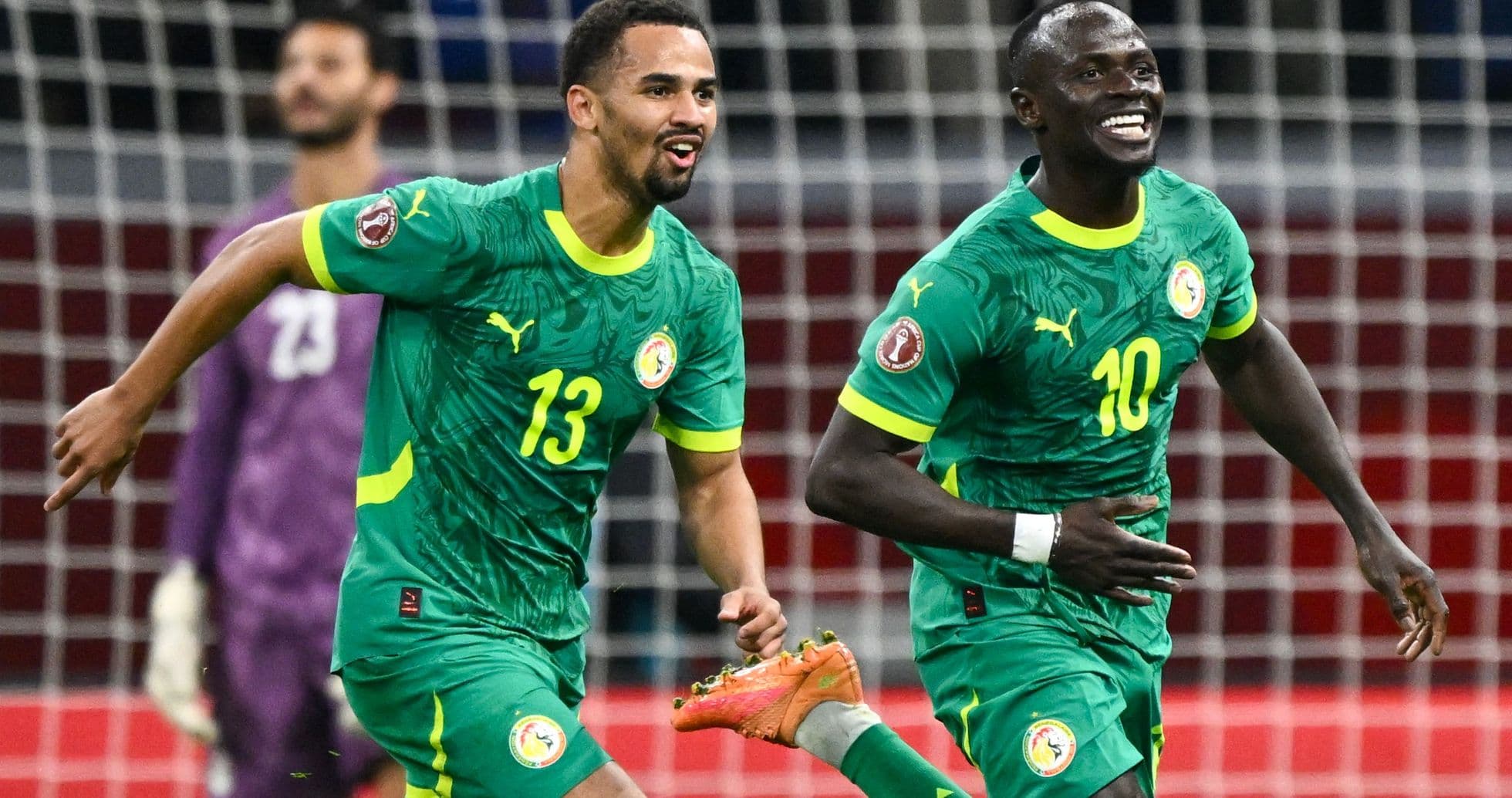
Senegal arrive at the 2026 World Cup as African champions, but with a very different kind of examination ahead. AFCON showed the continent again what they already knew: this is a side built on a granite back line, a goalkeeper who relishes the big stage and a talisman who refuses to let his country drift quietly into the background. The World Cup, though, will throw them at two of the hottest strikers on the planet before the knockouts even begin. The margin for error shrinks fast.
Defence: Rock-solid, but ageing
The numbers from AFCON were brutal in their simplicity: two goals conceded on the way to the title. The Lions of Teranga squeezed the life out of games, their back four and goalkeeper forming a barrier that rarely cracked under pressure.
At the heart of it all, again, stands Kalidou Koulibaly. He remains the defensive reference point, the organiser, the man everyone else takes their cue from. Yet at 34, the miles are beginning to show. He missed the AFCON final through a mix of suspension and injury and picked up a red card in the group stage against Benin. For a player who has long walked the line between aggression and control, those are small but clear warning signs.
Senegal will lean heavily on a strong Ligue 1 core around him. Lyon’s Moussa Niakhate is expected to slot in alongside Koulibaly, offering mobility and anticipation to cover any lost half-steps from his captain. Out wide, Monaco’s Krepin Diatta brings pace and adventure from full-back, while El Hadji Malick Diouf of West Ham United adds Premier League sharpness on the opposite flank.
Chelsea’s Mamadou Sarr and Nice defender Antoine Mendy deepen the pool, and Rayo Vallecano’s Nobel Mendy has already nudged his way into the conversation after a first international call-up for the March friendlies against Peru and Gambia. That competition matters. Group-stage meetings with elite forwards will punish even a moment’s hesitation.
Behind them, there is no debate. Edouard Mendy, now 34 and a two-time AFCON winner, will start in goal. His calm presence, command of the box and big-tournament experience give Senegal a security few African sides can match.
Midfield: Premier League steel and subtlety
If the back line provides the platform, the midfield brings the edge. Senegal welcome back Pape Matar Sarr and Habib Diarra from injury just in time for the World Cup, two returns that significantly change the look and energy of the team. Both missed the AFCON triumph; both are expected to arrive this summer fully fit and hungry.
They will not walk into a soft environment. Idrissa Gueye remains a mainstay, his work at Everton a reminder of his relentless ball-winning and positional discipline. He is the one who plugs gaps, snaps into tackles and sets the tone without needing the spotlight.
Habib Diarra, now at Sunderland, offers legs and aggression in the press, while Villarreal’s Pape Gueye brings a more measured, rangy presence on the ball. Together, they form a functional, hard-running three-man unit that gives Senegal control in the middle and a platform for their stars to break.
La Liga adds another layer of experience through Rayo Vallecano’s Pathe Ciss, while Lamine Camara at Monaco offers youthful dynamism. Tottenham’s Pape Matar Sarr, once fit and firing, gives coach Aliou Cissé – here referred to as Thiaw in some quarters – a rare luxury: depth and variety in a department that can often look thin for African sides at this level.
The spotlight, though, has started to drift towards one man. Iliman Ndiaye, now at Everton, has turned heads in the Premier League with his blend of flair and graft. He glides past opponents, presses with real bite and carries a genuine goal threat. His form has already triggered speculation about a summer move to Manchester United. A strong World Cup and that talk only gets louder.
Attack: One last World Cup for a legend
Up front, Senegal will not be short of firepower. Sadio Mane, now at Al-Nassr, remains the country’s beating heart in attack and its all-time leading scorer with 51 goals. He is also one of the most decorated players in Senegal’s history, with Premier League and Champions League titles from his Liverpool days already etched into his legacy.
This World Cup, though, carries an extra weight. Mane has confirmed he will retire from international football after the tournament. Every touch, every sprint down that left flank, will feel like part of a long goodbye. No one in the squad will want it to end quietly.
Alongside him, Bayern Munich forward Nicolas Jackson arrives with something to prove. The loan move from Chelsea has placed him behind superstars like Harry Kane and Luis Diaz, limiting his minutes and rhythm. For Jackson, the World Cup offers a different stage: a chance to lead the line, stretch defences and remind Europe why he was so coveted in the first place.
Ndiaye is expected to complete the front three from the right, drifting inside to combine with Jackson and link with Mane. It is a trio that blends pace, invention and work rate, and it will frighten any defence when it clicks.
The options off the bench only deepen the threat. PSG’s Ibrahim Mbaye offers youthful unpredictability and direct running. Cherif Ndiaye (Samsunspor), Boulaye Dia (Lazio) and Habib Diallo (Metz) all bring different profiles as central forwards – target play, movement in behind, penalty-box instincts. Mamadou Diakhon of Club Brugge, a recent first-time call-up, lurks as a dark horse, while Assane Diao at Como adds another line-breaking runner to the mix.
Then there is Bamba Dieng. The Lorient striker has forced his way back into the squad after a strong Ligue 1 campaign, a surprise return that underlines how ruthlessly form is being rewarded. For a team chasing fine margins at a World Cup, those extra goals from the bench could prove decisive.
The shape of a contender
On paper, the structure looks clear. A 4-3-3 built on Mendy’s authority in goal, a back four of Diatta, Koulibaly, Niakhate and Diouf, and a midfield trio of Diarra, Idrissa Gueye and Pape Gueye built to fight, screen and recycle. Ahead of them, Ndiaye from the right, Jackson through the middle and Mane off the left form a front line with pace, guile and end product.
Predicted Senegal XI for World Cup 2026 (4-3-3): Mendy; Diatta, Koulibaly, Niakhate, Diouf; Diarra, Idrissa Gueye, Pape Gueye; Ndiaye, Jackson, Mane.
This is not a side turning up to make up the numbers. It is a group with scars, medals and a generational icon chasing one last shot at history. The defence has already proved itself on African soil. The question now is simple: can Senegal’s golden core, with Mane at its head, carry that steel and swagger onto the biggest stage of all one final time?
Related News
Carlos Alcaraz Urges an End to Matches Ending in the Early Hours
Carlos Alcaraz Criticizes Late US Open Finish After 3:30 a.m. Match
Jannik Sinner Set for ATP 500 Return in Beijing with Novak Djokovic Also Competing
Meet Iva Jovic: The American Tennis Prospect Making Waves
Flavio Cobolli Shares Insights on Practice Session with Jannik Sinner Ahead of Comeback
Till vs Romero: Fight Details, Undercard, and Viewing Info for This Weekend