
Terry Butcher Reflects on England's Warrior Spirit
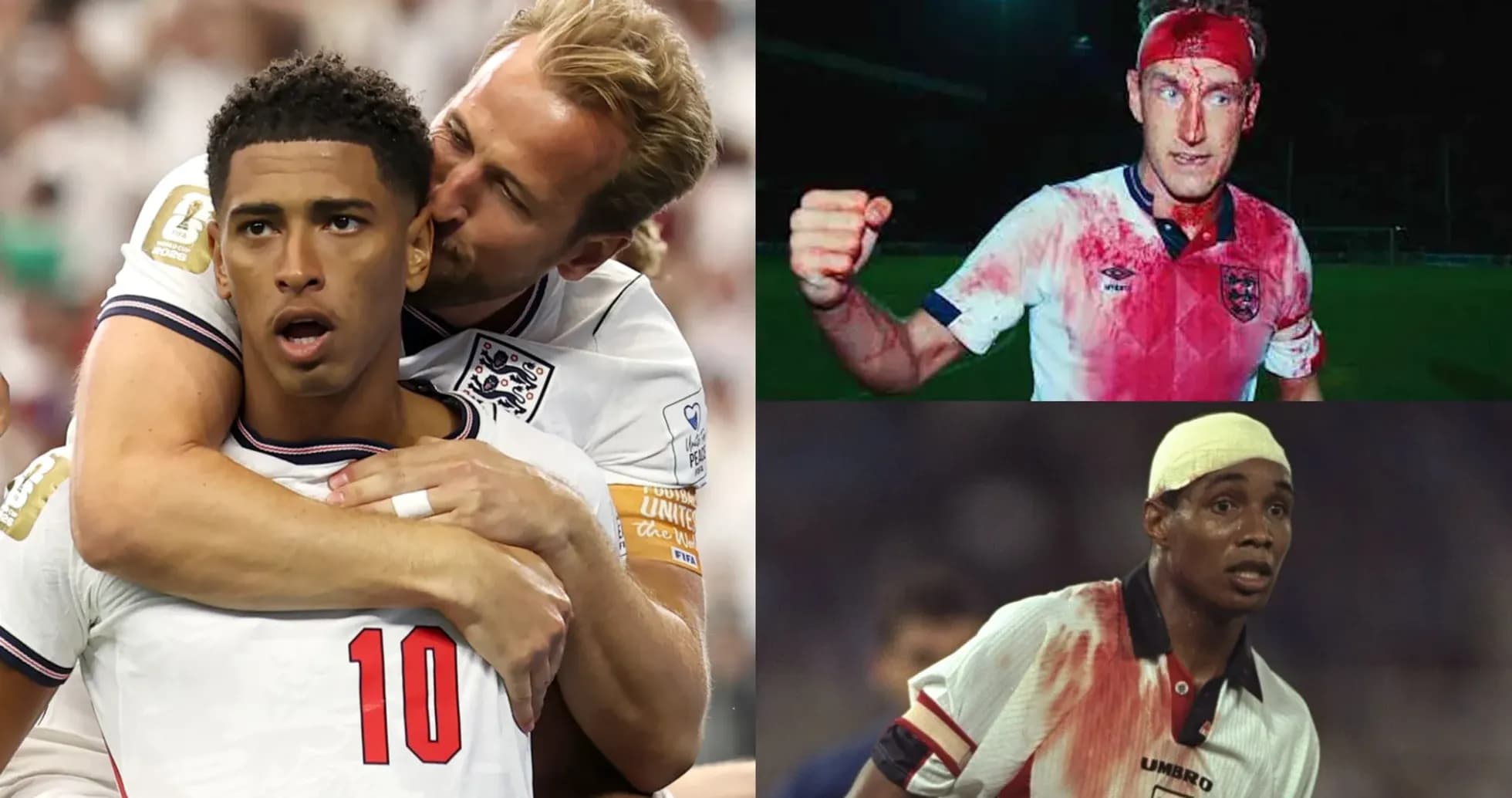
Terry Butcher knows what real blood and thunder looks like. He wore it.
Stockholm, September 1989. A clash of heads against Sweden left England’s granite‑hard centre-half with a gash that turned his white shirt into a horror show. He refused a substitution. He refused a clean kit. By the final whistle, the Three Lions’ captain looked less like a defender and more like a survivor, his jersey stained almost completely red.
That image has followed English football for decades – a symbol of what international duty is supposed to mean. Paul Ince carried that same streak into the 1990s, famously playing on with a bandaged, blood‑soaked head as England battled past Italy to reach the 1998 World Cup.
Now, the rules won’t allow that kind of spectacle. One drop of blood and the modern superstar is marched off for treatment. The game is safer, more clinical. Butcher accepts that. What he still wants to know is simpler: who, in this era of sports science and load management, would truly put their body on the line?
“The biggest warrior we've got at the moment? I’d probably say Jude Bellingham, someone like that,” Butcher told GOAL, speaking in association with Domino’s ‘Shirtiette’ campaign, which leans into the idea of getting messy for your team.
Bellingham, the 21-year-old heartbeat of Real Madrid and England, is the one who catches his eye.
“He'd be more of a warrior, he does get worked up and he's fiery. I like that. Perhaps sometimes too fiery, but that's the way he plays. He lives on the edge sort of thing. He wants to put himself about and gets frustrated like everybody else. I think Jude would be the one for me.”
The compliment is pointed. It’s not just about talent, but temperament. Bellingham’s edge, his anger, his refusal to drift through games – that is what Butcher recognises.
The problem, as he sees it, is that players like that are becoming rare.
“Yeah, it's faded out of the game because the game is a different sort of animal now. It's more technical. It's more about ways of playing rather than just getting stuck in,” he said.
“There’s no sort of real physicality in football. It's all about the technique. It's all about creating overloads and all the technical terms. The nearest that comes to our day is probably on set plays and particularly corners when everybody seems to take on a wrestling image and try and bundle people to the ground.”
The game, he concedes, has moved forward in many ways. Passing patterns, pressing triggers, positional play – all of it more refined than in his era. But he still believes something vital has been lost.
“The game has changed and you can see that it's changed for the better in many instances, but I just think a bit more physicality would certainly help. It certainly helps with the fans because the fans always like to see someone getting stuck in, but you can't do that now because you do run the risk. If you do intimidate players and if you do throw your weight around, then you're in danger of getting not a yellow card, but a red card.”
For a country still chasing a first major trophy since 1966, that absence of snarling, vocal leaders feels significant. England are stocked with talent. What they lack, in Butcher’s eyes, is a commanding presence at the back.
Asked if there is anyone in the current defensive unit capable of truly organising and plugging the leaks, his answer is blunt.
“No, I don't think there is. I don't think there's been anybody there for a long, long time.”
He remembers a dressing room where hierarchy was clear and honesty was brutal.
“I think gone are the days when you can speak harshly at players. I had Bryan Robson, he used to speak harshly at me if I did something wrong and then I'd have a go back at him if he did something wrong - but he didn't do anything wrong generally so I didn't have to go back at him! But you let your feelings be known vocally, very quickly and very strongly.”
That kind of exchange, he believes, has been coached and systematised out of the modern game.
“Nowadays you don't do that. I think one of the reasons is that players, particularly on set plays, in the corners and free-kicks, they don't mark a specific opponent. They are zonal, so there's no need for them to shout or do anything else.
“I think the way that football is now, players are too nice with each other. There's no one demanding more of each other. There's no leaders in the group. It's players and just a bunch of individuals getting on with it. They may say things in the dressing room, but on the pitch there doesn't seem to be anyone that really does shout and point a finger.
“[Jordan] Pickford does that sometimes and he points a finger. Not many in the England team do. It's just a case of getting on with their job and being the best that they can be themselves.
“I liked the vocal side. I enjoyed it. I enjoyed praising people as well as also shouting at them to urge them on, ‘come on lads’ and all that sort of thing. You see it occasionally, but not very often. I'd like to see it more.”
Leadership, for Butcher, is not a concept confined to armbands and slogans. It is noise. It is confrontation. It is praise and fury in equal measure, delivered in real time, on the pitch.
Right now, the armband belongs to Harry Kane. Eighty‑one international goals, a record-breaking centre‑forward and the face of this England generation. Yet even Kane will not carry it forever, and the question of succession is already circling.
Could Bellingham, with that warrior streak, one day become the man?
“I was the captain of a few clubs and I used to kick doors down and I used to be vocal and I used to swear at referees and all these kinds of things. Not what you would really expect a captain to do, but that was what it was in those days,” Butcher admitted.
“I think Bellingham will in time mature, particularly on the international scene. I think then he could be eligible for the captaincy. I think at the moment he's one of the lieutenants, one of the wingmen, he's underneath that captaincy level.”
If Bellingham is the fiery lieutenant, Declan Rice is the steady general-in-waiting. Arsenal’s midfield anchor already carries himself like a leader, and Butcher sees him as an “obvious candidate” to follow Kane.
“Declan Rice would be an obvious candidate for a captaincy, particularly following in the footsteps of Harry Kane, but Harry Kane could play forever. The way he's going about his business, the way he looks after himself, the way he behaves, he’s like [Cristiano] Ronaldo and he could play forever. Harry didn't have much pace to lose, but his brain seems sharper, his reactions seem sharper. I think that he's got a lot more to do.”
That line about pace is classic Butcher – a wry nod, wrapped around genuine admiration. Kane, he believes, is evolving into the kind of forward who can stretch his international career deep into his thirties, if not beyond.
For now, the focus is immediate. Kane, Bellingham and the rest of this England side close out their Group L campaign at the 2026 World Cup on Saturday, facing Panama in New Jersey. Thomas Tuchel will demand more than control; he will want a performance that ignites supporters in North America and back home, something that feels alive, raw, unforgettable.
England have the technicians. They have the stars. What they still search for, as Butcher’s blood‑stained memory lingers over another tournament, is the next legend willing to spill everything for the shirt.
Related News
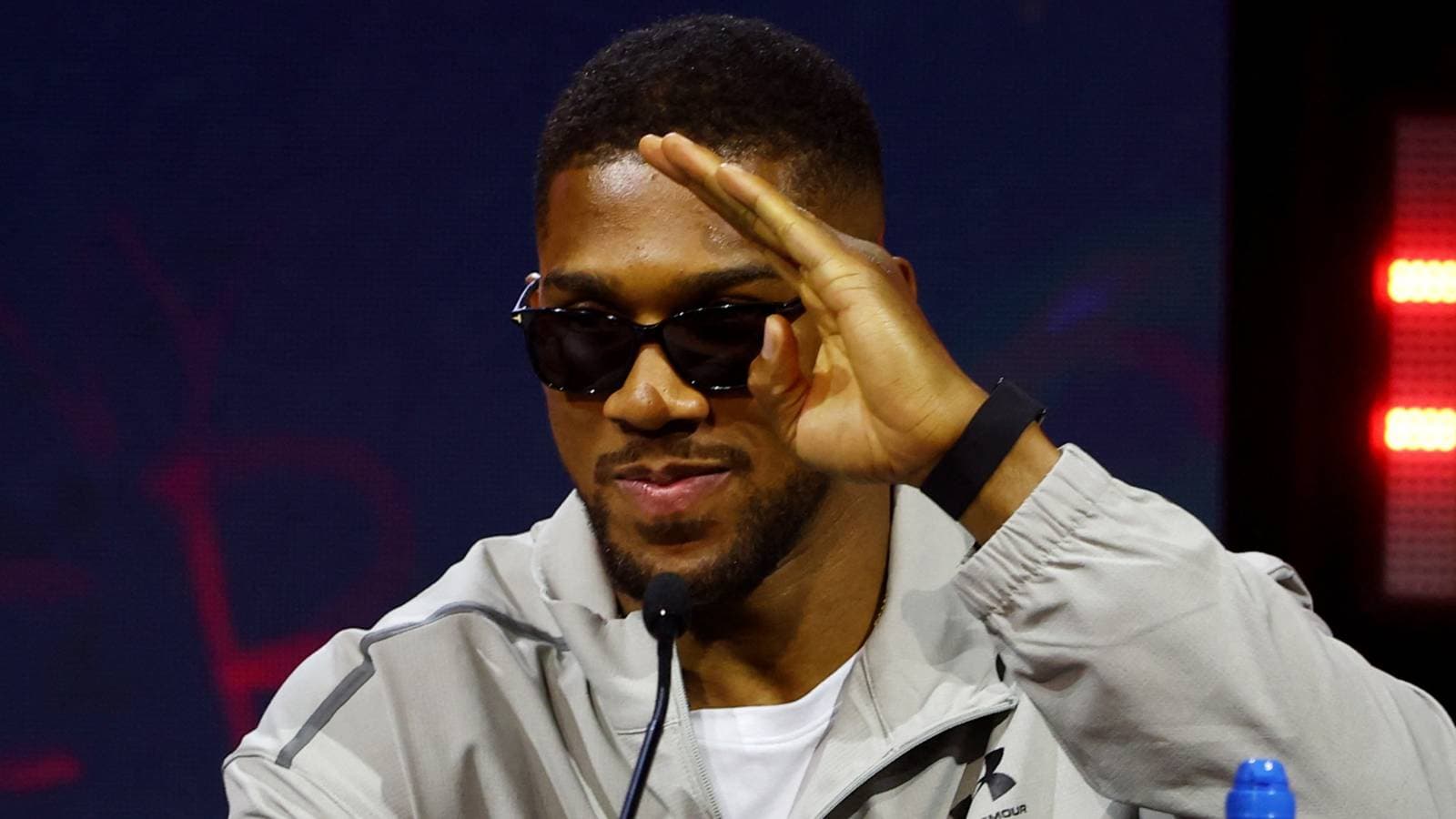
Anthony Joshua Names Murat Gassiev as Next Opponent if He Defeats Tyson Fury
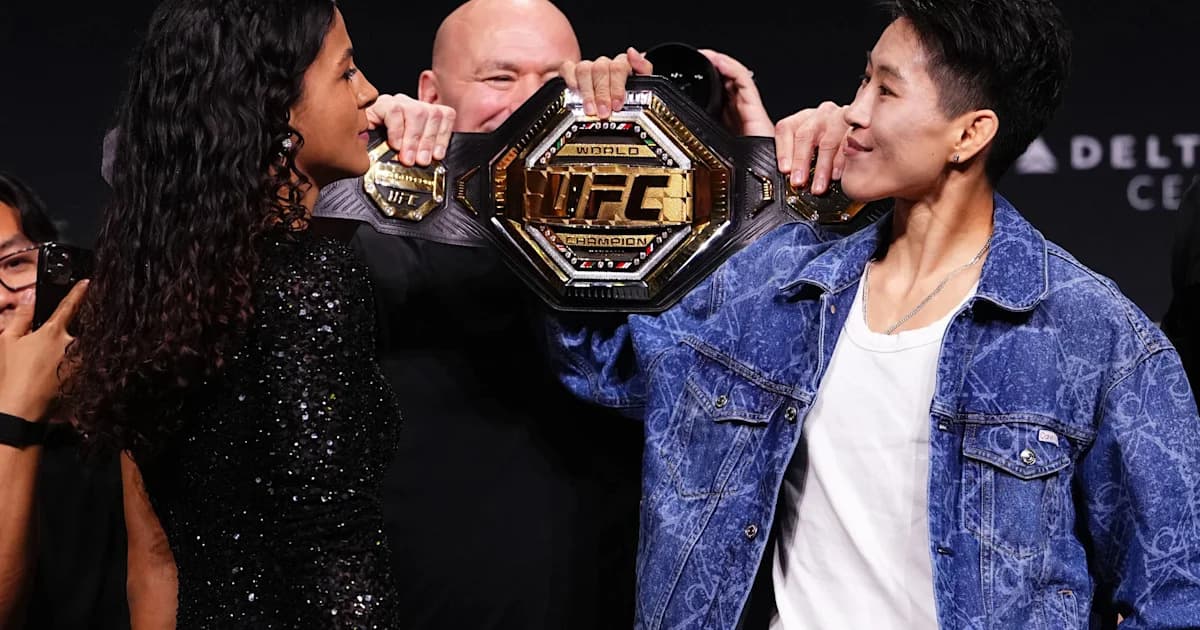
UFC 332: Start Time and Fight Highlights for Natalia Silva vs. Wang Cong
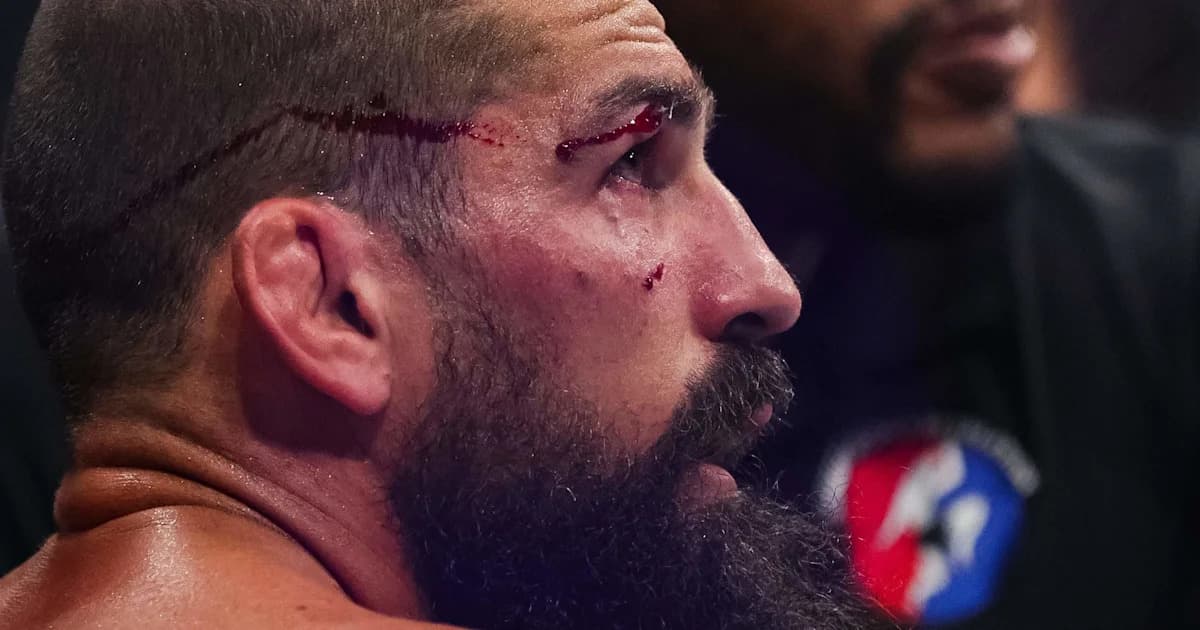
Court McGee Opens Up About Choosing UFC 332 as His Final MMA Fight
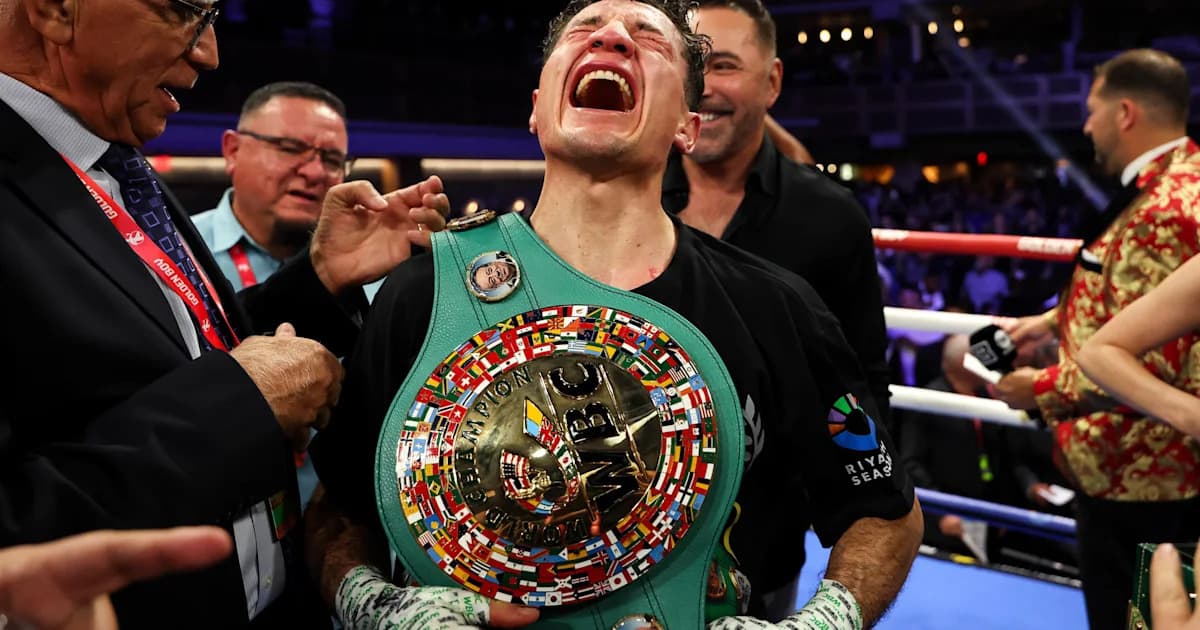
WBC Orders Lightweight Title Unification: William Zepeda vs Jadier Herrera
BCCI Pension List: Monthly Payments to Retired Indian Cricketers in 2025

Why Fury vs Joshua Is Set for Cardiff, and Dua Lipa’s Unexpected Role