
Thomas Tuchel's Gamble: England's World Cup Semi-Final Collapse
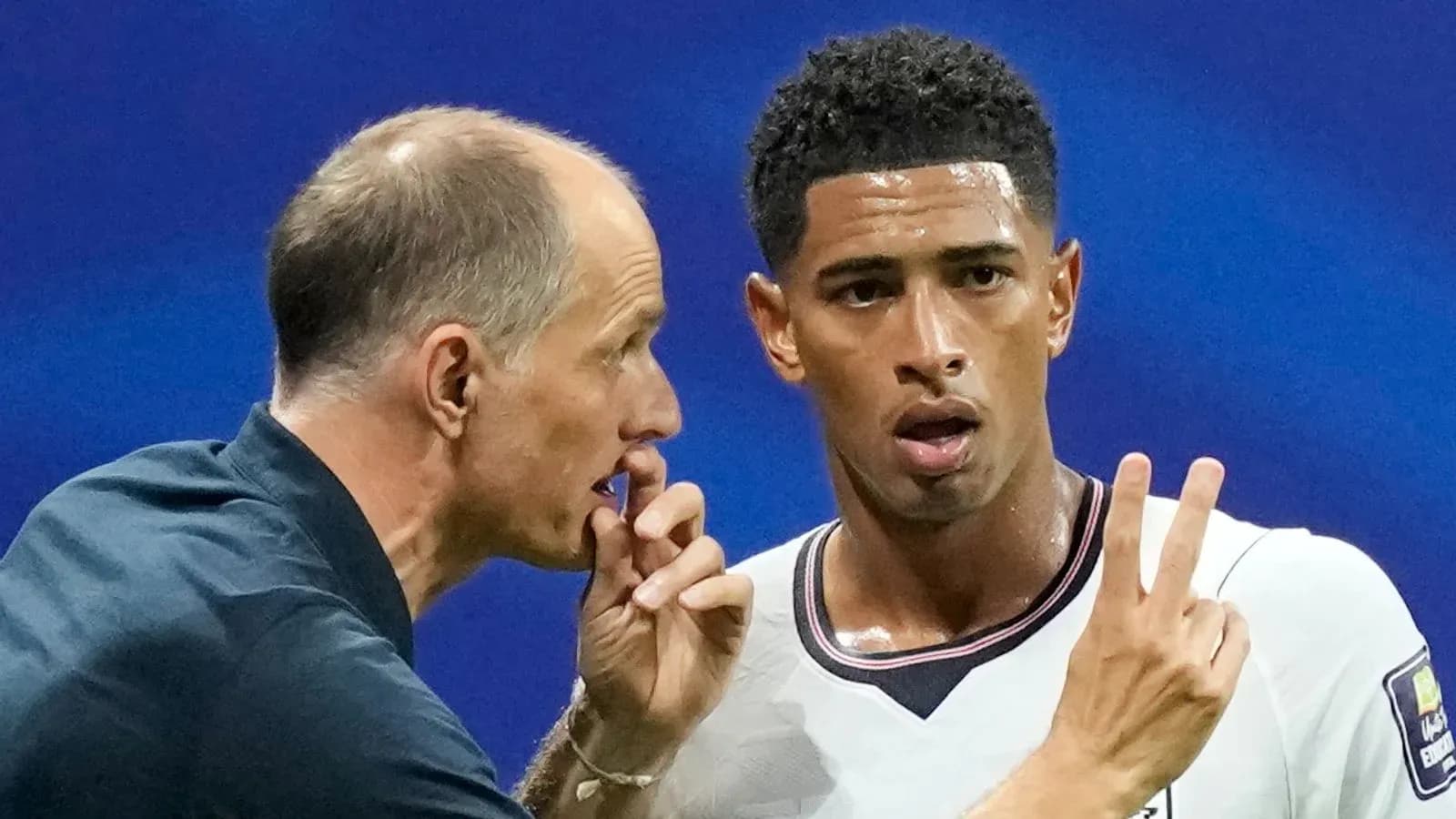
Thomas Tuchel walked into this World Cup as England’s gambler-in-chief. He tore up the safe options, trusted a squad few others would have chosen, rode out a backs-to-the-wall win over Mexico, and started Morgan Rogers on what he openly called “a feeling from the coach”.
For a while, that instinct looked like it was about to carry England into history.
The move that defined the night came good on 52 minutes. Rogers, the bold call on the biggest stage, drove down the left and whipped in the kind of cross that begs to be finished. Anthony Gordon obliged, sweeping England into the lead and briefly turning Dortmund into an English outpost. Tuchel’s latest hunch, vindicated in front of the world.
England had their moment. They had their lead. They had Argentina rattled.
And then, in seven late minutes, it all disintegrated.
The turning point
The match did not swing on Messi’s magic alone, or on some irresistible blue-and-white tide. The hinge came in the 71st minute, with a substitution that will live long in the post-mortem.
Gordon’s number went up. Ezri Konsa came on. England dropped into a back five against the reigning world champions with more than 20 minutes to survive. It looked cautious in real time. In hindsight, it looks catastrophic.
The numbers are brutal. England had already begun to retreat after Gordon’s opener, seeing just 17 per cent of the ball and managing only nine touches in Argentina’s half in the 15 minutes that followed the goal. The freeze had started. Yet Argentina, aside from a Nico Gonzalez header, still had not seriously tested Jordan Pickford.
Tuchel blinked first.
By removing Gordon, he took off England’s most direct outlet. Rogers, shifted inside to operate behind Harry Kane and alongside Jude Bellingham, became a bystander. Between the change of shape and Lautaro Martinez’s winner, he touched the ball once.
In those 21 minutes after Konsa’s introduction, England’s share of possession plunged to 7.2 per cent. Eight touches in the opposition half. Not a single cross delivered. Against Argentina. In a World Cup semi-final. With a lead to defend and Messi prowling for the ball.
The tactical idea was obvious. Tuchel has long trusted a 3-4-3, wing-backs pushed high, aggressive on the break. Djed Spence and Reece James were supposed to fly forward, offer width, and give England an escape route.
They barely crossed halfway. Between them, in the Argentina half for the remainder of the game, they managed one touch.
Giving Messi the ball
By retreating so deep without any real counter-attacking threat, England did the one thing you cannot do against Argentina: they handed the ball, and the initiative, to a side built to keep it, with the greatest player of all time demanding every pass.
Wave after wave of attacks followed. England’s back line sank closer to Pickford. Midfielders chased shadows. Messi orchestrated, probing and recycling, waiting for the gaps that inevitably appear when a team spends that long defending its own penalty area.
Konsa, brought on to steady the ship, never managed to win possession back for England. He did, however, lose the ball five times. The reshuffle did not calm the anxiety; it amplified it.
Tuchel has built a reputation on sharp in-game management. At this tournament alone, his half-time intervention against Croatia, the bold attacking tweaks, and that perfectly timed defensive adjustment in the Azteca against Mexico all fed the belief that he was the man to take England beyond the ceiling Gareth Southgate kept hitting.
Here, he froze. As England’s shape crumbled and Argentina’s pressure mounted, the head coach stood firm on a plan that was visibly failing. When he finally went back to his bench, it was Dan Burn and Nico O’Reilly who arrived, not the attacking cavalry so many expected.
The script stayed the same. Argentina kept the ball. Messi dictated. And when the decisive moments came, he turned provider for both goals, punishing the very caution Tuchel had promised to leave behind.
Old story, new face
Strip away the new face on the touchline and the names on the teamsheet, and the pattern is painfully familiar.
England have now taken the lead in seven of the 13 knockout ties they have lost over the last 30 years. They are the only team this century to have gone in front in a World Cup semi-final and still failed to reach the final. They have now managed that unwanted feat twice.
Tuchel was hired to break that cycle. Under Southgate, England generally beat the sides they were expected to beat and fell short when they were underdogs. This was supposed to be the upgrade: a coach unafraid to take risks, to make brave calls in real time, to tilt the biggest games in England’s favour.
The irony is savage. It was not a lack of nerve that undid England here, but one gamble too many, at the wrong moment, in the wrong direction. A throw of the dice that invited pressure instead of relieving it.
Perhaps the defiance in Mexico, clinging on with 10 men as cross after cross rained into the box, emboldened Tuchel. But Mexico telegraphed their approach. Argentina never would. A team built on passing football, with Messi at its heart, was never going to simply launch it and hope.
Tuchel has already vowed to see out his two-year contract extension and lead England into Euro 2028. There is time for his in-game management to become the asset the FA believed they were buying.
For now, though, the defining image is not of a master tactician reshaping a contest, but of a coach retreating into the very defence-first football he had promised to banish – and watching a World Cup final slip away in the space of seven merciless minutes.
Related News

India's Record Chase of 406 Against West Indies Highlighted by Gill's 223 and Rohit's Century
Alex Pereira Hints at Major UFC Bout: 'Big Challenge' Ahead
Three Hall of Famers, Ten Fights, 109 Rounds: The Forgotten Rivalry That Shaped Lightweight Boxing's Golden Era
Khamzat Chimaev and Colby Covington Set for RAF Abu Dhabi Title Clash in November
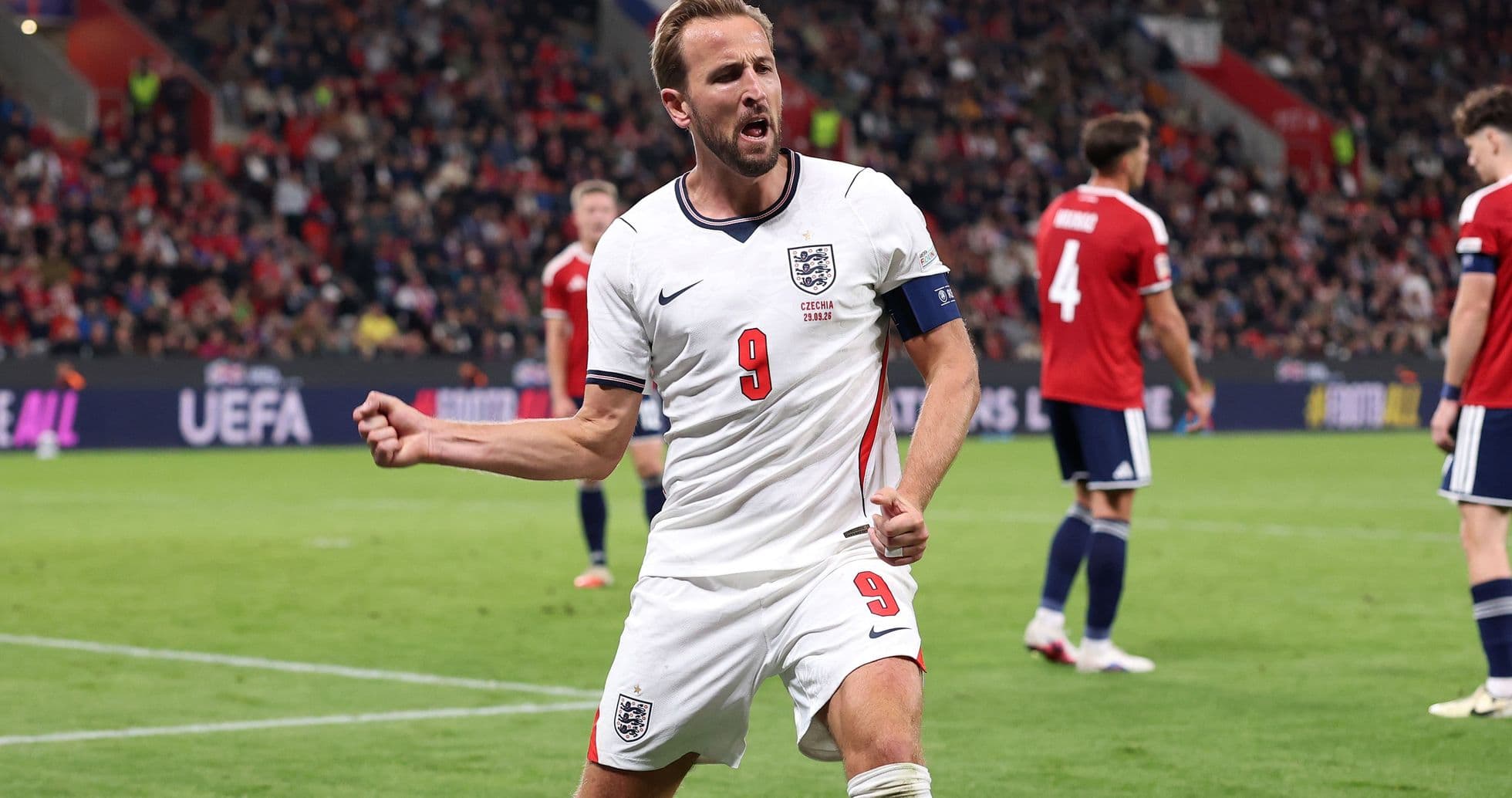
Thomas Tuchel Confident Harry Kane Will Join 100-Goal Club for England Soon
Cristiano Ronaldo Vows to Reveal Truth After Leaving Portugal Squad Amid Conflict