
Top 10 Argentine Football Legends: Ranking the Nation’s Finest Players
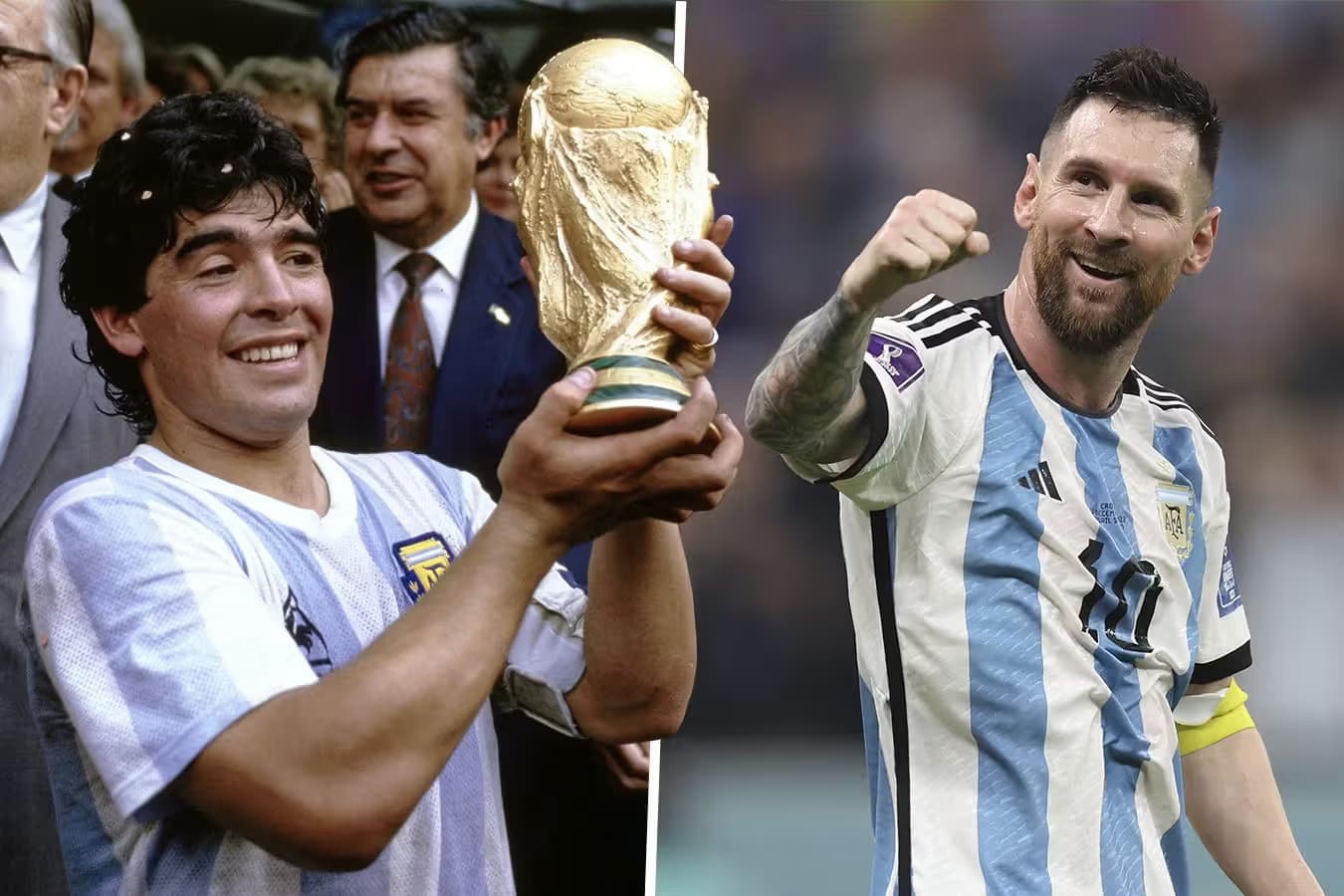
Argentina has long been a powerhouse in football, producing a continuous stream of exceptional talent—players who have dazzled with dribbling skills, goal-scoring prowess, playmaking abilities, and leadership. Picking the best Argentine players ever means balancing World Cup victories against club success, individual brilliance against team contribution, and legendary status against raw statistics. This list moves beyond nostalgia, focusing on trophies, records, and lasting influence to name the ten finest Argentine footballers.
How We Ranked These Players
Comparing players from different times is never straightforward. Football in the 1950s differs greatly from today’s game, so pure numbers don’t tell the full story. This ranking blends tangible achievements with historical context and cultural impact.
Counting Down the Top Ten
Narrowing Argentina’s rich football history down to ten names was challenging. This countdown starts with revered players who anchored historic teams and ends with the two most universally recognized football giants.
10. Ubaldo Fillol | Goalkeeper | River Plate
Fillol stands as Argentina’s finest goalkeeper, known as “El Pato” for his commanding presence during the 1970s and 80s. He played a key role in Argentina’s 1978 World Cup win at home, combining excellent shot-stopping with strong command of his area at a time when goalkeeping was evolving rapidly.
- 1978 World Cup winner with Argentina
- Considered Argentina’s greatest goalkeeper
- Multiple domestic titles with River Plate
- Named South American Goalkeeper of the Year several times
- Helped shape modern Argentine goalkeeping standards
9. Fernando Redondo | Midfielder | Real Madrid, AC Milan
Redondo brought elegance and control to defensive midfield, blending physicality with a refined first touch and vision more typical of attackers. His leadership helped Real Madrid win two Champions League titles in the late 1990s. Though his international trophy haul was limited, his style influenced generations of midfielders.
- Champions League winner (1998, 2000) with Real Madrid
- Recognized as one of the most technically gifted midfielders ever
- La Liga titles with Madrid
- Later won Serie A, Coppa Italia, and another Champions League with AC Milan before retiring
- Key figure in shaping the modern deep-lying playmaker role
8. Ángel Di María | Winger/Forward | Real Madrid, PSG, Benfica
Di María shines for delivering under pressure, scoring the winning goal in the 2022 World Cup final and clutch moments in the Champions League. His speed, creativity, and ability to perform on big occasions make him one of Argentina’s most decorated players.
- 2022 World Cup winner, scoring in the final
- 2014 Champions League champion with Real Madrid
- 2021 Copa América champion
- Consistent creator across Spain, France, and Italy
7. Juan Román Riquelme | Attacking Midfielder | Boca Juniors, Villarreal
Riquelme embodied a classic number 10, using close control and precise passing to dictate games slowly and methodically. A legend at Boca Juniors, he led them to multiple continental titles and earned admiration in Spain with Villarreal.
- Multiple Copa Libertadores wins with Boca Juniors
- Intercontinental Cup winner
- Reached Champions League semifinals with Villarreal
- Culturally iconic figure at Boca Juniors
6. Daniel Passarella | Defender/Captain | River Plate, Fiorentina
Passarella is remembered especially for captaining Argentina to their 1978 World Cup victory on home soil. A central defender with an unusually high goal tally, he combined leadership and aerial strength. Later, he managed the national team.
- 1978 World Cup winner and captain
- Remarkable goal-scoring record for a defender
- Multiple league titles with River Plate
- Managed Argentina after playing career
5. Gabriel Batistuta | Forward | Boca Juniors, Fiorentina
Batistuta terrorized defenses with power, technique, and deadly shooting during his time in Serie A. Known as “Batigol,” he became Fiorentina’s iconic striker and held Argentina’s World Cup scoring record until Messi broke it in 2022.
- Argentina’s leading World Cup scorer for decades until 2022
- Serie A top scorer in 1994–95
- Copa América winner in 1991 and 1993
- Remembered for having one of football’s most powerful shots
4. Mario Kempes | Forward | Rosario Central, Valencia
Kempes is forever linked to Argentina’s first World Cup triumph in 1978, where he won the Golden Boot by scoring twice in the final. His dynamic runs and distinctive hair made him one of the tournament’s unforgettable figures.
- 1978 World Cup winner and top scorer
- Scored twice in the final vs. Netherlands
- Two-time La Liga top scorer with Valencia
- Copa del Rey winner
3. Alfredo Di Stéfano | Forward | River Plate, Real Madrid
Historians often call Di Stéfano the most complete footballer ever. His ability to defend, create, and score made him the heart of Real Madrid’s dominance in the 1950s. His international career was complex due to politics, but his club legacy remains unmatched.
- Five consecutive European Cups with Real Madrid (1956–1960)
- Two Ballon d’Or awards (1957, 1959)
- One of football’s all-time greatest players
- Helped establish Real Madrid as a global force
2. Diego Maradona | Forward/Attacking Midfielder | Boca Juniors, Barcelona, Napoli
Maradona’s 1986 World Cup performance is often called the greatest individual showing in football history, highlighted by both the “Hand of God” and the “Goal of the Century.” Beyond trophies, his cultural impact in Argentina and Napoli is immense.
- 1986 World Cup winner and Golden Ball recipient
- Scored the legendary “Goal of the Century” vs. England
- Two Serie A titles with Napoli, club’s first ever
- UEFA Cup winner in 1989
1. Lionel Messi | Forward | Barcelona, PSG, Inter Miami
Messi’s career features unparalleled statistical dominance and a trophy haul unmatched in football history. Winning the 2022 World Cup, with a performance many consider one of the best ever, cemented his place as Argentina’s greatest.
- 2022 World Cup winner and Golden Ball winner
- Record eight Ballon d’Or awards
- Four Champions League titles with Barcelona
- All-time top scorer in La Liga
- Copa América champion (2021, 2024)
Honourable Mentions
Some legends narrowly missed the top 10 but could top other nations’ lists:
- Sergio Agüero — Famous for a last-minute Premier League-winning goal for Manchester City in 2012, plus a prolific decade-long English career.
- Javier Zanetti — Durable career, captained Inter Milan to the 2010 Treble.
- Javier Mascherano — Key defensive midfielder for Argentina’s 2014 World Cup run and multiple Champions League wins with Barcelona.
- Jorge Burruchaga — Scored the winning goal in the 1986 World Cup final.
- Carlos Tevez — Known for relentless work rate and goal instincts across top European clubs.
The Future of Argentina’s Football Legacy
Argentina’s football identity blends individual brilliance with fierce competitiveness. With Messi’s international career wrapped up on a high, attention shifts to new stars like Julián Álvarez and Alejandro Garnacho, who carry the torch forward. The country’s knack for producing world-class talent looks set to continue, with future legends likely emerging from cities like Rosario or Buenos Aires.
Frequently Asked Questions
- Who is Argentina’s greatest player ever? Lionel Messi holds that spot with eight Ballon d’Or awards and a 2022 World Cup win.
- Was Maradona better than Messi? The debate continues. Maradona’s 1986 World Cup was extraordinary, but Messi’s sustained excellence and trophy count are superior.
- Which Argentines have won the World Cup? Winners here include Messi (2022), Maradona (1986), Kempes and Passarella (1978), Di María and Mascherano (2022).
- How do you compare greatness across eras? By weighing trophies, individual awards, stats, and influence with respect to each era’s context.
- What position yields the most Argentine legends? Mostly attacking roles, but goalkeepers like Fillol and defenders like Passarella also feature.
- Did Di Stéfano play for Argentina or Spain? Both; he started with Argentina then represented Spain later, reflecting looser nationality rules then.
- Who are Argentina’s rising stars? Julián Álvarez and Alejandro Garnacho are among the promising talents expected to shine.
Related News
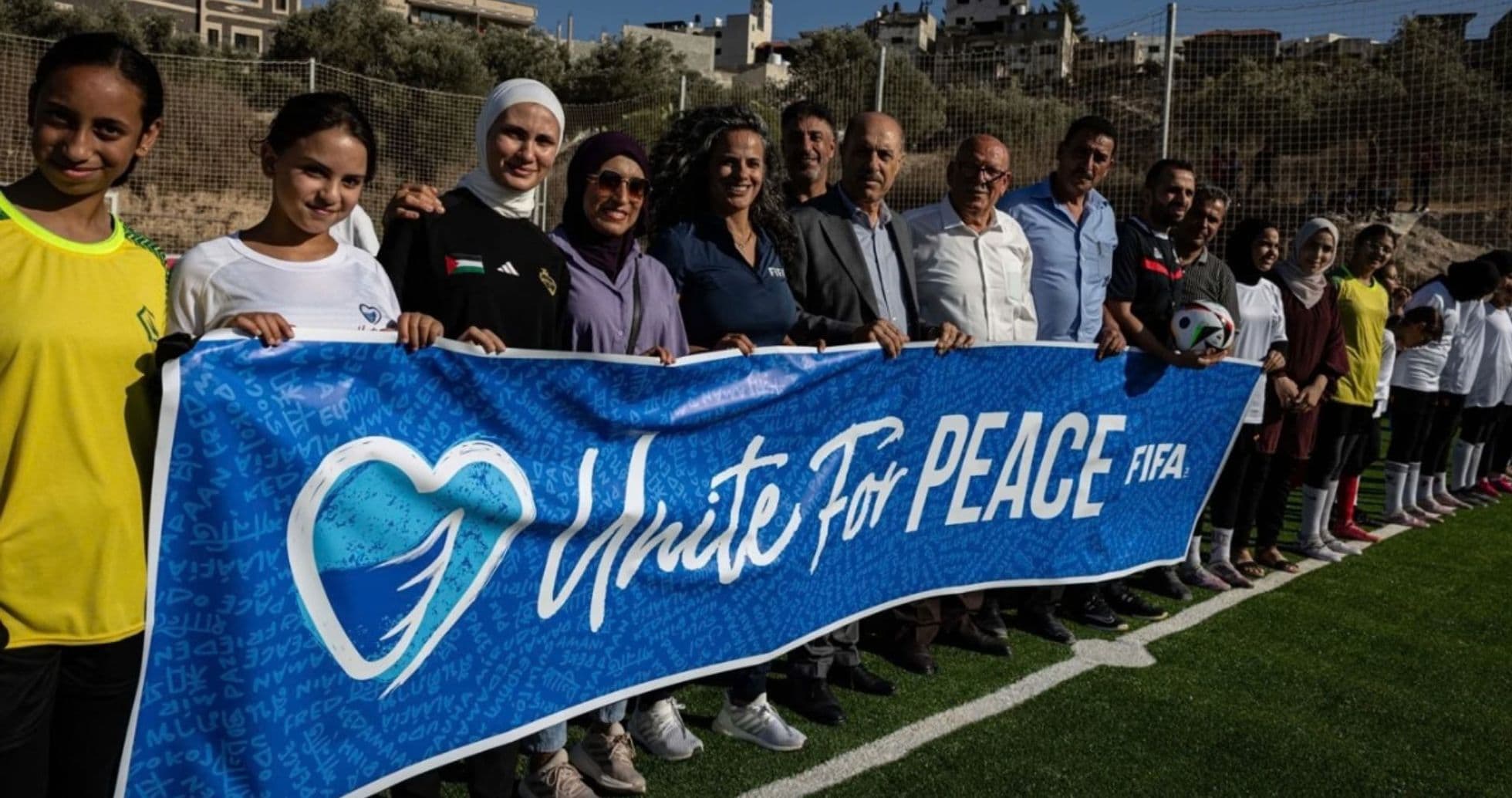
FIFA Opens New Football Arenas in Palestine to Support Youth in the West Bank
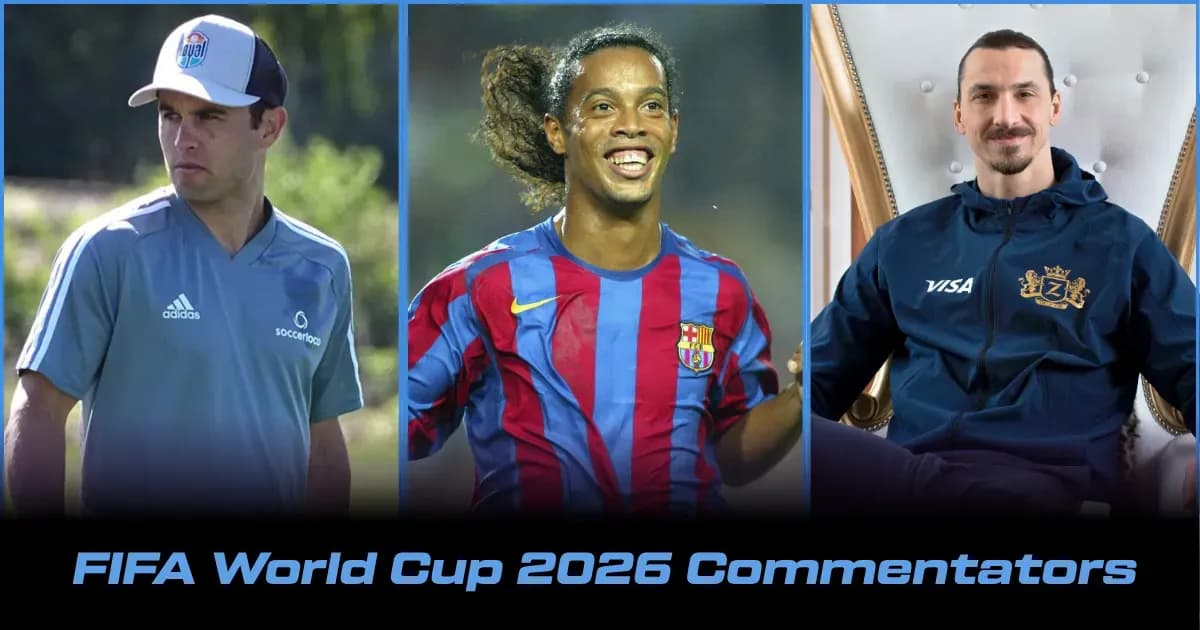
FIFA World Cup 2026: Complete List of Commentators and Presenters
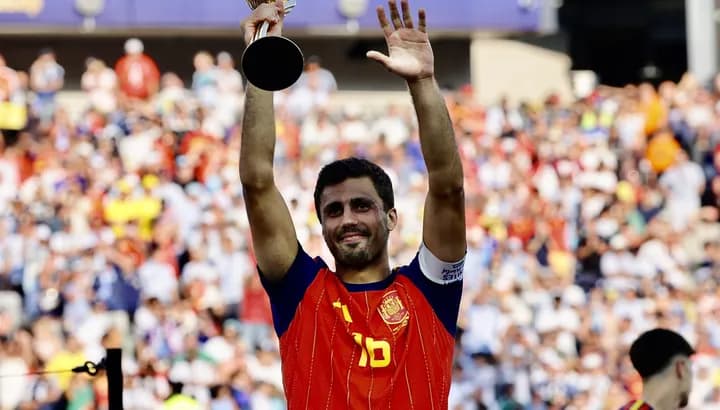
World Cup 2026 Best XI: Messi, Rodri, Mbappe Lead the Team of the Tournament
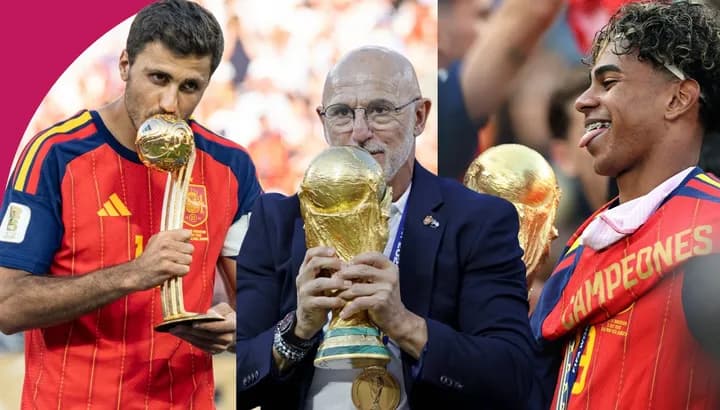
Spain's Tactical Mastery Secures Second World Cup Victory in 2026
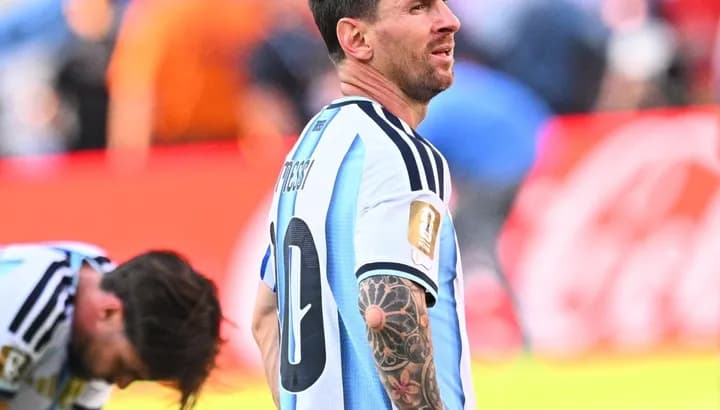
Top 10 Players of the 2026 World Cup: Mbappe or Messi at the Summit?
Gianni Infantino Responds to Critics Amid 2026 World Cup Celebrations