
Tottenham's Bold Transformation: Spending and Selling Like a Heavyweight
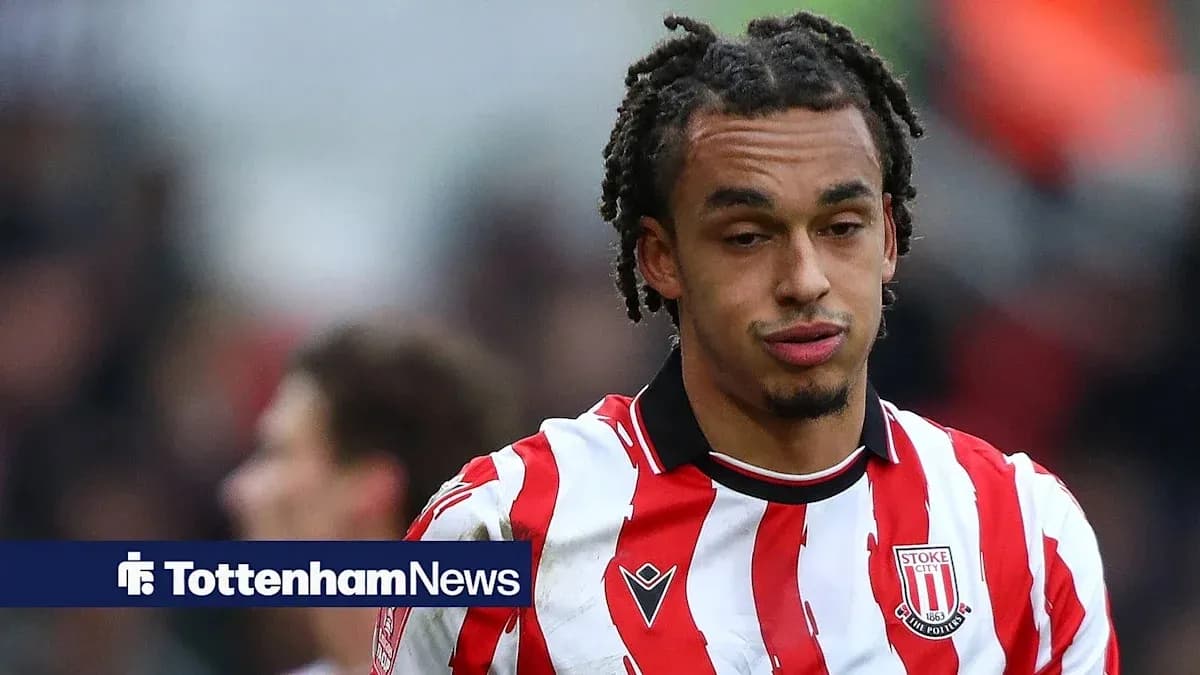
Tottenham finally look like a club that has remembered its own size.
After years of grumbling in North London about a board that talked big and spent small, the brakes have come off. Two consecutive 17th-placed finishes forced the issue; the complacency of survival has been replaced by the urgency of a club staring at its own reflection and not liking what it saw. Roberto De Zerbi has walked into a very different Tottenham, one that is now throwing its weight around in the market.
The numbers tell you the mood. Well over £200million committed. Mateus Fernandes, Sandro Tonali and Jan Paul van Hecke headline a recruitment drive that feels bold rather than scattergun. Then there are the savvy free transfers: Andrew Robertson and Marcos Senesi arriving without fees, the sort of opportunistic business that used to happen elsewhere while Spurs watched on.
But the real twist in this Tottenham story is not who they are buying. It is who they are selling.
For years, Spurs were accused of blinking first in negotiations, of letting players go for less than their worth and then insisting the market was against them. That narrative is starting to fray. This summer, Tottenham are not just spending like a heavyweight; they are dealing like one.
Ashley Phillips is the latest example. As reported by Michael Bridge of Sky Sports, Middlesbrough are in advanced talks over a permanent deal for the defender. Phillips has built his reputation away from the Premier League glare, putting together a string of impressive loan spells in the Championship that have quietly inflated his value.
Tottenham do not need to shout about that. The market has done it for them.
Alan Nixon has previously reported that Spurs want more than £10million to sell. For a player they picked up from Blackburn for around £2m four years ago, and who has not made a single senior appearance for the club, that is a serious margin. It is the kind of upside that top clubs routinely squeeze out of their academy and fringe talent. Tottenham, historically, have not.
And yet, even that potential £10m fee would not be the standout deal with Middlesbrough this summer.
Boro have already paid big for another Spurs prospect, Will Lankshear. The Championship side agreed a package worth up to £20m for the striker, a figure that still looks surreal when you remember he has only six senior appearances for Tottenham to his name. Phillips has none. Between them, they have played less than a handful of games in a Spurs shirt, and yet the club could be banking around £30m, possibly more.
That is not luck. That is a strategy finally aligning with the reality of the modern market.
The contrast with the recent past is stark. This is a club that has spent two years drifting, trapped between ambition and execution, stuck in a cycle of mediocrity that left the fanbase exhausted. The football on the pitch was flat; the business off it, cautious to a fault. Daniel Levy’s reputation as a hard negotiator often felt at odds with the squad’s actual value.
His exit has flipped the script. Tottenham now look prepared to operate like the powerhouse they have long claimed to be. Big outlay on proven and emerging talent. Aggressive stances on valuations. No more cut‑price exits just to clear the books.
The Phillips situation captures the shift perfectly. Once, Spurs might have loaned him out again, kicked the decision down the road, and watched his value plateau. Now, they are ready to cash in at the right moment, confident enough in their pathway and recruitment to move players on when the market is hot.
It is not just about balance sheets or clever deals with Middlesbrough. It is about identity.
Tottenham have spent years hovering between models: part developer club, part nearly-there contender, never fully committing to either. This summer hints at a new version: a side willing to invest heavily in De Zerbi’s vision while simultaneously treating their squad as an asset base to be maximised, not merely managed.
The message is clear. If you want Tottenham’s talent now, you pay for it.
For De Zerbi, that shift could be decisive. He inherits a squad bolstered by serious investment and backed by a club finally behaving like it belongs at the sharp end of the Premier League. The last two seasons have been a warning of what happens when drift is allowed to set in. This window feels like a deliberate attempt to slam that door shut.
The real test, of course, will not come in boardrooms or balance sheets. It will come on cold afternoons and tight games, when those £200m‑plus recruits and the space created by exits like Phillips and Lankshear have to translate into points, performances and a league position that reflects the club’s new intent.
For now, though, Tottenham look different. Sharper. Harder in negotiations. More ruthless with their assets.
After years of hesitation, they are finally acting like a club determined to turn spending power and sales savvy into something more tangible: a way back to the top end of English football.
Related News
Carlos Alcaraz Urges an End to Matches Ending in the Early Hours
Carlos Alcaraz Criticizes Late US Open Finish After 3:30 a.m. Match
Jannik Sinner Set for ATP 500 Return in Beijing with Novak Djokovic Also Competing

Meet Iva Jovic: The American Tennis Prospect Making Waves

Flavio Cobolli Shares Insights on Practice Session with Jannik Sinner Ahead of Comeback

Till vs Romero: Fight Details, Undercard, and Viewing Info for This Weekend