
Tuchel Prepares England for World Cup Semifinal Against Argentina
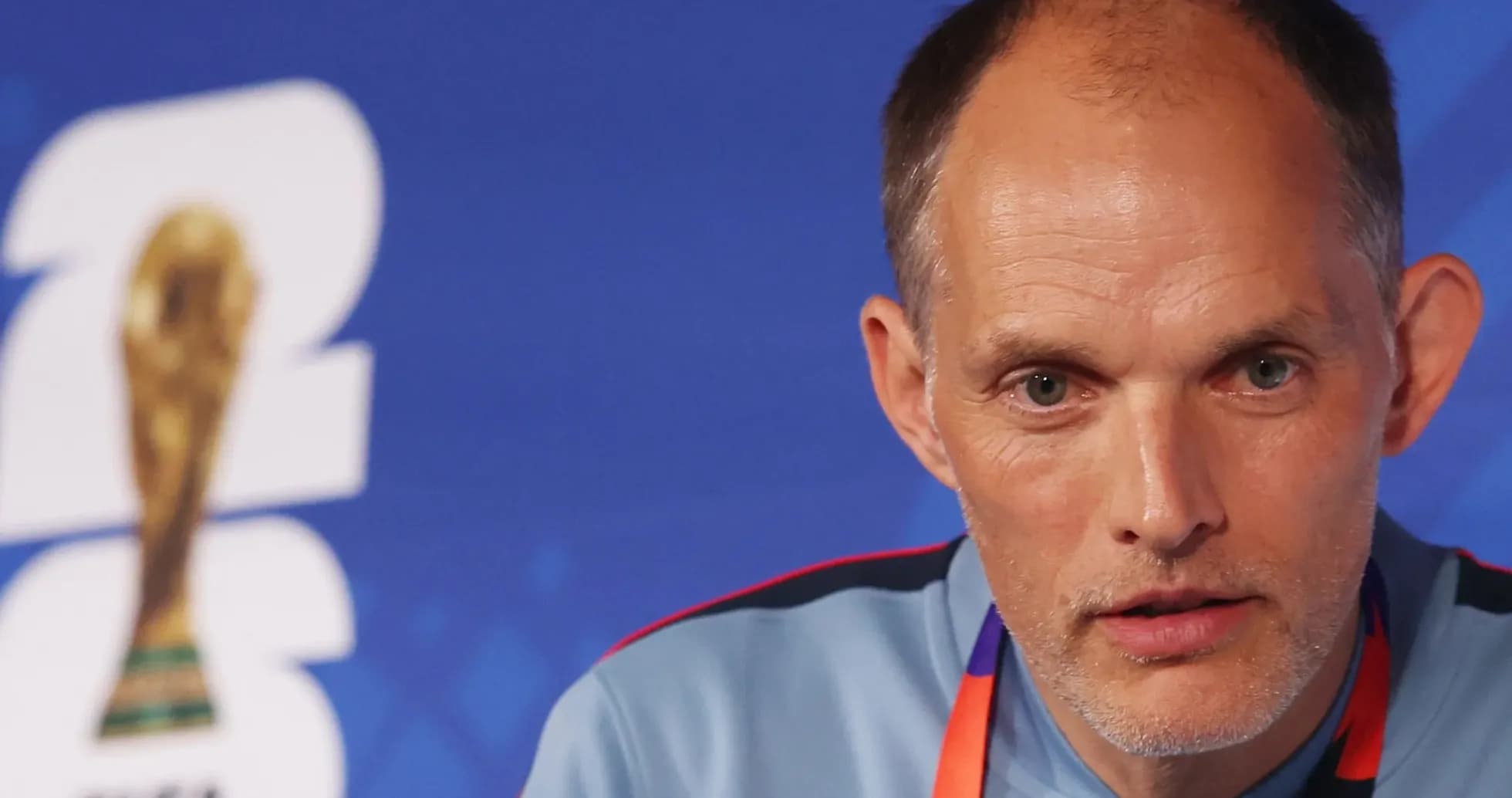
Thomas Tuchel stood in Atlanta and shrugged off 60 years of English longing as if it were just another item on the team sheet.
“I don’t feel a burden,” he said. And he sounded like he meant it.
On Wednesday, England face Argentina in a World Cup semifinal loaded with history, narrative and ghosts. Win, and Tuchel leads the Three Lions to their first World Cup final since 1966. Lose, and another generation adds its name to the long list of nearly-men.
This is no ordinary night. It never is when England meet Argentina.
Tuchel vs History – and Messi
Tuchel has managed Champions League finals, stared down the pressure cookers of Chelsea, Paris Saint-Germain and Bayern Munich. But this is different. This is England, at a World Cup, with Lionel Messi waiting on the other side of the tunnel.
Remarkably, at 39, Messi has never faced England before. Not once. Not in a friendly, not in a World Cup, not in any competition. His first meeting with the Three Lions comes on one of the sport’s biggest stages, with a place in the final at stake.
He arrives in Atlanta with eight goals and a Golden Boot race on his mind, chasing Kylian Mbappé. Tuchel, asked to describe him, simply admitted he had “no words” for the Argentine captain. Sometimes, there is nothing clever to add. Messi has been the story for two decades.
Tuchel knows what stands in front of him.
“You can see the cohesion,” he said of Argentina. “You can see that they are experienced in tournament football. They have the same core group of players who have been together a long time, and they have a very experienced and very, very good head coach,” he added, nodding to Lionel Scaloni.
“We know how big the obstacle is, but we are ready for it.”
Bellingham, Kane and England’s new edge
If Messi is Argentina’s timeless genius, England’s charge has been led by their new and old guard together.
Jude Bellingham, the 23-year-old heartbeat of this side, and captain Harry Kane have each scored six goals at this World Cup. Between them, they have dragged England through tight knockout games against the Democratic Republic of the Congo, Mexico and Norway. None of those matches were straightforward. None of them were supposed to be.
Tuchel doesn’t mind the chaos. He almost expects it.
“It is just my first World Cup as a coach, and it is very rare that you fly through a tournament and everything falls into place from match to match,” he said.
England have not peaked yet, he insists. That line could sound like a cliché. From Tuchel, it feels more like a warning.
“We will prepare for the best version of Argentina – we expect and demand the best of ourselves. We have not peaked yet, but the match will bring the best out of us, and we are excited.”
The mood in camp backs him up. Tuchel spoke of a squad that is “really competitive, hungry and excited” to play this match. He talked about nerves, yes, but only as a natural current that runs under any game of this size.
He has his players, almost all of them, available. Declan Rice has recovered from illness and trained on the eve of the game. The only absentee is Jarell Quansah, still suspended after his red card in the last-16 win over Mexico.
The shirts, the scars, the rivalry
Tuchel tried, at least in public, to strip away the emotion of England vs Argentina. But some fixtures refuse to be neutralised.
“The two shirts are just iconic,” he admitted. “There are historic matches, iconic moments, and everyone recognises the shirts and players straight away.”
Everyone also recognises the scars.
England and Argentina have met five times at World Cups, but two encounters tower over the rest. The 1986 quarterfinal in Mexico City, when Diego Maradona scored twice – once with the infamous “Hand of God”, once with one of the greatest goals the sport has ever seen – carved itself into English football’s psyche.
Twelve years later, at France 98, David Beckham’s petulant kick at Diego Simeone and the subsequent red card left England to lose on penalties, another chapter in a familiar script.
Tuchel knows all of this. He just refuses to use it as fuel.
“I think the players of both countries are very aware of what it means to them – if a fixture provides so many iconic moments, then you cannot say it is just another football match,” he said. “But as a coach we do exactly that, focus on what we can influence.”
He will not lean on revenge narratives or old wounds. Not publicly, at least.
“We know why we are here, we know what we want, we were never shy of expecting that from ourselves, and of saying it or of dreaming it. We are in the semifinals, and we arrive very hungry.”
A semifinal loaded with weight
Both sides have stumbled at times on their way to Atlanta. Argentina have laboured through spells of this tournament, grinding rather than gliding into the last four. England’s path has been just as uneven, their knockout matches tense and often scrappy.
Yet here they both are, two of the sport’s great heavyweight shirts, one win from the final.
Tuchel insists he does not feel the weight of England’s 60-year wait for a major trophy, stretching back to that 1966 World Cup win on home soil. He treats it as context, not a curse.
“We feel the tension and will be nervous, but that is normal,” he said.
Normal, perhaps, for him. For a country that has carried its footballing history like a permanent shadow, this feels anything but.
Messi, still chasing one more piece of immortality. England, still chasing the feeling of 1966. Tuchel, in his first World Cup as a coach, standing between them.
One of these stories has to break.
Related News
India's Record Chase of 406 Against West Indies Highlighted by Gill's 223 and Rohit's Century
Alex Pereira Hints at Major UFC Bout: 'Big Challenge' Ahead
Three Hall of Famers, Ten Fights, 109 Rounds: The Forgotten Rivalry That Shaped Lightweight Boxing's Golden Era
Khamzat Chimaev and Colby Covington Set for RAF Abu Dhabi Title Clash in November
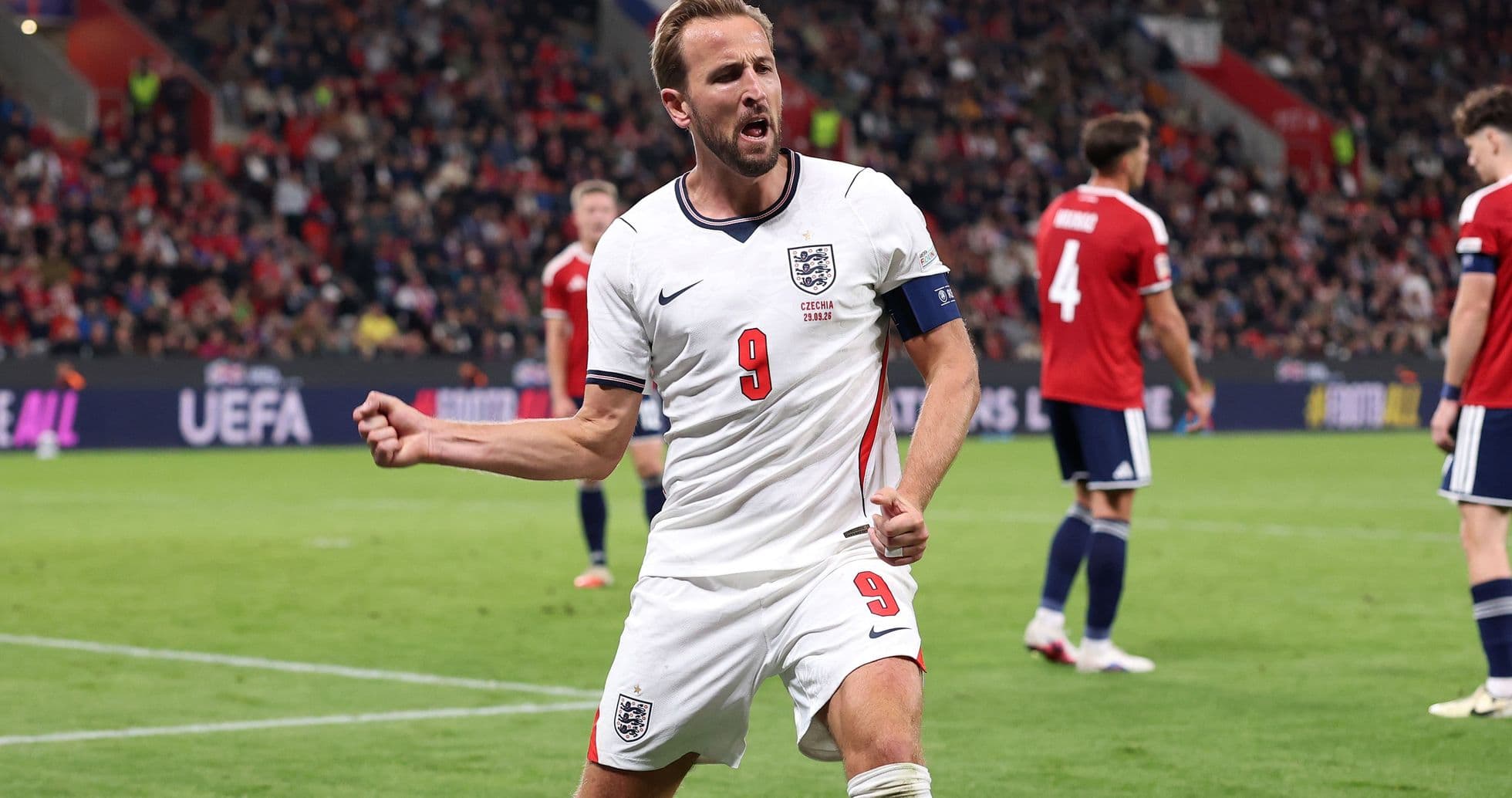
Thomas Tuchel Confident Harry Kane Will Join 100-Goal Club for England Soon
Cristiano Ronaldo Vows to Reveal Truth After Leaving Portugal Squad Amid Conflict