
UEFA Champions League Final: Paris Saint Germain vs Arsenal Preview
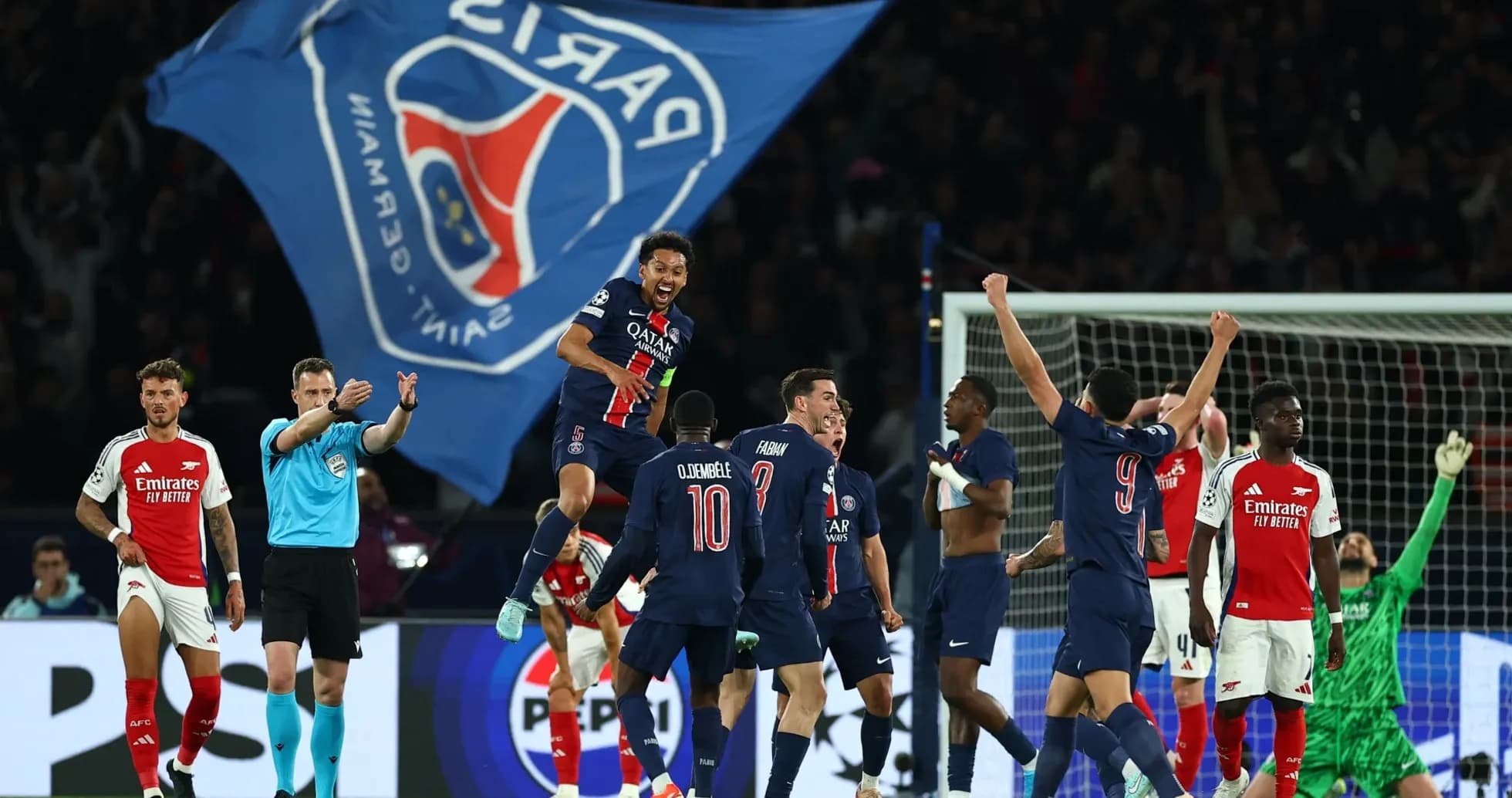
On 30 May 2026, under the steel arches of the Puskas Arena in Budapest, Paris Saint Germain and Arsenal walk into a UEFA Champions League final that feels like a referendum on two projects at their peak. Paris Saint Germain arrive as a high-octane, free-scoring force trying to turn continental consistency into the ultimate prize, while Arsenal come in as the competition’s most efficient machine, chasing a perfect campaign and the club’s first modern European crown.
Season Context
For Paris Saint Germain, this Champions League run has been built on firepower and volatility. They have taken 14 points from 8 matches, scoring 21 goals and conceding 11. Sitting in a zone marked as “Promotion - Champions League (Play Offs: 1/16-finals)”, they have already navigated the minefield of knockout football, but their balance between attack and defence (21 goals for, 11 against) underlines both their threat and their vulnerability.
Arsenal arrive in Budapest as the competition’s benchmark. They top the standings with 24 points from 8 games, having won every single one. Their numbers are those of a complete side: 23 goals scored and only 4 conceded, with a goal difference of 19 that reflects control in both boxes (23 GF, 4 GA). With their status listed as “Promotion - Champions League (Play Offs: 1/8-finals)”, they have stepped up at every stage and now stand one win from a flawless European journey.
Form & Momentum
Paris Saint Germain’s recent form line of DLDWL hints at inconsistency, and the underlying numbers back that up (14 points, 21 goals scored and 11 conceded in 8 games). They are exhilarating going forward, averaging roughly 2.6 goals per match (21 goals in 8 games), but that comes with a defence that allows about 1.4 goals per outing (11 conceded in 8), making them simultaneously dangerous and exposed (21 GF, 11 GA).
Arsenal’s form string of WWWWW is the definition of relentless momentum, supported by their perfect 8 wins from 8 and a defensive record that borders on perfection (only 4 goals conceded in 8 games). They combine efficiency in attack with control at the back, averaging about 2.9 goals scored per game (23 in 8) while conceding just 0.5 on average (4 in 8), which justifies describing them as both ruthless and secure (goal difference +19).
Head-to-Head Patterns
Recent history between these sides in the UEFA Champions League has been finely poised and fiercely contested. On 7 May 2025, Paris Saint Germain edged Arsenal 2-1 at Parc des Princes (UEFA Champions League, season 2024, May 2025), a semi-final clash where the French side protected a narrow lead to advance. Just days earlier, on 29 April 2025, Paris Saint Germain had also won 1-0 at Emirates Stadium (UEFA Champions League, season 2024, April 2025), showcasing their ability to manage an away tie with clinical precision. However, on 1 October 2024 at Emirates Stadium, Arsenal had imposed themselves with a 2-0 home victory (UEFA Champions League, season 2024, October 2024), a reminder that the English side can dictate the terms when they find their rhythm.
Tactical Preview
Paris Saint Germain are built around a 4-3-3 that has been used 16 times, a structure that maximises their attacking talent and fluidity. The numbers show a side that thrives in open games, with 44 goals scored across their wider Champions League sample and an average of 2.8 goals per match, which dovetails with their standings profile of 21 goals in 8 games. K. Kvaratskhelia is central to this approach: as an attacker with 10 goals and 6 assists in 15 appearances, plus 30 shots (18 on target) and 51 dribble attempts (29 successful), he is the creative and goalscoring hub. O. Dembélé adds another sharp edge with 7 goals and 2 assists in 12 games, while D. Doué’s blend of 5 goals and 4 assists, along with 50 dribble attempts and 23 successful, gives Paris Saint Germain multiple one‑v‑one threats. Behind them, Vitinha’s presence as a midfielder with 6 goals, 1 assist, 1,553 completed passes at 93% accuracy and 25 tackles allows Paris Saint Germain to sustain pressure and recycle possession high up the pitch.
Defensively, Paris Saint Germain’s broader statistics (22 goals conceded in 16 games) and the standings figure of 11 conceded in 8 underline that they can be opened up, especially when their full-backs push on. A. Hakimi, a defender with 6 assists and 793 passes at 89% accuracy, embodies that risk‑reward dynamic: his forward surges are a major weapon but also leave space for transitions. The disciplinary record of players like I. Zabarnyi, who has received one red card, and L. Hernández, who also has one red card, hints at a back line that can be stretched into last‑ditch defending.
Arsenal, by contrast, have alternated between 4-3-3 (9 times) and 4-2-3-1 (5 times), systems that both rest on a secure defensive base and a compact midfield. Their broader Champions League metrics show 29 goals scored and only 6 conceded in 14 matches, which aligns with the elite balance in their standings numbers (23 GF, 4 GA in 8 games). In attack, Gabriel Martinelli has been a key figure, with 6 goals and 2 assists in 13 appearances, supported by 17 shots and 16 key passes, making him a dual threat as scorer and creator. Around him, the presence of attacking options like Gabriel Jesus, B. Saka and K. Havertz in the squad list underlines the variety of profiles Arsenal can deploy in the front line, even if their individual Champions League stats are not detailed here.
In midfield, Martín Zubimendi offers steel and structure. As a midfielder with 4 yellow cards, 14 tackles and 10 interceptions in 12 appearances, plus 633 passes at 87% accuracy, he anchors Arsenal’s pressing and screening game, which is reflected in their miserly concession of only 4 goals in 8 matches. This defensive platform allows Arsenal to compress the pitch, dominate second balls and protect their back four, where defenders such as W. Saliba and Gabriel Magalhães appear in the squad list as the likely beneficiaries of that shield. Overall, Arsenal’s tactical identity is one of control and compactness (6 goals conceded in 14 in the wider stats), while Paris Saint Germain lean into chaos and attacking volume (44 goals scored in their broader sample).
Statistical Snapshot
- Competition: UEFA Champions League, season 2025 — 30 May 2026.
- Venue: Puskas Arena, Budapest.
- Prediction: Win or draw — Double chance : draw or Arsenal.
- Win Probabilities: Home 10% / Draw 45% / Away 45%.
- Model: Paris Saint Germain 42.0% — Arsenal 58.2%.
Betting Verdict
The prediction model leans towards Arsenal avoiding defeat, and the underlying numbers support that stance: they have 24 points from 8 games with only 4 goals conceded, while Paris Saint Germain’s more open profile (21 goals for, 11 against in 8) suggests greater volatility. With bookmakers generally pricing Paris Saint Germain as slight favourites at around 2.30 for the home win and Arsenal around 3.10–3.20, the value appears to lie with the visitors on the “Double chance : draw or Arsenal” angle. Recent head-to-head clashes show that both sides can win big nights, but Arsenal’s current defensive strength and perfect form (WWWWW) make the conservative pro‑Arsenal position a justified betting call. A tight, tactical final where Arsenal’s structure seeks to contain Paris Saint Germain’s individual brilliance fits both the data and the market.
Related News

Luis Díaz Confident Bayern Munich Can Win Champions League

AFC Champions League Matchday One: Insights and Team Strategies

Vincent Kompany’s Bayern Munich Future Not Tied Solely to Champions League Success
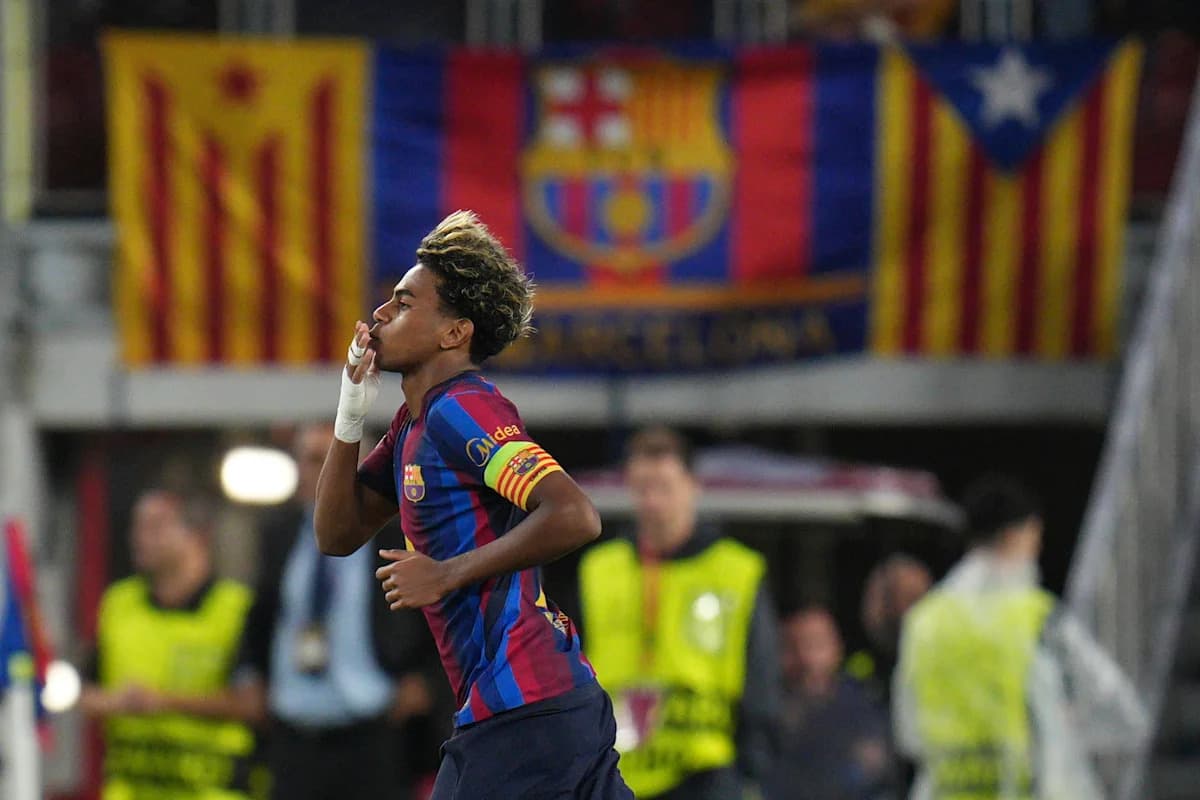
Barcelona’s Camp Nou to Host 2029 Champions League Final, Munich Confirmed for 2028
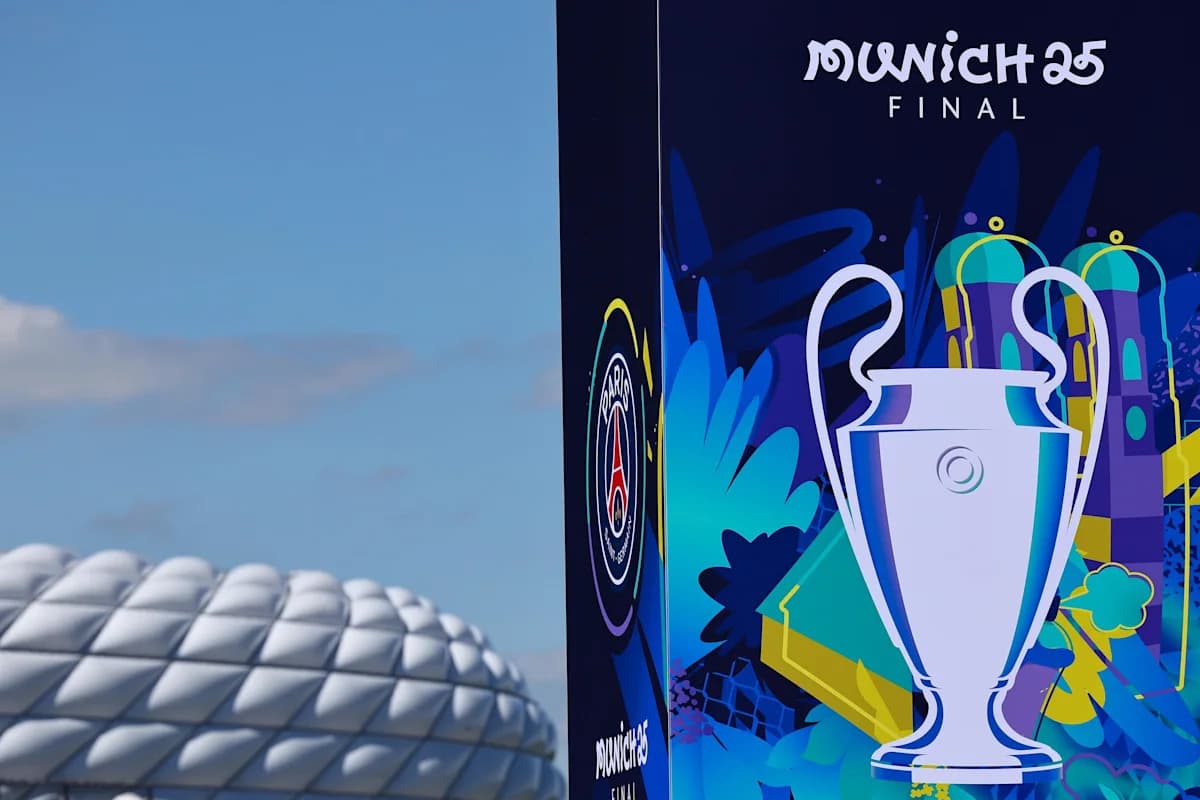
Bayern Munich's Allianz Arena Set to Host 2028 Champions League Final
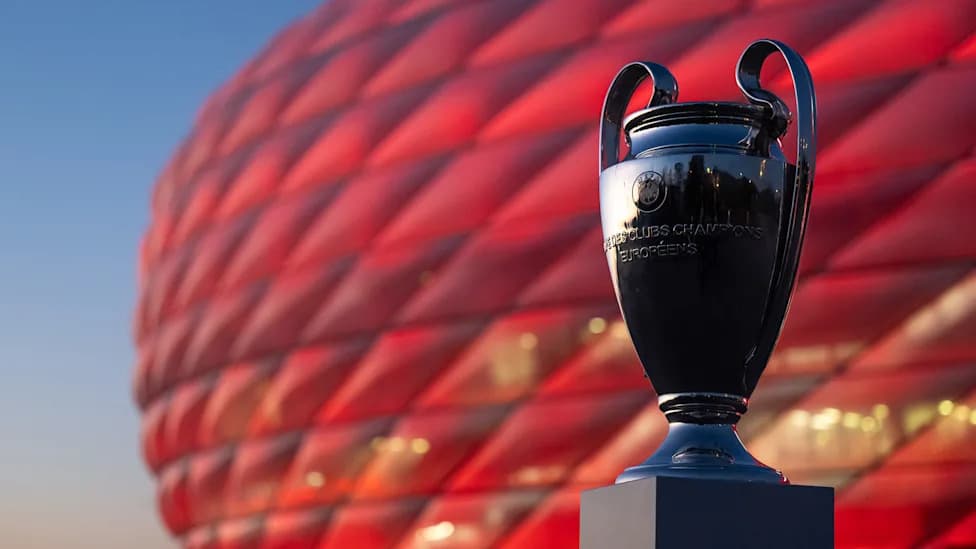
Allianz Arena to Host 2028 Champions League Final for Third Time