
Unai Emery's Aston Villa: Navigating Early Season Challenges
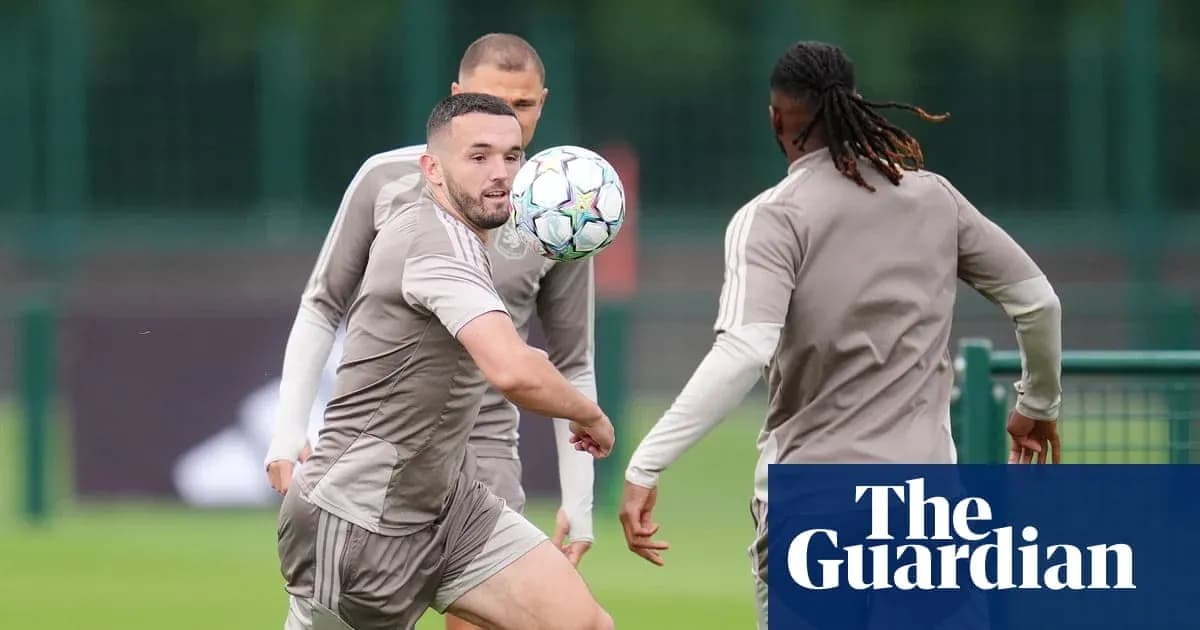
Unai Emery paced and prowled the touchline at Hull, as he always does, booting every imaginary ball. Inside, though, nothing has shifted. No panic. No fluster. Just the same cold, precise conviction that has dragged Aston Villa into the elite.
His players know the other version of him – the one behind closed doors. The one who is often harsher after a win than a defeat. John McGinn once told of a rare moment when Emery snapped at half-time, not because Villa were poor, but because he caught his captain tearing strips off team‑mates. To Emery, that was wasted energy. Anger without solutions. Emotion over control.
He has seen this movie before.
Last season, Villa were bottom and pointless at this stage of the Premier League, still 157 minutes from their first goal. They ended it as Champions League qualifiers again. By comparison, a goalless draw at Hull and a blunt start feel more like a slow burn than a crisis.
The performance on Saturday hardly crackled, yet there were enough hints to explain why Emery talks about “confidence” rather than concern. For a man who has already delivered the club’s most sustained period of success in recent memory, his words carry weight.
“When we started the project here, the ambition we had, it was [not even] in our highest expectations to be in Europe four years in a row,” he said. “It was very difficult when we started working together but it was the ambition of the owner. We set our standards high with the players to be there and we are. Now is the moment to remember how we got here and the way we did. Now it is a different moment and chapter.”
Europe, the familiar spark
Emery’s response to turbulence is always the same: double down on the work. Strip away noise, sharpen the details, go again.
Last season, Villa did not win a game in any competition until their seventh outing. The breakthrough came in the Europa League, McGinn scoring the only goal against Bologna. That morning, the players reported as usual for one of Emery’s forensic analysis meetings around 11.30am. They know the routine so well now that McGinn jokes they “walk in like robots”.
The manager freezes the screen, rewinds, drags players two yards left, three yards right. He obsesses over distances, body shape, passing angles. Jhon Durán – now at Benfica via Al‑Nassr, Fenerbahce and Zenit St Petersburg – is remembered at Villa for one thing above all: he is the only player who has ever asked to leave mid‑meeting.
On Tuesday, Villa face Club Brugge for the fourth time in two years. It is a tie that already feels oddly familiar, yet it might again be the night Europe shakes them awake.
After that Bologna win last September, Villa ripped through 19 games with 17 victories. Half of the 14 players involved that night have since moved on, but one who remains, Emiliano Buendía, believes the pattern can repeat with a remodelled squad.
“It has not been the start we wanted, but we are trying to take the positive things from every match,” said the Argentinian, who has started all four Villa games this season. “We will try to change this momentum in terms of results and try to get our confidence back to perform well and [achieve] the results we want.”
Another Champions League campaign, built on last season’s Europa League triumph, underlines the scale of Emery’s work. Four straight years in Europe was not on any realistic blueprint when he walked through the door. Now it frames everything Villa do, from the way supporters will roam the cobbles of Bruges this week to how they will plot their November trip to Barcelona.
Emery, crucially, still relishes it. The grind, the scrutiny, the constant tweaking. At Bodymoor Heath, he occasionally resets with a short siesta. “Sometimes I need a good nap, after intensive work in the morning,” he said with a smile. The rest of the time, he hardly stops.
Green shoots in a grey start
Strip the table away and the numbers are stark. George Hemmings’s 13th‑minute shot at Hull remains Villa’s only effort on target this season. For a side that bullied defences across Europe last year, that is jarring.
Yet even in that statistic, there is a glimpse of what might come. Hemmings, 19, joined from Nottingham Forest at 16 and is now nudging his way into Emery’s plans. It was the teenager who slipped the pass that gave Buendía a golden chance at the MKM Stadium. The finish was missing; the pattern was not.
The temptation is to dwell on the bluntness, but that would ignore the broader picture. Less than a month ago, Villa pushed Paris Saint‑Germain hard in the Super Cup, a game Emery still frames as a marker against “the best team on the planet”. They lost, yet left Salzburg with credit and, since then, have only strengthened the squad.
Among 11 summer arrivals, Ibrahim Mbaye stands out as one of the most intriguing. The 18‑year‑old, on the bench for PSG in Salzburg, did not get on, but his presence there hints at his ceiling. Johan Manzambi, another summer signing, is edging back from a knee injury and could be involved as early as Saturday against Nottingham Forest.
At Hull, only two of the new faces – goalkeeper Zion Suzuki and forward Nicolas Jackson – started. Matteo Ruggeri, Aaron Wan‑Bissaka and Alejandro Garnacho all came from the bench. Taylor Harwood‑Bellis, a £25m signing left out of the Champions League squad, watched on. João Gomes’s debut ended with a red card. Leon Goretzka, brought in on a free after leaving Bayern Munich, will not be seen until at least October because of a knee setback.
It looks messy from a distance. Inside, it fits Emery’s pattern.
The slow burn of a rebuild
He rarely hurls new signings straight into the fire. Youri Tielemans is the clearest example. The Belgian waited four months for his first Villa start, then became one of Emery’s non‑negotiables. The manager tests players, stretches them, makes them live his details before trusting them with his system.
He demands a lot from them. More from himself.
“In football, if you are expecting transition, maybe you are not in the right way,” he said last month. That is Emery in a sentence: no soft landings, no acceptance of drift. “We have to rebuild the team as fast as possible. I don’t know if we need time or not. We are progressing – still not enough because we are not getting good results – but tomorrow is a new test in Europe.”
So it comes back to Bruges. To a familiar opponent, a familiar stage, and an unfamiliar league position for a side that has grown used to looking upwards.
Last year, Europe lit the fuse on Villa’s season. The question now is simple: can it do it again?
Related News

Transfer Buzz: Haaland's Two Paths; Real Madrid Eyes £75M Premier League Star
Manchester United Targets Premier League Striker Jean-Philippe Mateta for January Reinforcement

Liverpool Eyes 17-Year-Old Mexican Midfielder Gilberto Mora for Summer Transfer
Summer Transfer Window 2026: Manchester United and Tottenham Miss the Mark
Liverpool Maintains Interest in Real Madrid Midfielder Despite Transfer Challenges

Barcelona Watches as Estevao Grows Frustrated with Chelsea Role Under Xabi Alonso