
The Unexpected Thrills of the 2026 World Cup
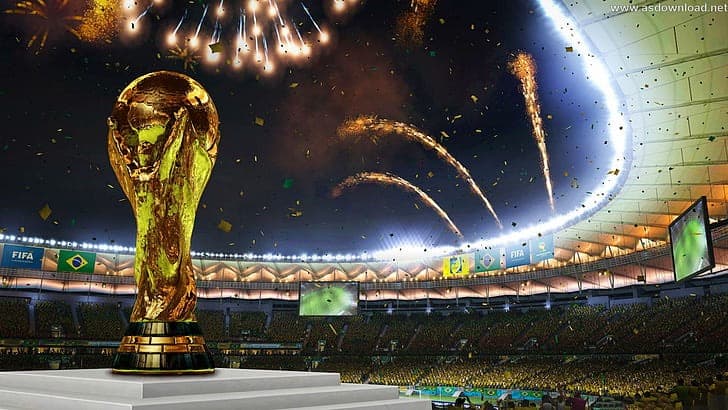
When FIFA revealed the expansion of the World Cup to 48 teams, many greeted the news with doubt. Concerns centered on the group stage becoming tedious and the overall football quality dropping. Yet, as matches unfold across the United States, Canada, and Mexico, this larger format has brought a fresh wave of surprises and excitement.
If the 2022 tournament in Qatar felt like a predictable march for the usual favorites, this summer’s event rejects that pattern completely. Traditional powerhouses find their reputations matter less, and that unpredictability adds real intensity to the knockout rounds.
Underdogs Seizing Their Moment
With more teams, the usual seeding loses some of its grip. Big-name squads expected an easy ride through expanded early stages but instead faced well-prepared opponents using diverse tactics. Teams that have quietly built strong units away from the spotlight now capitalize on any sign of arrogance.
Brazil’s early exit stands out. Boasting players rich in Champions League experience, they were knocked out in the Round of 16 after a 2-1 loss to Norway in New Jersey. Norway’s aggressive pressing, led by Erling Haaland, overwhelmed Brazil’s defense.
Germany’s departure showed a different story. In Boston, Paraguay, despite a rough start with a 4-1 loss to the USA, held firm defensively against Germany. Their disciplined approach dragged the four-time champions to penalties, where Paraguay triumphed 4-3, proving a stubborn defense remains a powerful weapon.
Cape Verde captured hearts as the tournament's true underdog story. With just over half a million people, they held Spain to a goalless draw and pushed reigning champs Argentina to extra time in the Round of 32. Their narrow 3-2 defeat underscored why this expanded format works—it offers smaller nations a genuine shot at upsetting the established order.
A Grueling Test of Endurance
The jump to 48 teams has transformed the tournament’s physical demands. The older 32-team setup allowed elites to rest during group play, but the new Round of 32 extends the journey, forcing top teams into a punishing schedule.
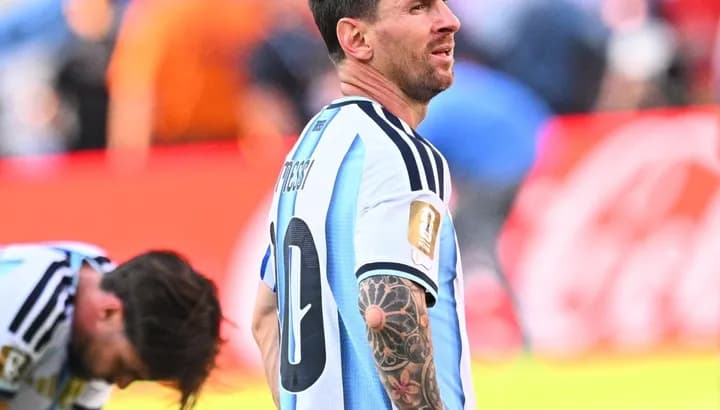
Argentina’s match against Egypt in Atlanta showcased this toll. Egypt stunned with a two-goal lead, while Argentina looked drained and slow, highlighted by Lionel Messi missing a first-half penalty saved by Mostafa Shobeir. Tactical tweaks from coach Lionel Scaloni sparked a late 3-2 comeback, but it seemed more about survival than dominance. This format turns knockout football into a battle of stamina as much as skill.
Still Standing: The Powerhouses
Despite chaos caused by the expanded field, major teams haven’t vanished. France has sailed through with ruthless precision, reminding everyone why they're favorites. Spain and Argentina also advanced safely, keeping the traditional elite firmly present. Yet, looking at the quarter-finals, surprising names stand alongside these giants.
Betting odds reflect this dynamic. Didier Deschamps’ French team leads predictions to claim the trophy, trailed by Spain and Argentina. England, under Thomas Tuchel, also remains favored despite a tough defensive battle against Mexico. According to World Cup odds at NetBet, expectations are for familiar faces to prevail, with outsiders like Norway and Morocco seen as long shots.
A Balance Between Tradition and Surprise
The 2026 World Cup has found a middle ground. The big teams remain central but face serious challenges from unexpected competitors like Cape Verde, Paraguay, and Egypt. This mix makes each match unpredictable and compelling. History and reputation matter little once play begins, making every whistle a moment full of possibility.
Related News

FIFA Opens New Football Arenas in Palestine to Support Youth in the West Bank
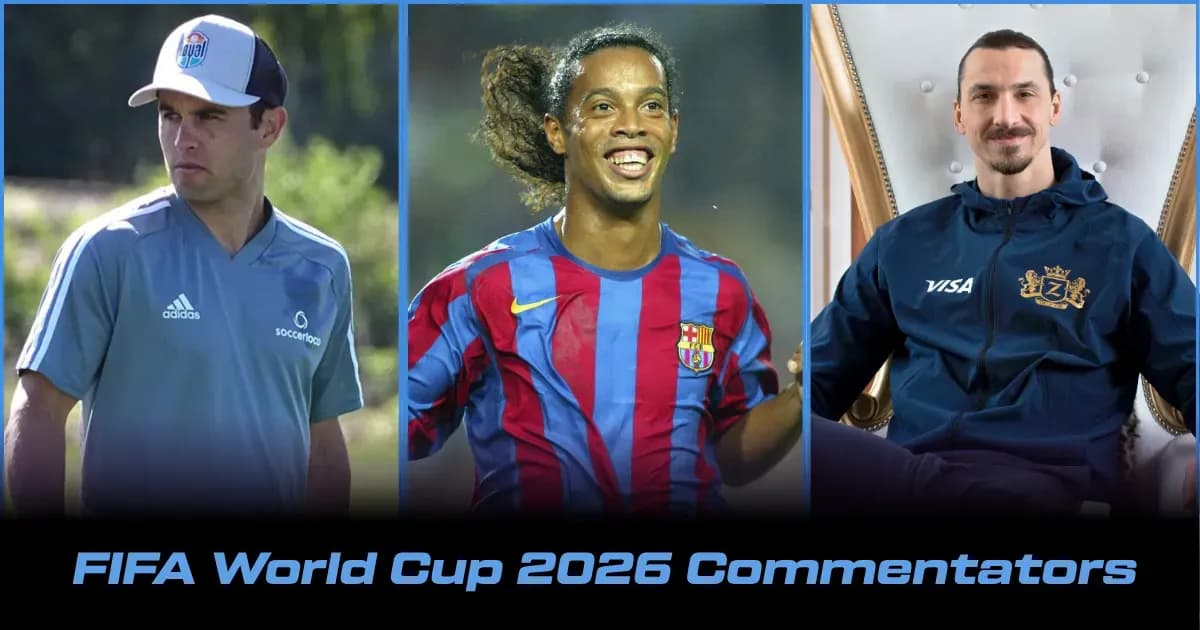
FIFA World Cup 2026: Complete List of Commentators and Presenters
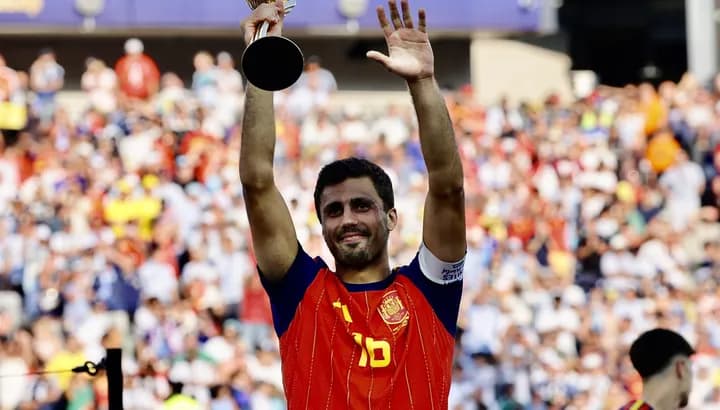
World Cup 2026 Best XI: Messi, Rodri, Mbappe Lead the Team of the Tournament
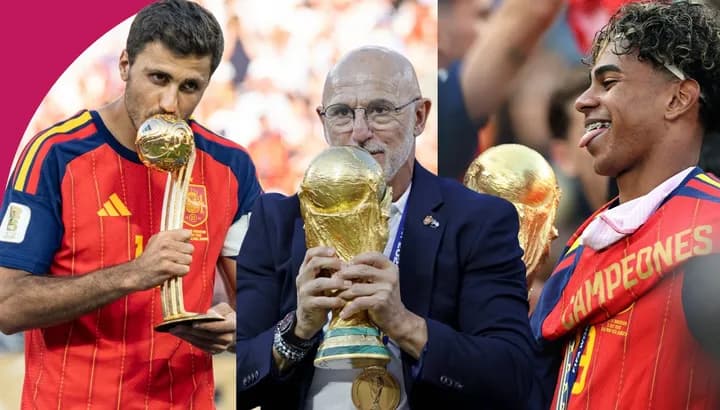
Spain's Tactical Mastery Secures Second World Cup Victory in 2026
Top 10 Players of the 2026 World Cup: Mbappe or Messi at the Summit?
Gianni Infantino Responds to Critics Amid 2026 World Cup Celebrations