
Universitatea Cluj vs Dynamo Kyiv: Tactical Analysis of Europa League Qualifier
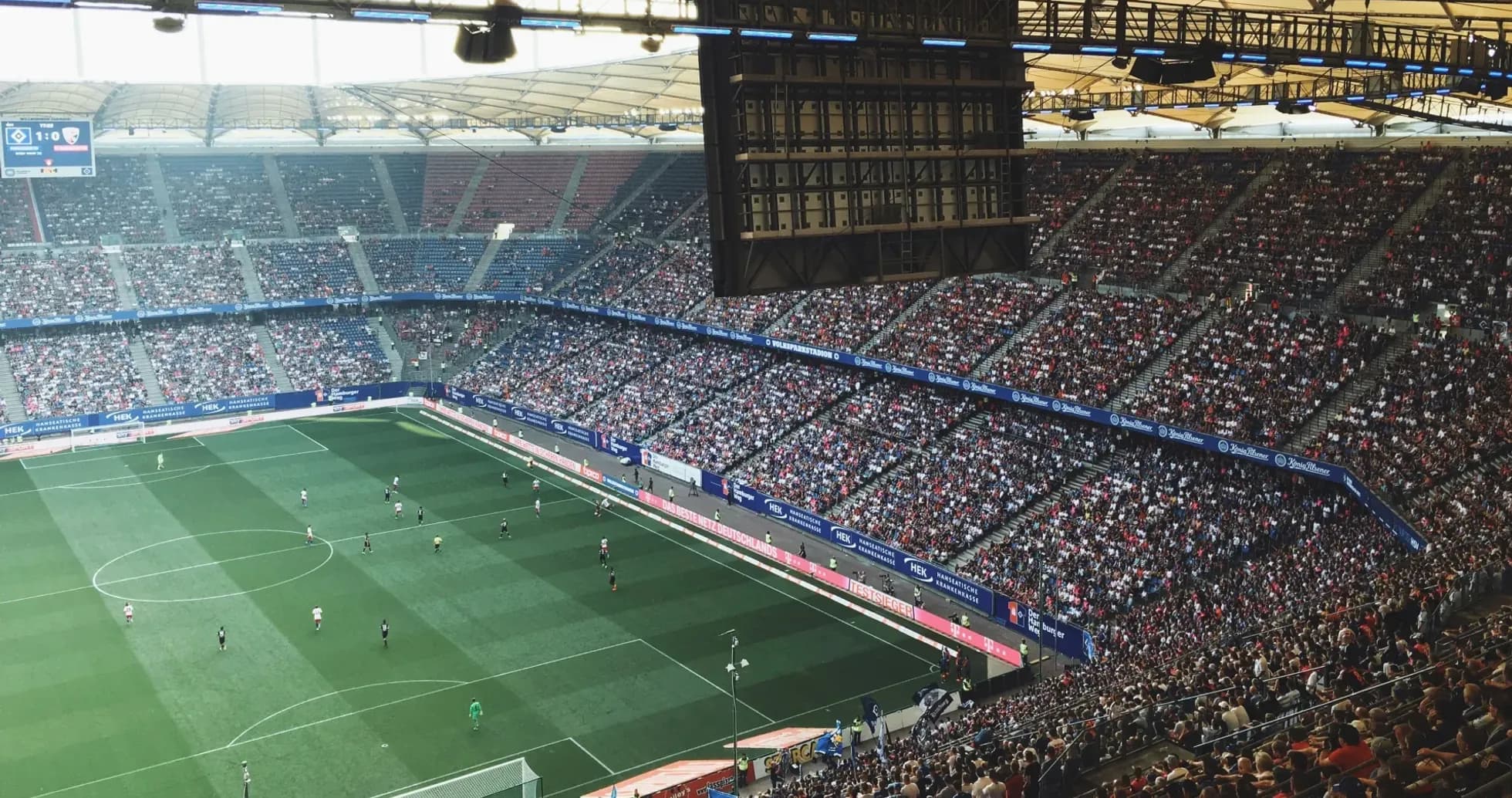
Universitatea Cluj’s 4-2-3-1 against Dynamo Kyiv’s 4-3-3 produced a tactically tight, low-margin Europa League qualifier at Cluj Arena, where structure and discipline outweighed risk until the tie was finally decided on penalties. Across 120 minutes, the pattern was clear: Dynamo imposed more volume and territorial pressure, while Cluj built a compact, reactive block and tried to maximise transitions and set plays.
Cristiano Bergodi’s Universitatea Cluj used a double pivot in front of the back four to stabilise the central lane. With L. Cristea and A. Chipciu in the defensive line and O. Bic and Pedro Pinho operating higher, the 4-2-3-1 often flattened into a 4-4-1-1 without the ball. The three yellow cards and 18 fouls underline a strategy based on disrupting Dynamo’s rhythm rather than contesting prolonged possession phases. The absence of any possession or passing data reinforces the impression of a team content to defend deeper and choose its pressing moments selectively, rather than build systematically from the back.
In goal, N. Michail (Universitatea Cluj) was central to that plan’s success. He faced 22 total shots and 7 shots on goal, making 7 saves. That clean sheet over 120 minutes, against a side that generated double the shot volume (22 vs 11), is the clearest tactical dividend of Cluj’s conservative approach: they allowed attempts, but protected the most dangerous zones well enough that their goalkeeper could see and deal with efforts as they came. The 5 blocked shots from Cluj’s defenders and midfielders show how aggressively the back four and double pivot stepped out to meet shooters on the edge of the box, compressing space just before the final action.
With the ball, Cluj’s 11 total shots and 3 on goal, plus 6 corners, suggest a game plan built around quick surges and dead-ball routines rather than sustained pressure. The single offside indicates that their forwards, O. Mendy and I. Macalou, rarely played on the shoulder in high defensive lines; instead, they dropped or ran channels to relieve pressure and draw fouls. Substitutions such as A. Aliev for M. Stefanescu and A. Friday for O. Mendy point to Bergodi refreshing energy in the wide and forward zones to keep counter-attacking threats alive into extra time, without changing the underlying structure.
Dynamo Kyiv's Approach
Igor Kostyuk’s Dynamo Kyiv, by contrast, used their 4-3-3 to stretch the pitch horizontally and pin Cluj back. With a back four of T. Kedziora, K. Bilovar, T. Mykhavko and V. Dubinchak, and a midfield trio of O. Pikhalyonok, V. Brazhko and M. Shaparenko (later supplemented by V. Buyalskyy and Justin Lonwijk), Dynamo created the platform to dominate shot volume: 22 total shots, 7 on goal, and only 4 blocked. That lower blocked-shot figure compared with Cluj’s 5 reflects a side that more often managed to work shooting positions with a cleaner sight of goal, even if they could not convert.
R. Neshcheret (Dynamo Kyiv) had a quieter but still significant evening, making 3 saves from Cluj’s 3 shots on target. His contribution was about maintaining concentration in a match where his team were more often on the front foot but always at risk from a single counter or set piece. The fact that both teams finished with clean sheets despite a combined 33 shots underlines that both goalkeepers, within their respective tactical contexts, executed well.
Dynamo’s 16 fouls and 3 yellow cards show a side prepared to counter-press aggressively when possession was lost. The midfielders and full-backs stepped high to trap Cluj’s outlets, which is consistent with the low offside count for Cluj and the higher offside number for Dynamo (4): Kyiv’s front three and advanced midfielders repeatedly tried to exploit the last line and were caught several times. This offside pattern is typical of a team trying to break a compact block with runs in behind rather than relying solely on intricate combination play in front of it.
Set Pieces and Tactical Changes
Set pieces formed a subtle but important tactical battleground. Cluj’s 6 corners to Dynamo’s 2 highlight how the hosts managed to convert sporadic attacks into repeatable restart situations. Given their underdog status and defensive posture, this was a rational way to chase a decisive moment without opening the game up. Dynamo, despite more open-play pressure, generated fewer corners, suggesting that many of their attacks ended in shots from central or half-space zones rather than forced clearances behind.
The substitutions from Kostyuk further underline a search for attacking variety rather than structural change. Introducing V. Buyalskyy, A. Yarmolenko, S. Ogundana, J. Lonwijk and N. Malysh across the second half and extra time cycled fresh legs and different profiles into the same 4-3-3 framework. The late change of V. Dubinchak, for example, maintained width and crossing potential from full-back, while keeping the back four intact. The tactical idea remained: keep Cluj pinned, recycle possession around their block, and rely on accumulated pressure to create the decisive chance that never quite arrived.
Statistically, Dynamo’s superiority in shots (22 vs 11), shots on goal (7 vs 3) and lower foul count (16 vs 18) points to better overall form in terms of territorial control and attacking initiative. Cluj’s higher blocked-shot tally and greater corner count, combined with the perfect save record from N. Michail (Universitatea Cluj), reflect a strong defensive index: the hosts were structurally sound, intense in the last line of defence, and maximised the limited attacking platforms they created.
In the end, with no xG or passing figures available, the clearest tactical verdict is this: Dynamo Kyiv controlled the game’s volume and geography, but Universitatea Cluj controlled the risk. Over 120 minutes, Cluj’s compact 4-2-3-1, disciplined blocking and outstanding goalkeeping neutralised Dynamo’s more expansive 4-3-3, forcing the tie to be settled by penalties rather than by any tactical breakthrough in open play.
Related News
Benfica Dominates Aarhus 3-1 in Tactical Masterclass

St. Truiden's Tactical Control in 1-0 Victory Over Omonia Nicosia

OFI Dominates CSKA Sofia 3-0 with Tactical Mastery

Beşiktaş Dominates Kauno Žalgiris in 3-0 Victory
Trabzonspor vs Ferencvarosi TC: Tactical Analysis of 0-1 Defeat

FK Crvena Zvezda Dominates Plzen with Tactical Mastery