
Utah Royals W Edge Denver Summit W 2–1 in NWSL Showdown
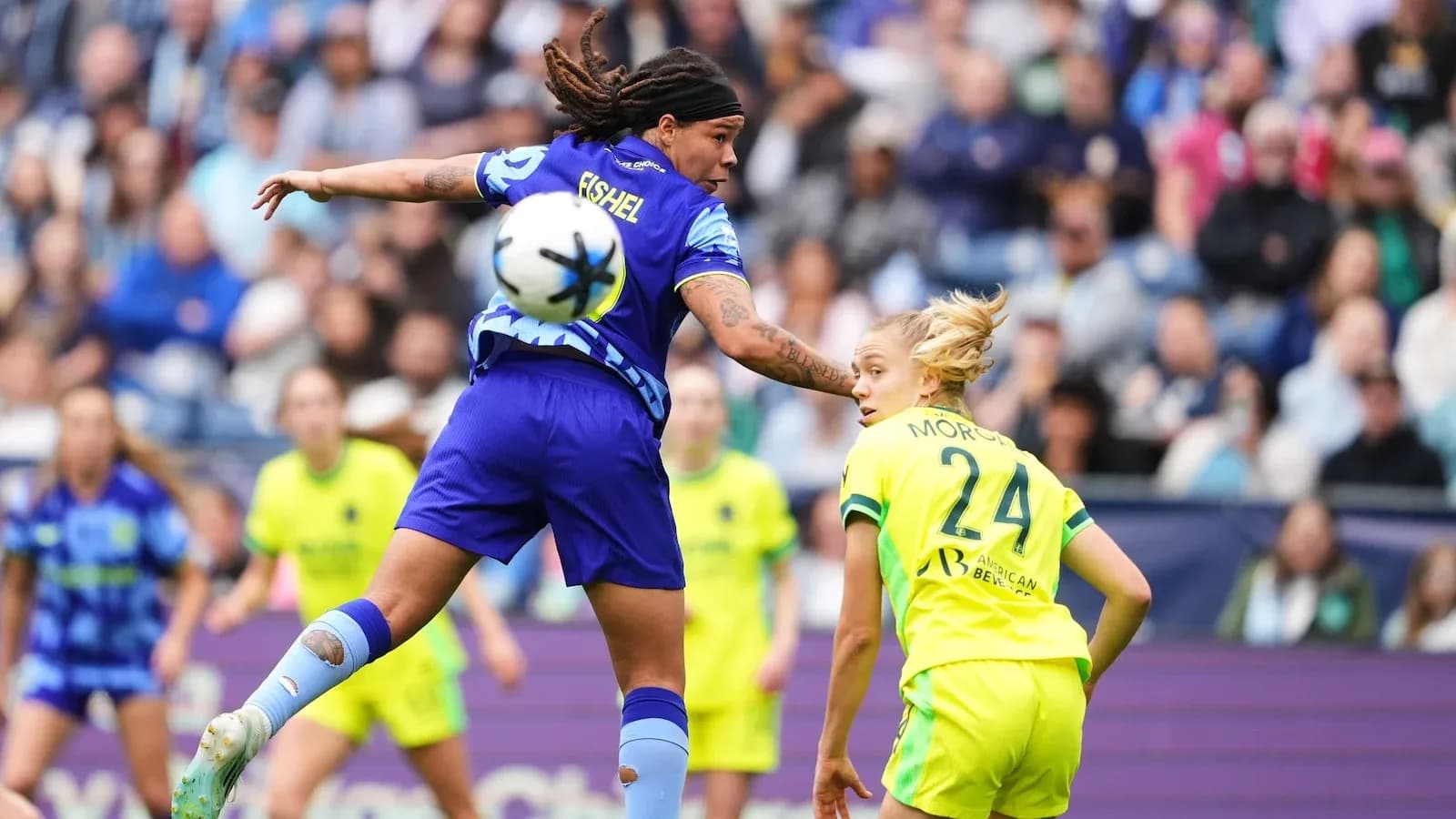
Under the lights at America First Field, this Group Stage contest in the NWSL Women brought together two clubs living very different realities. Utah Royals W, top of the table heading into this game with 23 points from 11 matches and a goal difference of 8, edged Denver Summit W 2–1, reinforcing a season-long identity built on control, structure and timely attacking surges. Denver, 12th with 12 points and a goal difference of 3, arrived as dangerous underdogs, productive going forward but still searching for defensive balance.
I. The Big Picture – Utah’s structure vs Denver’s chaos
Utah’s 4-2-3-1 under Jimmy Coenraets has become their tactical signature. Across the campaign, they have played this shape in 10 of 11 matches, and the numbers show why: overall they average 1.5 goals scored and only 0.7 conceded. At home, that profile sharpens into a ruthless edge: 1.6 goals for and 0.8 against on their own turf, with 4 wins in 5 and just 4 goals conceded.
Denver’s season has been more volatile. On their travels they have played 7 matches, winning 2, drawing 2 and losing 3, with 11 goals scored and 9 conceded. That away average of 1.6 goals for and 1.3 against mirrors their overall identity: they can hurt you, but they give you chances. Their 3-2 away defeat in their worst road loss underlines how open their games can become.
The 2–1 final scoreline in Sandy felt like a microcosm of those trends: Utah controlled the rhythm, absorbed Denver’s forward threats, and trusted that their attacking core would find the decisive moments.
II. Tactical Voids and Disciplinary Undercurrents
There were no listed absences, so both managers effectively had full squads. That made selection choices more revealing than usual.
Utah’s back four of J. Thomsen, K. Del Fava, K. Riehl and N. Rabano was shielded by the double pivot of A. Tejada Jimenez and N. Miura. The presence of Tejada Jimenez, one of the league’s top yellow-card collectors with 3 bookings this season, always adds a disciplinary edge. She is aggressive in duels, with 18 fouls committed, and that risk is baked into Utah’s plan: win the midfield battles, even if it means walking the disciplinary tightrope.
The league-wide card data deepens that picture. Heading into this game, Utah’s yellow cards clustered heavily in the 61–75 minute window (27.78%) and 46–60 (22.22%), with a notable late spike: a red card in the 76–90 range accounting for 100.00% of their reds. That tells you Utah often ramps up intensity after the break, sometimes spilling over.
Denver’s discipline story is different but just as sharp-edged. Their yellow cards peak between 46–60 minutes at 44.44%, then remain high in the final quarter-hour and stoppage (22.22% each in 76–90 and 91–105). More importantly, they have already seen a red card in the 16–30 minute range, 100.00% of their reds. That early sending-off, credited to J. Beckie’s season profile, hints at a team that can lose control when pressed early.
In Sandy, both sides had to navigate that shared tendency toward second-half bookings. Utah’s structure helped them channel aggression into controlled pressing; Denver, chasing the game, were always at risk of their card pattern repeating.
III. Key Matchups – Hunter vs Shield, and the Engine Room
The “Hunter vs Shield” duel centered on Utah’s attacking trio and Denver’s defensive spine. C. Lacasse, Utah’s top scorer and joint top assist provider with 3 goals and 3 assists, again started from the left side of the attacking three. Her season numbers are those of a complete wide forward: 9 shots (6 on target), 23 key passes, 24 tackles, and 1 blocked shot. She is as much a creator and presser as a finisher.
Facing her was Denver’s defensive leader K. Kurtz. Across the season, Kurtz has made 13 successful blocked shots and 14 interceptions, while completing 517 passes at 89% accuracy. She is the shield that turns Denver’s box into a traffic jam. Every time Lacasse drifted inside or combined with Minami Tanaka and C. Delzer between the lines, Kurtz had to step out, block the lane, or delay the shot. The fact that Utah still found two goals speaks to how relentlessly they layered their attacks around Denver’s central block.
In the “Engine Room,” the duel was more nuanced. For Utah, Minami Tanaka and Lacasse share the creative load: both have 3 assists this season, with Tanaka adding 2 goals and 11 key passes from 227 total passes. Her 23 fouls drawn show how often she receives under pressure and invites contact. Opposite them, Denver’s heartbeat is Y. Ryan, with 3 assists, 2 goals, 15 key passes and 23 dribble attempts (8 successful). She is Denver’s primary ball-progressor, tasked with breaking Utah’s double pivot of Tejada Jimenez and Miura.
The interplay between these units defined the game’s flow. When Ryan found pockets between Utah’s lines, Denver could unleash the front trio of Y. Ryan herself, M. Kossler and N. Flint. Flint, with 3 goals, 2 assists and 243 passes at 79% accuracy, plays as both finisher and connector. But Utah’s compact 4-2-3-1, anchored by Tejada Jimenez’s 18 tackles and 2 blocked shots this season, repeatedly closed those channels.
IV. Statistical Prognosis – Why Utah’s edge felt inevitable
From a statistical lens, Utah entered this fixture with a defensive platform few in the league can match. Overall they had conceded just 8 goals in 11 matches, with an average of 0.7 against per game. At home, 4 goals conceded in 5 matches underlined a back line that rarely cracks. Five clean sheets in total, and only one match all season where they failed to score, gave them a high floor and a high ceiling.
Denver, by contrast, live on a knife-edge. Overall they score 1.6 and concede 1.3 per match, both at home and on their travels. Their 3 clean sheets show they can lock games down, but their card profile and reliance on transitional threats from Ryan and Flint make them vulnerable against teams who dominate territory and tempo.
Even without explicit xG numbers, the underlying patterns are clear. Utah’s consistent shot suppression, their balanced home goal record (8 for, 4 against) and their layered creative structure through Lacasse and Tanaka suggest they regularly win the Expected Goals battle. Denver’s openness, combined with their second-half card spikes, points toward matches where they concede high-quality chances late.
Following this result, the 2–1 scoreline reads less like a narrow escape and more like a statistical confirmation. Utah’s defensive solidity and multi-source creativity tilted the probabilities their way from the outset. Denver’s attacking talent ensured the contest remained alive, but in the decisive moments, structure beat chaos, and the league leaders played to type once again.
Related News
Portland Thorns W vs Houston Dash W: NWSL Women Clash
Kansas City W vs Denver Summit W: NWSL Women Showdown
Portland Thorns W vs Houston Dash W Prediction: Key Stats and Tips
Washington Spirit W vs Angel City W Prediction: Key Stats and Betting Tips
Racing Louisville W vs San Diego Wave W Predicted Lineups and Team News
Kansas City W vs Denver Summit W Prediction: Key Stats and Betting Tips