
Wahbi Initiates Bold Morocco Restructuring After World Cup Exit
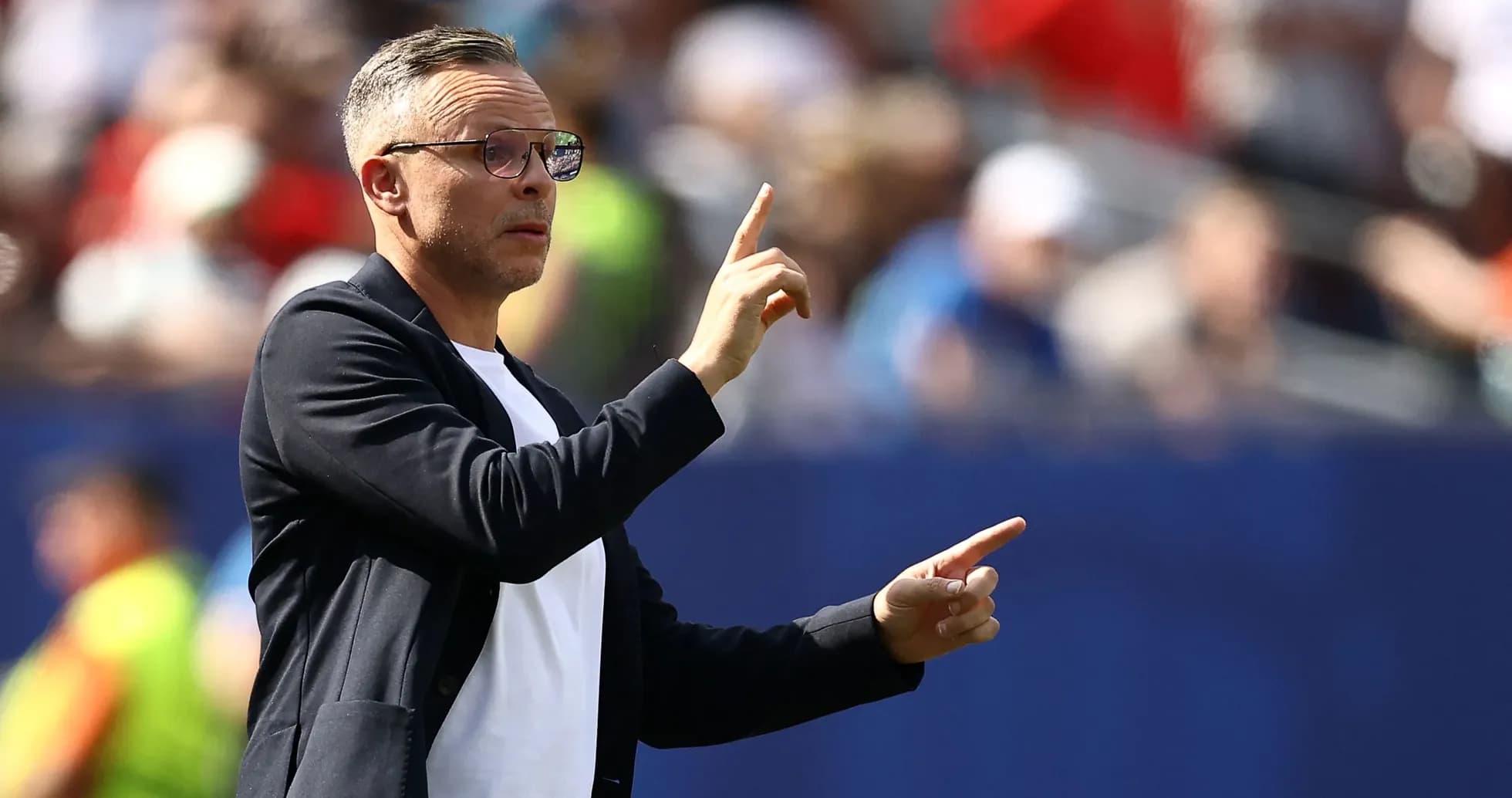
The 2026 World Cup is over, but Morocco’s real shake-up is only just beginning.
Head coach Mohamed Wahbi, kept in his job despite a quarter-final exit in North America, has started to dismantle the squad that carried the Atlas Lions to that stage. The message is clear: gratitude for the past, no guarantees for the future.
Quarter-final exit, full-scale rethink
Morocco’s run at the World Cup, co-hosted by the United States, Canada and Mexico, ended with a 2–0 defeat to France in the last eight. It was a respectable finish, but not enough to convince Wahbi that continuity alone would carry this group any further.
In the weeks that followed, the Royal Moroccan Football Federation confirmed he would stay on as head coach. Stability on the bench, yes. Stability in the dressing room, no chance.
Wahbi has spent the post-tournament period reassessing the players he leaned on in the United States, Canada and Mexico. He has concluded that the squad needs a sharper edge, more imagination, and above all, a bench that can genuinely change games rather than simply fill shirts.
He wants variety. He wants impact. And he is ready to be ruthless to get it.
Six World Cup names set to fall
According to Moroccan outlet Sport7, Wahbi has already decided to leave out six members of his World Cup squad from the group expected to be named for the September international break.
The casualties are significant: Ayoub El Kaabi, Sofyan Amrabat, Amine Sbai, Youssef Belammari, Marwan Saadane and goalkeeper Munir Mohamedi are all tipped to miss out.
For a core that has lived the pressure and spotlight of a World Cup, it is a hard cut. For Wahbi, it is a necessary one.
Sport7 also reports that the cull might not stop there. Other players, including Halhal and Amimoni, could also be pushed to the margins as part of a broader restructuring the coach is determined to drive through.
No sentiment. No coasting on reputation. Places now have to be re-earned.
Fresh blood and new ideas
The real shift comes at the end of September. Wahbi plans to use the upcoming international camp as a testing ground, calling up a number of new faces and probing for tactical answers he did not find at the World Cup.
He is looking for players who can offer different profiles, different rhythms, different solutions. Footballers who can give Morocco more flexibility between lines, more threat from the bench, more quality in tight games.
This is not a cosmetic refresh. It is an attempt to reshape the Atlas Lions for the next cycle, with the World Cup quarter-final now a reference point, not a ceiling.
The names of the newcomers will tell their own story. So will the first team sheet in September. Will Morocco’s next chapter be an evolution—or a full-blown revolution under Wahbi?
Related News
Carlos Alcaraz Urges an End to Matches Ending in the Early Hours
Carlos Alcaraz Criticizes Late US Open Finish After 3:30 a.m. Match
Jannik Sinner Set for ATP 500 Return in Beijing with Novak Djokovic Also Competing
Meet Iva Jovic: The American Tennis Prospect Making Waves
Flavio Cobolli Shares Insights on Practice Session with Jannik Sinner Ahead of Comeback

Till vs Romero: Fight Details, Undercard, and Viewing Info for This Weekend