
World Cup 2023 Preview: Teams, Stars, and Italy's Influence
At 20:00 tonight, the planet gathers around a familiar stage. The World Cup returns to the legendary Estadio Azteca, swollen into a maxi American edition with 48 participants and a final set for July 19. Mexico–South Africa will crack the seal on a tournament that promises excess in every direction: more teams, more games, more stars.
Everyone is there. Almost.
Italy will watch from the outside again, a ghost at football’s biggest party. Yet the tricolore still finds a way onto the pitch, not through the players but through the dugout: Carlo Ancelotti, Fabio Cannavaro and Vincenzo Montella, three Italian coaches carrying a flag their national team could not.
Messi’s Defence of the Crown
At the centre of it all stands Lionel Messi, still in the role he has earned and embraced: defending champion, captain of Argentina, and the man the rest must unseat.
“It will be tough to beat us,” he has warned. It does not sound like bravado. It sounds like a group that has already climbed the mountain and remembers every foothold.
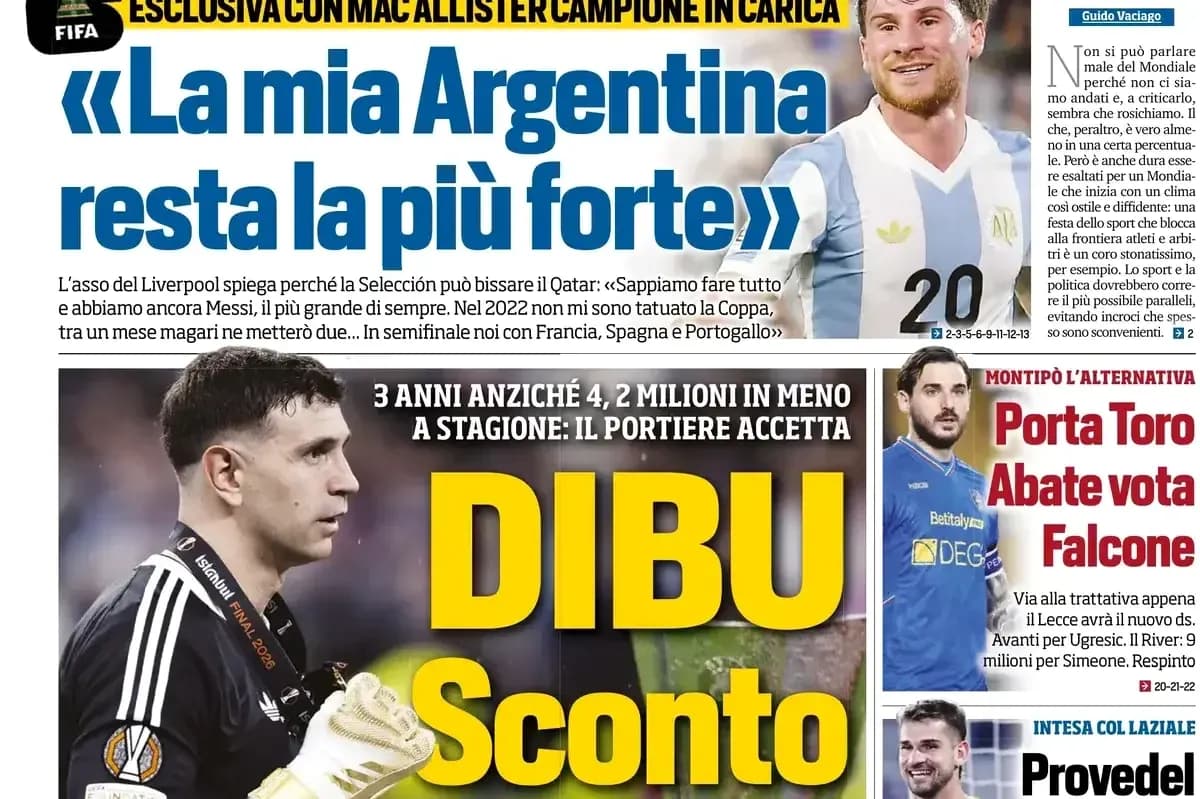
Alexis Mac Allister, now the polished engine of Liverpool and still one of Lionel Scaloni’s trusted men, spells it out. In an exclusive interview, he lays bare the conviction inside the Selección.
“My Argentina remains the strongest,” he insists. They know the route because they walked it in Qatar. The core is intact. The belief, if anything, is louder. “We know how to do it and we still have Messi, the greatest of all time.”
He admits he did not mark the 2022 triumph with the tattoo of the trophy so many of his teammates chose. He might correct that omission with interest. “I didn’t get a tattoo of the cup in 2022, but in a month’s time, I might get two.” That is not nostalgia. That is a promise.
Mac Allister even sketches his last four: Argentina, France, Spain and Portugal in the semi‑finals. No room for sentiment. No room for surprises.
France, Spain, Portugal: The Pack of Hunters
France arrive armed to the teeth. Kylian Mbappé fronts an attack that can terrify any defence on the planet, yet the question hangs in the air: can a squad with so many stars, and perhaps too many egos, stay aligned for seven matches?
Spain approach from a different angle. Less noise, more structure. But inside La Roja, the tone is anything but modest. Rodri, the metronome of Manchester City and Spain, does not bother to play down expectations. “The level has been raised, my Spain side are favourites,” he declares.
Data agrees. The much‑touted algorithm leans towards Spain as the most likely champions, even with France and Argentina perched at the top of most predictions. Portugal, with their blend of experience and a new generation, complete Mac Allister’s imagined semi‑final cast.
The field is vast, but the contenders at the summit feel sharply defined.
The Last Dance for Two Icons
There is another storyline running underneath the tactical debates and predictive models. This World Cup, edition number 23, shapes up as the final act for two of the game’s great icons. Their names hover over the tournament, their careers stitched into its history.
This is not a farewell tour dressed up as competition. They still want to win. But the clock is loud now, and every knockout match will feel like a countdown.
The organisers have leaned into the spectacle. The first of three opening ceremonies takes place tonight before Mexico–South Africa, a triple flourish for a tournament stretched across time zones and borders. The World Cup has never been this big, this fragmented, this ambitious.
Italy’s Influence From the Bench
For Italy, the absence of the Azzurri remains a raw wound. Yet the country’s footballing weight still presses on the tournament.
Carlo Ancelotti, the most decorated club coach of his generation, steps onto the international stage with the authority of a man who has seen every scenario and solved most of them. Fabio Cannavaro, a World Cup‑winning captain, and Vincenzo Montella, a refined tactician, add their names to a coaching cast that underlines how Italian ideas continue to travel, even when Italian players do not.
Their presence does not soften the blow of missing out. It does, however, keep Italy in the conversation when the world debates systems, adjustments and big‑game decisions over the next month.
A Tournament Too Big to Ignore
Forty‑eight nations, three opening ceremonies, a final in mid‑July, and a continent‑spanning schedule that will test players’ bodies and fans’ sleep patterns. The World Cup has never felt so inflated, or so inevitable.
Mexico–South Africa will light the fuse at the Azteca, a stadium that has already framed some of football’s greatest images. From there, the narrative will twist quickly: Messi’s defence of the crown, Mbappé’s pursuit of another, Spain’s algorithm‑backed ambition, Portugal’s bid to crash the party, and the quiet, stubborn presence of three Italian coaches on foreign benches.
The world is ready. The ball is about to roll. The only question now is whose story this swollen, sprawling World Cup will choose to tell.
Related News
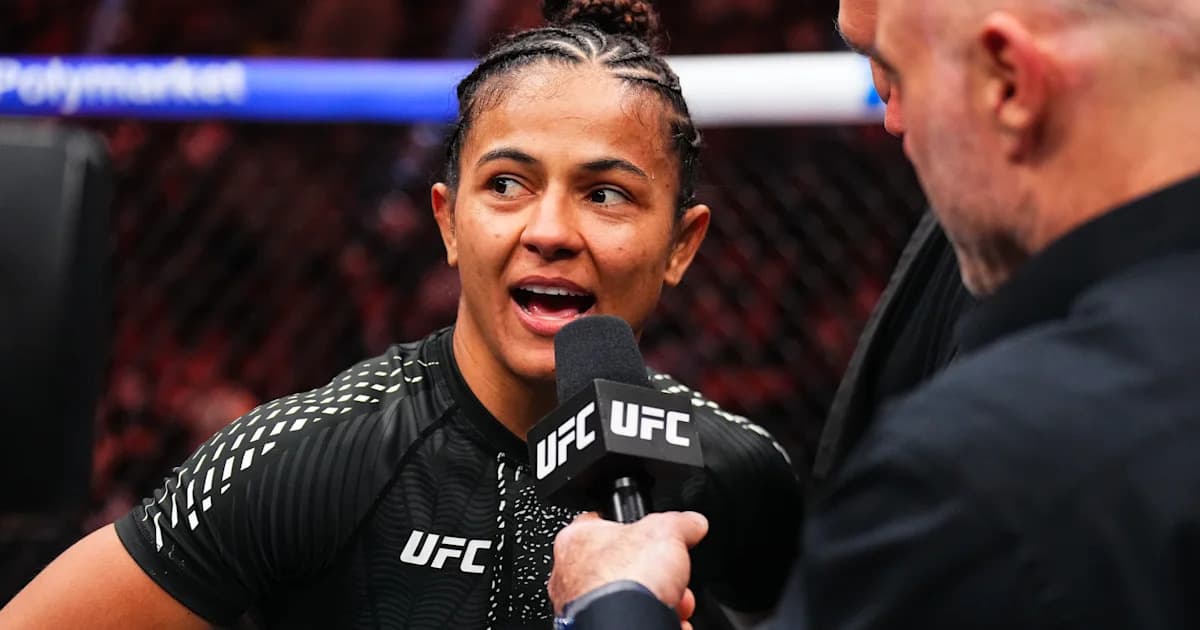
UFC 332 Preview: Natalia Silva vs. Wang Cong Fight Card, Odds, Start Time, and Details
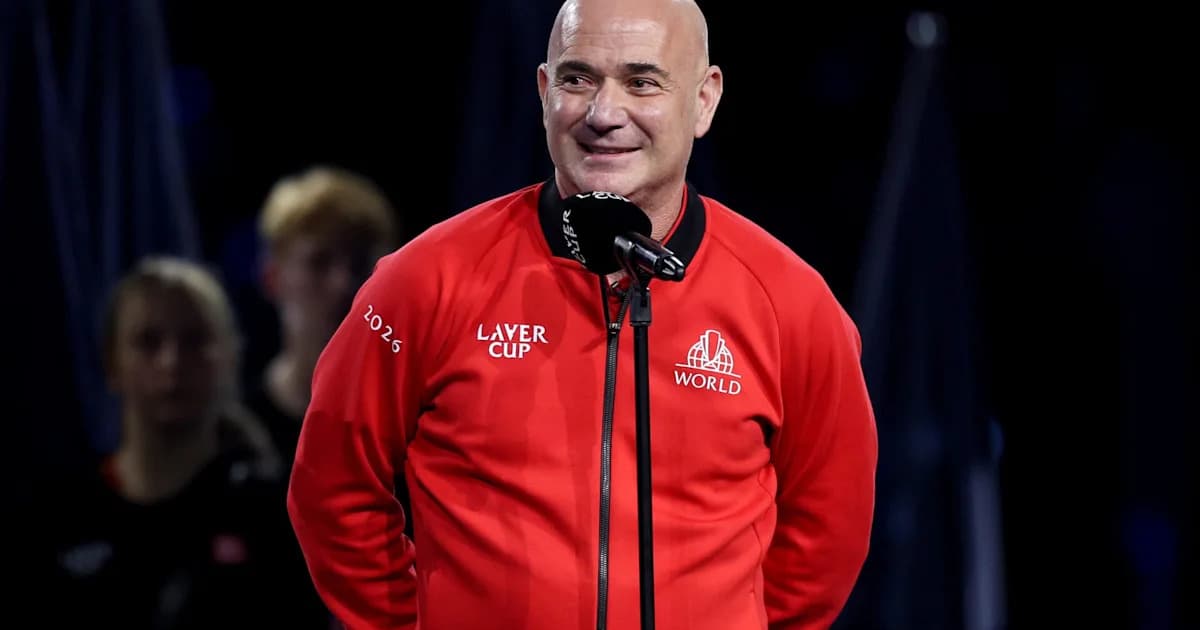
Andy Roddick Responds to Andre Agassi’s Comments on Alexander Zverev at the Laver Cup

Knicks Prepare for Flexible Roles in Title Defense

Rui Hachimura Swaps Lakers Fans to Clippers in Surprising Jersey Exchange

Who Will Be the NBA's Next First-Time All-Stars? Top Picks and Long Shots for 2027
How Strong Is Your Team at Home? Check Out the 2026 Brasileirão Home Standings