
Record-Breaking World Cup 2026: A Tournament Full of Drama and Surprises
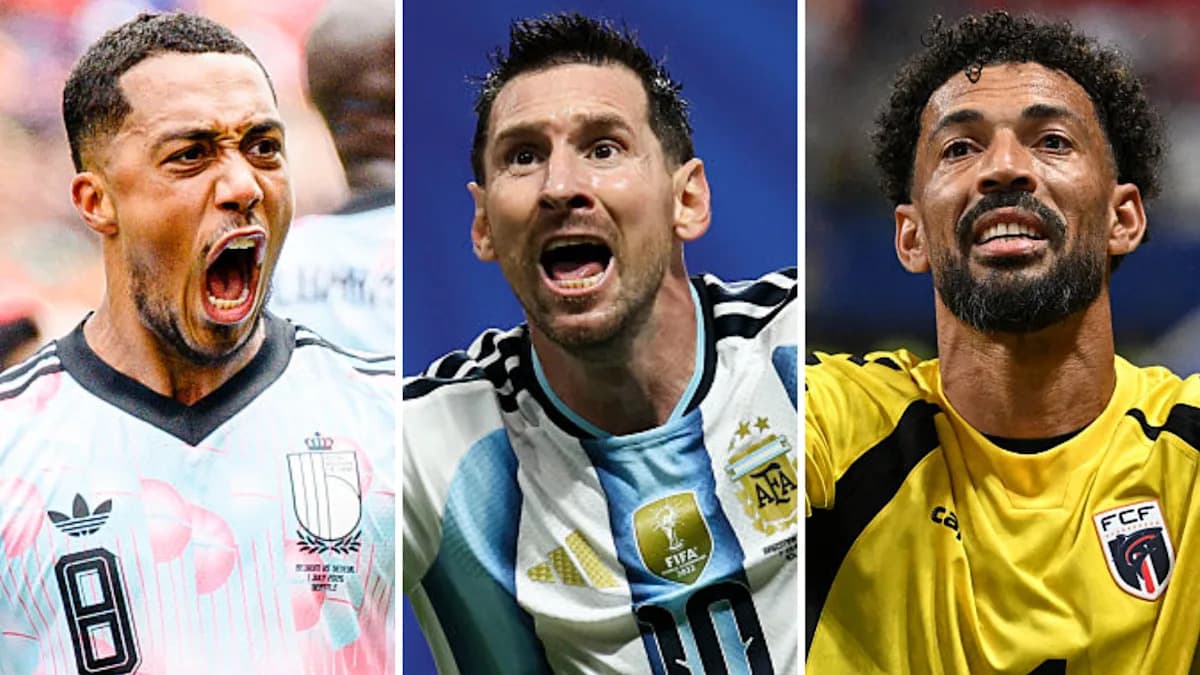
This summer's World Cup has delivered unforgettable moments, from stunning goals to last-minute comebacks and surprising upsets. As the quarter-finals begin, with eight games left, this tournament has already made its mark.
The 2026 World Cup, held across Canada, Mexico, and the United States, is the largest ever with 48 teams participating for the first time. The sheer scale has brought unique challenges and excitement.
High Scoring and Open Play
Through 96 of 104 matches, 280 goals have been scored, averaging 2.92 goals per game. This is the highest scoring rate since the 1970 World Cup in Mexico, where the average was 2.97 goals per match. To put it in perspective, the 2022 tournament in Qatar averaged 2.69 goals, 2018 in Russia had 2.64, and 2014 in Brazil saw 2.67.
Germany's dominant 7-1 win over Curacao stands as the highest-scoring match so far, but six goals were scored in seven other games, and 13 more featured five goals. An impressive 74.6% of all goals have come from open play, a figure among the highest ever recorded in World Cup history. Penalty goals make up just 5%, the lowest percentage on record.
Thrilling Finishes and Historic Comebacks
The knockout stage has been full of late drama. Of the 24 matches, eight have seen winners score after the 85th minute. Argentina's victory over Cape Verde required extra time, and four games have gone to penalty shootouts. Enzo Fernandez’s winning goal against Egypt marked the tenth 90th-minute winner this tournament, setting a new World Cup record.
July has produced at least three classic matches, including 3-2 wins for Belgium, Argentina, and England against Senegal, Egypt, and Mexico respectively. Both Belgium and Argentina rallied from two-goal deficits late in the game, something unseen since 1970. England's win came despite playing 40 minutes with ten men after Jarell Quansah was sent off, holding on at Mexico's iconic Azteca Stadium.
Interestingly, there have been eight goalless draws, a record number for any World Cup. This might not signal dullness but could suggest a competitive balance among teams.
Fan Presence and Star Performances
Despite concerns over high ticket prices and travel distances, stadiums have rarely looked empty. FIFA reports a 99.7% attendance rate, with over 4.4 million fans attending group stage matches and 6.2 million after the early knockout rounds. The average crowd size is just over 65,000, second only to the 1994 World Cup in the US.
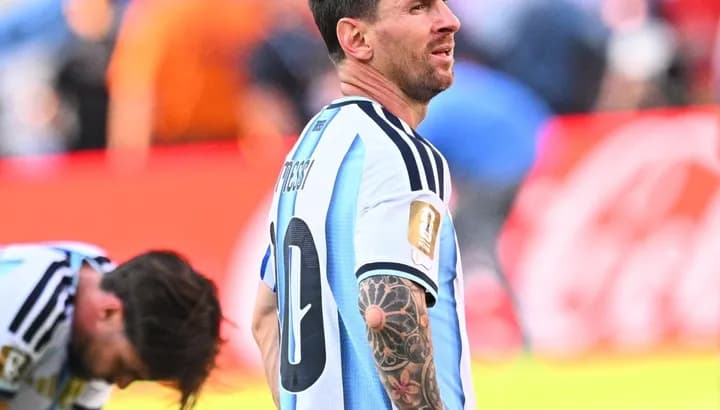
The star players have not disappointed either. The Golden Boot race is fiercely contested, with Lionel Messi leading on eight goals, closely followed by Kylian Mbappe and Erling Haaland with seven each, and Harry Kane on six. For the first time, three players have scored seven or more goals in a single World Cup.
Underdogs and Surprises
Concerns about one-sided matches with 48 teams proved unfounded. Smaller nations have provided some of the tournament's best stories. Curacao, the smallest nation, bounced back from a heavy defeat to Germany by drawing with Ecuador. Qatar suffered a 6-0 loss to Canada but also secured a draw with quarter-finalists Switzerland.
Cape Verde’s run has been remarkable. With goalkeeper Vozinha, aged 40, they drew with Spain, Uruguay, and Saudi Arabia, reaching the last 32 and pushing defending champions Argentina to extra time before narrowly losing 3-2.
Controversies and Challenges
Not everything has been smooth. Ticket, hotel, and transport costs have stretched many supporters’ budgets more than previous tournaments. Hydration breaks have been accepted when needed, but fans booed them during rain or in air-conditioned venues.
The extended format means the tournament started on June 11 and will end July 19, with matches played almost every day. Some question if this is too long and if the players can cope with the travel and intensity, especially with domestic leagues starting soon after. The group stage also saw only a third of teams eliminated early, reducing early tension.
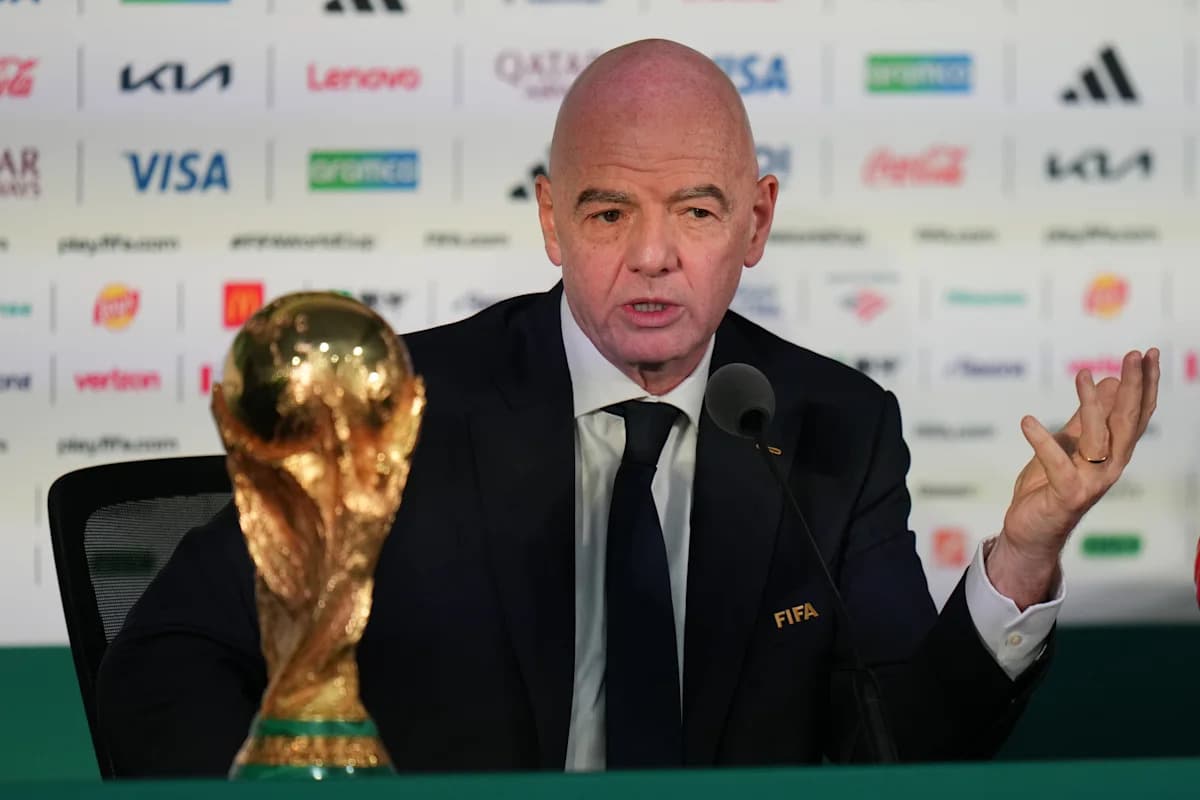
A major controversy involved American striker Folarin Balogun, who was sent off in the last-32 match against Bosnia-Herzegovina. US President Donald Trump reportedly called FIFA President Gianni Infantino about the ban, which was then suspended under FIFA’s disciplinary code. Balogun played in the following match, breaking a decades-old precedent. The decision drew criticism from UEFA, Belgium, and England’s manager Thomas Tuchel. Belgian players admitted the incident fueled their motivation.
Looking Ahead to the Final Stages
The remaining matches promise more excitement. Previous World Cups have been remembered largely by their finals—1994 ended in a dull 0-0 draw between Brazil and Italy, overshadowing earlier thrills. Four years ago, a spectacular final helped improve perceptions of the Qatar tournament.
With the top-ranked teams—Argentina, Spain, France, and England—all still in the running and placed in separate quarter-finals, the upcoming games may produce breathtaking football that cements this World Cup’s place in history.
Whatever unfolds, the last month of football has been impossible to miss.
Related News

FIFA Opens New Football Arenas in Palestine to Support Youth in the West Bank
FIFA World Cup 2026: Complete List of Commentators and Presenters
World Cup 2026 Best XI: Messi, Rodri, Mbappe Lead the Team of the Tournament
Spain's Tactical Mastery Secures Second World Cup Victory in 2026
Top 10 Players of the 2026 World Cup: Mbappe or Messi at the Summit?
Gianni Infantino Responds to Critics Amid 2026 World Cup Celebrations