
World Cup 2026: From Thrilling Drama to Controversy and Challenges for FIFA
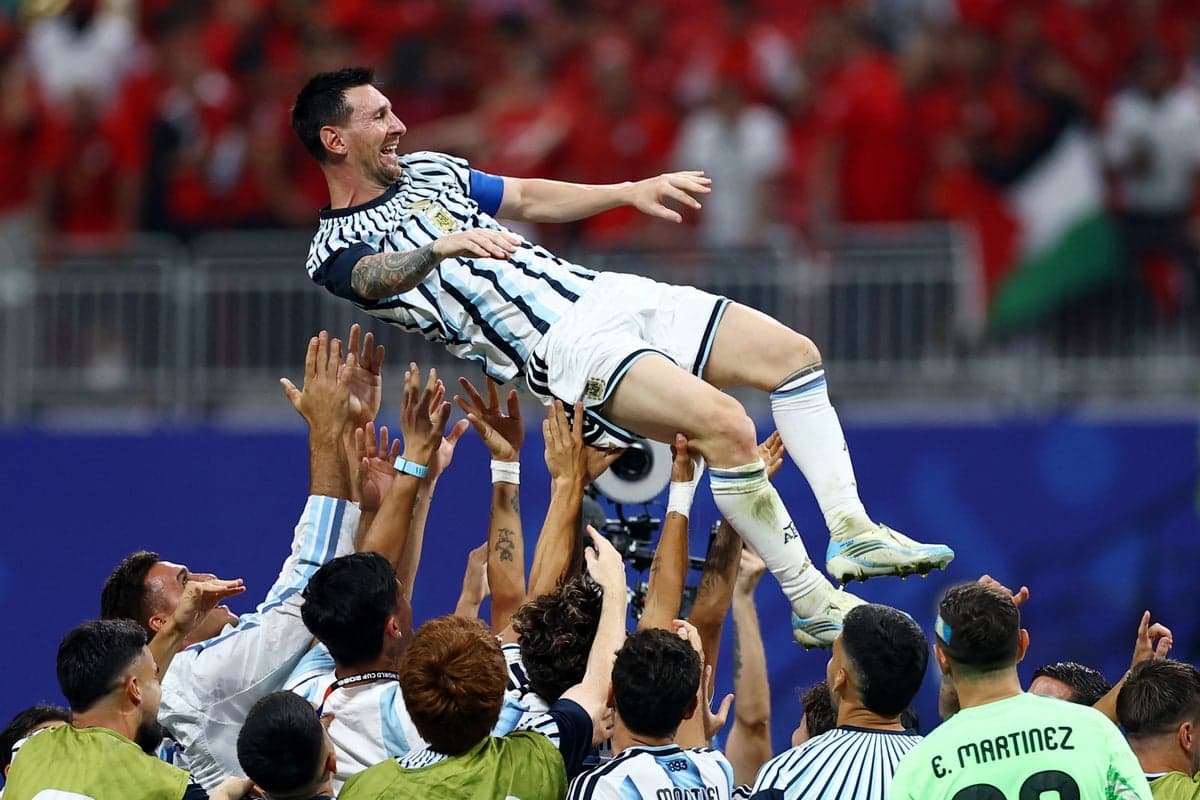
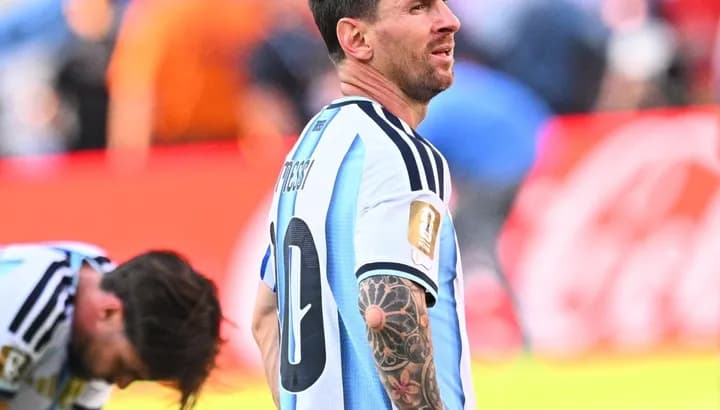
As Lionel Messi was lifted by his Argentina teammates, while the Egyptian players collapsed in despair, the scene felt like pure theater. This World Cup has delivered countless moments that captured raw emotion and intense drama. The sound of Argentina fans roaring in celebration added a unique soundtrack to these unforgettable events.
Messi and his coach, Lionel Scaloni, were visibly moved after Argentina’s comeback against Egypt. Scaloni struggled to hold back tears, expressing deep pride for his team despite the pressure. For Messi, this match could have been his final World Cup appearance, which made the victory even more poignant. Even as defending champions, Argentina showed the emotional intensity that has defined their journey.
Emotions Running High Across Teams
No team has navigated this tournament without some form of turmoil or chaos. England’s hard-fought win over Mexico reflected the overall unpredictable energy of the competition. In contrast, the Colombia-Switzerland game felt unusually subdued, almost like a throwback to past decades. The last 16 round has seen 23 goals—well above the low 15 goals scored in the same stage during Germany 2006.
Players seem freer from the tactical restraints they face at club level, allowing matches to become national spectacles filled with open play and fierce emotion. We might be witnessing a golden era of football in terms of passion and excitement on the pitch.
Moments of Glory and Growing Concerns
The tournament has offered transcendent football moments, such as England’s thrilling 3-2 win over Mexico and Argentina’s remarkable comeback. Yet, controversy has also surfaced. The case involving Folarin Balogun stirred discomfort, especially since the player was not directly involved in the political interference behind the scenes.
Egypt’s coach Hossam Hassan voiced his frustration loudly after his team's loss to Argentina, accusing officials of unfair treatment and suggesting off-field interests influenced decisions. He claimed Egypt deserved to advance and refused to watch more matches in protest.
Such accusations are not isolated. Some European clubs’ insiders told The Independent that aspects of refereeing raised concerns. For example, Mostafa Ziko's disallowed goal puzzled many because the foul called was minor and distant, conflicting with the generally lenient officiating trend seen throughout the tournament.
Refereeing Inconsistencies and the Shadow of Politics
What many perceive as inconsistent refereeing might simply reflect differing interpretations across international officials and the challenge of officiating at this level. Still, the timing of these controversies alongside broader political distractions, including the Donald Trump saga, complicates perceptions.
People now question whether some calls might be influenced by factors beyond the game, especially when big-name players like Messi are involved. Though such conspiracy theories seem far-fetched, their growing presence on social media cannot be ignored.
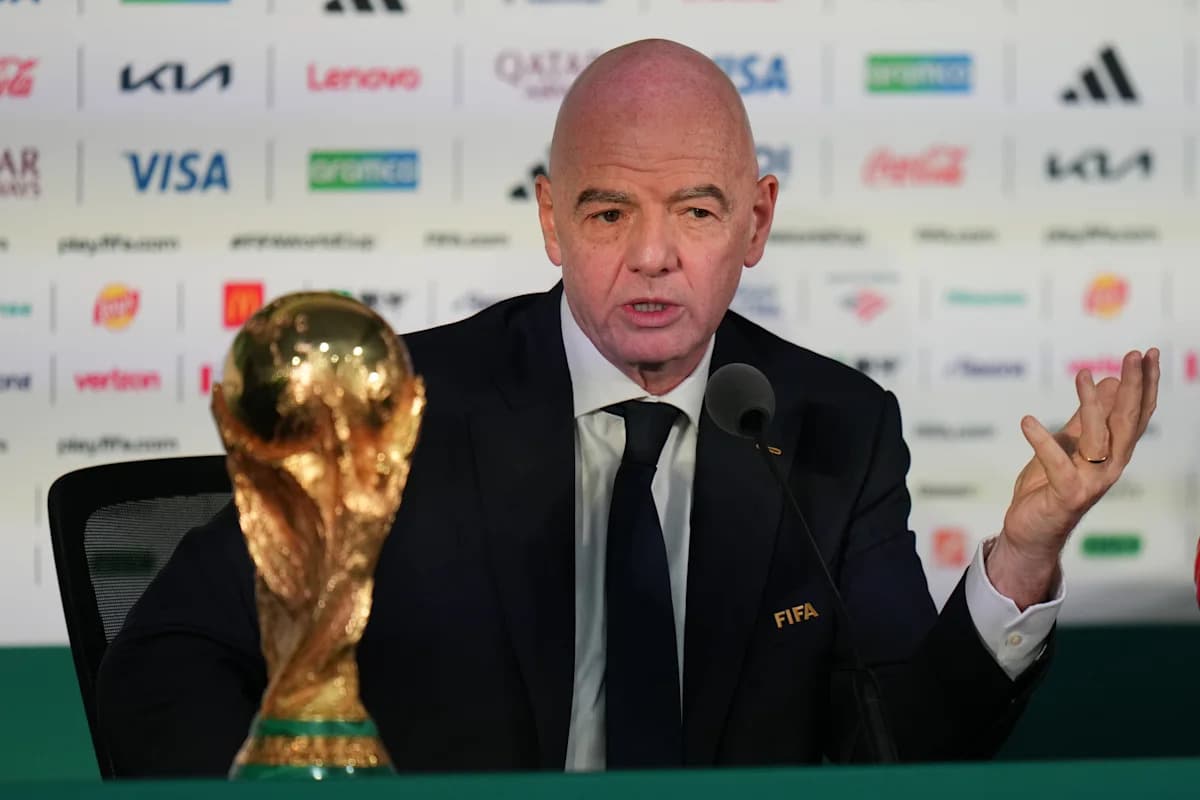
FIFA’s president, Gianni Infantino, faces mounting criticism and calls for resignation amid this legitimacy crisis. The public trust is shaken just as the football itself has shown genuine excitement and authenticity.
The Economic Divide in the Quarter-Finals
Interestingly, the financial realities behind the teams add another layer to the story. Six of the eight quarter-finalists hail from wealthy Western European nations: France, Spain, England, Switzerland, Belgium, and Norway. This dominance highlights how industrialized coaching and investment play a role in success.
In contrast, the United States' costly "pay to play" youth system struggles to compete with Europe’s structured talent development. Morocco stands out as a rare exception, emerging as a powerhouse through state-backed initiatives similar to Hungary’s approach under Viktor Orban.
FIFA attempts to redistribute wealth globally, aiming to raise standards worldwide. Led by figures like Arsene Wenger, this effort is often entangled with political motives, creating a complex dynamic that shapes the sport beyond just the matches.
The World Cup continues to captivate with its cinematic highs and political undercurrents, making it an event impossible to ignore.
Related News
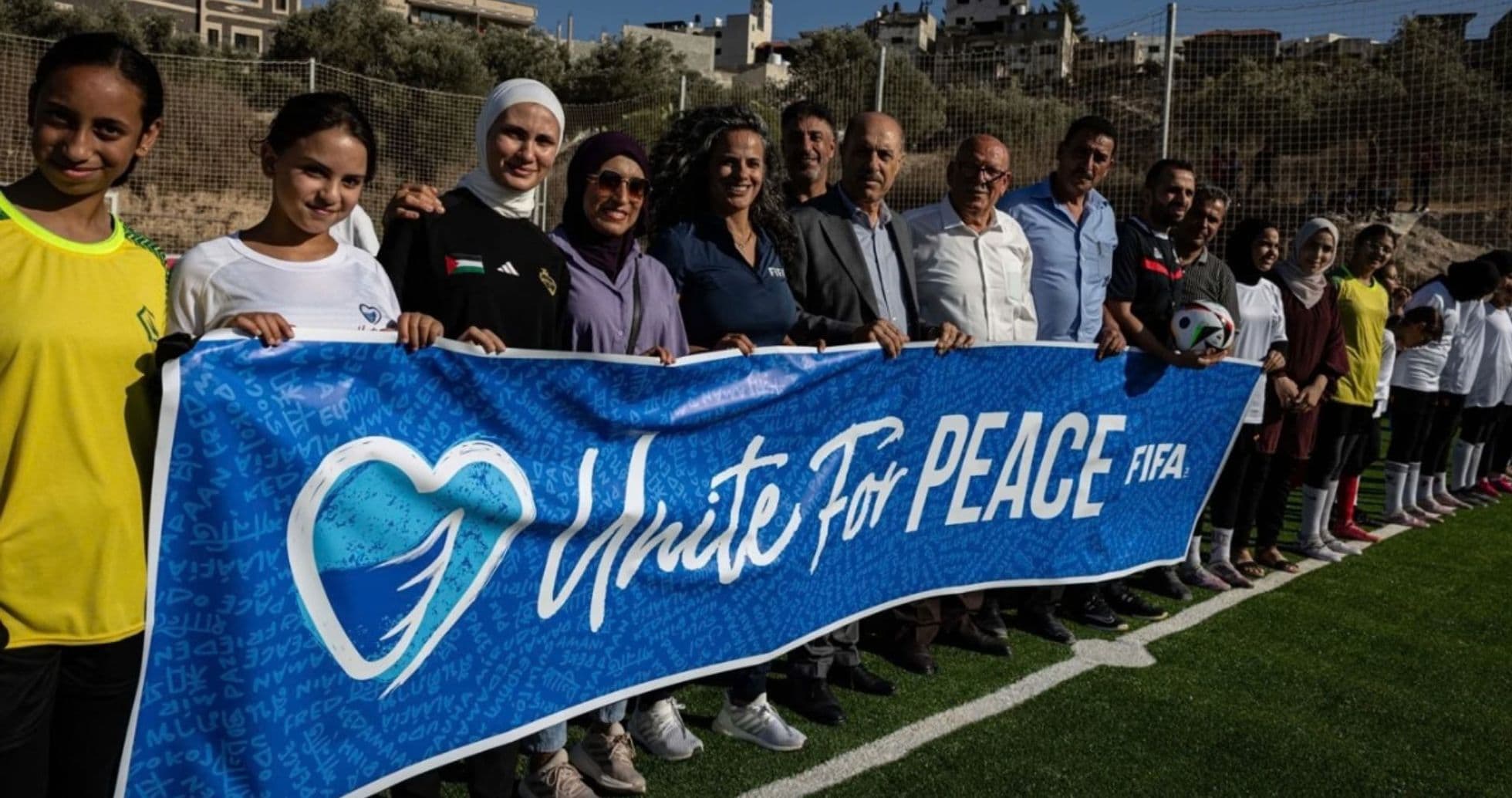
FIFA Opens New Football Arenas in Palestine to Support Youth in the West Bank
FIFA World Cup 2026: Complete List of Commentators and Presenters
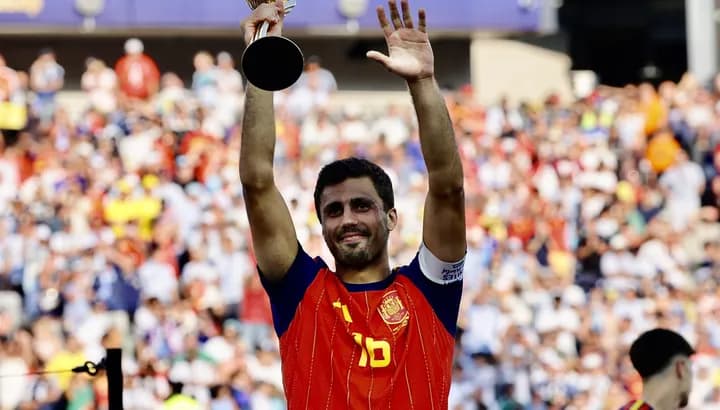
World Cup 2026 Best XI: Messi, Rodri, Mbappe Lead the Team of the Tournament
Spain's Tactical Mastery Secures Second World Cup Victory in 2026
Top 10 Players of the 2026 World Cup: Mbappe or Messi at the Summit?
Gianni Infantino Responds to Critics Amid 2026 World Cup Celebrations