
How the World Cup Turned Into America’s Unexpected Summer Celebration
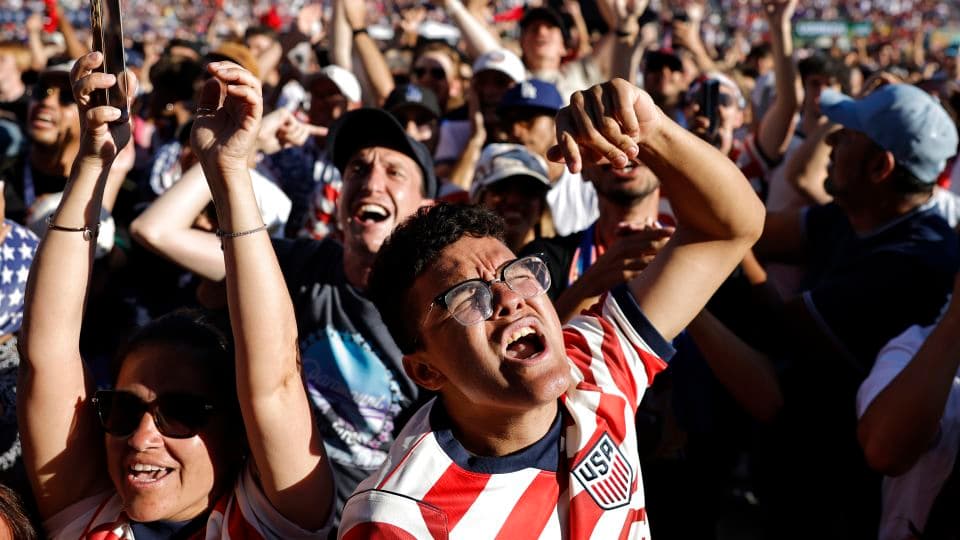
Before this World Cup kicked off, many feared it would be a mess. The US government shutdown left cities scrambling without funds to prepare for millions of visitors. Political tensions seemed likely to scare off international fans. Reports of inflated prices made it seem possible that stadiums might stay half-empty. On top of that, the war in Iran cast a shadow over America’s global reputation.
Yet none of these concerns came true in the way people expected.
A Festival Spanning North America
From the first kick in Mexico City to the final whistle in New Jersey, the tournament became one of the biggest celebrations the continent has seen. The mood shifted dramatically. Fans from different nations connected — South Koreans and Mexicans bonded like old friends on opening night. Norwegians took to "Viking rowing" everywhere, Scots drank Boston dry, and crowds from Brazil, Argentina, and Colombia turned cities into vibrant hubs of soccer passion. Tourists discovered quirky American treats like Buc-ee’s and Waffle House.
For a while, Americans even dared to hope their team could contend, sparked by two thrilling wins early on.
A Momentary Escape from Political Turmoil
Politics didn’t vanish during those 39 days. The Iranian team faced last-minute training base changes and travel restrictions. President Donald Trump’s interference in Folarin Balogun’s situation sparked doubts about the tournament’s fairness, at least until Belgium's decisive win ended US hopes. Visa issues, including one referee denied entry due to Somali origins, stirred controversy linked to Trump’s policies.
Still, the World Cup mostly stayed focused on the sport rather than political drama. Even when headlines veered toward Washington, the magic of the matches quickly reclaimed attention. The day after the Balogun incident, Argentina stunned everyone with a dramatic comeback win against Egypt, highlighting the power of the game itself.
Beyond Economics and Politics
The tournament’s economic impact will be debated for years—did host cities earn enough to justify the costs? But something less measurable emerged: a new image of America. Visitors repeatedly said Americans were friendlier and more welcoming than news reports suggested. Genuine hospitality, kindness, and curiosity stood out as the country’s strongest traits.
Despite its flaws, for 39 days America was a place where people from all over the world gathered, shared stories, and celebrated together. Stadiums were packed, memories created, and for once, the toughest problem was deciding what to watch when no games were on TV.
A Time of Pure Joy
Fans danced with Congolese supporters after their historic knockout qualification. They marveled at Cape Verde nearly upsetting giants. Drinks, meals, and laughter were shared among strangers from faraway lands. The World Cup may have ended, but hopefully it changed how the world sees America—and how Americans see themselves.
Related News
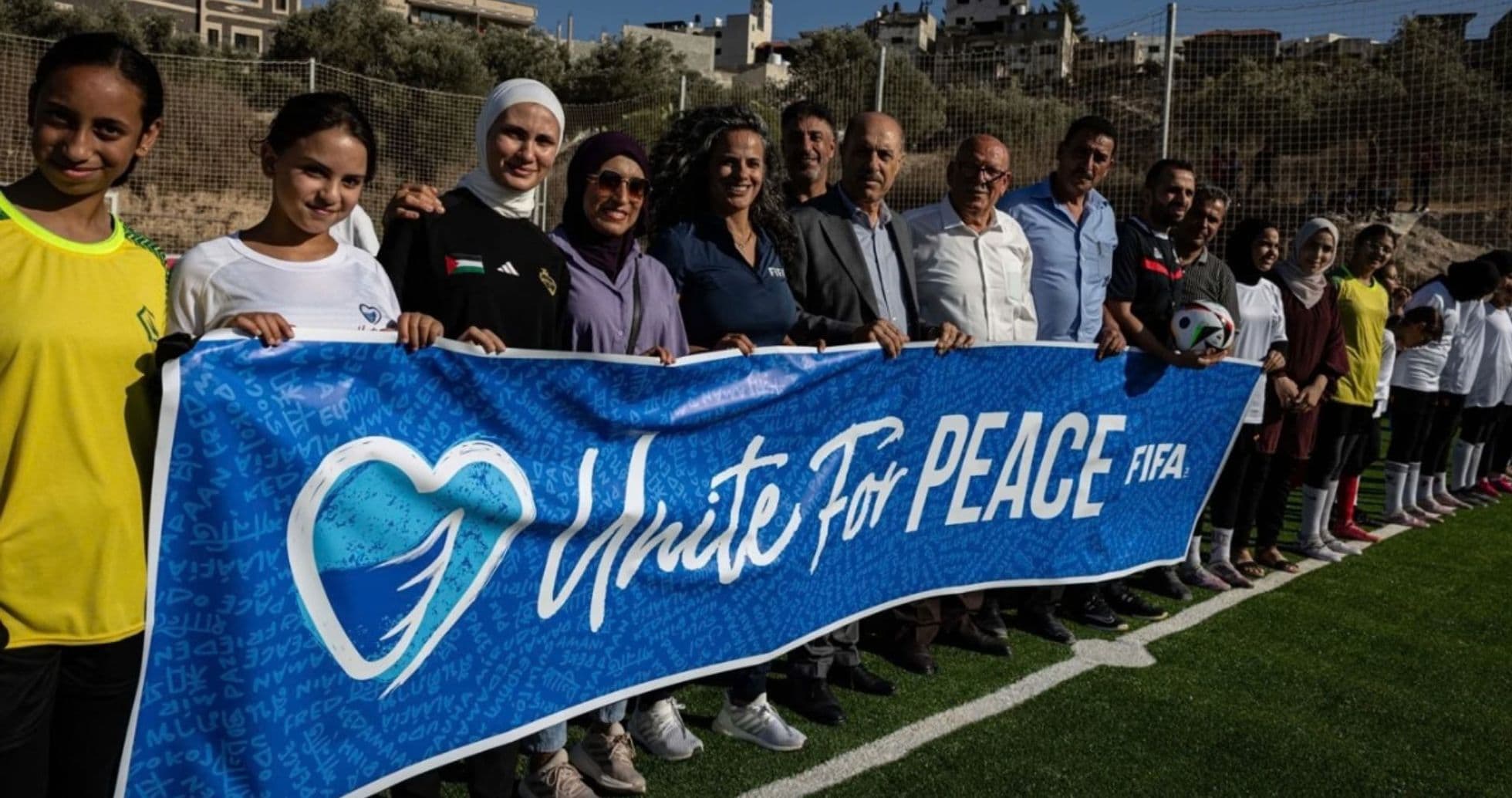
FIFA Opens New Football Arenas in Palestine to Support Youth in the West Bank

FIFA World Cup 2026: Complete List of Commentators and Presenters
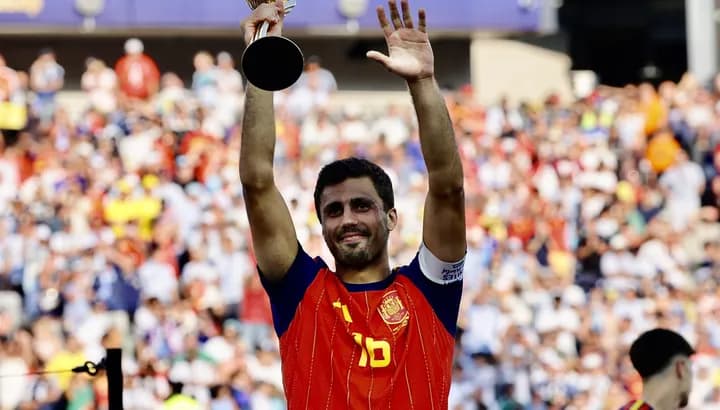
World Cup 2026 Best XI: Messi, Rodri, Mbappe Lead the Team of the Tournament
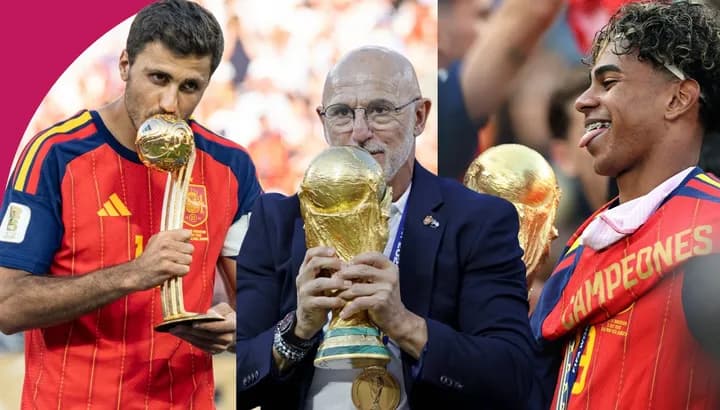
Spain's Tactical Mastery Secures Second World Cup Victory in 2026
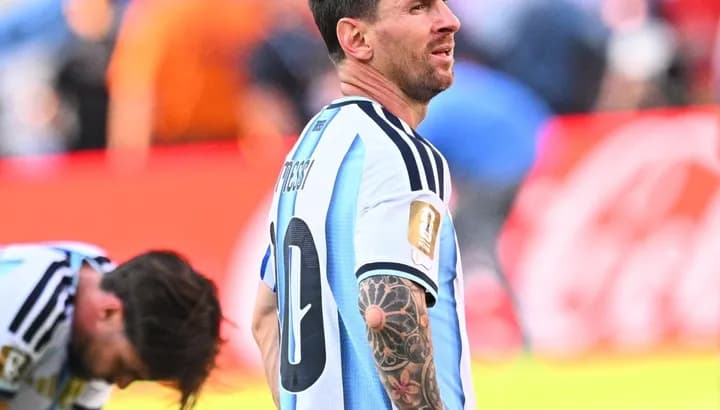
Top 10 Players of the 2026 World Cup: Mbappe or Messi at the Summit?
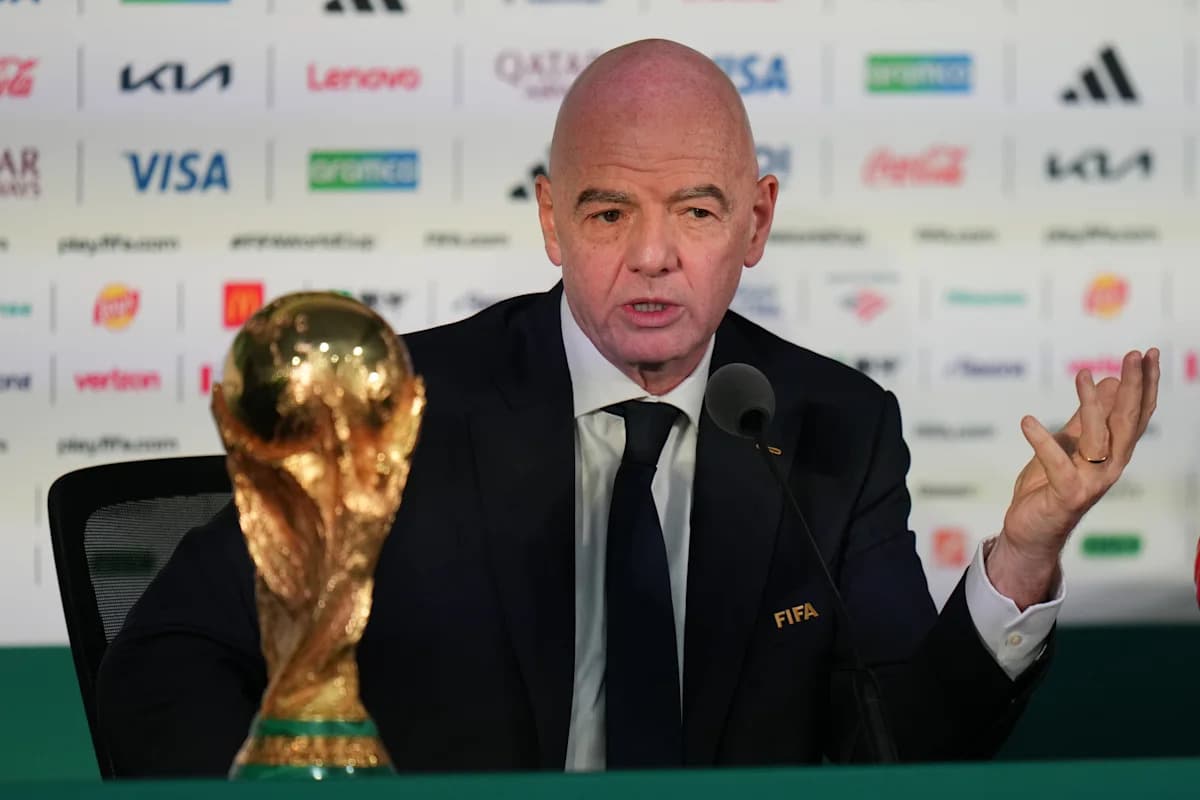
Gianni Infantino Responds to Critics Amid 2026 World Cup Celebrations