
World Cup Stars Ready to Shine in the Premier League 2026-27
The World Cup is over. The medals handed out, the anthems silenced, the confetti swept away. Now the same stars who lit up the summer step straight back into the Premier League glare.
Some arrive as champions. Others as breakout names. All of them carry the weight of expectation into 2026-27.
Here are 10 World Cup standouts poised to ignite the season in England.
10. Pedro Porro – Spain’s champion, Spurs’ weapon
Pedro Porro returns to Tottenham as a World Cup winner and a full-back transformed by the biggest stage. Spain trusted him at right back all tournament and he delivered: energy, aggression, end product.
At Spurs, the fit looks ideal. Roberto De Zerbi wants his wide defenders to fly forward, to attack space, to take risks. That is Porro’s natural game. He now has a manager and a system tailored to his strengths, and the expectation is simple: goals, assists, and chaos down that right flank.
9. Elliot Anderson – England’s engine, City’s new conductor
Elliot Anderson’s summer ended with a bronze medal and a transfer that underlined his rise. From Nottingham Forest to Manchester City, from promising talent to central figure in Enzo Maresca’s plans.
For England, he was the heartbeat in midfield during their third-place finish. He hunted the ball, anticipated danger, and read the game as if he’d been at this level for a decade. That intensity now drops into a City side that lives off control and quick regains. Maresca wants someone to run the show from midfield. Anderson looks ready to take that responsibility.
8. Martin Ødegaard – Norway’s talisman, Arsenal’s fight for space
Last season took its toll on Martin Ødegaard. Injuries, dips in form, a rhythm he never quite found for Arsenal. The World Cup changed that.
Norway’s deep, almost magical run was built on his creativity and composure. He dictated games again, threading passes, setting the tempo, looking like the player Arsenal built their attack around. He comes back to London recharged, but not entirely secure.
Bruno Guimarães has arrived for big money and big minutes. That signing forces Ødegaard to scrap for his place, to raise his level again. Competition in Arsenal’s midfield is fierce. That might be exactly what he needs.
7. Florian Wirtz – Germany’s bright spark, Liverpool’s No. 10
Germany went home early. Florian Wirtz did not.
His performances at the World Cup were sharp and inventive, even as his country stumbled. Now, after a strong preseason with Liverpool, he looks set for a breakout second Premier League campaign.
Andoni Iraola plans to use him as a pure No. 10, high up the pitch, constantly involved. With Liverpool’s aggressive pressing, Wirtz should see more of the ball in dangerous areas, picking up loose passes and driving at back lines. He has the platform. The league is about to see just how much damage he can do.
6. Youri Tielemans – Belgium’s driving force, United’s new core
Youri Tielemans carried Belgium to the last eight with a series of big-game performances, stepping up when it mattered. Now he’s got the move his form demanded: Aston Villa to Manchester United.
United need someone in midfield who can do the ugly work and still produce decisive moments. Tielemans fits that brief. He presses, he tackles, he covers ground, and then, just when games tighten, he arrives on the edge of the box with a crucial goal.
This is the kind of character Old Trafford has been crying out for. He won’t just decorate games. He’ll drag United through them.
5. Bukayo Saka – limited at the World Cup, unleashed for Arsenal
Bukayo Saka played the tournament with his body patched together. England managed his injury carefully, and it cost them in the semifinal against Argentina, where he didn’t feature. The sense of what might have been hung over that night.
Even so, his impact was undeniable. An assist against Mexico. A hat trick in the third-place thriller against France. Sharp, decisive cameos off the bench. Every time he stepped on the pitch, he reminded everyone of his ceiling.
Back at Arsenal, there is no question about his role. Saka remains the main man in attack, the reference point in big moments, the player opponents plan for and still struggle to stop.
4. Lisandro Martínez – Argentina’s warrior, United’s anchor
When Lisandro Martínez is missing, Manchester United feel it. The World Cup underlined why.
He was central to Argentina’s run to the final, defending with his usual ferocity and clarity. His withdrawal in the showpiece with a minor injury felt like a turning point. His presence brings authority; his absence invites chaos.
United’s “comeback” as a serious force depends heavily on a stable back line. Martínez will be the one leading it, snapping into duels, organizing the line, and setting the tone with the ball and without it.
3. Bruno Guimarães – Brazil’s creator, Arsenal’s statement
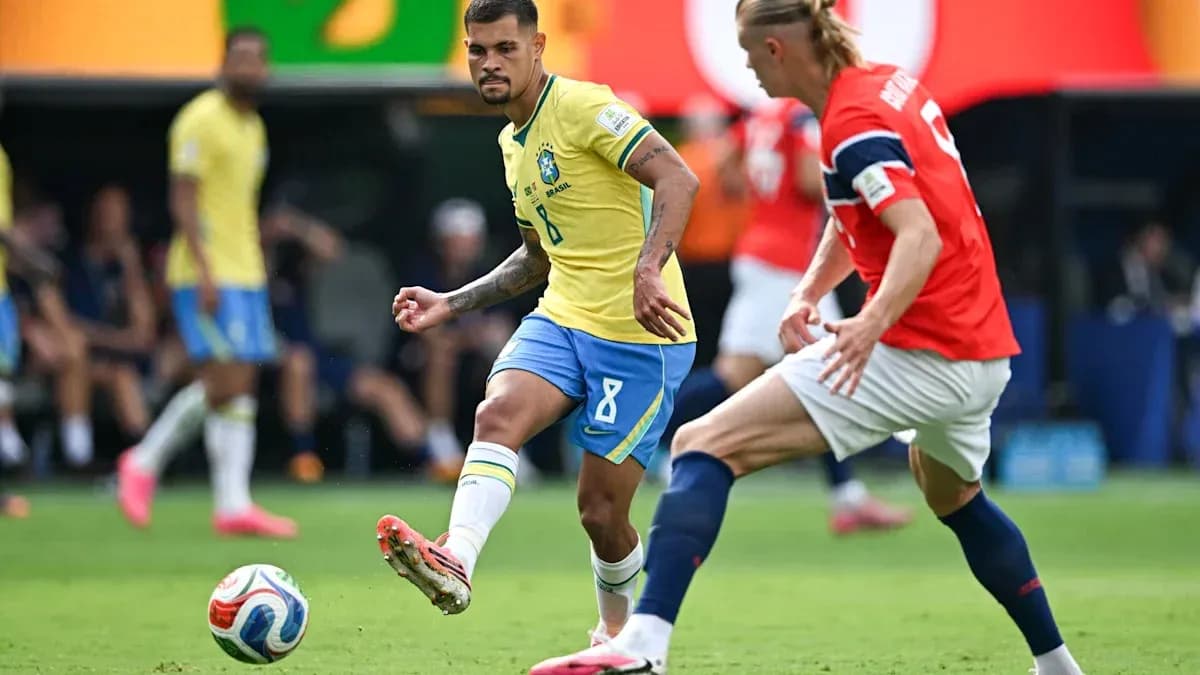
Bruno Guimarães walked away from the World Cup as one of Brazil’s most productive players, with four assists – bettered only by Michael Olise at the tournament.
His transfer from Newcastle United to Arsenal is more than just a big signing. It’s a declaration. Arsenal have paid around $101 million for a midfielder who brings bite, vision, and leadership in equal measure.
He adds hunger to a squad already chasing history. Guimarães won’t just slot in quietly; he will demand the ball, demand standards, and shift the emotional temperature of Arsenal’s midfield.
2. Declan Rice – the standard-setter for club and country
When Declan Rice isn’t fully fit, both Arsenal and England lose their edge. The World Cup showed that clearly. Even while managing illness and knocks, he still produced a strong tournament, patrolling midfield, breaking up play, and knitting everything together.
Arsenal’s entire system leans on him. He sets the press. He dictates the tempo. He decides when they squeeze and when they breathe. If they are to defend their title and go back-to-back, Rice’s form and fitness are non-negotiable.
He is the bar. When he rises, so do they.
1. Erling Haaland – the inevitable headline
Of course Erling Haaland tops this list.
Seven goals at the World Cup. Norway into the quarterfinals. A global profile that somehow grew even bigger, on and off the pitch. The numbers were brutal, the performances just as ruthless.
Now he returns to a Manchester City side reshaped by Enzo Maresca. The plan is clear: create space on the counter, release runners, and leave Haaland to do what he does better than anyone – finish. If City execute, another 30-goal Premier League season feels less like a prediction and more like a formality.
The goals will come. The noise around him will only grow. The real question is who, if anyone, can keep pace with him in a league suddenly stacked with World Cup stars at the peak of their powers.
Related News
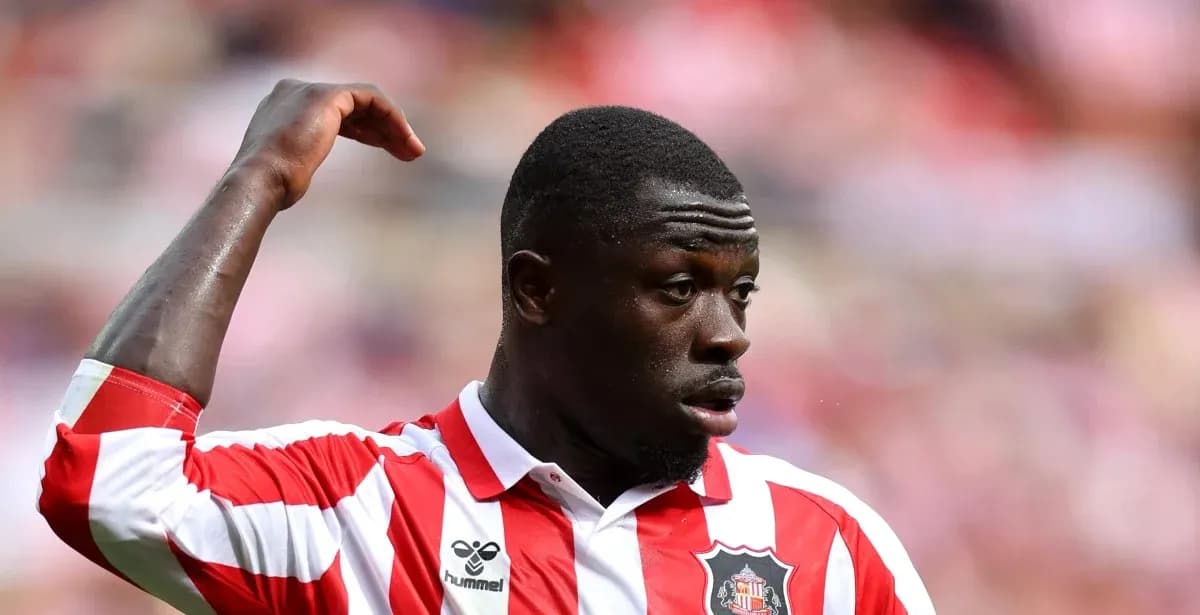
Reinildo Shines as Sunderland Defeats Rennes in Pre-Season
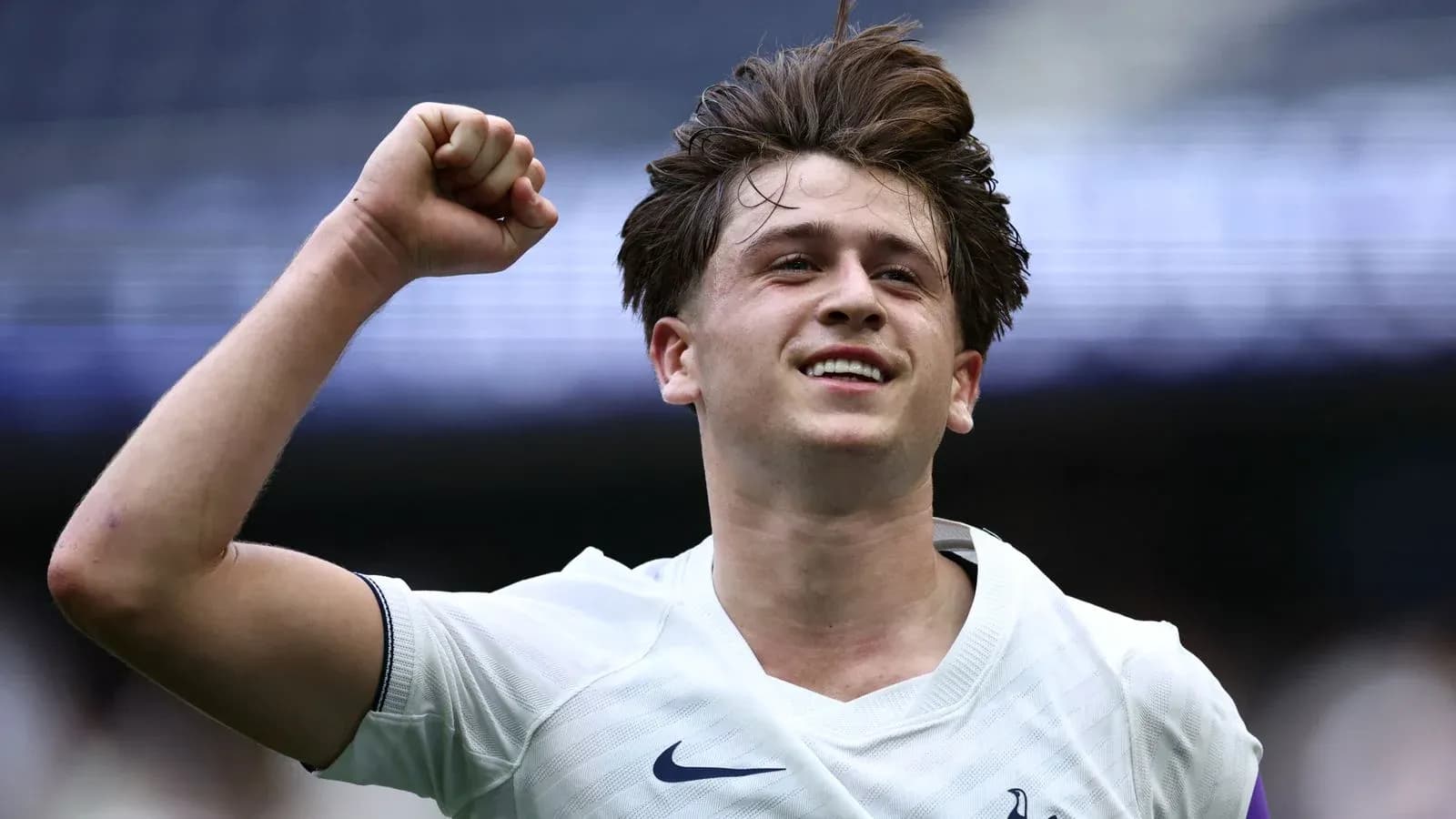
Tottenham 3-0 Hoffenheim: Mikey Moore Shines in Pre-Season Victory
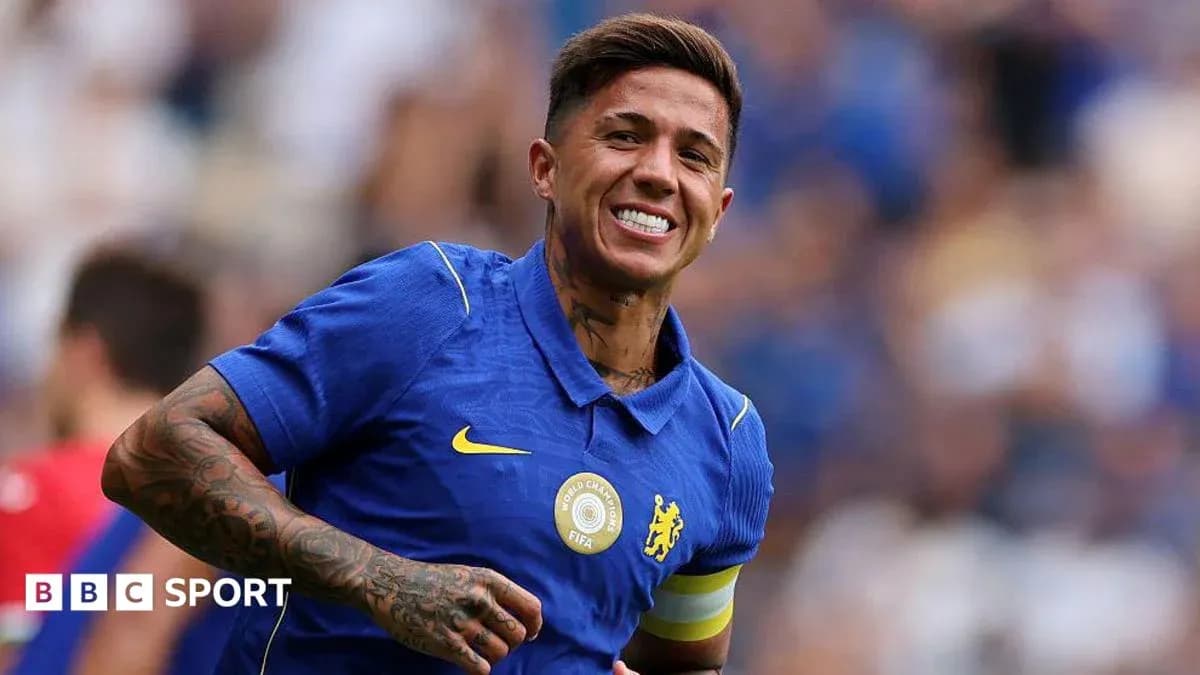
Chelsea Triumphs 3-1 Over Real Sociedad with Rogers and Pedro Stars
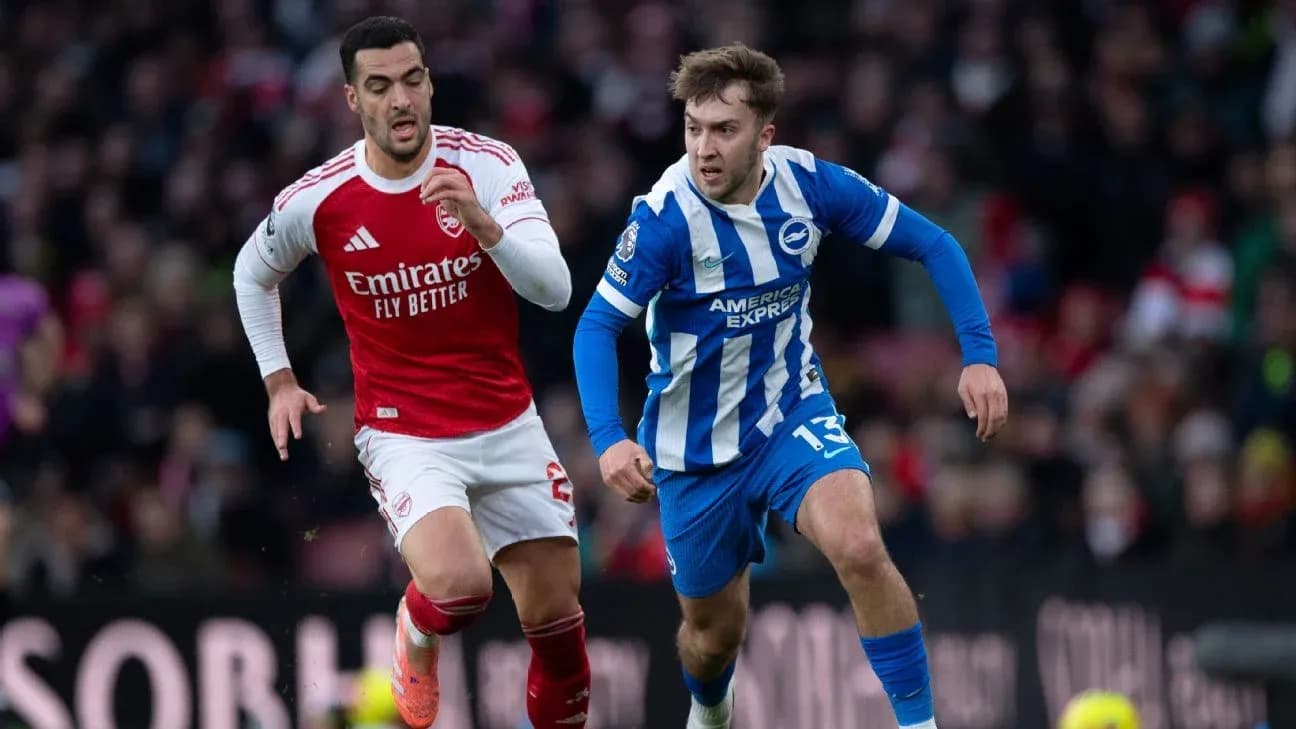
Arsenal Pursue Jack Hinshelwood as Premier League Giants Eye Midfielder
Liverpool's Summer Transfer Window: What to Expect
World Cup Stars Ready to Shine in the Premier League 2026-27