
Žilina’s Tactical Masterclass in 2-1 Comeback Against HNK Hajduk Split
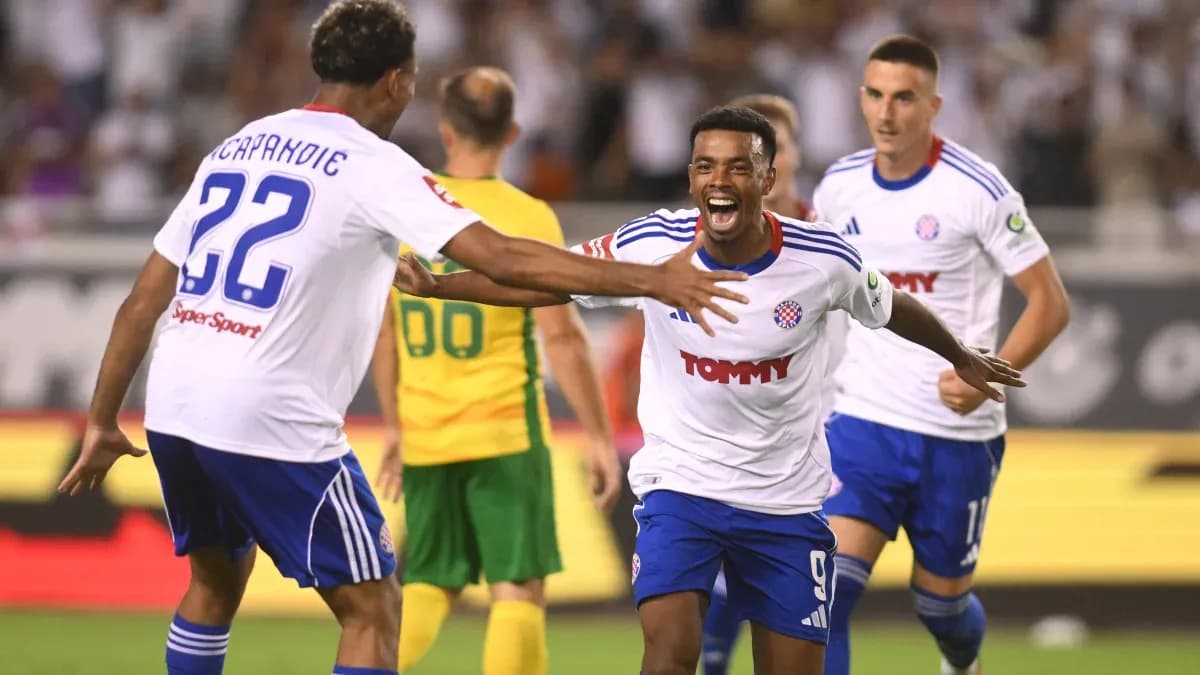
Žilina’s 2-1 comeback over HNK Hajduk Split at Štadión pod Dubňom was shaped far more by structural and in-game tactical shifts than by raw statistical dominance, as most quantitative metrics beyond card counts are unavailable. What emerges clearly from the data is a story of a side in a 3-4-3 (Žilina) gradually solving a 4-2-3-1 block (HNK Hajduk Split), helped by aggressive second-half substitutions and a late own goal under pressure.
Pavol Stano’s 3-4-3 for Žilina was built on a back three of T. Paliscak, J. Minarik and A. Narimanidze, with T. Hranica stepping higher from the nominal defensive line to operate almost as a wide midfielder on the right side of the four. The central duo of X. Adang and M. Kacer had to manage HNK Hajduk Split’s double pivot of R. Pukstas and A. Pajaziti, while K. Bari and Hranica provided width. Up front, the trio of F. Kosa, M. Roginic and P. Ilko were tasked with pinning the Croatian side’s back four, especially full-backs M. Acapandie and Šimun Hrgović, to prevent them from comfortably joining attacks.
Gonzalo Garcia’s 4-2-3-1 for HNK Hajduk Split was more conventional but well balanced. A back four of Acapandie, M. Skelin, Alec Van Hoorenbeeck and Hrgović protected goalkeeper T. Silic, with Pukstas and Pajaziti anchoring midfield. Ahead of them, R. Brajkovic and N. Skoko worked the half-spaces, while D. Melnjak stepped from left-back into advanced zones to support lone forward M. Sego. This shape initially exploited the spaces either side of Žilina’s central midfield two, especially before Žilina’s wing-backs could consistently recover.
First Half
The first half’s key tactical hinge was HNK Hajduk Split’s use of their left side. The opening goal at 45' by Alec Van Hoorenbeeck, assisted by Hrgović, underlined how the Croatian side leveraged their full-backs in advanced positions. Hrgović, starting as the left-back, was able to push high and deliver the decisive ball into a central zone that Van Hoorenbeeck attacked from the back line. That the goal was subsequently confirmed by VAR at 45+3' shows Žilina were being stretched to the limit by these wide overloads, with their back three forced to defend laterally as well as vertically.
Discipline data reinforces this pattern. Both teams finished with two yellow cards each, but the timing and reasons differ and hint at the evolving rhythm. HNK Hajduk Split’s early cautions — Šimun Hrgović (21', “Foul”) and Alec Van Hoorenbeeck (30', “Foul”) — suggest an aggressive, front-foot approach to stopping transitions, especially as Žilina tried to break through Kosa, Roginic and Ilko. Conversely, Žilina’s bookings came later, as they chased the game: X. Adang at 67' for “Persistent fouling” and Andrei Florea at 90+2' for “Foul”. Adang’s card in particular reflects the strain on Žilina’s double pivot once they pushed more bodies forward in search of the equaliser and then the winner.
Second Half Adjustments
Stano’s adjustments after the break were decisive. At 46', T. Paliscak (OUT) made way for M. Okal (IN), a like-for-like change in the back line that likely brought fresh legs and possibly a slightly different passing profile from the right side of the three. The key offensive shift came at 66', when M. Kacer (OUT) was replaced by F. Bzdyl (IN) and F. Kosa (OUT) by M. Fasko (IN). These twin substitutions effectively re-energised both the midfield and front line: Bzdyl adding dynamism and ball-carrying from deeper zones, Fasko offering a more direct threat than Kosa, who had already contributed an assist.
By then, Žilina had already found their route back into the match. At 52', Roginic scored, assisted by Kosa, a goal later confirmed by VAR at 54'. The pattern here is instructive: the front three finally exploited the pockets between HNK Hajduk Split’s centre-backs and full-backs, with Kosa able to find a line-breaking action into Roginic. The VAR confirmation indicates a tight offside or interference check, underlining how close Žilina were playing to the last line as they sought to unpick a disciplined 4-2-3-1.
HNK Hajduk Split’s own substitutions aimed to restore control but arguably blunted their earlier wide threat. At 64', N. Skoko (OUT) was replaced by D. de Almeida (IN), altering the profile of the central attacking midfield role. Then at 75', a double change saw Šimun Hrgović (OUT) for A. Sanyang (IN) and R. Brajkovic (OUT) for A. Guram (IN). Removing Hrgović, who had provided the assist for the opener and been central to left-sided progression, reduced the attacking punch on that flank. Sanyang and Guram brought fresh energy but less established chemistry with the back line, which became more reactive as Žilina pushed.
Stano continued to rotate his attack. At 72', P. Ilko (OUT) gave way to S. Datko (IN), adding another fresh runner between the lines. At 82', X. Adang (OUT) was replaced by A. Florea (IN), a move that tilted the balance further towards offensive play at the expense of some midfield control. Florea’s later yellow card at 90+2' (“Foul”) is consistent with a more aggressive, risk-taking role in the final minutes as Žilina sought to lock HNK Hajduk Split into their own third.
Decisive Moment
The decisive moment came at 90', when D. Melnjak turned into his own net for an own goal, giving Žilina a 2-1 lead. Tactically, this reflects sustained late pressure rather than a single isolated error: by that stage, Žilina’s shape had effectively become a high, attacking 3-3-4, with multiple forwards and advanced midfielders flooding the box. HNK Hajduk Split’s back line, now without Hrgović and Brajkovic, were defending deeper and more narrowly, increasing the risk of miscues under crosses or cut-backs.
With no possession, passing, xG or goalkeeping save data available, the clearest quantitative anchors are the scoreline evolution and disciplinary profile. Žilina overturned a 0-1 half-time deficit into a 2-1 full-time win, indicating superior second-half adaptation. The card distribution — early aggression from HNK Hajduk Split, late and “Persistent fouling” from Žilina — tracks a momentum swing from Croatian control to Slovak pressure. Structurally, the match can be read as a 4-2-3-1 that initially exploited space against a 3-4-3, only for that 3-4-3, once supported by targeted substitutions and higher risk, to pin the back four deep enough to force the decisive own goal.
Related News
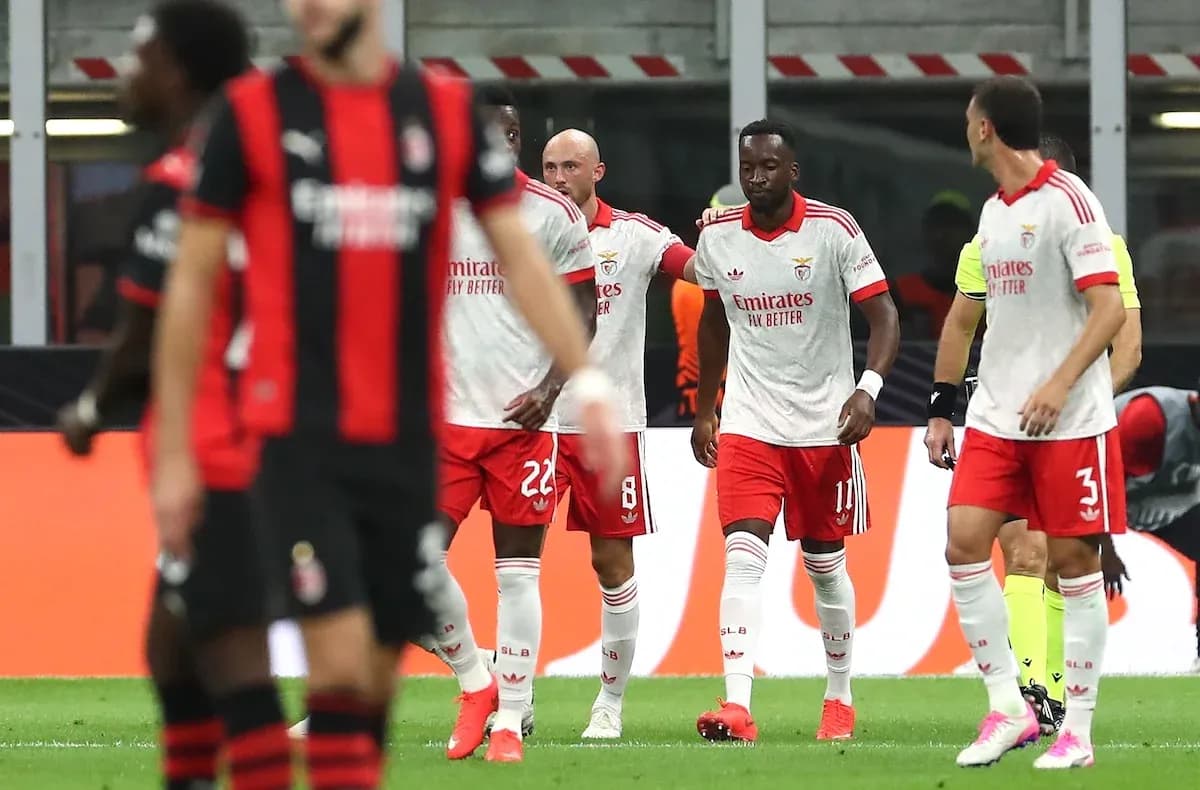
AC Milan vs Benfica: A Clash of Two Philosophies in UEFA Europa League
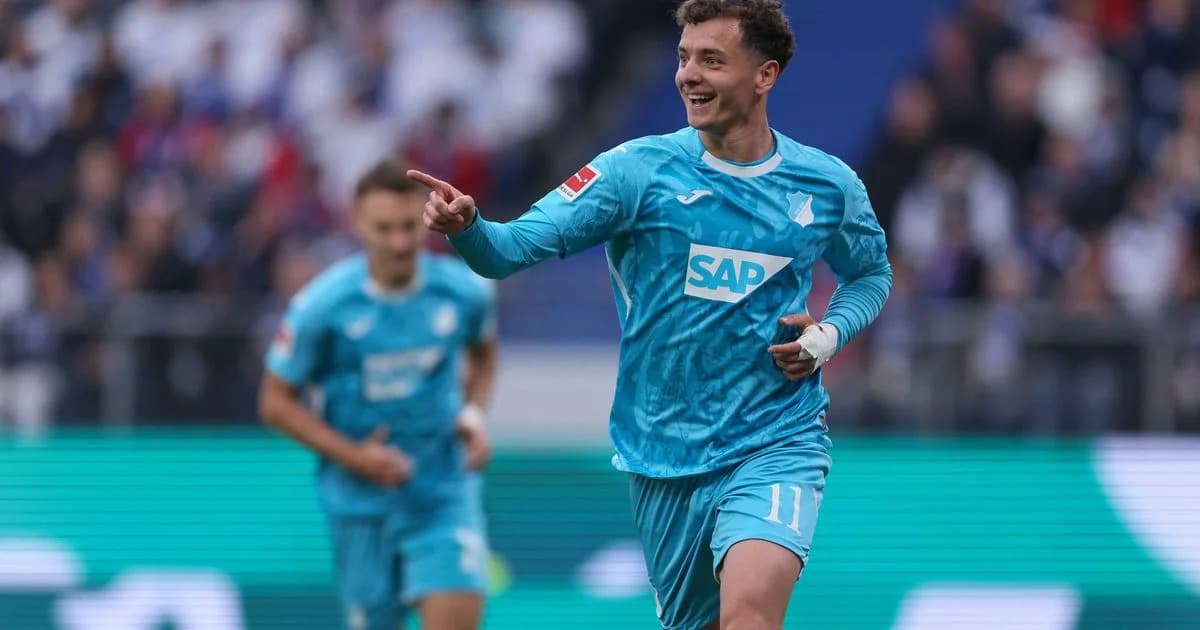
Five Standout Europa League Players to Watch in 2026/27
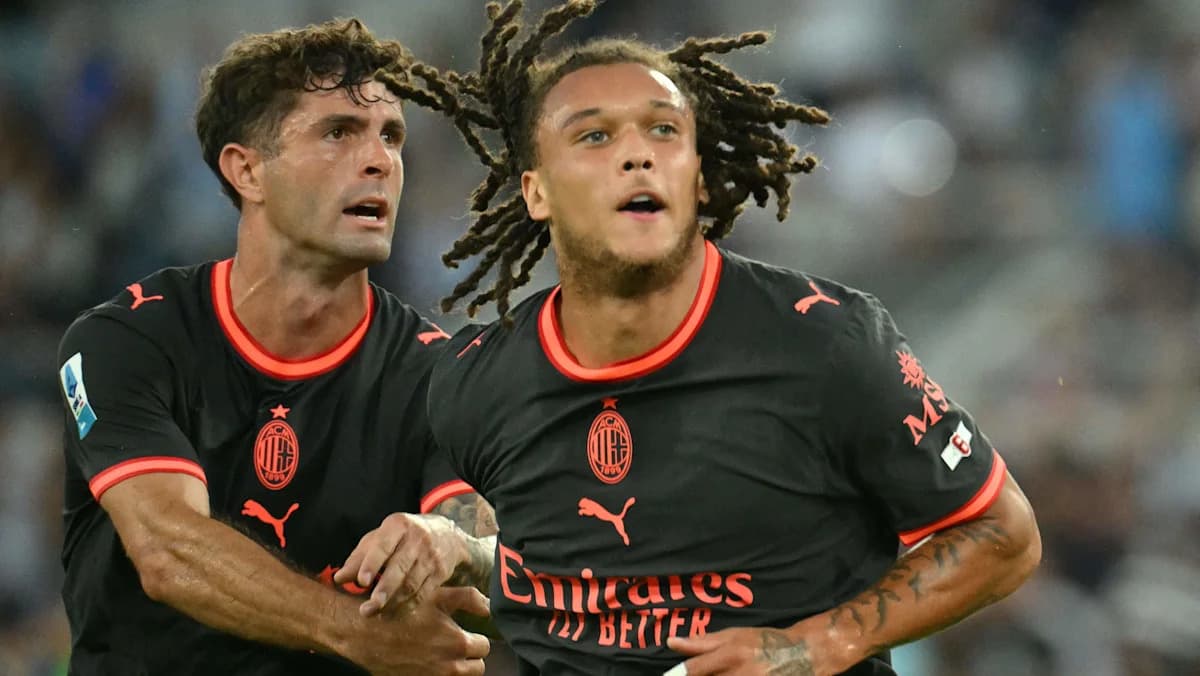
AC Milan vs Benfica Europa League Clash: Team Updates, Lineups & Broadcast Info
Omonia Nicosia vs Benfica Predicted Lineups: Team News for UEFA Europa League
Red Bull Salzburg vs Ararat-Armenia Predicted Lineups and Team News
Celje vs Red Bull Salzburg Predicted Lineups and Team News