
Argentina Advances with 2–1 Victory Over Cape Verde in World Cup Round of 32
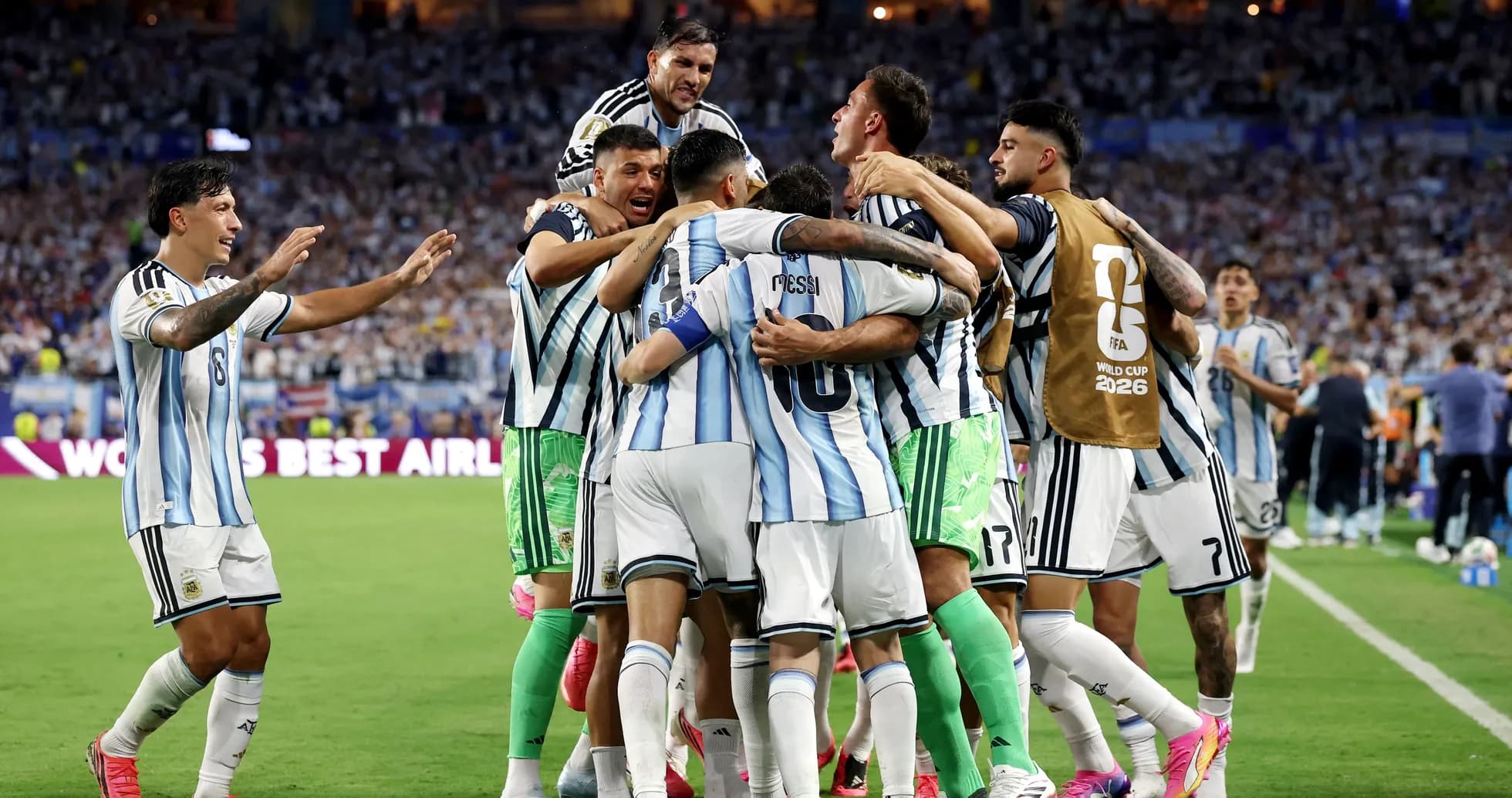
Under the Miami lights at Hard Rock Stadium, Argentina and Cape Verde Islands dragged each other through the full 120 minutes of a World Cup Round of 32 tie. It finished 2–1 after extra time, a scoreline that preserved Argentina’s perfect record in this tournament and finally broke Cape Verde’s stubborn habit of drawing their way through games.
Team Profiles
Heading into this game, the shapes were already written into the teams’ DNA. Argentina arrived as group winners, ranked 1st in Group J after taking 9 points from 3 matches with a total goal difference of +7 (8 scored, 1 conceded). Their season profile in this World Cup was that of a ruthless front‑runner: 4 fixtures in total, 4 wins, with 11 goals scored overall and only 3 conceded. At home in this tournament environment they had played 3 times, winning all 3, scoring 8 and conceding 2, an average of 2.7 goals for and 0.7 against. Even on their travels they had been perfect: 1 away game, 1 win, 3 scored, 1 conceded, averaging 3.0 goals for and 1.0 against.
Cape Verde Islands came in as the tournament’s great disruptors. Ranked 2nd in Group H, they had drawn all three group games, with a total record of 2 goals scored and 2 conceded, and a goal difference of 0. Across the World Cup campaign they had played 4 fixtures in total, drawing 3 and losing 1, still searching for a first win. On their travels they had been competitive but fragile: 3 away matches, 2 draws and 1 defeat, scoring 4 and conceding 5, an average of 1.3 goals for and 1.7 against.
Tactical Approaches
Tactically, this was a clash between an assertive favourite and a compact underdog. Lionel Scaloni doubled down on Argentina’s established structure: a 4‑4‑2 that has been used in all 4 of their World Cup fixtures. Emiliano Martinez anchored the side behind a back four of Nahuel Molina, Cristian Romero, Lisandro Martinez and Facundo Medina. The midfield was balanced but aggressive: Rodrigo de Paul on the right, Alexis Mac Allister and Enzo Fernandez inside, with Thiago Almada drifting in from the left. Ahead of them, Lionel Messi and Lautaro Martinez formed a front two that has terrorised defences all tournament.
On the other side, Pedro Leitao Brito stayed faithful to Cape Verde’s identity: a 4‑1‑4‑1 that has also been their only formation across 4 matches. Vozinha started in goal behind a defensive line of S. Moreira, R. Lopes, D. Borges and S. Lopes Cabral. K. Lenini shielded the back four as a single pivot, with R. Mendes, L. Duarte, D. Duarte and J. Cabral forming the band of four behind lone forward N. Da Costa. It was a structure built to compress space, frustrate and then spring forward in select moments.
Player Impact
The absences list provided no disruptions, so both managers could lean fully into their preferred patterns. That continuity mattered most to Argentina, whose entire attacking scheme is built around Messi’s rhythm. As the tournament’s leading scorer, he entered this tie with 7 goals in total from 4 appearances, taking 22 shots (15 on target), creating 10 key passes and carrying a rating of 9.28. He had even missed a penalty earlier in the tournament, a reminder that Argentina’s threat does not rely on spot‑kicks alone; their penalty record in total reads 2 taken, 1 scored, 1 missed, a 50.00% success rate that forces them to create from open play rather than wait for set‑piece charity.
Defensively, Argentina’s record framed the contest. Overall they had conceded just 3 goals in 4 fixtures, an average of 0.8 per game, and their biggest margin of victory at home in this tournament was 3–0. Clean sheets at home in 2 of 3 games underlined a back line that, when protected properly by the midfield, rarely allows a chaotic match. But the card data hinted at a different story in the dying stages: all of their yellow cards in this World Cup had come late, split evenly across 76–90, 91–105 and 106–120 minutes, each window accounting for 33.33%. Argentina, in other words, tend to tighten the screw and risk bookings as the game stretches into its final acts.
That pattern collided directly with Cape Verde’s own disciplinary curve. They had picked up most of their yellow cards early: 40.00% in the opening 0–15 minutes, another 20.00% between 16–30, then a further 20.00% between 61–75 and 20.00% in 91–105. Their willingness to foul early to disrupt rhythm, then again in the late stages, aligned awkwardly with Argentina’s tendency to push harder as the clock ticks into extra time. This Round of 32 tie was always likely to be a battle of composure in the final quarter‑hour and beyond, and so it proved over 120 minutes.
Key Matchups
The key matchup was always going to be the “Hunter vs Shield”: Messi and Lautaro Martinez against a Cape Verde defence that, across the tournament, had conceded 5 goals in total from 4 matches. On their travels they had allowed 5 in 3 games, an average of 1.7 per away fixture, and their heaviest away defeat had been by a 3–2 scoreline. That profile suggested a back line that can be pierced by sustained pressure, even if the shape in front of it is disciplined.
Behind them, the “Engine Room” duel pitted Enzo Fernandez and Alexis Mac Allister against K. Lenini and the Duarte pair. For Argentina, Fernandez’s role in progressing the ball and Mac Allister’s timing between the lines are crucial to feeding Messi between Cape Verde’s midfield and defence. For Cape Verde, K. Lenini’s job was to narrow that channel, while R. Mendes and L. Duarte had to shuttle to the flanks to track Almada and de Paul without leaving Da Costa isolated.
Statistical Overview
Statistically, the prognosis before a ball was kicked favoured Argentina. They had scored 11 goals overall in 4 fixtures at an average of 2.8 per game, while Cape Verde had managed 4 in total at an average of 1.0. Argentina’s total defensive average of 0.8 goals conceded per match compared well to Cape Verde’s 1.3, and the South Americans had yet to drop a point. Even without explicit xG data, the shot volume and conversion of Messi alone, combined with a team that has never failed to score in this tournament, suggested that over 90 minutes – and ultimately over 120 – the pressure would tell.
In the end, the narrative followed the numbers. Cape Verde were organised, combative and again hard to beat, but Argentina’s superior attacking structure, their comfort in the 4‑4‑2, and the late‑game intensity that has defined their card profile all converged. Over 120 minutes they found the extra goal they needed, turning a 1–1 full‑time score into a 2–1 extra‑time victory, and marching on from the Round of 32 with their perfect World Cup record intact.
Related News
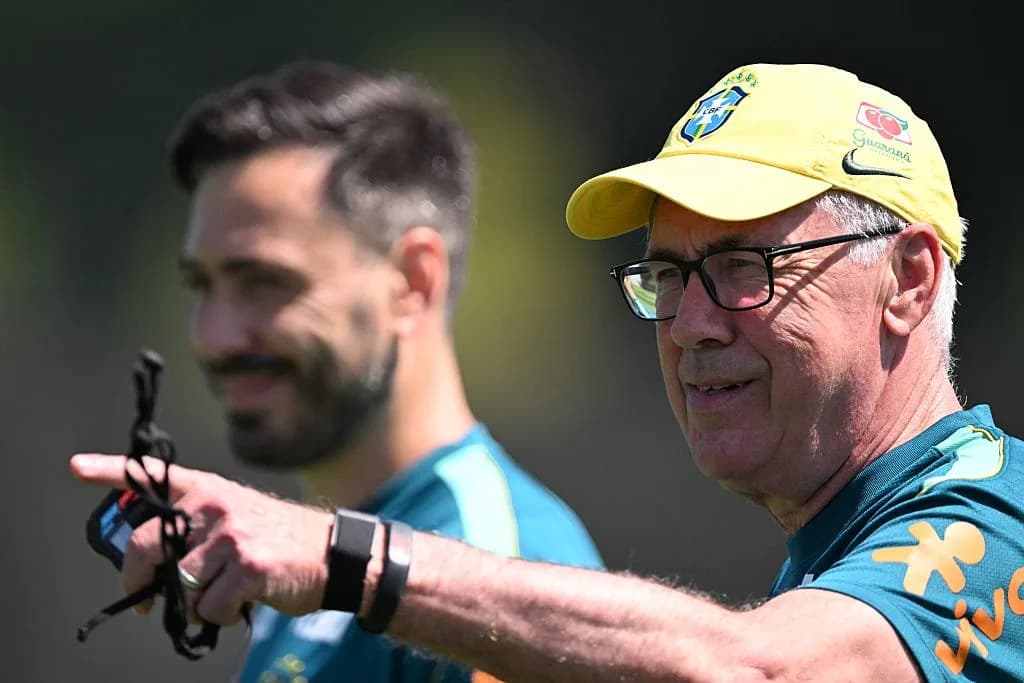
Brazil's First Post-World Cup Friendly: What Should the Lineup Be?
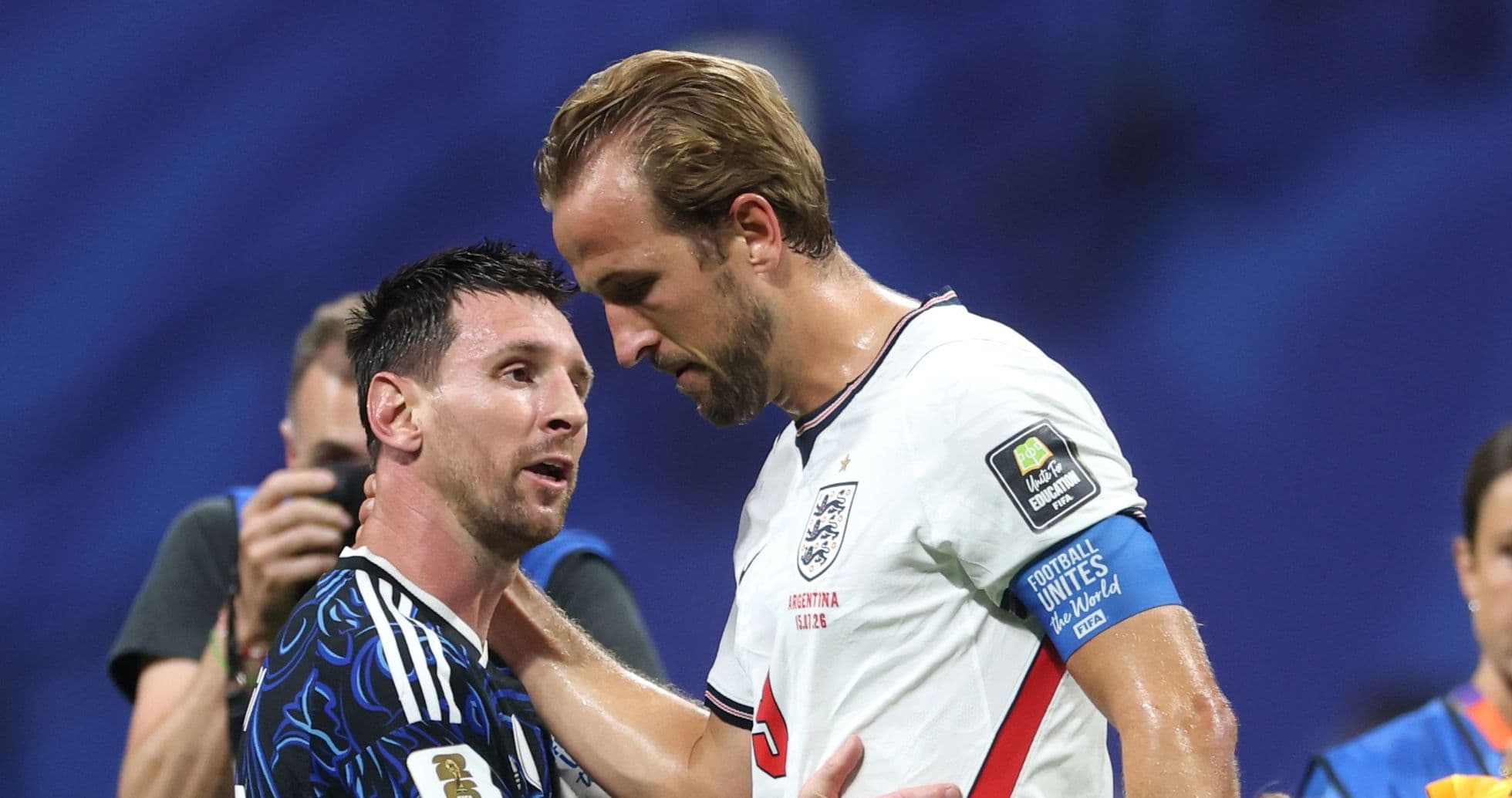
Harry Kane Calls England’s World Cup Exit to Argentina His Deepest International Pain
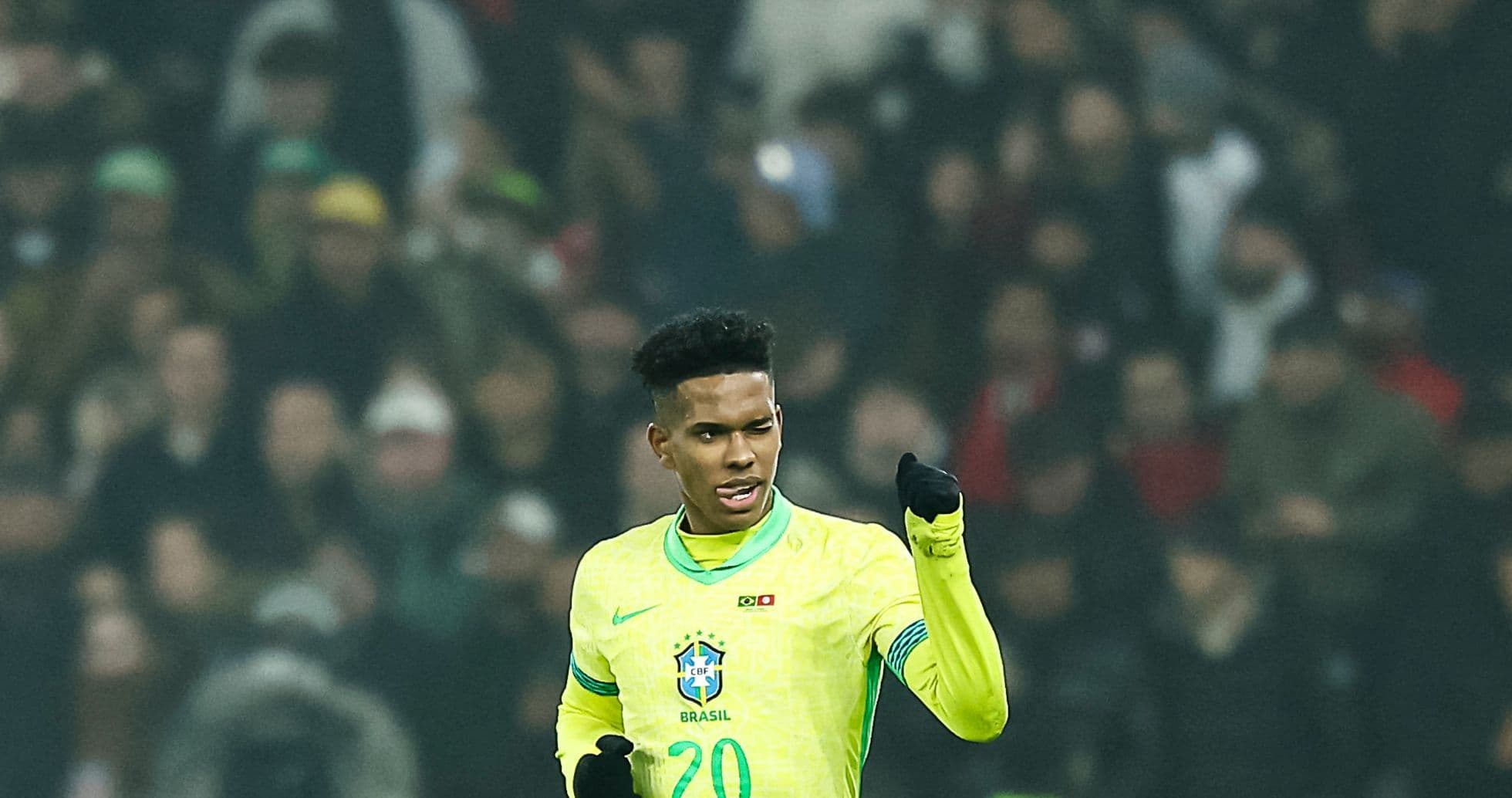
Estevao Opens Up on World Cup Heartbreak and His Unexpected Return to Brazil Under Ancelotti

Thomas Tuchel Shares Unusual Regret After England's 10-Man World Cup Victory Over Mexico

South Korea Names Robert Moreno as Interim Coach After World Cup Exit

Jude Bellingham Returns to Form at Real Madrid Following World Cup Success