
Arsenal's Ambitious Summer Rebuild Amid World Cup Chaos
The Premier League trophy is finally back in the Emirates Stadium cabinet, but nobody inside Arsenal is pretending the job is done. The window has barely creaked open and already the champions are moving with the impatience of a team that knows standing still is the quickest way to fall behind.
Mikel Arteta and sporting director Andrea Berta are braced for a summer of hard decisions. A new attacker, a midfielder and a full-back sit at the top of the shopping list. Big names could leave. World Cup minutes are changing valuations by the day. And in the middle of it all, Arsenal are trying to sharpen a title‑winning squad into one that can dominate Europe as well.
This is not a quiet reset. It’s a calculated overhaul.
Barcola, Diomande and the search for a new edge in attack
The clearest signal of Arsenal’s intent lies out wide. The futures of Gabriel Martinelli and Leandro Trossard are no longer guaranteed, and the club is actively exploring the market for a high‑end winger.
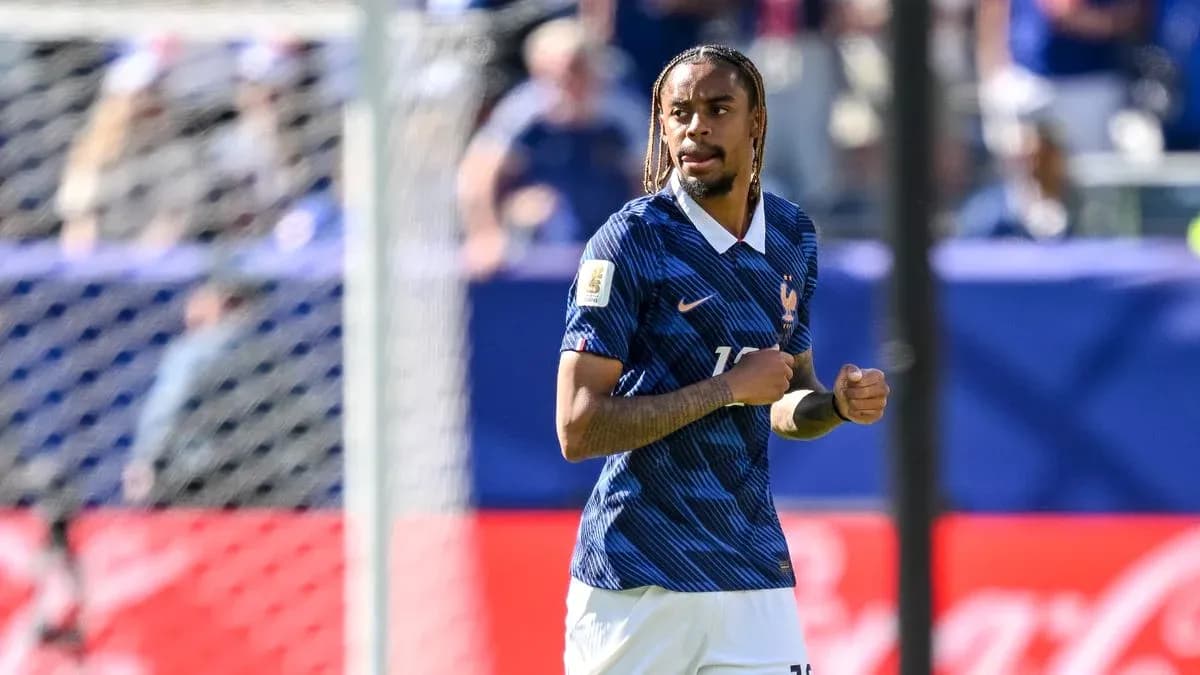
Bradley Barcola has forced his way into that conversation with perfect timing. The PSG forward stepped off the bench for France against Senegal at the World Cup and, within two minutes, announced himself. Adrien Rabiot slipped a clever low pass through, Barcola raced onto it and coolly lifted the ball over Edouard Mendy. A delicate finish, on the biggest stage, in the 82nd minute. Exactly the sort of moment that turns interest into action.
Barcola, who scored 13 goals in 49 appearances last season, is understood to be unhappy with his game time in Paris. Talks over a new deal have stalled, he has two years left on his contract and a fee in the region of £70 million is being discussed. PSG do not want to sell, but the player has asked to leave and serious bids will test their resolve. Arsenal and Liverpool are both circling.
He is not the only wide option on the radar. RB Leipzig’s 19‑year‑old Yan Diomande is the breakout star of the World Cup so far and has already drawn bookmakers’ odds into focus. Liverpool are rated narrow favourites to sign him, but Arsenal sit just behind, with the Ivorian expected to cost close to £100m. For a club that already boasts Bukayo Saka and Noni Madueke, that level of investment would be a statement about the next decade, not just the next season.
Madueke, for his part, has made his own ambitions plain. Speaking in the US, the winger set his target without blinking: he wants to become one of the best in the world and knows that means more goals, more assists, more end product. Arsenal’s recruitment drive on the flanks is not just about numbers; it’s about raising the bar for everyone already in the building.
Midfield shake-up: Tonali, Kone and a watchful eye on Rice
Arsenal’s engine room already contains a £100m leader in Declan Rice, but even he did not escape the World Cup unscathed. The midfielder left England’s 4-2 win over Croatia on 72 minutes after feeling discomfort in his lower back and upper hamstring. Thomas Tuchel, now in charge of the national team, moved quickly to calm the noise.
Tuchel admitted Rice had “unusual ball losses” and visible discomfort, prompting a precautionary change. Reece James came on and impressed in midfield, but the key line arrived afterwards: Rice reassured his manager “it’s good, it’s good”, and Tuchel described the issue as nothing big to worry about. Arsenal will still watch closely. Their season is built on Rice’s availability.
Behind him, though, the picture is shifting. Sandro Tonali has re-emerged as a serious option. Newcastle, under pressure to meet financial regulations after missing out on the Champions League, have made the Italian available and value him in excess of €100m (£86m). Arsenal tracked Tonali in January and remain admirers. Manchester City and Tottenham are in the race, but reports in Italy suggest Manchester United have stepped back, potentially clearing one rival from the path.
Spurs head coach Roberto De Zerbi views Tonali as an ideal fit for his project, yet Arsenal can offer something different: a title-winning platform and Champions League nights. The price, though, remains a major obstacle and could yet push the Gunners towards more flexible deals elsewhere.
One of those is Manu Kone. The Roma midfielder, 25, made 37 appearances last season and is currently with France at the World Cup. L’Equipe report he is expected to leave Roma, with Inter Milan interested, but Arsenal have already moved. According to Corriere della Sera, the club have held talks with Kone’s representatives and agreed personal terms, with Roma valuing him at around £43m.
Kone himself is keeping his head down. He has insisted he is “only thinking about the World Cup” and will address his future once the tournament ends. That suits Arsenal. They can work the numbers in the background while he plays on the biggest stage.
And then there is Ayyoub Bouaddi. Arsenal have been tracking the Lille prodigy since 2025 and Berta has already met his camp several times this year. The 18‑year‑old shone for Morocco in their World Cup opener against Brazil, underlining why the club view him as a potential world-class midfielder. For now, Bouaddi is echoing Kone’s stance, stressing that his focus is solely on the tournament. But the groundwork at Arsenal is done.
Full-back focus: Fresneda and the hunt for balance
At full-back, Arsenal want a defender who can lock down a flank as effectively as they can join the build-up. Ivan Fresneda has surged back into contention.
The former Real Madrid youngster endured a stop-start spell under Ruben Amorim at Sporting, making just 16 appearances and losing two months to shoulder surgery. Under Rui Borges, though, his career has ignited. Fresneda has racked up 63 games, forced his way back into Spain’s under-21 set-up and reminded Europe why he was so highly rated at Real Valladolid.
His game is built on defensive awareness and positioning rather than the buccaneering overlaps that Amorim prefers from his wing-backs. That, according to Portuguese outlet A Bola, is precisely why Arsenal and Real Madrid are watching him again. Fresneda’s attacking numbers – four goals and four assists in his club career – are modest, but his discipline off the ball fits a side that wants to squeeze opponents and control transitions.
Youth movement: Monga, Dowman and the next Hale End wave
While the first team chases nine-figure signings, Arsenal are quietly doubling down on their long-term talent pipeline.
Talks are underway with Leicester City over 16-year-old Jeremy Monga, a forward who has already been a regular in the Foxes’ first-team squad. Arsenal rate him highly and are exploring a deal worth between £10m and £15m. It would be another aggressive move in the teenage market after agreeing to sign Victor Ozhianvuna in January and securing Ecuadorian twins Edwin and Holger Quintero for 2027.
Inside the club, Max Dowman has already shown what can happen when that pathway works. The teenager has been voted Emirates Goal of the Season for 2025/26 after his astonishing solo strike against Everton. Picking the ball up 75 yards from goal, he tore past Vitali Mykolenko, slipped away from Kiernan Dewsbury-Hall and rolled into an empty net. That was his first goal for Arsenal, and it made him the youngest scorer in both the club’s and the Premier League’s history at 16 years and 73 days.
Hale End is still doing its job. The question now is which of its latest graduates get their chance in north London, and which are moved on to make space.
Nwaneri at a crossroads
No case illustrates that dilemma more clearly than Ethan Nwaneri’s.
The teenager’s loan spell at Marseille in the second half of last season never caught fire, despite a debut goal. Game time dried up, momentum stalled and now his future is back on the agenda. A social media report claims Liverpool are “keeping a close eye” on him, a year after he was first linked with a move away from Arsenal.
Chris Waddle, who played for both Marseille and England, believes the answer is simple: Nwaneri needs to play. Speaking to Andy’s Bet Club, Waddle argued that another loan – ideally to a promoted side or a bottom-half Premier League club – would give him the regular minutes he needs. He warned that sitting in the reserves at Arsenal could drain belief and value.
Waddle also floated Newcastle as a possible destination, but stressed any move should be structured carefully, perhaps as a one-year loan with an option to buy. The message was blunt: if Nwaneri wants to rebuild his England prospects and fulfil the promise he once showed breaking into the Arsenal side, he cannot afford another season on the bench.
Arteta and Berta must now decide whether his development is best served inside their evolving squad or elsewhere.
Captain’s craft: Odegaard hints at a new weapon
While the market swirls, some of Arsenal’s most important players are quietly adding new tools to their game.
Martin Odegaard made his World Cup debut for Norway in a 4-1 win over Iraq and produced the sort of performance that will have caught Arteta’s eye. The 27‑year‑old completed 97.6% of his passes, finding a teammate with 41 of his 42 attempts according to the BBC, and put in his usual shift in midfield. But it was his set-piece work that really stood out.
In the final 15 minutes, Odegaard whipped in a corner with such precision that Leo Ostigard only needed the faintest touch at the near post to guide it into the far corner. For Norway, Odegaard is trusted on corners. For Arsenal, that duty usually falls to others. On this evidence, that might change. Declan Rice has competition from his own captain at dead balls now.
William Saliba also impressed at the tournament, starting alongside Dayot Upamecano in France’s 3-1 win over Senegal as Kylian Mbappe did the damage at the other end. Arsenal’s spine is not just holding its own on the world stage – it is thriving.
Saka’s gamble and Gyokeres’ defiance
Bukayo Saka, the face of this Arsenal era, is pushing his body to its limit to stay on that stage. The winger has been nursing an Achilles problem since March, missing a month of club football and the international window, yet he chose to play through pain in the run-in and has taken the same approach with England at the World Cup.
He described it as “the biggest gamble” a player can take, knowing that nobody will lower their expectations just because he is short of his sharpest. But he insists the risk “paid off” for Arsenal and says he feels better now than he has for months, crediting the careful management of both Arsenal and England’s medical teams. He is “ready to go” again.
Up front, Viktor Gyokeres is fighting a different battle – not with his fitness, but with perception. The Swede finished last season as Arsenal’s top scorer with 21 goals in 55 games after a £55m move from Sporting CP, fired them to the Premier League title and then dragged Sweden to the World Cup via the play-offs, including a hat-trick against Ukraine and the winner versus Poland.
Yet during Sweden’s 5-1 demolition of Tunisia, former international Martin Aslund criticised his first touch on social media, claiming he needed to release the ball quicker. Gyokeres was not impressed. Pointing to his one assist on the night – and the two more he felt he could have had – he fired back: “I don’t know how many assists you should get in a game.”
For a striker eyeing a summer to remember after a historic club season, the message was clear: he is not interested in being defined by anyone else’s narrative.
Rashford, Alvarez and a shifting striker market
One forward who will not be part of Arsenal’s plans is Marcus Rashford. The club have cooled their interest in the Manchester United man, whose future remains uncertain after Barcelona declined to trigger a €30m (£26m) option to make his loan permanent. United want a permanent sale, Rashford has little appetite to stay, and a clause in his contract blocks a move to Manchester City or Liverpool. Arsenal, though, have stepped away.
Instead, attention has turned to a more complex situation in Spain. Reports claim Arsenal have reached an agreement with Atletico Madrid for Argentina international Julian Alvarez, who has scored 49 goals in 106 games for Atleti. The proposed structure is striking: a £43m fee to Atletico, with Viktor Gyokeres moving in the opposite direction to the Riyadh Air Metropolitano Stadium.
Real Madrid have already had a £130m offer rejected for Alvarez, and there is no suggestion a final deal is in place, but the fact Arsenal are even in that conversation underlines the scale of their ambitions at centre-forward. Gyokeres has been a success, yet Arsenal are at least exploring what it would look like to trade him for a different profile of elite striker.
Outgoings begin: Kiwior, Hein and the looming big calls
Any squad this deep requires pruning. Arsenal have already sanctioned two permanent exits.
Jakub Kiwior’s loan at Porto has turned into a full transfer, with the Portuguese club paying an initial £14.7m, potentially rising to £19m. Karl Hein has joined Werder Bremen for around £2.6m after his own successful loan in Germany. Eight academy players have also been released.
Those are the easy decisions. The harder ones are still to come.
Fabio Vieira, Reiss Nelson, Ben White, Christian Norgaard, Gabriel Jesus, Martinelli and Trossard all face uncertain futures. None will be pushed out cheaply, but Arsenal are open to offers that help reshape the squad. Every departure will free minutes and wages for the next wave – or the next headline signing.
The market for potential: Rogers, Kroupi and the price of promise
Arsenal’s recruitment team has not ignored the Premier League either. Morgan Rogers at Aston Villa and Eli Junior Kroupi at Bournemouth are both admired, but neither will come cheap. Villa are said to want £100m for Rogers, while Bournemouth value Kroupi at more than £86m. Manchester United and Barcelona are among the other clubs tracking them.
Those numbers reflect a wider trend: the premium on Premier League-ready attacking talent is now eye-watering. Arsenal must decide where to place their biggest bets – on proven stars like Tonali and Barcola, or on players like Rogers and Kroupi, whose ceilings might be just as high but whose sample sizes are smaller.
A window that will define the next phase
The backdrop to all of this is simple. Arsenal have ended a 20-year wait for the Premier League title and reached a Champions League final, only to fall to Paris Saint-Germain. Arteta and Berta know that the hardest step is the next one: turning a breakthrough into an era.
They want an attacker who can change games on his own, a midfielder who can share the burden with Rice, a full-back who can lock down a flank, and a bench stacked with young talent ready to seize their moment. They are willing to cash in on popular players to get there.
The window is open until September 1. The champions have started early. By the time it closes, will this be remembered as the summer Arsenal consolidated their position at the top – or the one where they gambled everything to build a dynasty?
Related News
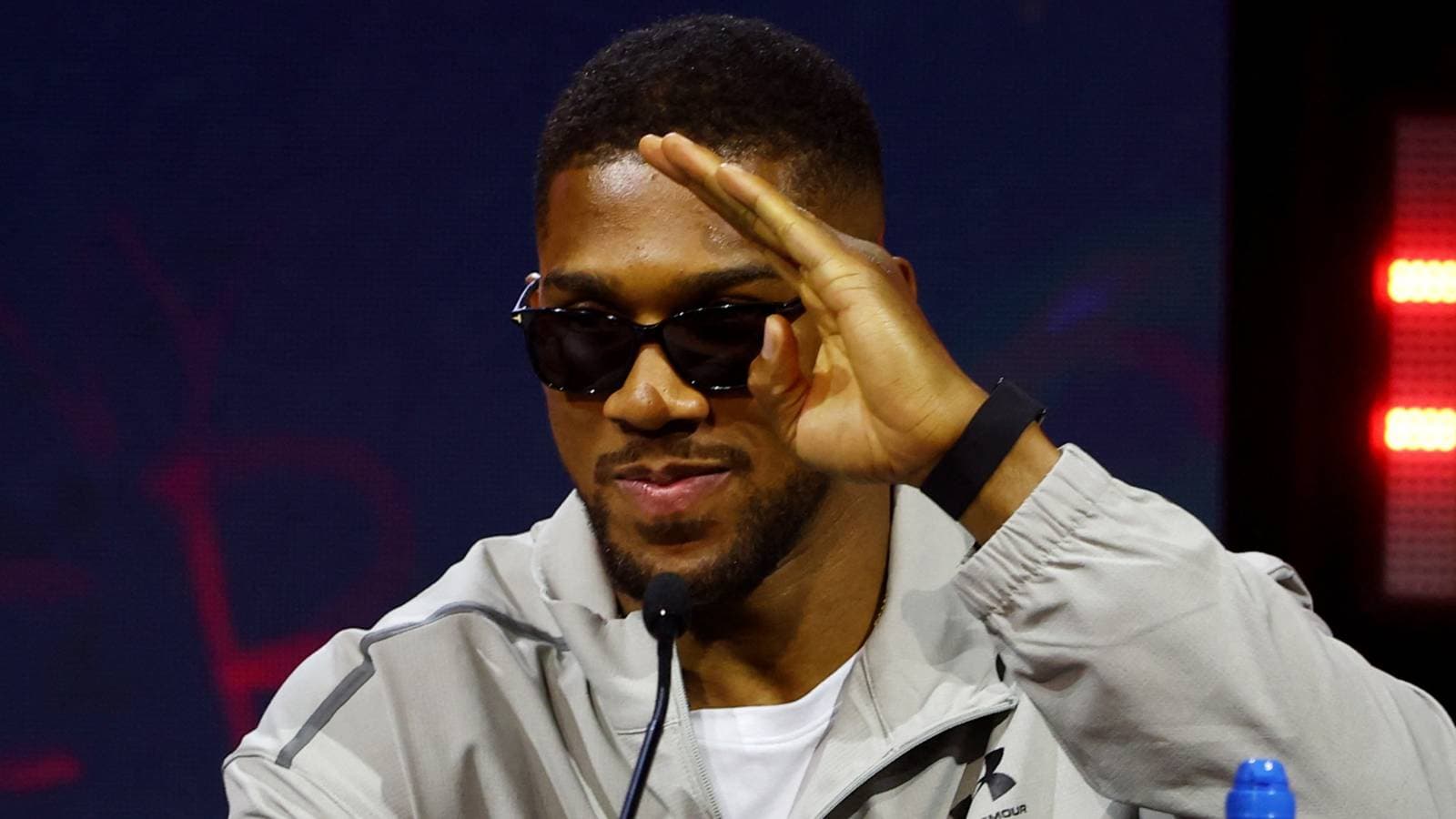
Anthony Joshua Names Murat Gassiev as Next Opponent if He Defeats Tyson Fury
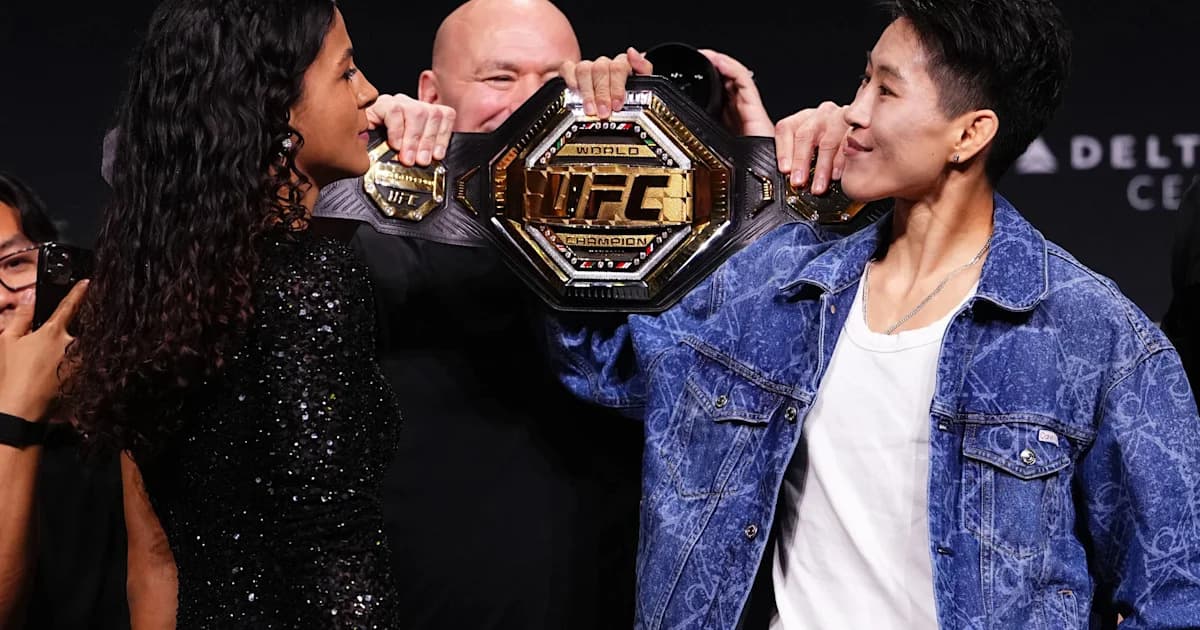
UFC 332: Start Time and Fight Highlights for Natalia Silva vs. Wang Cong
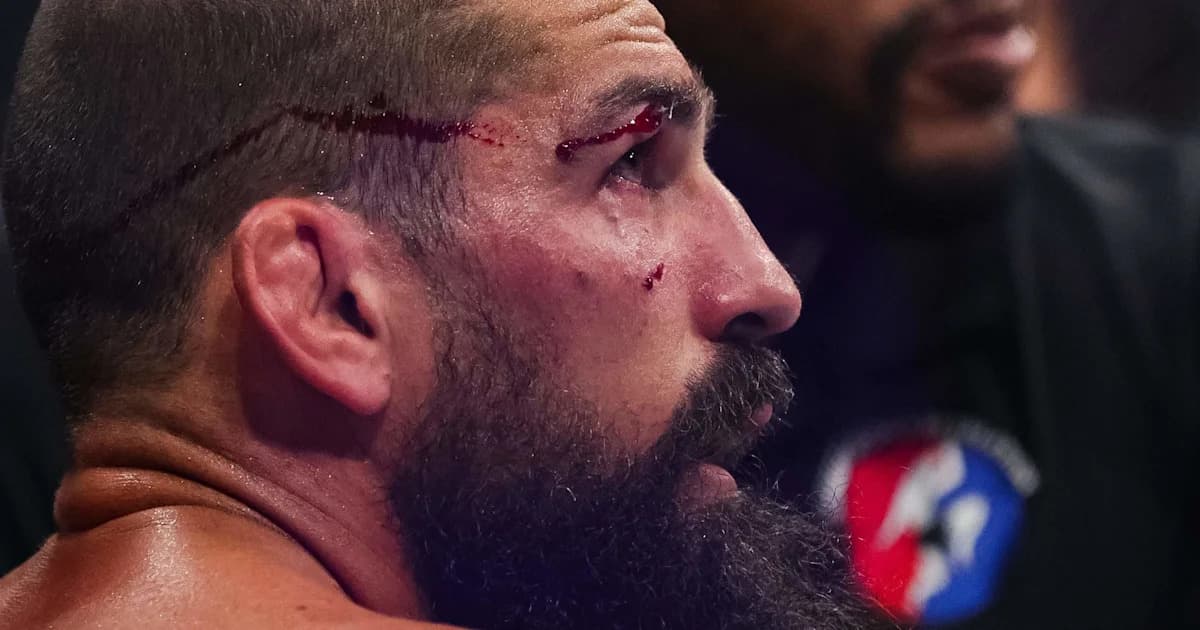
Court McGee Opens Up About Choosing UFC 332 as His Final MMA Fight
WBC Orders Lightweight Title Unification: William Zepeda vs Jadier Herrera
BCCI Pension List: Monthly Payments to Retired Indian Cricketers in 2025

Why Fury vs Joshua Is Set for Cardiff, and Dua Lipa’s Unexpected Role