
Arsenal Faces Challenges in Title Defense and Champions League Bid

Arsenal are back in public view on Saturday night, swapping the quiet of a 3-0 training-ground win over MK Dons for the sharper glare of a pre-season meeting with Girona. For the Premier League champions, this is where the real work starts: proving last season was the start of an era, not a beautiful one-off.
Retaining the title is English football’s hardest trick if you are not called Manchester City. Since Manchester United’s three-peat between 2007 and 2009, no one else has managed it. Chelsea did it once in the mid-2000s. Liverpool have been waiting more than 40 years. Arsenal? You have to go back close to a century to find the last time they defended the crown. Mikel Arteta is walking into a fight with history.
The Champions League offers no respite. Arsenal reached the final last season; doing it again would be an achievement of a different order. Among England’s last five finalists, only Manchester City in 2021-22 even made it as far as the semi-finals the following year. With a deeper, richer Premier League than ever, trying to dominate at home and in Europe at the same time is a brutal assignment.
Arteta’s squad could use help. So far, the transfer window has brought more refinement than revolution. Arsenal have spent around £79m, with more than half of that simply turning Piero Hincapié’s loan into a permanent deal. Important, yes. Transformative, no.
On the left wing, there has been a changing of the guard. Leandro Trossard is out, Christos Tzolis is in from Club Brugge. Seven years younger than the Belgian, the Greek wideman fits the club’s drive to future-proof a group already stacked with players in their early and mid-20s. It is a smart, tidy piece of business.
But it is not Vinícius Júnior.
If Arsenal want to turn that left flank into one of the most terrifying zones in Europe, the Brazilian is the name that does it. The numbers underline the argument. Last season Vinícius made 92 carries of at least five metres that ended with either a shot (49) or a created chance (43) – more than anyone in Europe’s top five leagues. He lives in the gaps between defenders, dragging teams out of shape. For a side that has leaned heavily on set pieces at times, that kind of open-play chaos would change the whole feel of their attack.
Then comes the bill.
According to Capology’s wage estimates, Vinícius sits as the joint-third highest-paid player in Europe’s top five leagues, earning more than £100,000 a week above anyone currently at Arsenal. Bringing him in would not just be a signing; it would be a financial earthquake. Tear up the wage structure for one superstar and the phones start ringing. Agents of current players would not stay quiet.
That is why Bradley Barcola, also linked, looks a more realistic play. Younger, cheaper, and without the wage shock. The snag is competition: Liverpool, who are far more desperate for wide players, are circling the same profile of winger. Arsenal want to refine. Liverpool need to rebuild. Needs often win these battles.
This is the landscape facing Andrea Berta, Arsenal’s sporting director. Improving a squad that has just won the league and reached a Champions League final is the most delicate kind of surgery. Get it wrong and you clog pathways for young stars or destabilise a tight dressing room. Get it right and you squeeze out the extra two or three per cent that keeps a champion on top.
It has not been straightforward so far. When Berta arrived last year, the club’s primary targets were said to be Alexander Isak and Benjamin Sesko. Both chose rivals instead. The pool of players who genuinely lift Arsenal’s level is small, and it is shrinking as Europe’s elite lock down their own difference-makers.
So the question becomes: is the biggest upgrade actually just keeping what they already have on the pitch?
Last season’s title win came despite a punishing injury picture. Only a handful of clubs saw players miss more games. Kai Havertz, reportedly the club’s top earner before Bukayo Saka signed his new deal in February, started just seven league matches. The captain, Martin Ødegaard, also spent spells on the sidelines. Across the entire 2025-26 Premier League campaign, Ødegaard and Saka started together only 10 times.
The knock-on effects were stark. One of those games doubled as the only match Declan Rice missed through injury, a 4-1 home win over Aston Villa. Another was a 2-1 home victory against Brighton, when Rice was shunted to right-back. Arteta rarely had the luxury of fielding his ideal midfield and attack together, let alone rotating them.
The result: minutes piled up on the same shoulders. Since the start of last season, Arsenal have had five players in the Premier League’s top 20 for club minutes in all competitions. One is David Raya, a goalkeeper, who you expect to play almost everything. The others form the spine of the side.
- Rice logged 4,456 minutes – 11th most among Premier League club players.
- Martín Zubimendi reached 4,298 (15th).
- William Saliba hit 4,254 (17th).
- Gabriel Magalhães came in at 4,210 (19th).
These are not squad men. They are the core.
Saliba’s load stretched even further. He added 795 minutes for France, taking him past the 5,000-minute mark before a back injury cut short his World Cup and now threatens to keep him out for some time. Rice, meanwhile, still found room for 1,026 minutes with England while managing nerve pain in a hamstring through 2026. The fact he held his form as long as he did feels remarkable.
By this summer, the cost of that workload showed. Rice did not look like the same force for Thomas Tuchel. Arsenal will have watched that closely. And he is not alone. With Viktor Gyökeres also racking up heavy minutes for Sweden, Arsenal now have six players who have gone past 4,400 minutes for club and country since last August. It is a number that screams risk.
Little wonder, then, that pre-season has been dialled down. No long-haul commercial tour this time. Last year’s trip to Asia has been replaced by a far more modest schedule. The game against Girona in Catalonia is as far as they will travel. Around it, Arsenal will host Borussia Dortmund and Como, then head to Dublin to face Real Betis before a short hop to Cardiff for the Community Shield against Manchester City.
The message is clear: conserve energy, control workloads, and trust that rhythm will come later.
There is a trade-off. With so many players still recovering from World Cup exertions, it may be weeks – perhaps months – before we see the fully tuned version of Arsenal. Fatigue, lingering injuries and the possibility of late arrivals in the transfer market all threaten to stretch the bedding-in period beyond Arteta’s comfort zone.
The champions are back, but not yet whole. The question is whether a slightly patched-together Arsenal can survive the early storms long enough for the real thing to emerge.
Related News
Carlos Alcaraz Calls for Change After Laver Cup Court Conditions
Alexander Zverev Secures Laver Cup Victory for Team Europe with Straight-Set Win Over Learner Tien
Novak Djokovic Shares Fitness Update Before China Open Return After US Open Upset
Shubman Gill's Captaincy Record Across All Formats: Tests, ODIs, T20Is, and IPL
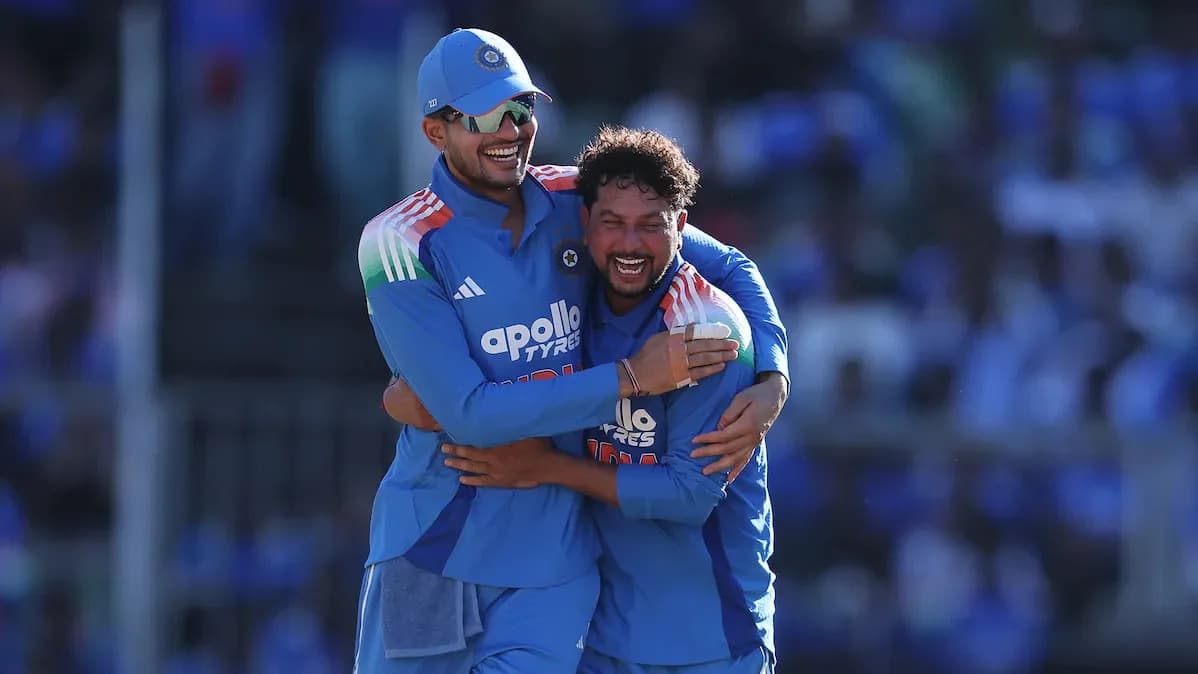
Kuldeep Yadav Named Player of the Match Over Virat Kohli Despite Century in IND vs WI 1st ODI
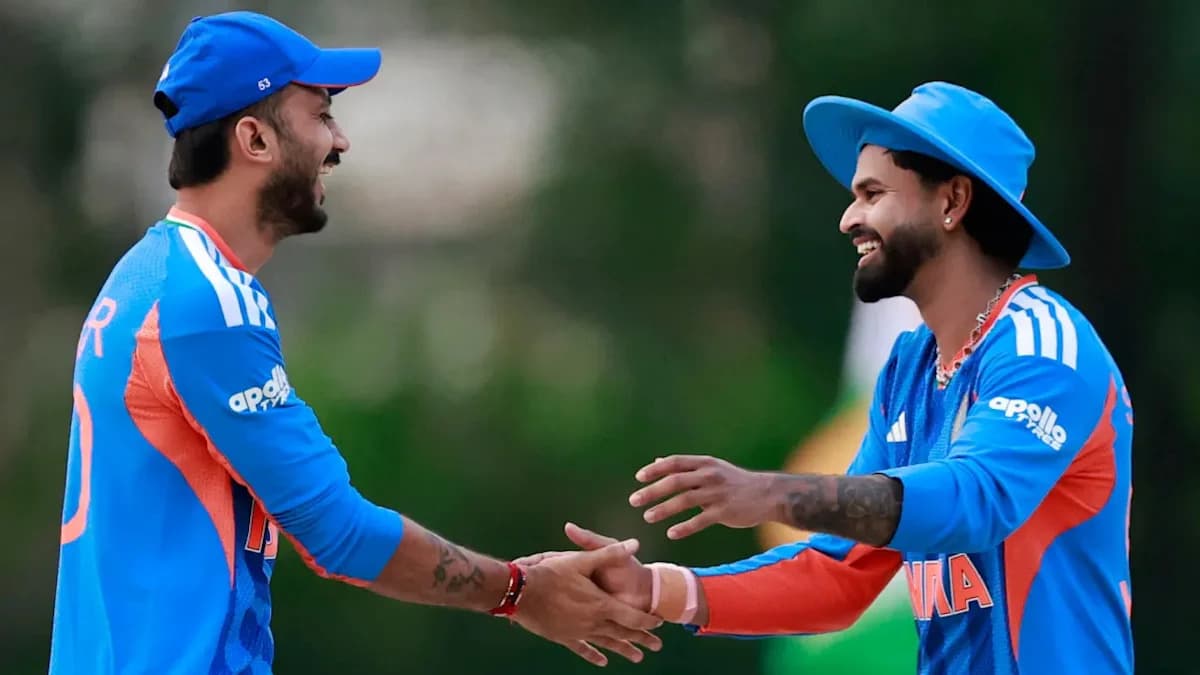
India Advances to Asian Games 2026 Cricket Semi-Finals After Rain Washout Against Afghanistan