
AS Roma Dominates Lecce in Serie A Clash
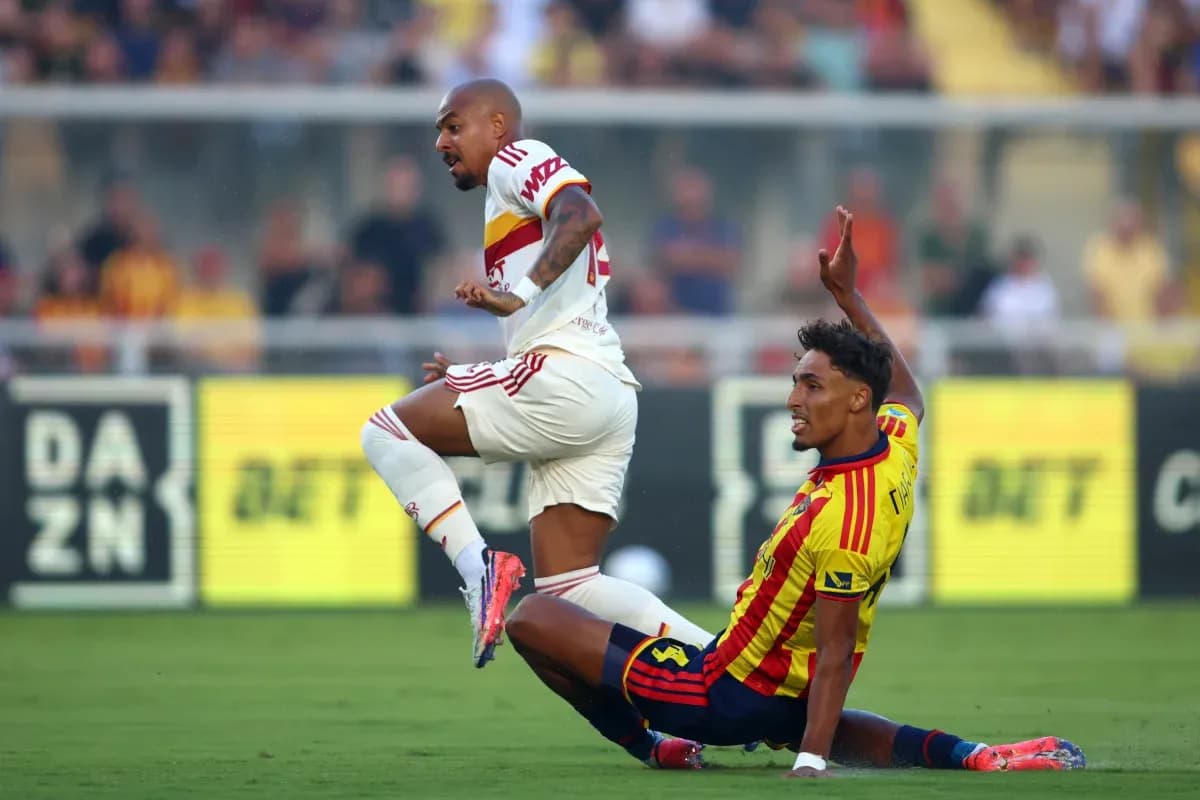
The evening at Stadio Via del Mare ended with a brutal clarity. Under the Lecce sky, AS Roma arrived as league leaders and left having underlined exactly why: a 4–0 dismantling that exposed the structural fragilities in Eusebio Di Francesco’s new-look Lecce while showcasing the ruthless, system-first edge of Piero Gasperini Gian’s Roma.
I. The Big Picture – Two Games In, Two Different Worlds
This was only Round 2 of the Serie A regular season, but the table already tells a stark story. Following this result, Lecce sit 13th with 3 points from 2 matches. Overall they have scored 2 and conceded 4, giving them a goal difference of -2, and all of that damage came at home: at Stadio Via del Mare they have played 1, lost 1, scored 0 and conceded 4. On their travels they are perfect so far, with 1 away win, 2 away goals scored and none conceded.
Roma, by contrast, are setting the early standard. They leave Lecce top of the league in 1st place with 6 points from 2 games, 8 goals scored and 0 conceded overall – a goal difference of +8, the cleanest and most emphatic profile in the division. At home they have already delivered a 4–0, and away they have now mirrored it with another 4–0. The pattern is not just dominance; it is symmetry.
Tactically, both coaches leaned into their identities. Lecce lined up in a 3-5-2, a shift from the 4-3-3 they had already used this season, signalling a desire to crowd central spaces and protect a back three. Roma, consistent with their season so far, again trusted the 3-4-2-1 that has underpinned both wins.
II. Tactical Voids – Where the Structure Broke
For Lecce, the 3-5-2 was meant to be a shield. Wladimiro Falcone anchored a back line of Jannik Siebert, Kiko Gaspar and Tiago Gabriel, with a five-man midfield of Dorgeles Veiga, Lameck Coulibaly, Ousmane Ngom, Ole Romeny Gorter and Cian Ndaba. Up front, Santiago Pierotti and Willem Geubbels offered vertical running but little hold-up security.
The problem was not numbers, but distances. The midfield five were often stretched horizontally, leaving Ngom and Coulibaly exposed against Roma’s rotating box of Paulo Dybala, Matías Soulé, Wesley Franca and Kouadio Emmanuel Koné. With Lecce’s season statistics showing that at home they concede an average of 4.0 goals and score 0.0, this was not a one-off collapse but an extension of a worrying trend: when they step out at Stadio Via del Mare, their block loses compactness and their transitions fall apart.
Discipline is another red thread. Overall this campaign Lecce have spread their yellow cards evenly, with 25.00% of their cautions in each of the 0–15, 46–60, 61–75 and 76–90 minute windows. That even distribution suggests a side that is perpetually firefighting rather than one that suffers only brief lapses. When the structure is under strain from the first whistle to the last, fouls become a survival mechanism rather than a tactical tool.
Roma, by contrast, carry their aggression with calculation. Their yellow cards this season are clustered in the 0–15, 31–45 and 46–60 minute ranges, each accounting for 33.33% of their cautions. They press hard at the start of each phase, set the tone, then retreat into control. Even without key absentees like Lorenzo Pellegrini, M. Bah and D. Rensch – all missing through injury – their system held, because the roles are modular rather than star-dependent.
III. Key Matchups – Hunter vs Shield, Engine Room vs Enforcer
The most obvious “Hunter vs Shield” duel was Donyell Malen against Lecce’s back three. Malen arrived in Lecce as Serie A’s top scorer, with 5 goals from 2 appearances, 9 shots in total and 6 on target. His 8.75 rating reflects a forward who not only finishes but constantly threatens with movement, dribbling (7 attempts, 3 successful) and duels (14 contested, 6 won).
Lecce’s defensive talisman, Tiago Gabriel, came into the game as their standout performer in the league’s scoring charts, with 1 goal from defence, 2 tackles and 2 interceptions in 61 minutes of action across the season. He wins 4 of 5 duels overall, a strong individual profile. But against Roma’s multi-layered front, he was dragged into spaces he did not want to occupy, forced to choose between stepping into Dybala’s pocket or tracking Malen’s runs in behind. Once Roma’s wing-backs and wide midfielders pinned Lecce’s own wing players, the back three were left in constant 3v3 isolation.
In the “Engine Room” battle, Koné and Bryan Cristante quietly dictated the terms. Koné’s season numbers – 110 passes at 92% accuracy, 4 key passes, 4 tackles and 14 duels with 8 won – illustrate a midfielder who both circulates and disrupts. Cristante, the metronome, balanced him, allowing Wesley Franca to step higher as a connective carrier. Wesley’s 74 passes at 81% accuracy, 4 key passes and 6 tackles this campaign show why he is already among the top assist providers with 1 assist: he is the hinge between Roma’s back three and their attacking trident.
Dybala, though goalless so far, is the league’s top assist provider with 3. Across 163 minutes he has delivered 7 key passes and 115 total passes at 84% accuracy. In Lecce he again operated as the free artist between the lines, his left foot the scalpel that opened the seams in Di Francesco’s mid-block. Every time Lecce’s midfield line stepped out to him, Malen and Soulé attacked the space behind.
IV. Statistical Prognosis – Roma’s Cold Efficiency vs Lecce’s Fragile Base
Even without explicit xG values, the patterns are unmistakable. Heading into this game, Roma were averaging 4.0 goals per match overall, with clean sheets in both outings and 0.0 goals conceded both home and away. Their chance conversion is high, their defensive line protected by a midfield that wins duels and uses the ball with precision.
Lecce, in total this campaign, average 1.0 goal scored and 2.0 conceded per match. At home, the picture is harsher: 0.0 scored and 4.0 conceded on average, with 1 home defeat and a failure to score in that outing. Their lone clean sheet and 2 goals scored have both come away, in a 0–2 win that underlines a paradox – they are more comfortable ceding initiative on their travels than carrying it in front of their own fans.
Defensively, Roma’s zero goals against overall and 2 clean sheets in 2 fixtures create a platform that magnifies the impact of their forwards. Malen’s 5 goals, Dybala’s 3 assists and the supporting contributions of Wesley and Rodrigo Mora (1 goal, 2 key passes, 3 shots on target) form a front unit that can overwhelm fragile structures without needing a flurry of shots.
For Lecce, the path forward is clear but steep. The 3-5-2 must become a true shield, with better vertical distances between Falcone’s back line and the midfield five, and clearer reference points for when to jump on playmakers like Dybala. Their even spread of yellow cards hints at a team that never truly feels in control; until they can dictate at least one phase of the game – pressing, possession or deep block – they will remain vulnerable to precisely the kind of systematic dismantling Roma produced.
For Roma, this was not just another win. It was the confirmation that their 3-4-2-1, even with key absentees, travels as well as it plays at home. Eight goals scored, none conceded, and a league-leading attack built around Malen’s finishing and Dybala’s orchestration: the early-season narrative is simple. They are not just winning games; they are imposing a template that opponents like Lecce are currently ill-equipped to solve.
Related News

AS Roma vs Atalanta Prediction: Key Stats and Betting Tips
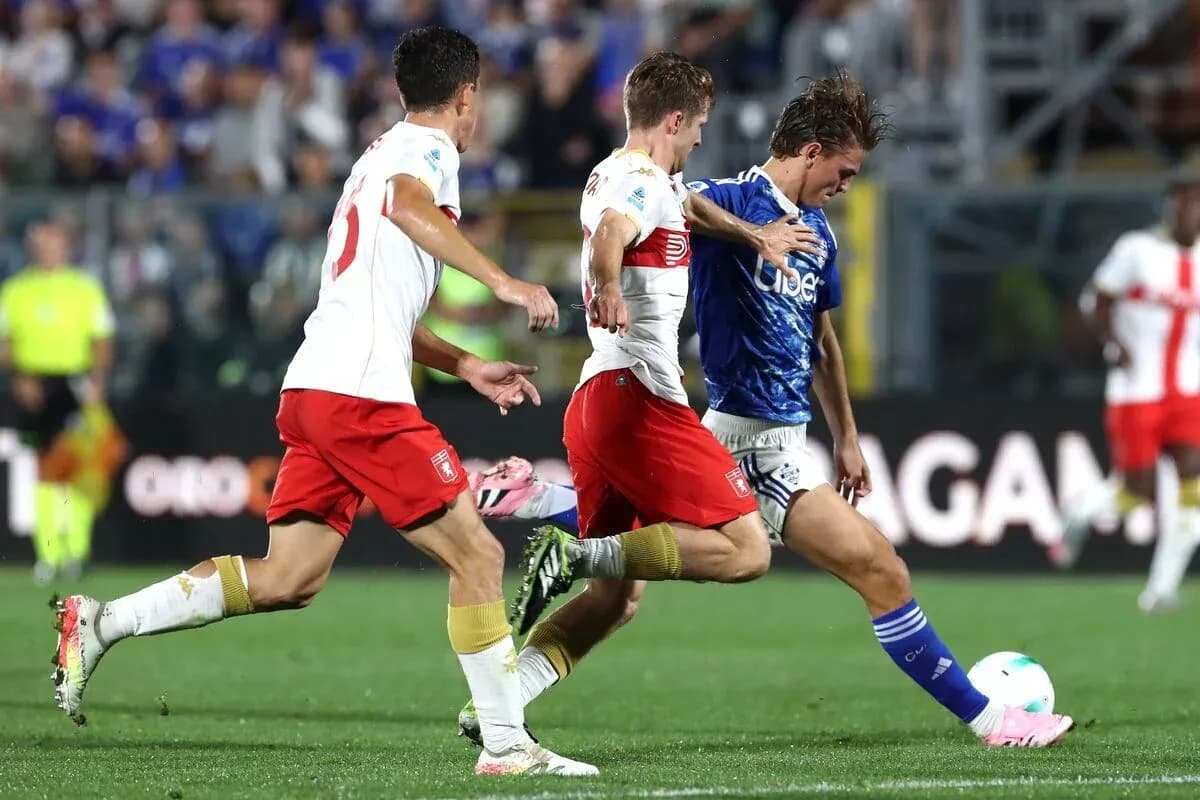
Genoa vs Como Predicted Lineups: Team News and Insights

Inter vs Napoli Prediction: Key Stats and Betting Tips
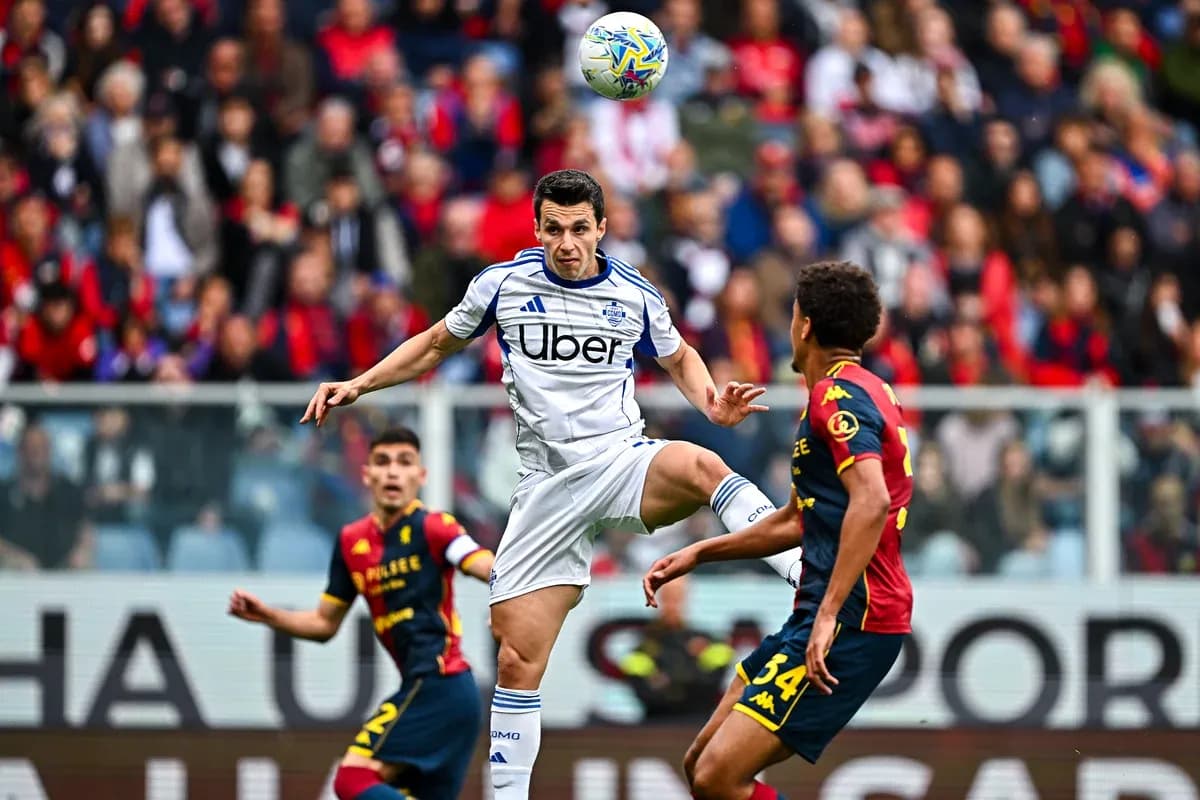
Genoa vs Como: Serie A Clash with Early Consequences
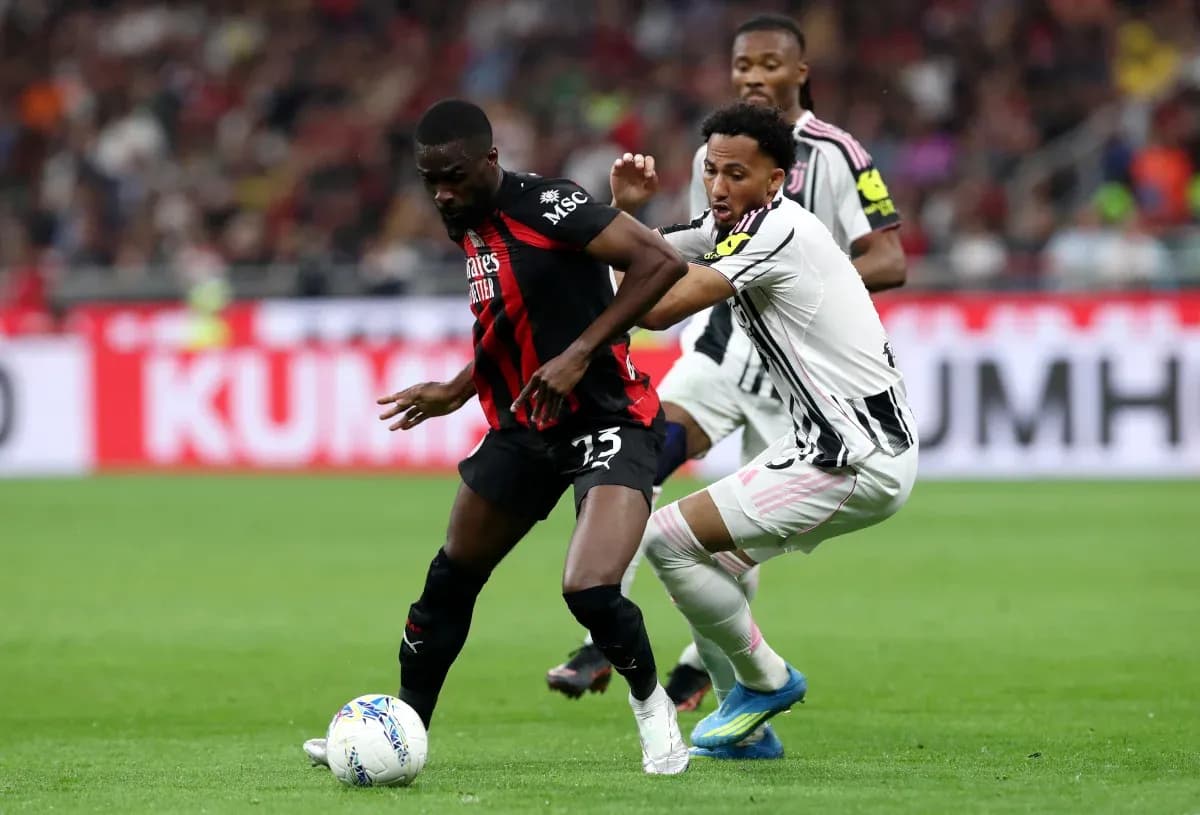
Juventus vs AC Milan Stats: Head-to-head Record and Recent Meetings
Cagliari vs Inter: Tactical Insights from Serie A Clash