
Milan Dominates Lecce: Tactical Analysis of a 3-0 Victory
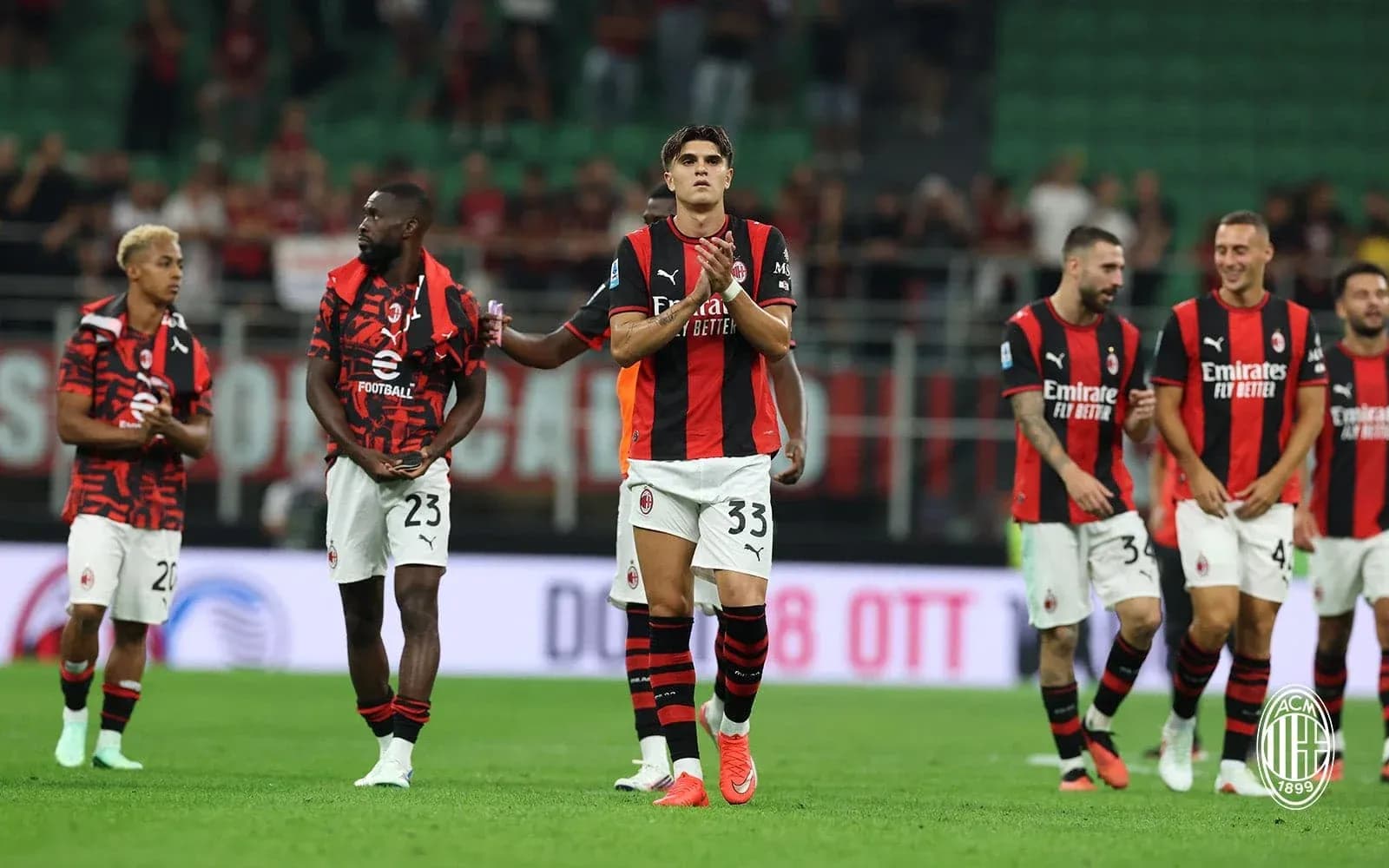
Under the San Siro lights, this was billed as a test of Milan’s emerging identity under Ruben Amorim: a high‑energy 3‑4‑2‑1 against a Lecce side trying to punch above its weight in Serie A. By full time, the scoreboard – 3‑0 to Milan – told a story of structural superiority as much as individual talent.
I. The Big Picture – Milan’s controlled aggression vs Lecce’s fragile balance
Heading into this game, Milan were already shaping the league narrative. Fifth in Serie A with 11 points from 5 matches, they carried an unbeaten record: 3 wins, 2 draws, 0 defeats. Overall they had scored 10 and conceded 4, giving them a goal difference of +6, and the San Siro had become a fortress again. At home they had played 2, won 2, scored 5 and conceded 0. An average of 2.5 goals for and 0.0 against at home underlined why Amorim felt confident doubling down on his aggressive back‑three system.
On their travels and at home combined, Lecce arrived in Milano in a very different mood. Twelfth in the table with 6 points from 5 matches, they were volatile: 2 wins, 3 defeats, no draws. Their overall numbers were stark – 5 goals scored, 10 conceded, for a goal difference of −5. Away, they had played 3, winning 1 and losing 2, scoring 2 and conceding 4. The statistical profile was of a side that can sting but cannot absorb sustained pressure: overall averages of 1.0 goal for and 2.0 against per match.
Amorim’s 3‑4‑2‑1, used in all 5 league fixtures so far, is now Milan’s seasonal DNA. M. Maignan sat behind a ball‑playing and combative trio of M. Gila, K. De Winter and S. Pavlovic. Width came from S. Chukwueze on the right and P. Estupinan on the left, with L. Modric and A. Rabiot orchestrating central traffic. C. Pulisic and A. Saelemaekers roamed as dual tens behind G. Ramos.
Eusebio Di Francesco answered with a 4‑3‑3, one of three shapes Lecce have already used this season, signalling a team still searching for a settled identity. W. Falcone anchored a back four of D. Veiga, K. Gaspar, J. Siebert and A. Gallo. In midfield, S. Pierotti, I. Ilic and Y. Maleh were tasked with both resisting Milan’s central overload and feeding a front three of L. Coulibaly, N. Stulic and J. Monteiro.
II. Tactical Voids – Lecce’s absences and Milan’s discipline edge
Lecce’s squad sheet carried more shadows than Milan’s. M. Berisha, O. Gandelman, W. Geubbels and Tiago Gabriel were all ruled out as missing this fixture, with reasons ranging from lack of match fitness to ankle and unspecified injuries. None are structural pillars yet, but in a squad already stretched, every absence narrows Di Francesco’s in‑game options, particularly in the attacking rotations that a 4‑3‑3 demands.
Milan, by contrast, had depth in every line. The bench could alter the rhythm and profile of the game: R. Loftus‑Cheek and Y. Musah as powerful, vertical midfield options; D. Moreira and F. Camarda as fresh attacking threats; F. Tomori and M. Gabbia as alternative centre‑backs if Amorim wanted to push the line even higher or lock things down.
Disciplinary trends hinted at where this contest might tilt. Milan’s yellow cards this season have been spread exclusively across the second half: 25.00% between 46‑60 minutes, 25.00% between 61‑75, another 25.00% from 76‑90, and 25.00% in added time up to 105. That pattern speaks of a side that increases intensity as the game wears on, living on the edge in duels but without crossing into red‑card territory.
Lecce’s bookings are more scattered, with 10.00% of yellows arriving early (0‑15) and a combined 80.00% from 31 minutes onwards, including a heavy 20.00% slice in each of the 31‑45, 46‑60, 76‑90 and 91‑105 windows. Danilo Veiga embodies that edge: 3 yellow cards already, plus enough aggression to feature among the league’s top red‑card profiles. Against Milan’s wide threats, that volatility was always likely to be a pressure point.
III. Key Matchups – Hunter vs Shield, and the battle for the engine room
The “Hunter vs Shield” narrative was layered rather than simple. For Milan, the purest goal threat in Serie A so far has been Diego Moreira. With 3 goals in 3 appearances and a 7.8 average rating, he has been devastatingly efficient: 4 shots, 3 on target, and 62 passes at 90% accuracy. Even starting on the bench, his presence altered the geometry of Lecce’s defensive line – they knew a fresh, direct runner could arrive to attack tiring legs.
Behind him, A. Rabiot has quietly become a dual‑threat midfielder: 2 goals and 2 assists in 5 appearances, 209 passes at 88% accuracy, and 4 key passes. His late runs and aerial presence ask constant questions of disorganised blocks. Lecce’s overall defensive record – 10 goals conceded in 5 matches, with 4 of those away – suggested that if Milan sustained pressure, chances would come.
On the Lecce side, L. Coulibaly is the hunter‑creator hybrid. Officially listed as a forward in this lineup but operating with midfielder’s work rate, he has 2 goals and 1 assist in 5 appearances, plus 50 duels contested and 27 won. He thrives in chaos, feeding on second balls and broken structure. Yet Milan’s back three, marshalled by S. Pavlovic, have been anything but chaotic. Pavlovic’s season so far – 13 tackles, 2 blocked shots, 1 interception, 374 passes at 92% accuracy – shows a defender who not only dominates physically but also dictates build‑up.
The engine room duel was even more intriguing. For Lecce, I. Ilic is the metronome and creative hinge: 2 assists in 4 appearances, 141 passes at 89% accuracy and 3 key passes. His task was to find Coulibaly and the wide forwards before Milan’s press could suffocate him. Across from him, Modric and Rabiot were supported by the relentless S. Chukwueze, who has already delivered 2 assists, 10 key passes and 14 dribble attempts with 8 successful. Chukwueze’s ability to carry the ball past the first line and combine with Pulisic and Saelemaekers repeatedly exposed Lecce’s midfield spacing.
IV. Statistical Prognosis – Why this always leaned Milan
Strip away the romance of San Siro and the narrative still points in one direction. Overall, Milan average 2.0 goals for and 0.8 against per match. Lecce average 1.0 for and 2.0 against. At home, Milan’s 2.5 goals for and 0.0 against underline a defensive structure that has not yet been breached in this stadium this season. Away, Lecce’s 0.7 goals for and 1.3 against suggest they struggle to both create and contain in hostile environments.
Neither side is reliant on penalties – both have taken 0 overall, with 0 scored and 0 missed – so the open‑play dynamics were always likely to decide this fixture. Milan’s clean‑sheet count (2 overall, both at home) contrasted sharply with Lecce’s single clean sheet away and 3 matches in which they failed to score.
Put together, the tactical and statistical threads converge neatly on what unfolded: Milan’s structure, depth and late‑game intensity overwhelming a Lecce side still trying to stabilise its shape and discipline. In a league where margins are often thin, this was one of those nights where the numbers and the eye test told the same story.
Related News

Juventus Defeats Atalanta 2-0: Tactical Insights and Key Matchups
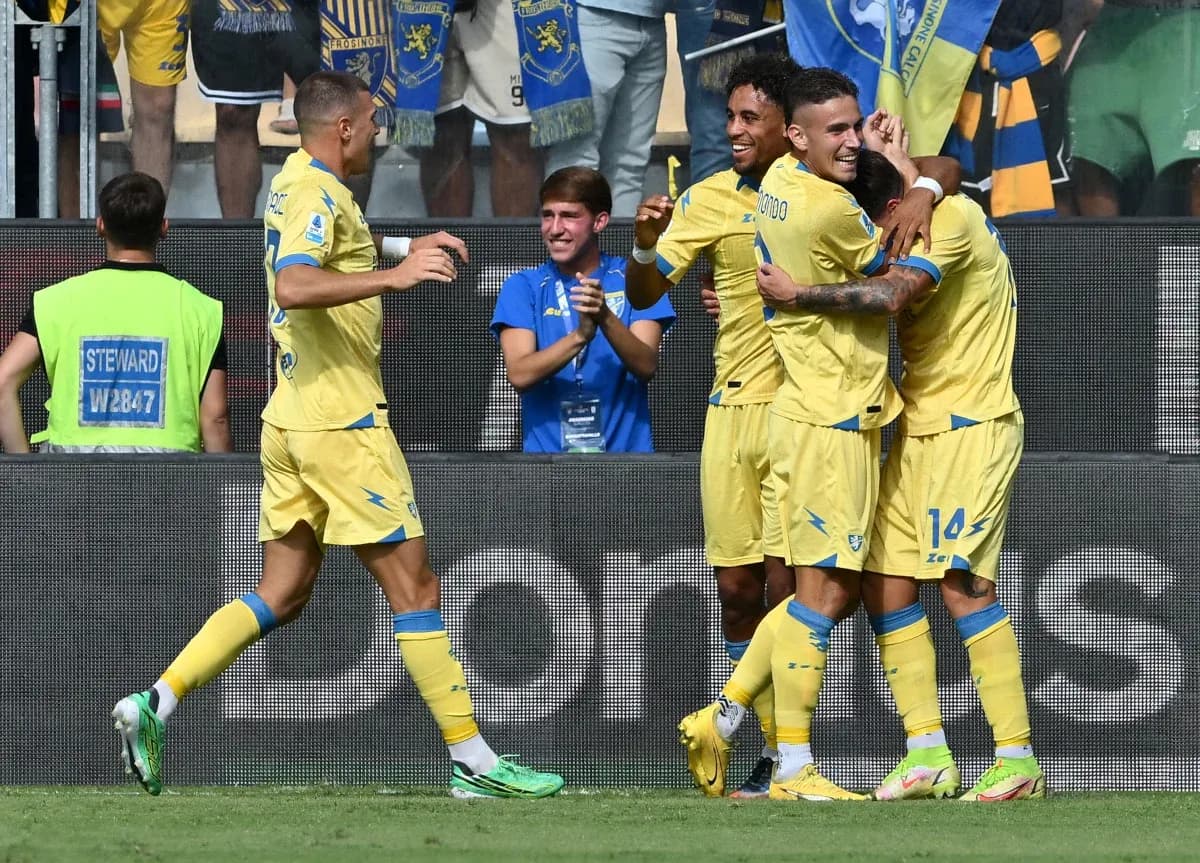
Frosinone's Tactical Mastery Shines in 2–0 Victory Over Como

Fiorentina and Napoli Share Points in Serie A Clash
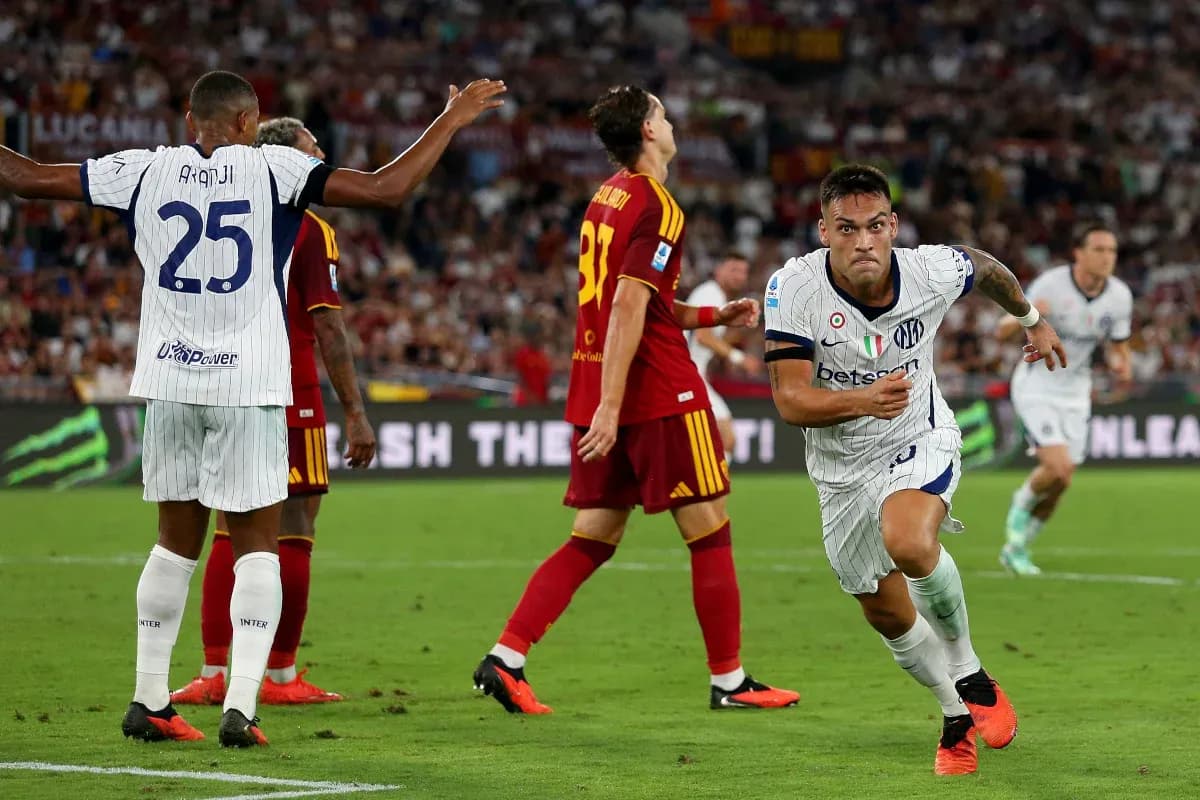
AS Roma vs Inter: Tactical Insights from Serie A Clash
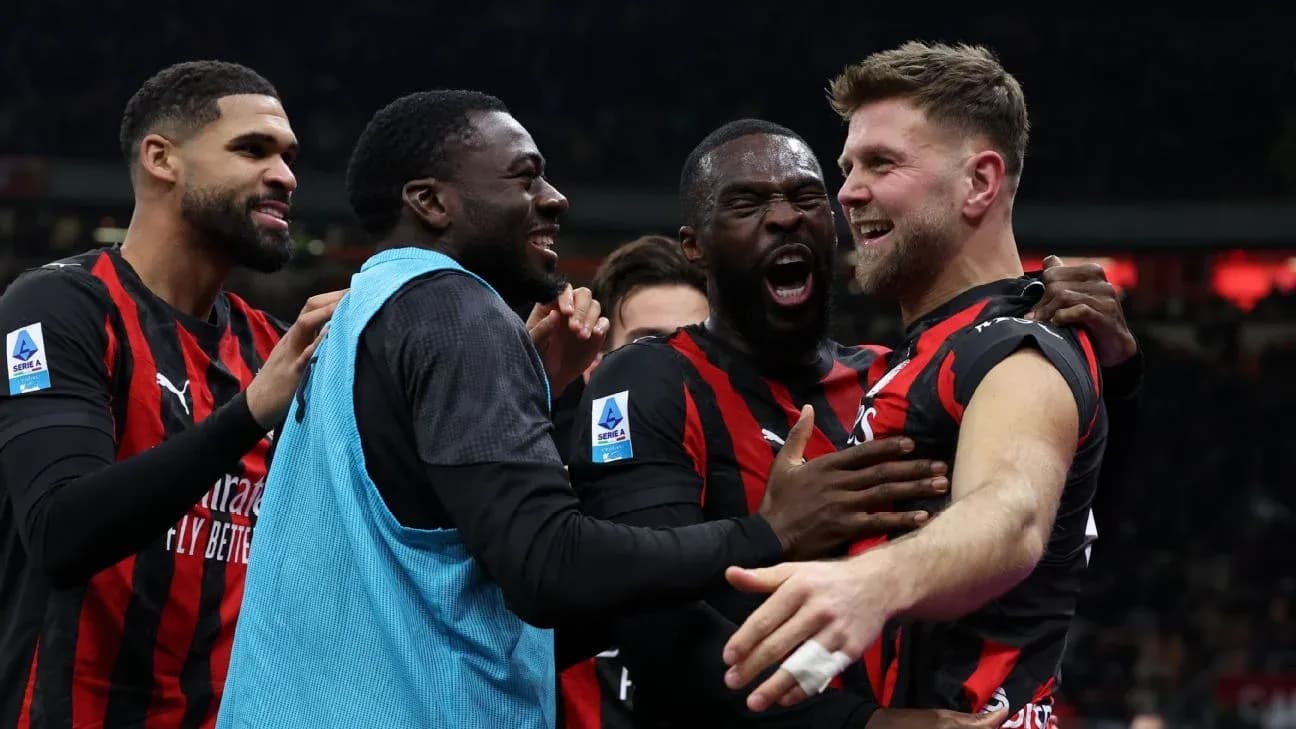
AC Milan vs Lecce: Predicted Lineups and Team News

Juventus vs Atalanta Predicted Lineups and Team News – Serie A