
Frosinone's Tactical Mastery Shines in 2–0 Victory Over Como
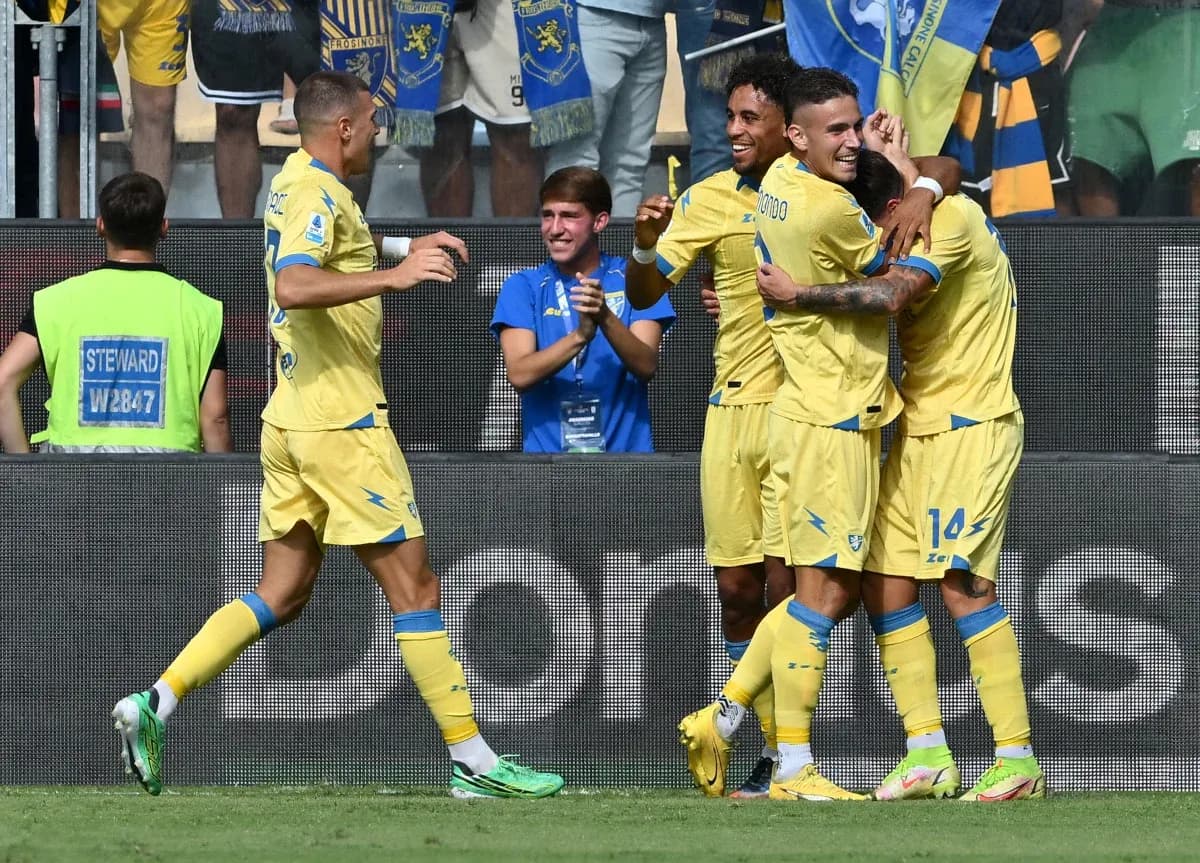
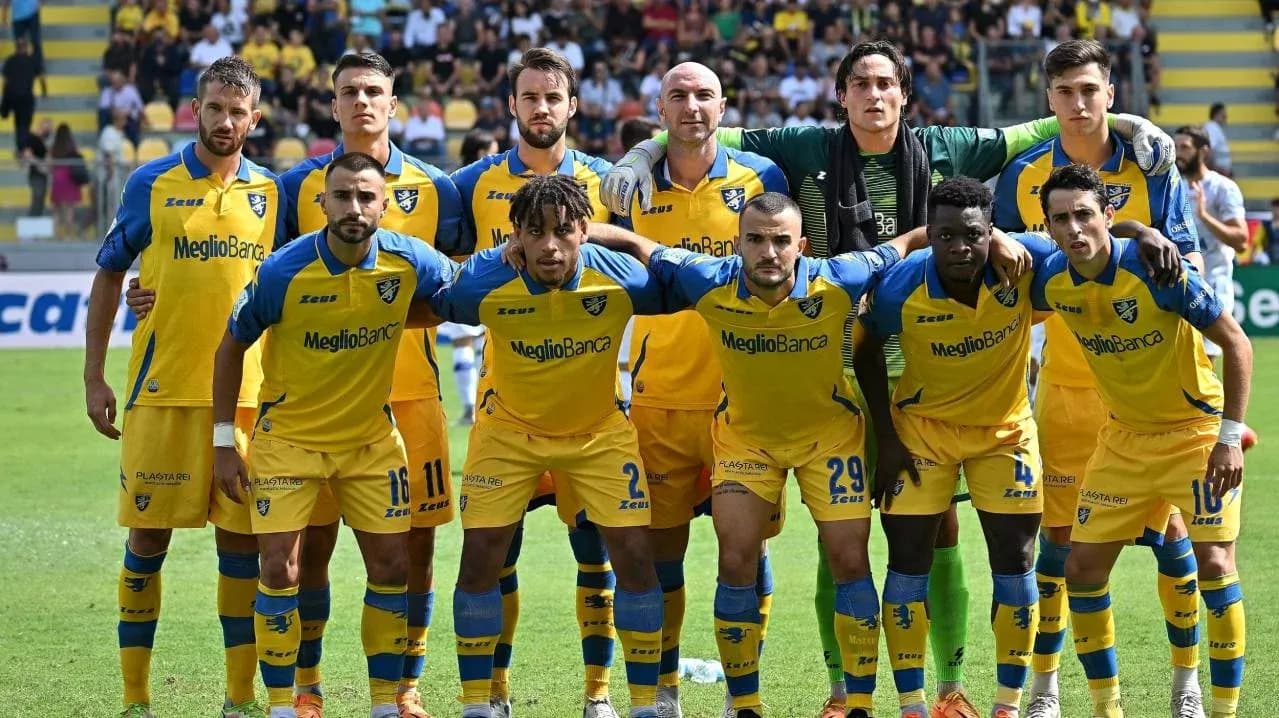
Stadio Benito Stirpe felt like a statement ground on this Serie A afternoon, as Frosinone’s 2–0 home win over Como crystallised the early-season identities of both sides. In a meeting of two ambitious teams who arrived level on 10 points, it was Massimiliano Alvini’s structure and vertical clarity that outmanoeuvred Cesc Fabregas’ possession-oriented blueprint.
Heading into this game, the table already hinted at the fine margins. Frosinone sat 6th with 10 points and a goal difference of +5, built on 9 goals scored and 4 conceded overall. At home they had been efficient rather than explosive: 5 goals for and 3 against across 3 matches. Como, 8th with the same 10-point haul and a goal difference of +3 (9 scored, 6 conceded overall), had lived off their away edge: on their travels they had produced 7 goals and conceded 5 in 4 matches, with no clean sheets in the league at all.
Both coaches mirrored each other on paper with a 4-2-3-1, but the shapes told different stories once the ball rolled. Frosinone’s line-up was built around a young but already spine-strong axis: L. Palmisani in goal; a back four of A. Oyono, G. Calvani, I. Monterisi and G. Bracaglia; a double pivot of G. Calo and P. Masini; then a creative band of F. Ghedjemis, R. Schmid and G. Kvernadze behind lone striker A. Raimondo.
Como’s structure, by contrast, was more about technical control and half-space manipulation: J. Butez in goal; Y. Couto, J. Ramon, T. Chalobah and A. Valle across the back; L. Milla and L. Da Cunha in the engine room; with A. Diao, N. Paz and M. Baturina supporting A. Douvikas up front.
First Half
The first half, which ended 2–0 to Frosinone, was where the tactical plan of the hosts came into sharp focus. Alvini leaned heavily into the season-long pattern that has defined his side: controlled risk with the ball, aggressive without it. Overall this campaign, Frosinone’s attack has run at 1.8 goals per game, with 1.7 at home. Defensively, they have conceded just 0.8 goals per match in total, 1.0 at home. That balance between ambition and restraint was visible in the way the double pivot screened transitions while the front four attacked space at speed.
Central to that aggression is the “Hunter” of this Frosinone side: A. Raimondo. With 4 league goals from 10 shots and 6 on target, plus a rating of 7.02, he is already one of Serie A’s most efficient penalty-box forwards. Behind him, G. Kvernadze has emerged as the multi-tool threat: 3 goals, 1 assist, 9 shots, 12 key passes, and a 7.56 rating underline his dual role as scorer and creator. The two form a natural Hunter-and-shadow partnership – Raimondo pinning the line, Kvernadze driving at defenders and linking the thirds.
Against Como, that partnership was amplified by the orchestration of R. Schmid. The Austrian is among the league’s top assist providers with 3 overall, and his passing profile – 130 total passes, 4 key, 70% accuracy – reflects a player willing to thread risk through the middle. Schmid’s tendency to operate between the lines forced L. Milla and L. Da Cunha into uncomfortable decisions: step up and leave space behind, or hold and allow him to turn.
Defensive Dynamics
If Frosinone’s Hunter was Raimondo, their Shield was a collective. G. Bracaglia, one of the league’s leading card magnets with 3 yellows, set the tone in the back line. His numbers tell the story of an all-action defender: 7 tackles, 7 blocked shots, 5 interceptions and 22 duels won from 43. Alongside him, G. Calvani has been similarly combative with 11 tackles, 6 blocks and 7 interceptions. Together they formed a compact, front-foot pairing that suffocated Como’s attempts to find A. Douvikas between the lines.
That edge comes with a disciplinary price. Frosinone’s yellow-card distribution shows a pronounced spike between 46–60 minutes, where 25.00% of their cautions arrive. Schmid and Raimondo both carry 2 yellows each, while Bracaglia tops the chart with 3. Yet, crucially, there have been no red cards in the league so far despite their presence in the red-card rankings – a statistical quirk that underlines how often they walk the disciplinary tightrope without falling off.
Como's Challenges
Como’s Hunter vs Shield dynamic is more nuanced. In attack, M. Baturina and A. Diao are the twin creators. Baturina, with 2 goals, 1 assist, 9 shots and 4 key passes, is the metronome between midfield and attack, operating with 89% pass accuracy. Diao adds vertical chaos: 2 goals, 1 assist, 8 shots and 22 dribble attempts with 11 successful dribbles make him a one-man pressing trigger and ball-carrier. Yet this creative output has not translated into defensive control. Como have conceded 6 goals overall at 1.2 per game, and 1.3 on their travels, without a single clean sheet.
Fabregas’ side arrived with a possession-first identity but a fragile Shield. Their yellow-card pattern – 25.00% of cautions between 31–45, 25.00% between 46–60, another 25.00% between 76–90, and 25.00% in added time – hints at a team that strains to maintain intensity and structure across phases, often resorting to late tactical fouls when the press is broken.
The absences list added another layer to Frosinone’s story. F. Grillitsch was ruled out with a thigh injury, removing a potential metronome from Alvini’s midfield options. In his absence, Calo and Masini had to shoulder more responsibility in both build-up and rest defence, and they responded by keeping the distances tight enough that Como’s central creators were rarely allowed to turn cleanly.
From a statistical prognosis standpoint, the result aligned neatly with the season’s underlying trends. Frosinone, with their 2 clean sheets overall and just 4 goals conceded, again defended their box with discipline and density. Como, who had failed to score only once this season before this match, ran into a back line that specialises in last-ditch interventions and aerial control, and a midfield that understands when to foul and when to funnel wide.
Tactical Overview
In tactical terms, this match read like a clash between vertical punch and possession patience. Frosinone’s 4-2-3-1 was built to spring from compactness into direct combinations through Schmid and Kvernadze into Raimondo. Como’s mirrored shape sought to use Baturina and Diao as overload creators, but without the defensive platform to sustain long spells of pressure.
Following this result, the narrative is clear. Frosinone look every inch a credible play-off contender, blending a young, aggressive core with a clear structural identity. Como remain a fascinating, technically rich project under Fabregas, but until their Shield hardens to match the quality of their Hunters, afternoons like this in hostile stadiums will continue to expose the gap between ambition and reality.
Related News
Fiorentina and Napoli Share Points in Serie A Clash
AS Roma vs Inter: Tactical Insights from Serie A Clash
AC Milan vs Lecce: Predicted Lineups and Team News

Juventus vs Atalanta Predicted Lineups and Team News – Serie A
Frosinone vs Como Predicted Lineups: Team News for Serie A Clash

Fiorentina vs Napoli Predicted Lineups: Team News for Serie A Clash