
Álex Baena's Decisive Strike Secures Spain's Victory Over Uruguay
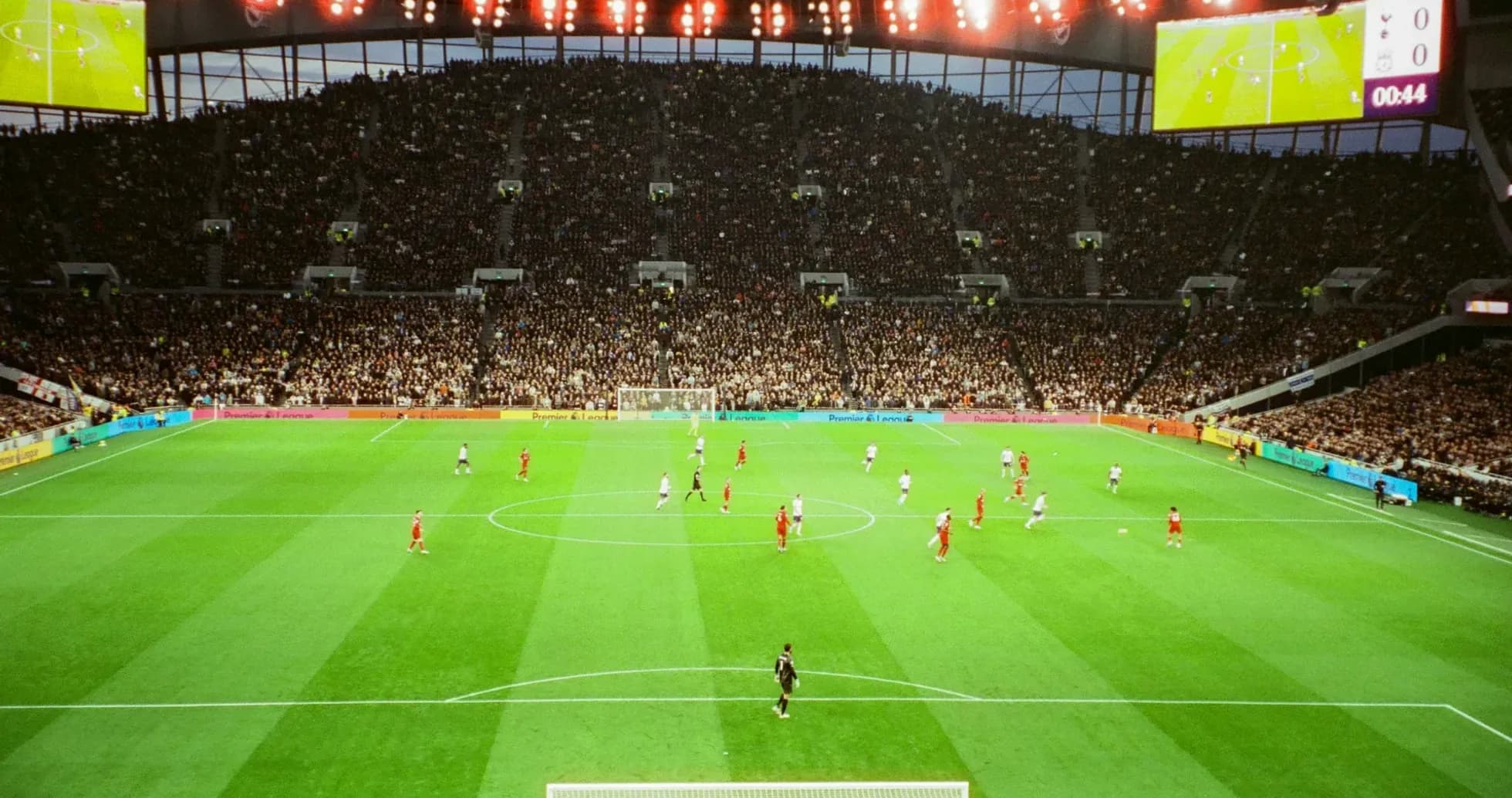
Álex Baena picked his moment.
Forty-two minutes into a tense, high-stakes Group H clash with Uruguay, with Spain searching for a breakthrough to calm the nerves and clear their path to the knockout rounds, the midfielder stepped up and sliced through the anxiety with a single, decisive strike.
The ball skipped awkwardly toward Fernando Muslera, the veteran Uruguay goalkeeper, who has seen just about everything at this level. This one got away from him. Baena’s effort bounced on, sliding into the corner and sending the Spanish bench to its feet. One touch, one mistake, one roar: Spain 1, Uruguay 0.
For La Roja, the goal carried more weight than a simple opener. Spain came into the night on top of Group H with four points, but still with work to do. A 4-0 demolition of Saudi Arabia had showcased their attacking power, yet that performance sat alongside a jarring reality: a scoreless draw against Cape Verde to start the tournament, a result that rattled assumptions and tightened margins.
This match, then, had a clear edge. Spain needed a win to secure automatic passage to the round of 32. No slip-ups, no reliance on help from elsewhere. Baena’s strike didn’t just change the scoreline; it changed the mood.
Luis de la Fuente sent out a side built to control and to hurt. Unai Simón anchored the team in goal. Marcos Llorente, Pau Cubarsí, Aymeric Laporte and Marc Cucurella formed the back four, tasked with shutting down Uruguay’s direct threat and launching Spain’s trademark waves of possession.
In midfield, Rodri wore the armband, the metronome and enforcer in equal measure, flanked by Mikel Merino and Pedri, a trio designed to suffocate space and dictate tempo. Ahead of them, the youthful electricity of Lamine Yamal, the sharp movement of Álex Baena and the intelligence of Mikel Oyarzabal offered variety and menace between the lines.
The pattern of Spain’s group campaign has been clear enough. Against Cape Verde on June 15, they dominated but failed to land the decisive blow, forced to settle for a 0-0 draw that felt like a missed opportunity. Six days later, they corrected course in style, sweeping Saudi Arabia aside 4-0 on June 21, a result that restored confidence and goal difference in one sweep.
Uruguay, though, represented a different kind of test: hardened, combative, steeped in tournament know-how. For long stretches, Spain probed and recycled, looking for the gap that never quite appeared. Then Baena arrived, and the deadlock snapped.
The backdrop to all this is a nation used to the highest standards. Spain are not just another contender in this World Cup; they are former world champions, having lifted the trophy in 2010, and arrive in North America as reigning kings of Europe after winning the 2024 European Championship. With that pedigree comes expectation. Group stages are not for drama; they are for taking care of business.
That is why this goal matters. It pushes Spain toward the round of 32, keeps them on top of Group H, and keeps alive the idea that this generation can stitch together another deep run on the biggest stage.
Cape Verde stalled them. Saudi Arabia felt like a statement. Uruguay, and Baena’s strike, might tell us something more important: when the margins narrow and the stakes rise, can this Spain side still find the moment that changes everything?
Related News

Anthony Joshua Names Murat Gassiev as Next Opponent if He Defeats Tyson Fury

UFC 332: Start Time and Fight Highlights for Natalia Silva vs. Wang Cong
Court McGee Opens Up About Choosing UFC 332 as His Final MMA Fight
WBC Orders Lightweight Title Unification: William Zepeda vs Jadier Herrera
BCCI Pension List: Monthly Payments to Retired Indian Cricketers in 2025
Why Fury vs Joshua Is Set for Cardiff, and Dua Lipa’s Unexpected Role