
Bayern Chief Critiques Bundesliga Rivals for Inaction in Global Race
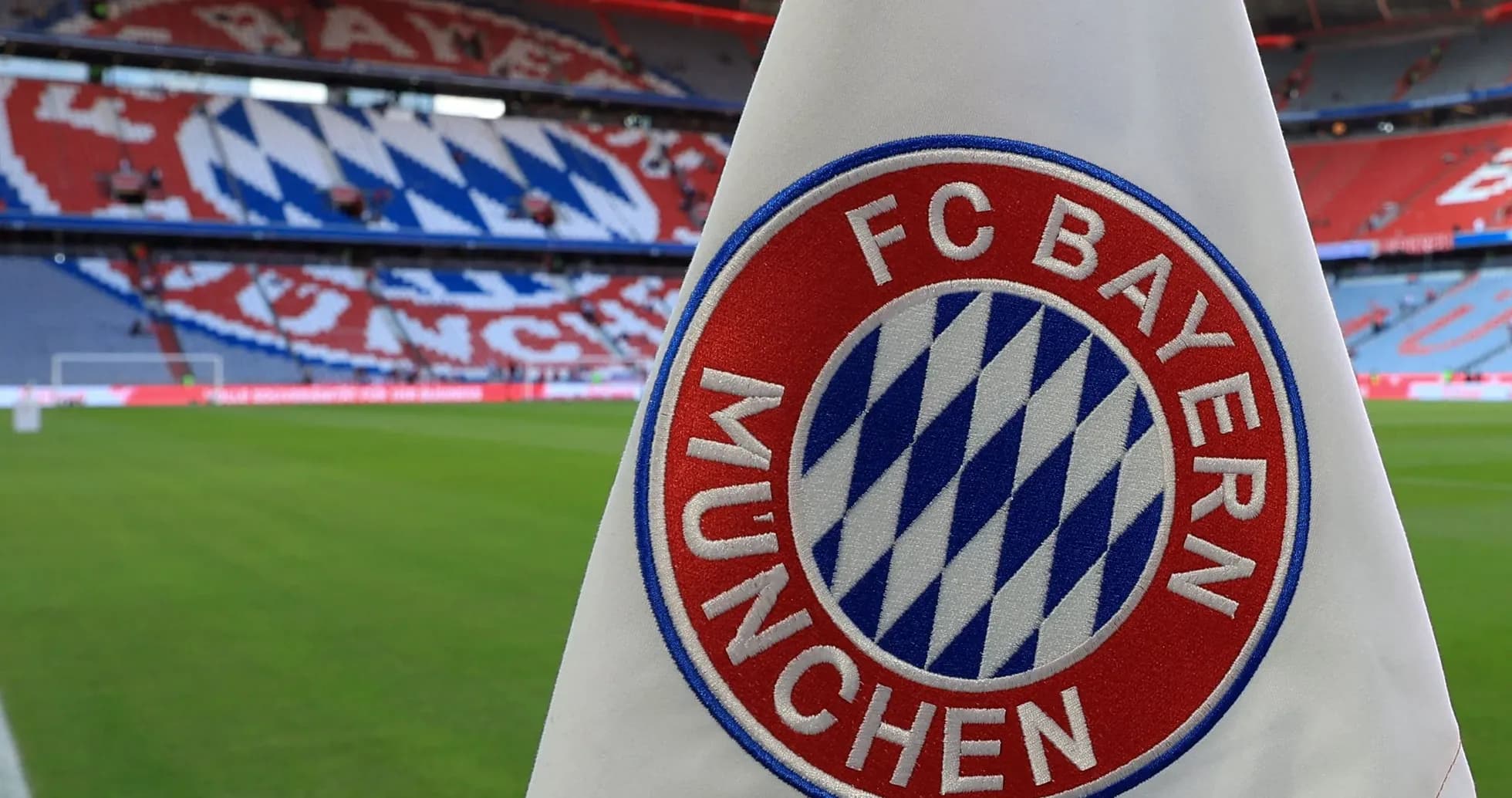
Bayern chief blasts Bundesliga rivals for “staying at home” as global race leaves Germany behind
Rouven Kasper did not bother with diplomatic phrasing.
On the eve of Bayern Munich’s tenth summer tour of Asia, the club’s marketing director delivered a sharp message to the rest of the Bundesliga: stop standing still while everyone else laps you.
Speaking to Sky Sports, Kasper laid bare what he sees as a structural problem in German football’s approach to the global game. While Bayern pack their bags once again for the Far East, the rest of the league, he argued, is barely leaving the runway.
“After the end of the season, Leipzig went on a tour abroad, and during this summer only Bayern Munich and Dortmund are touring the world, while Paderborn fly to the United States in September. This is far too little! Bundesliga clubs need to think more strategically,” he said.
In other words: Bayern and Dortmund can’t be the only ones doing the heavy lifting.
Germany stands still while England travels
Kasper’s frustration is framed against a simple comparison. The Premier League does not just dominate on the pitch or in the balance sheets; it dominates in airports and hotel lobbies around the world.
“The English travel the world, and that means the German clubs have to be proactive too. You cannot stay at home and then complain about declining revenues. If you do nothing, you will get nothing,” he warned.
That line cuts to the heart of the debate. German football prides itself on tradition, supporter culture and financial prudence. But while the league leans on its values, its rivals are building fanbases in markets that once barely knew the sport existed.
Kasper’s argument is blunt: if the Bundesliga wants a slice of that global pie, it has to show up at the table.
TV money shrinking, pressure rising
His words arrive at a difficult moment for the league’s international ambitions.
The Bundesliga currently brings in 218 million euros from overseas television rights, rising to 302 million euros when sponsorships are included. For a league of its stature, those numbers are sobering. The Premier League, Kasper noted, pulls in around ten times as much from its international contracts. LaLiga earns roughly three times the German total.
That gap is not a projection. It is reality.
“It is unfortunate that the decline in media revenues in countries such as the United States and Japan has become a reality, but this is an additional reason for the league association to work with us to find strategic mechanisms to boost activities, because Bayern Munich cannot travel everywhere on its own,” Kasper said.
The message is clear: shrinking TV deals abroad are not an excuse to retreat. They are a reason to push harder.
Bayern on the road again
Bayern, as ever, are already in motion.
Their latest Asian tour takes them first to Jeju Island in South Korea before moving on to Hong Kong, with the trip running until 8 August. It is not a marathon of fixtures, but a targeted presence: two friendlies, against Jeju SK on 4 August and Aston Villa on 7 August.
These games are not just tune-ups for the season. They are showcases. Training sessions become content. Open days become brand activations. Every photo, every autograph, every local partnership is part of a wider strategy: Bayern want to be seen, felt and remembered.
And Kasper is adamant that this cannot remain a one-club crusade.
New frontiers: Americas and Asia in focus
Bayern’s own roadmap is already sketched out.
“Our target markets are clearly defined. In the two Americas, we have so far focused on North and Central America, but South America is becoming increasingly interesting. In Asia the matter is also clear, and we must turn our attention towards India, Indonesia and Thailand and undertake new ventures there,” Kasper explained.
The pattern is obvious. Bayern are not just chasing shirt sales; they are planting flags. From the Americas to emerging Asian giants like India and Indonesia, the club is trying to get in early, build roots and turn passing interest into lasting loyalty.
The question now is whether the rest of the Bundesliga will follow.
Because while Bayern and Dortmund circle the globe and Paderborn prepare for a rare US trip, too many German clubs are still content to stay at home. And in a football economy that rewards reach as much as results, staying put is no longer a neutral choice.
It is a decision with a price tag.
Related News

Carlos Alcaraz Calls for Change After Laver Cup Court Conditions
Alexander Zverev Secures Laver Cup Victory for Team Europe with Straight-Set Win Over Learner Tien
Novak Djokovic Shares Fitness Update Before China Open Return After US Open Upset

Shubman Gill's Captaincy Record Across All Formats: Tests, ODIs, T20Is, and IPL
Kuldeep Yadav Named Player of the Match Over Virat Kohli Despite Century in IND vs WI 1st ODI

India Advances to Asian Games 2026 Cricket Semi-Finals After Rain Washout Against Afghanistan