
Belgium Triumphs Over Senegal in Tactical Duel
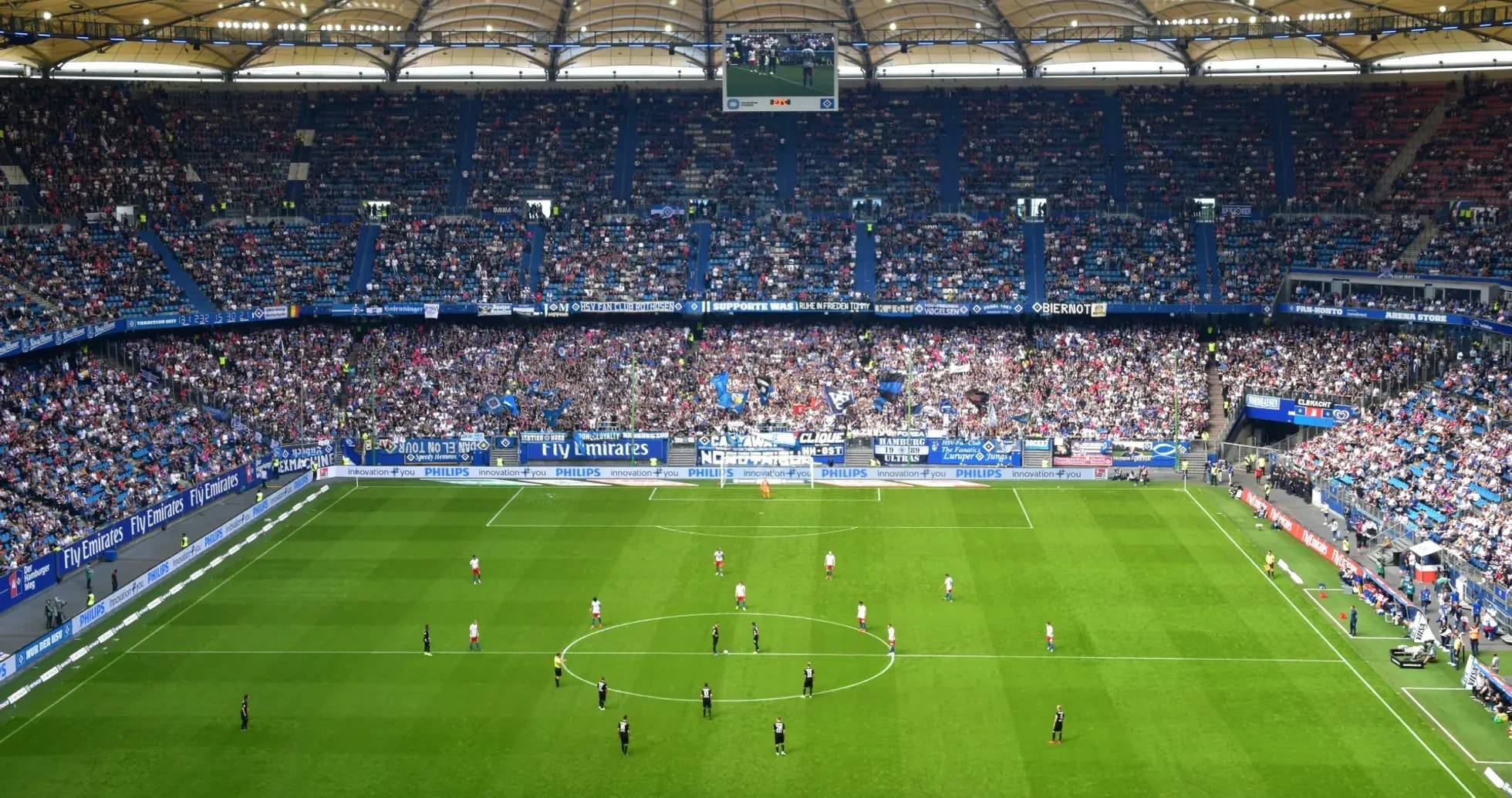
The Round of 32 at Lumen Field delivered a match that felt like a tactical chess duel stretched over 120 minutes. Belgium 3–2 Senegal after extra time was not just a scoreline; it was the collision of two sharply defined footballing identities, one built on control and layered attacking structures, the other on vertical threat and individual incision.
Heading into this game, Belgium arrived as group winners from Group G, top of their section with 5 points and a goal difference of 4, having scored 6 and conceded 2 in 3 matches. Their broader World Cup campaign underlined that profile: in total this campaign they had played 4 matches, winning 2, drawing 2 and losing none. At home they had played 3, with 1 win and 2 draws, while on their travels they had played 1 and won it. Across all venues they had scored 9 and conceded 4, an overall average of 2.3 goals for and 1.0 against per match. This is a side that scores freely without opening the back door.
Senegal, by contrast, came through Group I in a more volatile fashion. They sat 3rd in their group table snapshot with 3 points and a goal difference of 2, scoring 8 and conceding 6 in 3 matches. Across the tournament they had played 4 matches in total, with 1 win and 3 defeats, and no draws. The pattern was stark: in total they had scored 10 and conceded 9, averaging 2.5 goals for and 2.3 against per match. At home they had exploded once for 5 goals without reply; on their travels they had scored 5 but shipped 9, an away average of 1.7 scored and 3.0 conceded. Senegal were chaos merchants: capable of blowing teams away, equally capable of being blown open.
I. The Big Picture: Structures and Seasonal DNA
Rudi Garcia stayed loyal to Belgium’s tournament backbone, rolling out the 4-2-3-1 that had started all 4 of their matches. Thibaut Courtois anchored the side behind a back four of Timothy Castagne, Brandon Mechele, Arthur Theate and Maxim De Cuyper. The double pivot of Youri Tielemans and Hans Vanaken provided the metronome, while a high-technical line of Leandro Trossard, Kevin De Bruyne and Jérémy Doku operated behind Charles De Ketelaere.
This structure mirrored Belgium’s campaign: a controlled base, a creative axis in De Bruyne, and wide players who could tilt the pitch. With 4 goals at home and 5 away in total, and a biggest away win of 5–1, they had shown they could accelerate quickly once the game opened up.
Senegal’s choice of a 4-3-3 under Bouna Thiaw Pape was equally revealing. Mory Diaw started in goal, protected by Krepin Diatta, Pape Ciss, Moussa Niakhate and Ismail Jakobs. The midfield trio of Habib Diarra, Idrissa Gueye and Pape Gueye formed a compact, combative block, freeing Iliman Ndiaye and Ismaïla Sarr to flank Sadio Mané in a front three built for transition and direct running.
Given Senegal’s lineups split this tournament between 4-2-3-1 and 4-3-3, the choice of the latter signalled intent: compress the centre, then launch Sarr and Mané into the wide channels where Belgium’s full-backs push high.
II. Tactical Voids: Absences and Discipline
Both sides had to navigate key absences. Belgium were without Zeno Debast through a leg injury, removing a ball-playing defensive option and nudging Garcia towards the Mechele–Theate pairing. On Senegal’s side, Édouard Mendy missed out with a knee contusion, placing the responsibility squarely on Diaw. Given Senegal’s overall 9 goals conceded in 4 matches, the goalkeeping and back-line cohesion were always going to be stress-tested by Belgium’s layered attacks.
Disciplinary trends framed the risk profile. Belgium’s card history this tournament showed yellow cards split evenly between the opening 0–15 minutes and the 61–75 window, each accounting for 50.00% of their yellows. More significantly, their only red card had also arrived in the 61–75 period, a dismissal shown to Nathan Ngoy. That late-midgame volatility hinted at a side whose aggression can spike as fatigue and game-state pressure rise.
Senegal’s yellows were more evenly dispersed: 33.33% between 16–30, 33.33% between 61–75, and 33.33% between 76–90. They had no reds in the tournament. Over 120 minutes, that discipline profile suggested Senegal might be better equipped to stay numerically intact, while Belgium flirted with the danger zone in the third quarter of normal time.
III. Key Matchups: Hunter vs Shield, Engine Room Battles
The headline duel was Ismaïla Sarr against Belgium’s defensive structure. Sarr arrived as one of the tournament’s standout attackers: 4 goals in total, plus 1 assist, from 4 appearances and 366 minutes, with a rating of 7.65. He had taken 13 shots, 6 on target, and drawn 9 fouls while committing only 1. He also contributed defensively with 2 interceptions and 2 blocked shots. He is not just a finisher; he is a constant disruptor of defensive rhythm.
Against a Belgium side that had conceded 4 in total across 4 matches, an overall average of 1.0 per game, Sarr represented Senegal’s sharpest weapon. Belgium’s biggest defensive vulnerability, if it existed, lay not in volume conceded but in moments when their full-backs advanced and the centre-backs were forced to defend large spaces. Diatta’s presence as a nominal right-back but natural wide runner also hinted at overloads on De Cuyper’s flank, with Sarr cutting inside onto his stronger side.
In the engine room, Idrissa Gueye and Pape Gueye formed Senegal’s shield and springboard against the Belgian pair of Tielemans and Vanaken. Tielemans’ role as the tempo-setter, recycling possession and connecting with De Bruyne, meant Senegal’s midfield had to decide: step high to disrupt the first pass, or sit in and accept Belgian control, betting on transition.
Higher up, Iliman Ndiaye was the subtle connector. With 2 assists and 1 goal in total from just 123 minutes, plus 4 key passes and 7 successful dribbles from 7 attempts, he offered a different kind of threat: the player who can receive under pressure, turn, and slip runners through. His duel with Theate and Mechele between the lines was central to Senegal’s ability to progress cleanly rather than relying solely on long diagonals.
On Belgium’s side, the creative burden fell on De Bruyne and the fluid trio behind De Ketelaere. De Bruyne’s ability to find Doku isolated against Diatta or Trossard drifting into half-spaces would stretch Senegal’s back four horizontally. With Senegal conceding an away average of 3.0 goals per match, those rotations and cut-backs into the box were always likely to generate high-quality chances.
IV. Statistical Prognosis and Tactical Verdict
From a statistical standpoint, Belgium entered as the more balanced unit: unbeaten in total, with a positive overall goal difference of 5 (9 scored, 4 conceded) and just 1 match in which they failed to score. They had also converted their only penalty of the tournament, scoring 1 from 1 for a perfect 100.00% record from the spot, underlining composure in decisive moments.
Senegal, meanwhile, embodied volatility: an overall goal difference of 1 (10 scored, 9 conceded), no failures to score in total, but three defeats in four matches. Their clean sheet had come at home in that emphatic 5–0 win, while on their travels they had yet to shut anyone out.
Tactically, the game always leaned towards Belgium’s control against Senegal’s puncher’s chance. Over 90 minutes, Belgium’s structure and deeper squad, with options like Romelu Lukaku, Alexis Saelemaekers and Amadou Onana on the bench, offered more ways to adjust. Over 120, that depth became decisive, especially against a Senegal side whose defensive numbers away from home were already stretched.
Following this result, the narrative holds: Belgium progress as the methodical, multi-layered side whose 4-2-3-1 and attacking talent can outlast chaos. Senegal exit having stayed true to their identity: fearless, front-foot, and carried by the brilliance of Sarr and Ndiaye, but ultimately undone by the defensive fragility that had shadowed them on their travels all tournament.
Related News
Brazil's First Post-World Cup Friendly: What Should the Lineup Be?
Harry Kane Calls England’s World Cup Exit to Argentina His Deepest International Pain
Estevao Opens Up on World Cup Heartbreak and His Unexpected Return to Brazil Under Ancelotti
Thomas Tuchel Shares Unusual Regret After England's 10-Man World Cup Victory Over Mexico
South Korea Names Robert Moreno as Interim Coach After World Cup Exit
Jude Bellingham Returns to Form at Real Madrid Following World Cup Success