
Bruno Fernandes Reflects on Portugal's World Cup Exit
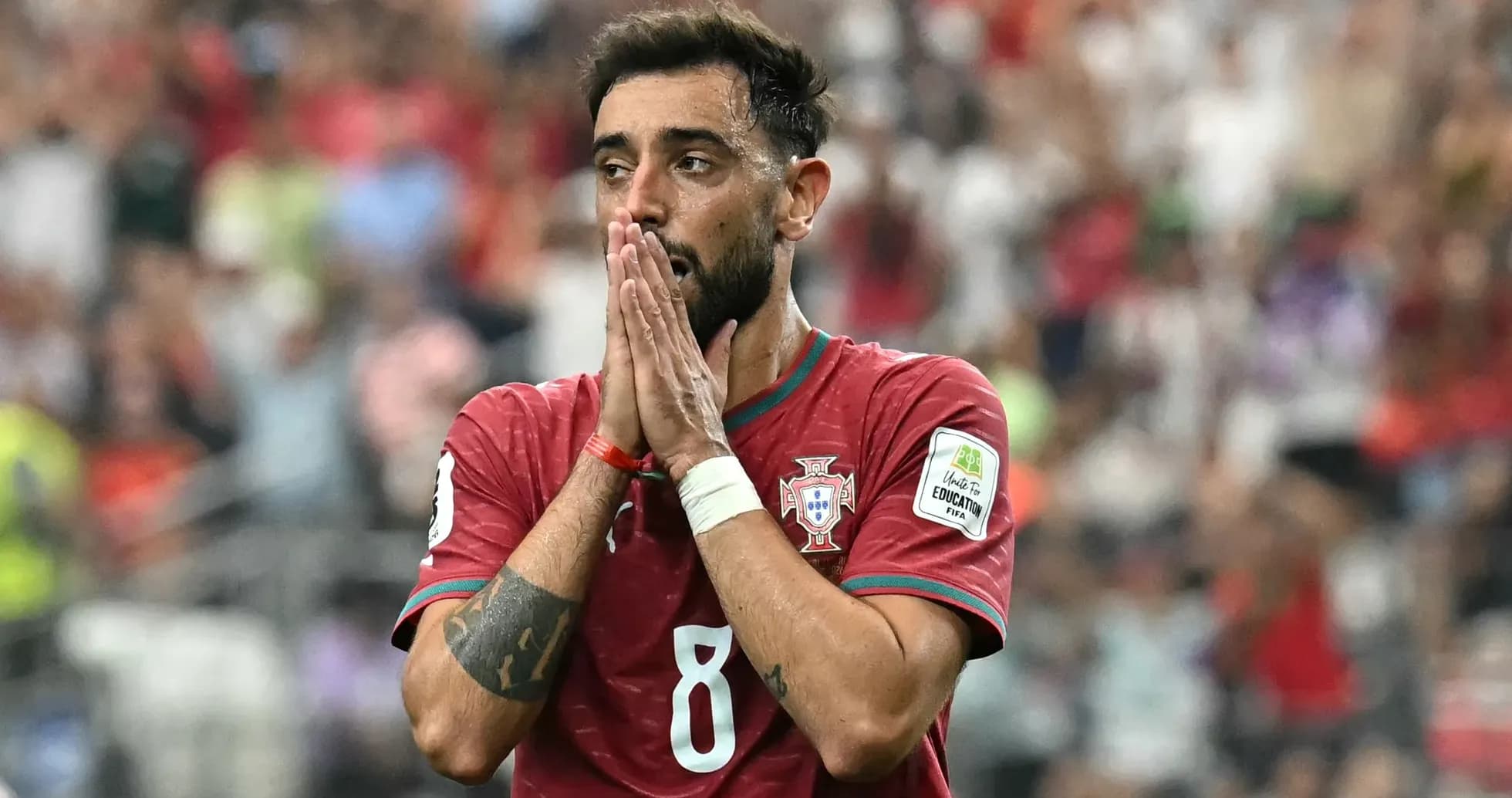
Portugal arrived at the World Cup carrying the weight of expectation. A squad stacked with talent, a favourable tag as one of the contenders, and a belief — voiced loudly by its leaders — that this could finally be their year.
It ended with a punch to the stomach.
A stoppage-time header from Arsenal midfielder Mikel Merino sent Spain through and dumped Roberto Martinez’s side out in the round of 16 with a 1-0 defeat. One moment of lax concentration, one late run not tracked, and the campaign was over. For a team that had spoken openly about chasing the trophy, it was a brutal, premature end.
The consequences were immediate. Martinez stepped down from his role as head coach after the tournament, his tenure closing with the sense of a project that never quite delivered when it mattered most.
In the days that followed, the silence from some of Portugal’s senior figures said enough. Bruno Fernandes, one of the loudest believers in this team’s potential, had been conspicuously quiet as the country processed another missed opportunity on the biggest stage.
Now he has spoken.
The Manchester United midfielder chose X to address the exit, and the tone was raw. No spin, no excuses — just the sting of a campaign that fell well short of what he and the squad had imagined.
“Sad, frustrated, and disillusioned,” he wrote, summing up the mood of a nation in three sharp blows.
This was not simply disappointment at going out to a strong Spain side. For Fernandes, the hurt ran deeper because of what he had seen from within.
He admitted that this group had raised his expectations, not only through individual quality but through the sense of unity built “over these years.” That line matters. It speaks to a core of players who believed they were more than just a collection of stars, that they had finally forged the kind of collective edge that wins tournaments.
The late collapse against Spain cut straight through that belief.
Fernandes used the message to turn the spotlight back on those inside the camp. He offered a pointed, heartfelt thank you to the players, the coaching staff, and every member of the backroom team who had “accompanied and helped” the squad every day during the World Cup. It was the kind of public acknowledgement that underlines how tight-knit this group considered itself, even in defeat.
He then widened the lens to the stands and the streets. To “all the Portuguese people,” he sent a “huge thank you” for their support and belief. The wording carried an edge of regret — the sense of a promise not kept to a fanbase that had once again dared to dream.
Portugal’s exit will be remembered for Merino’s late winner and Martinez’s swift departure, but Fernandes’ message offers another snapshot: a leader who backed this squad loudly, saw it fall short, and now has to live with the disillusionment he himself named.
The next World Cup cycle will bring a new coach, perhaps a reshaped squad, and inevitably fresh debate about what this golden pool of talent can actually achieve. For Fernandes and his generation, the question is no longer whether they can compete for the title.
It’s how many more chances they will get to prove it.
Related News

Anthony Joshua Names Murat Gassiev as Next Opponent if He Defeats Tyson Fury

UFC 332: Start Time and Fight Highlights for Natalia Silva vs. Wang Cong

Court McGee Opens Up About Choosing UFC 332 as His Final MMA Fight
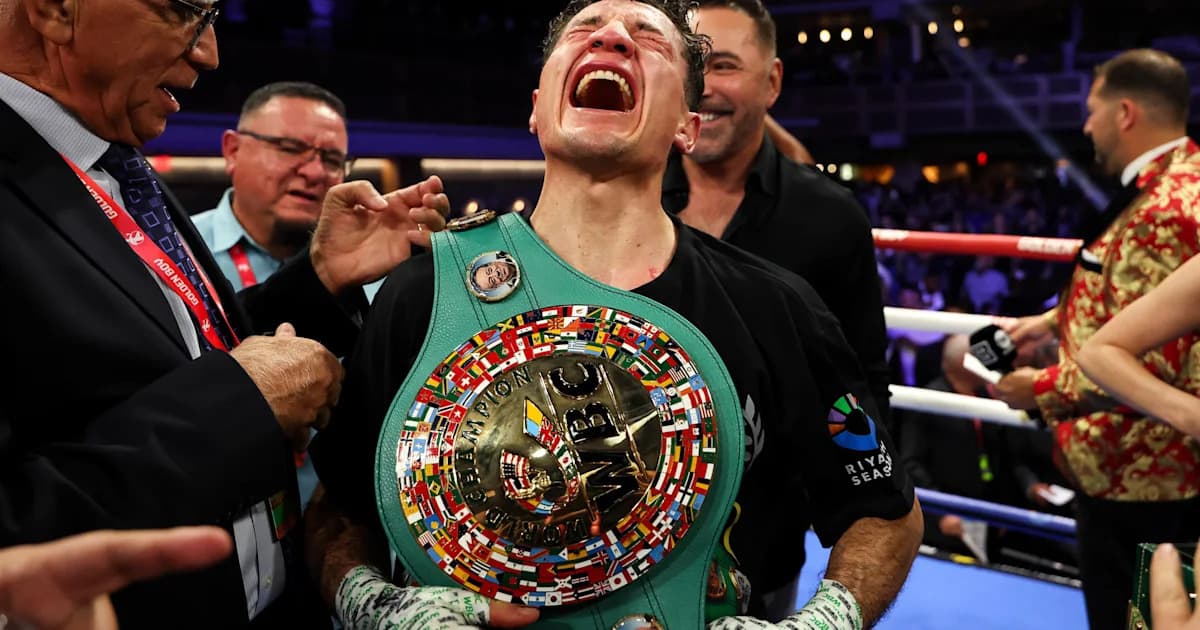
WBC Orders Lightweight Title Unification: William Zepeda vs Jadier Herrera
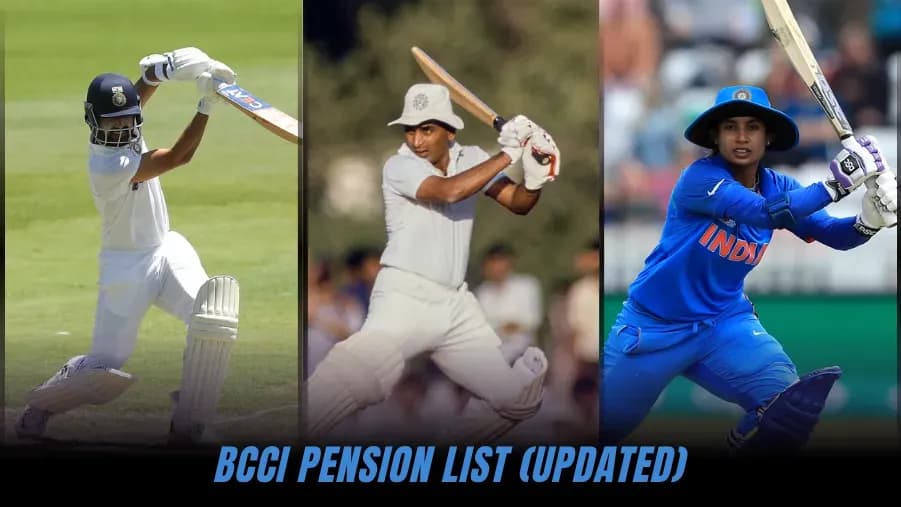
BCCI Pension List: Monthly Payments to Retired Indian Cricketers in 2025

Why Fury vs Joshua Is Set for Cardiff, and Dua Lipa’s Unexpected Role