
Canada vs Morocco: Tactical Showdown in the Round of 16
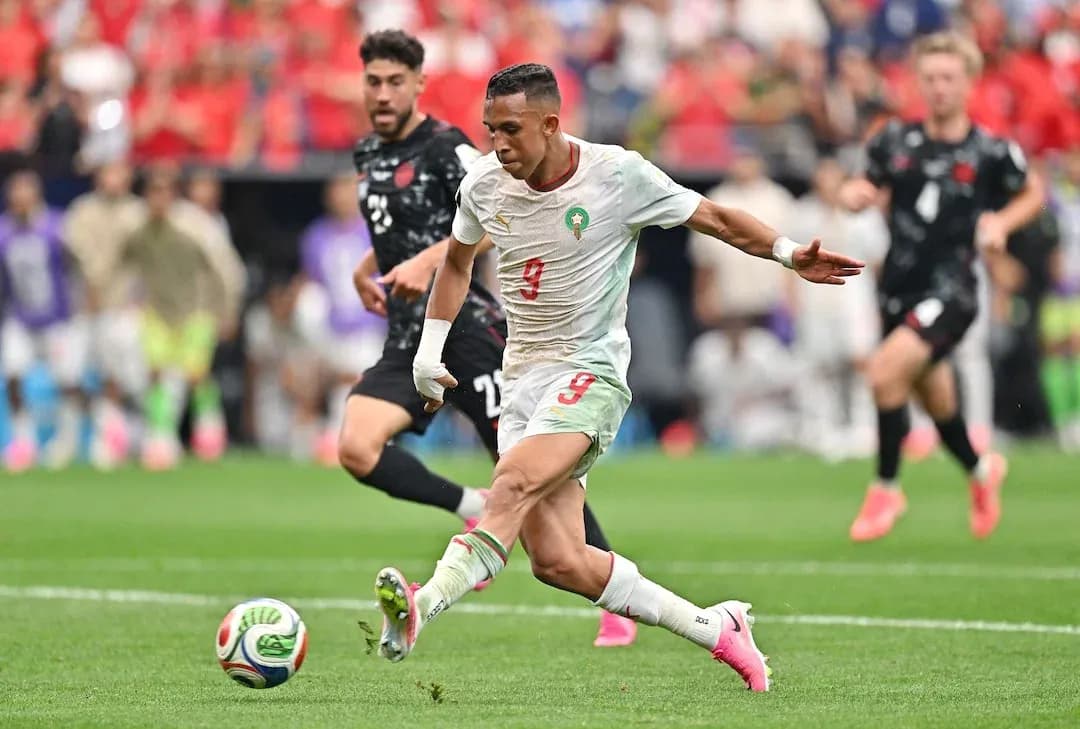
Under the closed roof of NRG Stadium in Houston, this Round of 16 tie pitched two emerging World Cup identities against each other: a bold, front-foot Canada shaped by Jesse Marsch’s intensity, and a methodical, tournament-hardened Morocco under Mohamed Ouahbi. By full time, the scoreboard – Canada 0, Morocco 3 – told a story of Moroccan control and Canadian overreach, but the tactical layers ran deeper.
I. The Big Picture – Clashing Identities on the Knockout Stage
Heading into this game, both sides arrived as convincing group performers. Canada had finished 2nd in Group B with 4 points and a goal difference of 5, built on an expansive approach: overall this campaign they had scored 9 goals and conceded 6 across 5 fixtures. At home they were averaging 2.3 goals for and 1.3 against, a profile of a team that embraces chaos, capable of a 6-0 home win but also a 0-3 home collapse.
Morocco, 2nd in Group C with 7 points and a goal difference of 3, brought a different kind of authority. Overall they had 11 goals for and 4 against in 5 matches, with a total average of 2.2 goals scored and just 0.8 conceded. On their travels they were particularly disciplined, conceding only 0.5 goals on average and producing a signature 0-3 away win. They had not lost a match in this World Cup, and their form line of DWWWW underlined a team built for tournament football.
Formationally, the matchup was clear: Canada in a 4-4-2, Morocco in a 4-2-3-1. One side doubling up in the front line to press and threaten depth; the other layering its structure through a double pivot and a fluid band of three behind a lone forward.
II. Tactical Voids and Discipline – The Edges of Risk
Canada’s one confirmed absentee, I. Koné, out with a lower leg fracture, removed an important link between midfield and attack. Without him, Marsch entrusted the central zone to S. Eustaquio and N. Sigur, flanked by T. Buchanan and A. Ahmed. This quartet had to cover vast ground: protect a relatively young back line and still feed the strike pair of J. David and T. Oluwaseyi.
Defensively, Canada’s season-long discipline profile hinted at a side that lives on the edge. Overall they had collected yellow cards most heavily between 31-45 minutes and 46-60 minutes, each window accounting for 27.27% of their cautions, with another 18.18% in both the opening 15 minutes and the 61-75 period. That pattern reflects a team that starts aggressively, then often pays for overzealous pressing either side of half-time.
Morocco’s caution map was more controlled but still front-loaded. All of their yellows this campaign were concentrated between 16-60 minutes, split evenly at 33.33% across the 16-30, 31-45, and 46-60 windows. They rarely lost composure late, with no cards shown after the hour mark. In a knockout context, that composure under pressure was always likely to matter once Canada tried to turn up the tempo.
Crucially, neither side had a red-card habit in this tournament, but Canada’s defensive leader L. De Fougerolles arrived as one of the World Cup’s most card-prone players with 2 yellows to his name. Alongside forward C. Larin, also on 2 yellows, Canada’s spine was always one mistimed challenge away from disruption.
III. Key Matchups – Hunter vs Shield, Engine vs Enforcer
The headline duel in attack versus defence was Jonathan David against Morocco’s back four and screen. David came into the knockouts with 3 goals from 5 appearances, 12 shots and 8 on target, and the responsibility of leading Canada’s press from the front. In Marsch’s 4-4-2, his partnership with Oluwaseyi was designed to pin Morocco’s centre-backs and force rushed decisions from the double pivot of A. Bouaddi and N. El Aynaoui.
Yet Morocco’s defensive metrics suggested they were built to absorb precisely that type of pressure. Overall they had allowed only 4 goals in 5 matches, and on their travels just 2 goals across 4 fixtures. At the heart of that resilience, I. Diop had emerged as a quiet enforcer: 4 successful blocks and 5 interceptions in the tournament, with 88% passing accuracy from the back. His presence, coupled with the tactical intelligence of full-backs A. Hakimi and N. Mazraoui, meant Morocco could withstand direct pressure, then spring forward.
On the other side, Morocco’s own “hunter” was I. Saibari. With 3 goals in 5 appearances, 6 shots and 3 on target, he operated as the tip of the 4-2-3-1, constantly testing the channels between Canada’s centre-backs and full-backs. Behind him, the creative axis of Brahim Díaz and B. El Khannouss offered a different kind of threat: tempo control and incision. Díaz arrived as one of the World Cup’s top playmakers, with 4 assists, 8 key passes and 90% pass accuracy. His ability to drift inside from the right half-space and combine with Hakimi’s overlapping runs posed a structural dilemma for Canada’s left side.
That left flank was already under stress: Buchanan, an attacking winger by nature, had to track Hakimi’s surges while also supporting David and Oluwaseyi. Any hesitation would expose L. De Fougerolles to 2v1 situations against Hakimi and Díaz. Given De Fougerolles’ aggressive style – 8 tackles and 55 duels overall, but also those 2 yellows – Morocco’s plan to overload that corridor was both logical and, as the final scoreline suggested, effective.
In midfield, the engine-room battle pitted Eustaquio and Sigur against Bouaddi and El Aynaoui. Canada needed this duo to compress space, win second balls, and launch quick transitions. Morocco, by contrast, sought to use the double pivot as a stabilising base, recycling possession to their creators and keeping the game at their preferred rhythm. The fact that Morocco had not failed to score in any match this campaign, while Canada had failed to score once overall, underlined which side was more consistent at turning midfield control into end-product.
IV. Statistical Prognosis and Tactical Verdict
From a statistical and tactical standpoint, Morocco entered this tie with the more balanced profile. Overall, their 11 goals for and 4 against yielded a total goal difference of 7, built on a structure that marries attacking variety with defensive control. Their penalty record – 5 taken, 3 scored and 2 missed – showed they were not flawless from the spot, but it also underlined how often they reached dangerous zones in the box.
Canada’s overall goal difference of 3 (9 scored, 6 conceded) reflected a high-variance side: capable of explosive surges but also vulnerable to being picked apart. Their preferred 4-4-2, used in all 5 fixtures, lent itself to open games, especially at home where they had produced both a 6-0 win and a 0-3 defeat. In a Round of 16 environment against a side as tactically mature as Morocco, that volatility was always going to be a risk.
Following this result, the narrative feels almost inevitable in retrospect. Morocco’s 4-2-3-1, anchored by Diop at the back, orchestrated by Díaz between the lines, and finished by Saibari, simply had more control points across the pitch. Canada’s 4-4-2, driven by David’s work rate and Eustaquio’s passing, lacked a stabilising presence like Koné in midfield and was stretched too often across the horizontal lanes.
In the end, the 3-0 scoreline was a reflection of structure as much as talent. Morocco’s blend of disciplined defending, intelligent use of full-backs, and a genuine playmaking hub in Díaz gave them multiple paths to goal. Canada’s courage and attacking ambition had carried them out of the group, but against a side of Morocco’s tactical maturity, it left them exposed in precisely the spaces a well-drilled 4-2-3-1 loves to exploit.
Related News

Brazil's First Post-World Cup Friendly: What Should the Lineup Be?
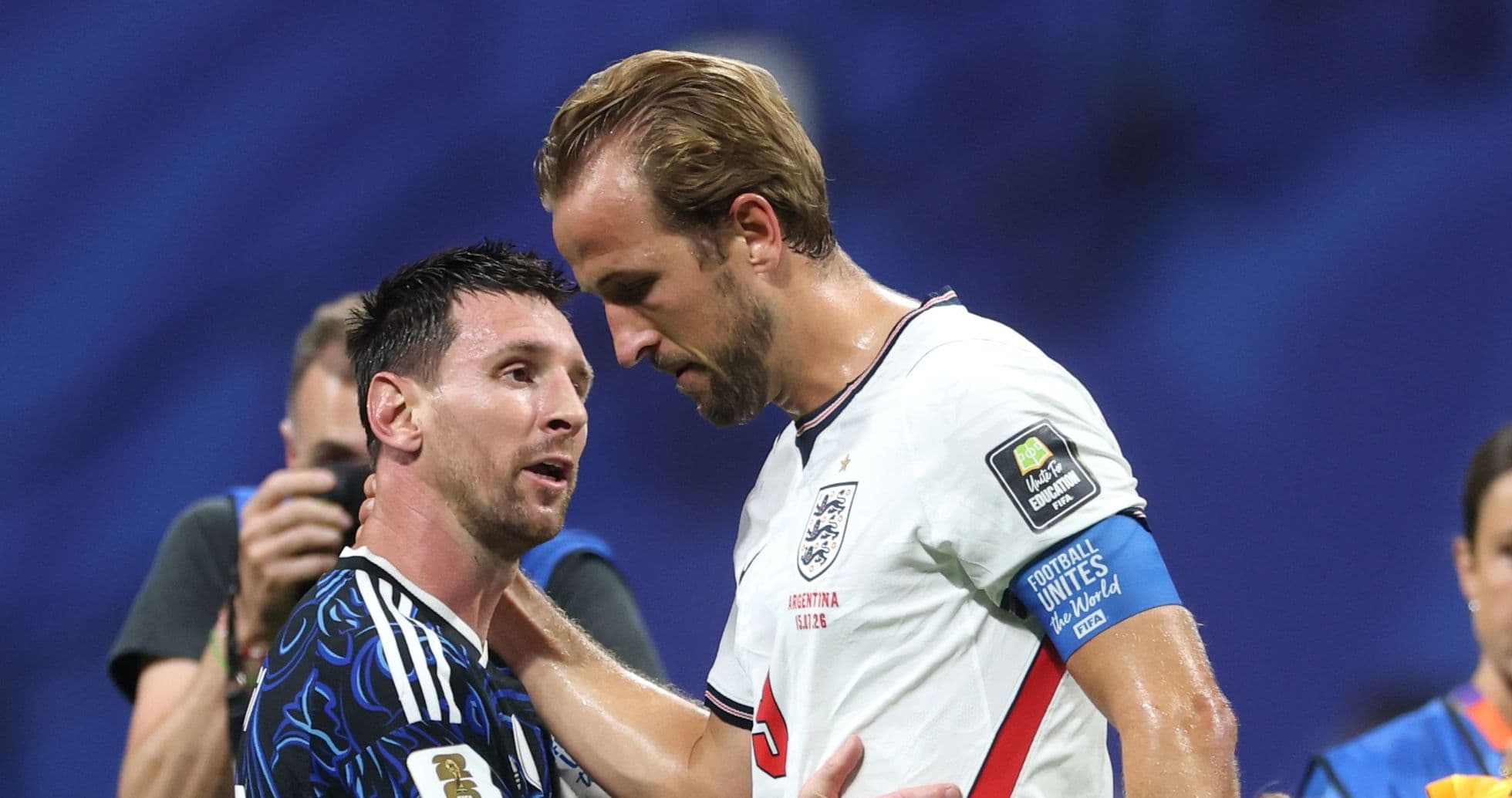
Harry Kane Calls England’s World Cup Exit to Argentina His Deepest International Pain
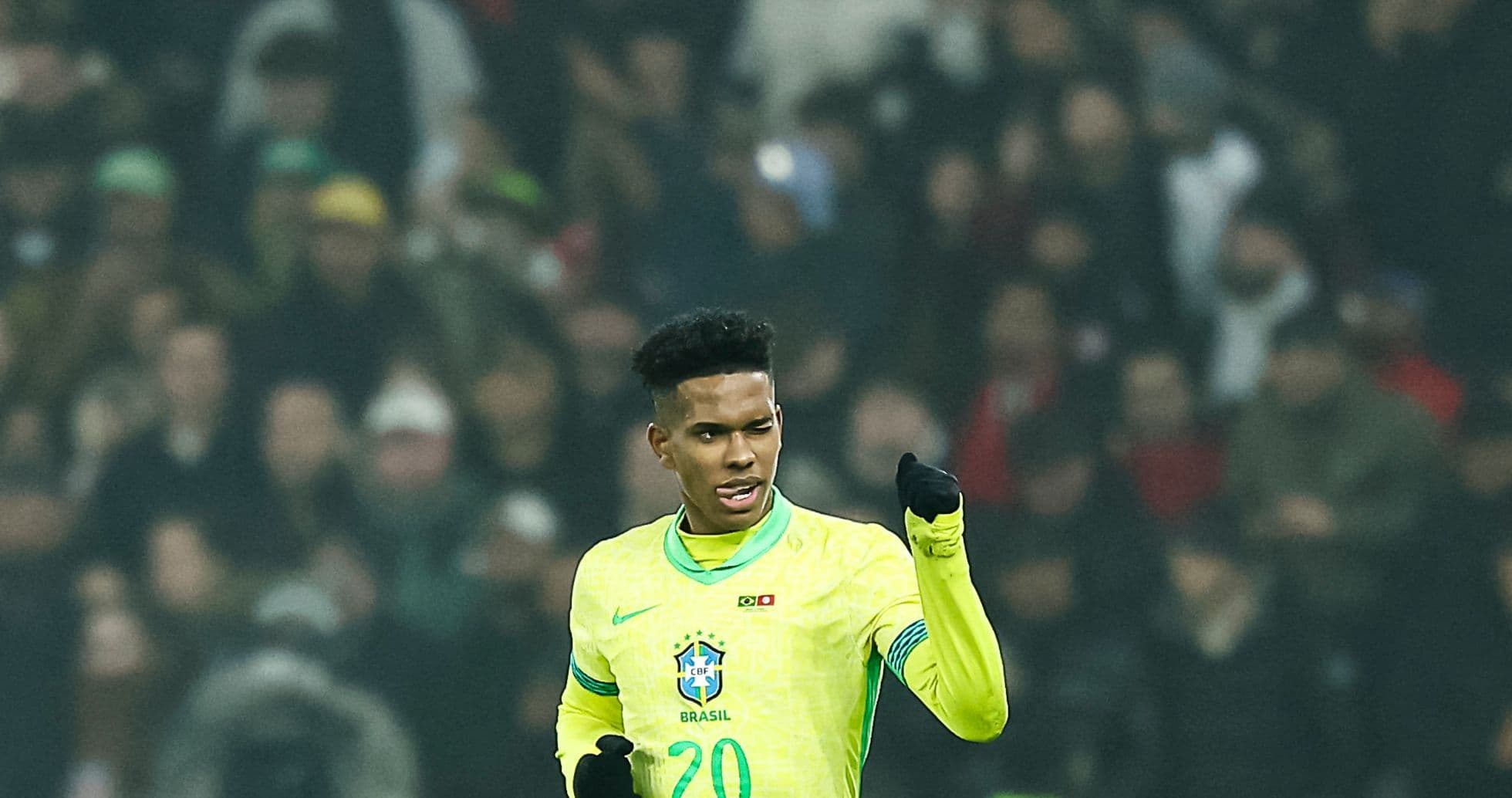
Estevao Opens Up on World Cup Heartbreak and His Unexpected Return to Brazil Under Ancelotti

Thomas Tuchel Shares Unusual Regret After England's 10-Man World Cup Victory Over Mexico

South Korea Names Robert Moreno as Interim Coach After World Cup Exit

Jude Bellingham Returns to Form at Real Madrid Following World Cup Success