
Cape Verde’s World Cup Journey Continues Against Messi
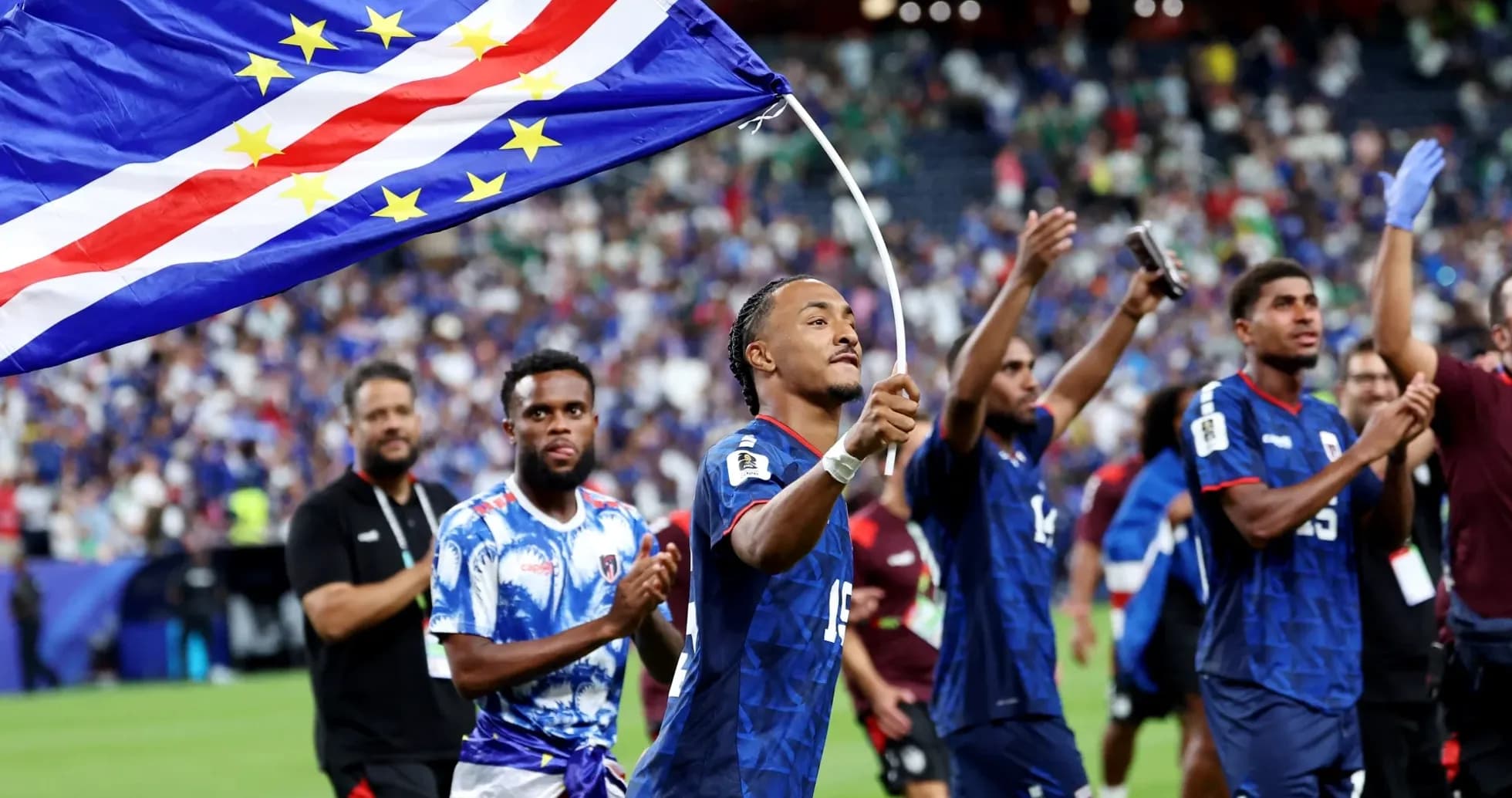
Cape Verde arrived at this World Cup as a curiosity. They walk into the knockouts as a problem.
The tiny archipelago of just over 500,000 people has booked a date with reigning champions Argentina and Lionel Messi in Miami on July 3, after a gritty 0-0 draw with Saudi Arabia in Houston sealed second place in Group H.
No win. No defeat. And a story that refuses to slow down.
From Rank Outsiders to Last-16 Upstarts
Ranked 67th coming into the tournament, Cape Verde were supposed to make up the numbers behind Spain and Uruguay. Instead, they chased both of them all the way to the line.
They opened with that astonishing, backs-to-the-wall 0-0 against European champions Spain, a game in which 40-year-old goalkeeper Vozinha turned into a cult figure overnight. He followed it with another defiant display in a 2-2 draw against two-time former world champions Uruguay, a result that blew the group wide open and gave Cape Verde a genuine shot at history.
By the time they kicked off against Saudi Arabia in Houston, the equation was clear: avoid defeat, and hope Spain did their part against Uruguay in Guadalajara. The stage was set for a nerve-shredding night on two continents.
Spain did their job, edging Uruguay 1-0. Cape Verde did theirs with a performance that was more steel than spectacle, but no less remarkable for that.
Spain finished top on seven points. Cape Verde, unbeaten and unbowed, followed on three. Uruguay and Saudi Arabia, both fancied to go deeper than the debutants, head home with two points apiece.
Rotation, Resolve, and a 40-Year-Old Anchor
With history on the line, coach Bubista made a bold call. He changed half his starting XI, some of it enforced, trusting his squad depth on the biggest night of their footballing lives. One position, though, was non-negotiable.
Vozinha stayed.
The veteran, who had single-handedly kept Spain at bay in Cape Verde’s first-ever World Cup match, again provided the calm heartbeat at the back as his outfield teammates tried to manage the tension and the occasion.
Cape Verde started with more purpose than Saudi Arabia, who were still clinging to faint hopes of sneaking through despite a 4-0 hammering by Spain and a 1-1 draw with Uruguay. The debutants moved the ball with a quiet assurance, not reckless, not timid, just enough to keep the Saudis chasing shadows and the clock ticking in their favour.
Saudi Arabia’s night worsened on 33 minutes when experienced defender Hassan al-Tambakti was stretchered off, a significant blow to a side already short on confidence. Cape Verde sensed vulnerability but refused to abandon their structure.
News then filtered through from Guadalajara: Spain had taken the lead late in the first half. The reaction in Houston was instant. Cape Verde fans erupted, blue shirts and flags bouncing in the stands, knowing that the live table now tilted their way.
On the pitch, Willy Semedo went close, firing not too far wide of the Saudi post, but the first half remained tight and tense, more about what might happen than what actually did. At the interval, Cape Verde were heading through at Uruguay’s expense. Forty-five minutes from the knockouts. Forty-five minutes from Argentina.
Chances Missed, Nerves Held
The second half began with the kind of opportunity that can haunt a team. Three minutes after the restart, Jamiro Monteiro found himself with a major chance from close range. His finish lacked conviction, a weak effort that summed up the weight of the moment as much as his technique.
The miss didn’t break them. If anything, it sharpened them.
Kevin Pina then let fly from distance, his strike whistling just off target. Cape Verde were no longer just clinging on; they were edging the contest, asking the questions, looking the more likely to score despite knowing a point would be enough.
Saudi Arabia, needing a goal to have any hope, never truly caught fire. As the match moved into the final quarter, the tension rose, but their play did not. They were strangely flat, short of invention, unable to stretch a Cape Verde side that refused to panic.
When Saudi did threaten, Mohammed al-Owais kept them alive with a vital stop from Laros Duarte in the 75th minute, a reminder that one moment could still flip the narrative. Yet even that scare did not rattle Bubista’s men. They tightened lines, picked their moments, and watched the clock.
By the dying minutes, it was Cape Verde who looked fresher, braver, more willing to risk a winner. The goalless draw, on paper, looks cautious. In reality, it was controlled. Mature. A performance from a team that has grown up fast on the biggest stage.
Next Stop: Miami, and the World Champions
The final whistle in Houston confirmed it: Cape Verde, World Cup debutants, are into the knockout rounds. Spain march on as group winners and will meet the runners-up from Group J, either Algeria or Austria.
Cape Verde get Argentina.
Messi and the world champions await in Miami, a fixture that would have sounded like fantasy a month ago. Now it’s just the next chapter in a story that keeps rewriting what’s possible for a nation pulled together from a scattering of islands off the west coast of Africa.
They have stared down Spain. They have traded blows with Uruguay. They have held their nerve under the heaviest pressure their football has ever known.
Now comes the biggest question of all: how far can this fairytale really go?
Related News

Anthony Joshua Names Murat Gassiev as Next Opponent if He Defeats Tyson Fury

UFC 332: Start Time and Fight Highlights for Natalia Silva vs. Wang Cong
Court McGee Opens Up About Choosing UFC 332 as His Final MMA Fight
WBC Orders Lightweight Title Unification: William Zepeda vs Jadier Herrera
BCCI Pension List: Monthly Payments to Retired Indian Cricketers in 2025

Why Fury vs Joshua Is Set for Cardiff, and Dua Lipa’s Unexpected Role