
Cristiano Ronaldo's World Cup Farewell: A Career's Final Chapter
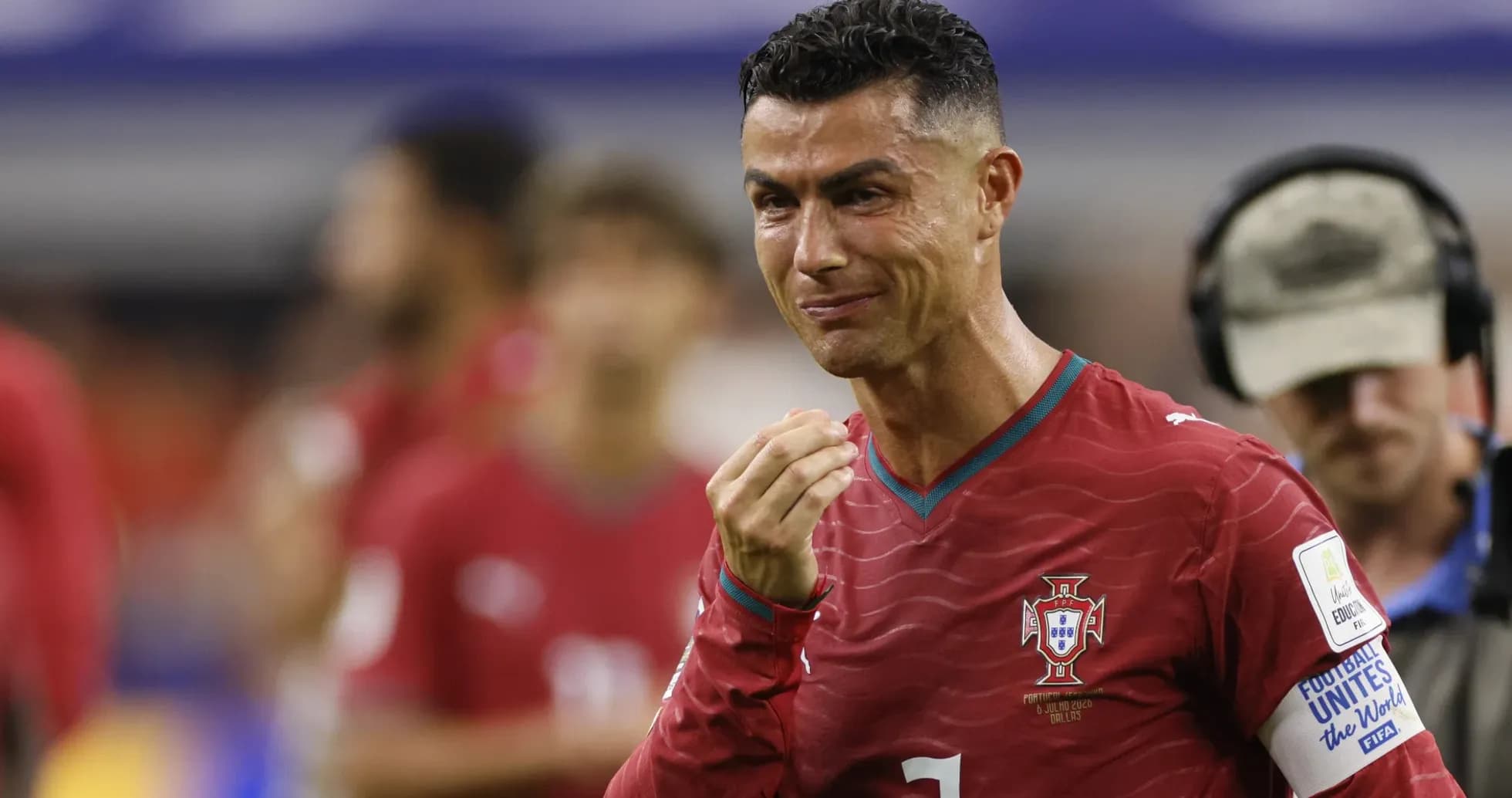
Cristiano Ronaldo walked off alone, head bowed, the lights of the Dallas Cowboys’ stadium glaring down on a scene football has spent two decades trying to avoid: the greatest goalscorer in the men’s international game leaving his last World Cup with nothing left to chase.
Spain’s 1-0 win over Portugal in the last 16 ended more than a tournament run. It ended a dream he had carried since boyhood in Madeira. No World Cup winner’s medal. No final act scripted for Hollywood. Just a 41-year-old captain fighting back tears and trying to summon words that didn’t quite match the weight of the moment.
“Sometimes you win, sometimes you lose, and you have to move on,” he said, voice low, the disappointment almost swallowing the sound. “That’s football, that’s the life of a footballer.”
A giant reduced to a peripheral figure. On the biggest stage of all.
A farewell without fireworks
This was not the rampaging Ronaldo who once tore through defences and bent tournaments to his will. Against Spain, he huffed and he puffed, but the house never moved.
Three attempts at goal, none of them truly troubling. Long stretches spent marooned through the middle, cut off from a Portugal attack that never really sparked. At one point, as a teammate’s pass drifted harmlessly away, he threw his hands into the air – frustration, resignation, maybe both.
He had arrived in North America having already rewritten history, and he still found the net three times at this World Cup: twice in a 5-0 demolition of Uzbekistan, once from the penalty spot against Croatia in the last 32. The numbers remained respectable. The influence did not.
No assists. No defining moment. No late rescue act.
Roberto Martinez rolled his dice late on, making two double substitutions as Portugal chased the game. Ronaldo stayed on, the immovable centrepiece of a plan that never quite looked like working. The debate that has followed him in recent years – whether his presence is still an asset or an anchor – will not quieten after this.
Ronaldo himself tried to frame it differently on the eve of the match: “I am not going to be more Cristiano Ronaldo or less because I win the World Cup.” He leaves this stage, as he put it, “with a clear conscience.”
For him, the greatest prize with Portugal remains Euro 2016. “The truth is, the biggest title I won with the national team was in 2016, which for me is just as significant as a World Cup, honestly,” he said. That is where his international peak will stay.
His best World Cup run will remain the semi-finals – 20 years ago, in 2026. Time has been ticking loudly ever since.
From Madeira’s streets to a billion-dollar brand
The journey from a poor upbringing on Madeira, with an alcoholic father and little certainty, to the centre of global sport is almost too big to grasp. Ronaldo built his career on obsession: records, goals, trophies, the constant sharpening of a body and mind designed for elite competition.
That drive carried him into his 40s. It turned him into a phenomenon beyond the pitch – football’s first billionaire, the most followed man on Instagram with 671 million followers, his “Siuuu!” celebration echoed on playgrounds from Lisbon to Lagos.
He became more than a player. He became an idea.
Sporting Lisbon was the launchpad. Manchester United the global unveiling, six years and a Champions League title that announced him as heir to the game’s throne. Real Madrid was the empire: four more Champions League crowns, an avalanche of goals, and a rivalry that defined an era.
Then Juventus. A return to United. And now Al Nassr, where he fronts Saudi Arabia’s push for footballing credibility. Along the way came five Ballon d’Ors and a medal collection so heavy it almost feels absurd that one piece is missing.
But it is missing.
The reinvention, and the cost
The Ronaldo that once terrorised full-backs down the flank has long since disappeared. As his pace ebbed and that explosive first step faded, he shifted infield, reinventing himself as a classic No 9. A penalty-box predator. A finisher rather than a force of nature.
It worked for a time. The goals kept coming. The aura stayed intact.
Yet the narrative changed. Each passing year brought fresh scrutiny: was he still elevating his teams, or were they contorting themselves to accommodate a legend past his peak? With Portugal, the question became sharper. Was this a glorious final chapter, or a story dragged out too long?
Ronaldo and Martinez have both been accused of clinging on, stretching his international career beyond its sell-by date. Nights like this one in Texas will fuel that argument. When Portugal needed invention, movement, something unexpected, their No 7 remained rooted in the middle, waiting for service that never truly arrived.
He walked off the pitch alone at the end, the roar of the crowd fading behind him. No lap of honour. No grand farewell. Just a slow exit into the tunnel, carrying the knowledge that this stage – the World Cup stage – will not see him again.
He has won everything else. He has shaped an era. He has become a symbol as much as a footballer.
But the World Cup has slipped through his fingers for the final time. And that, even for a man who has made a career out of defying reality, is one record he will never rewrite.
Related News
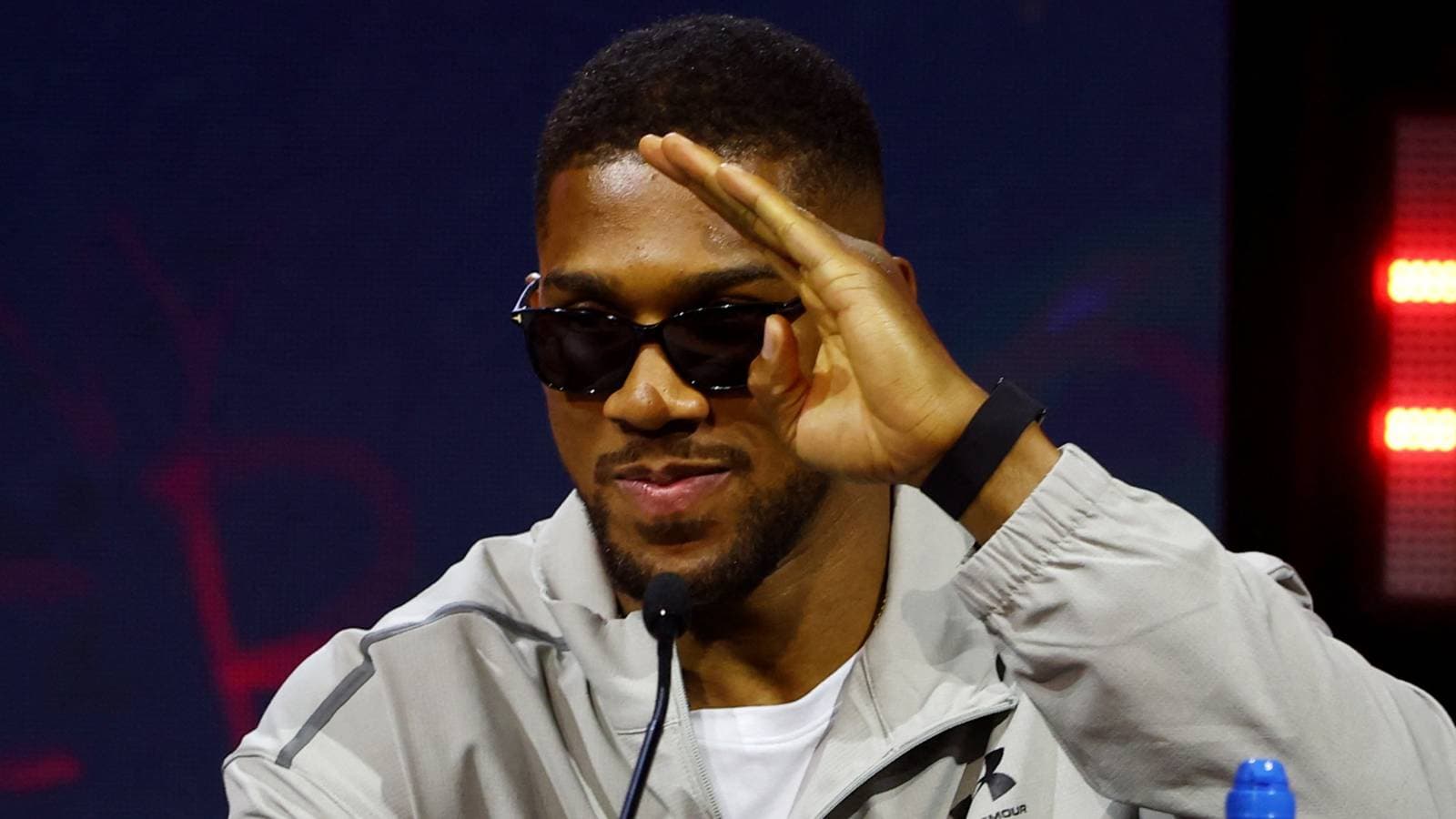
Anthony Joshua Names Murat Gassiev as Next Opponent if He Defeats Tyson Fury
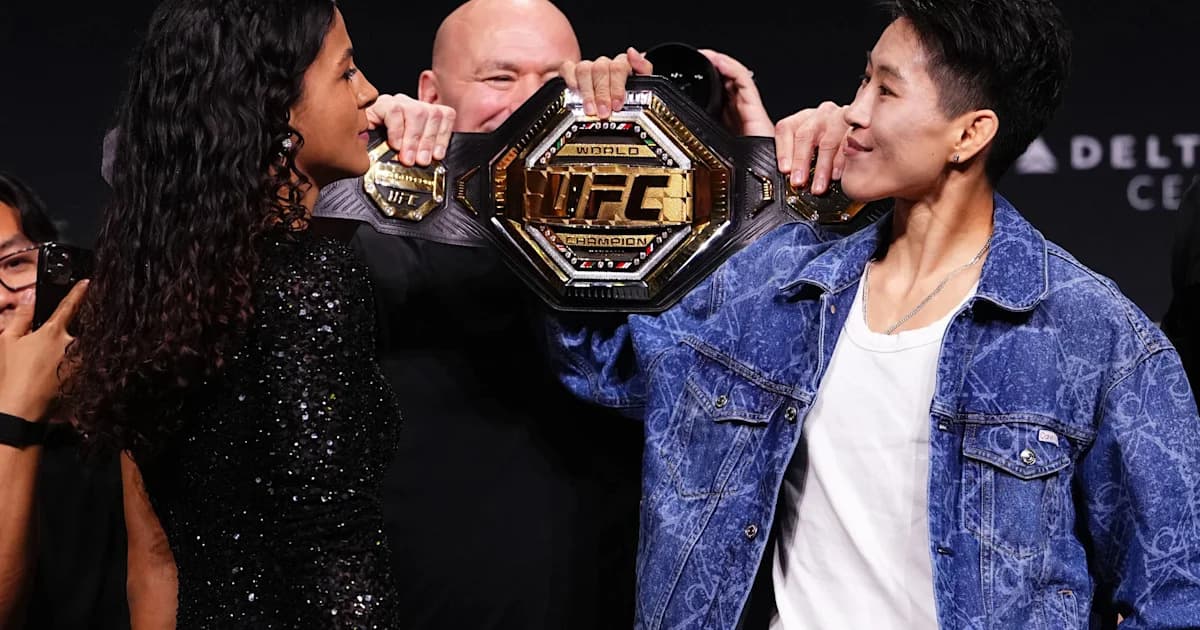
UFC 332: Start Time and Fight Highlights for Natalia Silva vs. Wang Cong
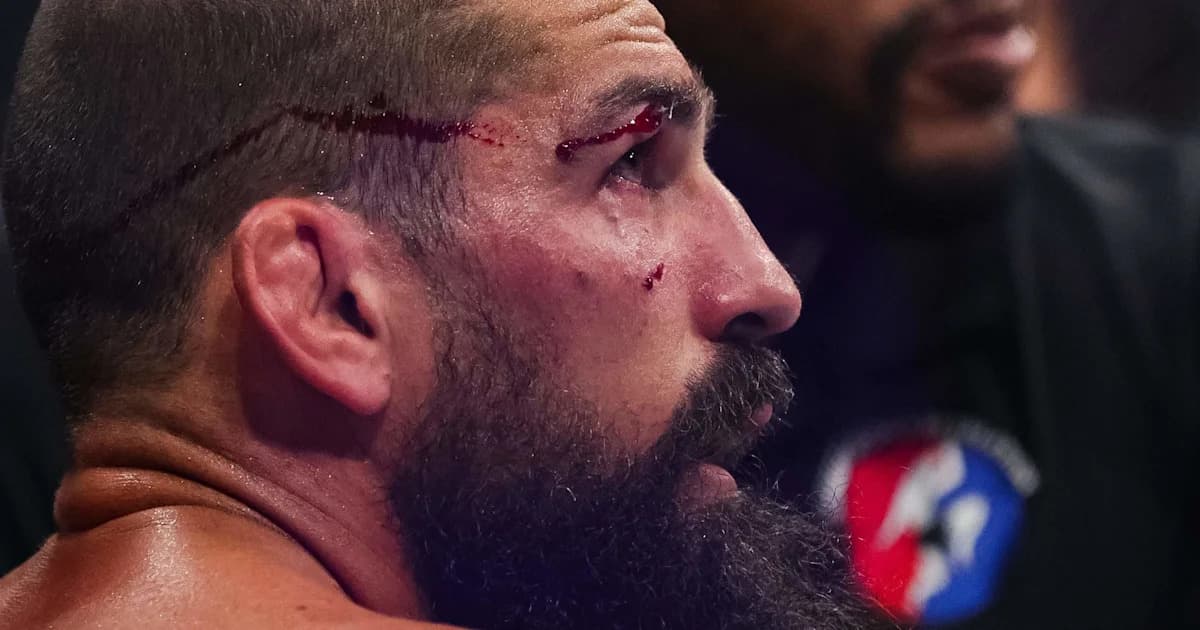
Court McGee Opens Up About Choosing UFC 332 as His Final MMA Fight
WBC Orders Lightweight Title Unification: William Zepeda vs Jadier Herrera
BCCI Pension List: Monthly Payments to Retired Indian Cricketers in 2025
Why Fury vs Joshua Is Set for Cardiff, and Dua Lipa’s Unexpected Role