
Denver Summit W vs Orlando Pride W: NWSL Showdown
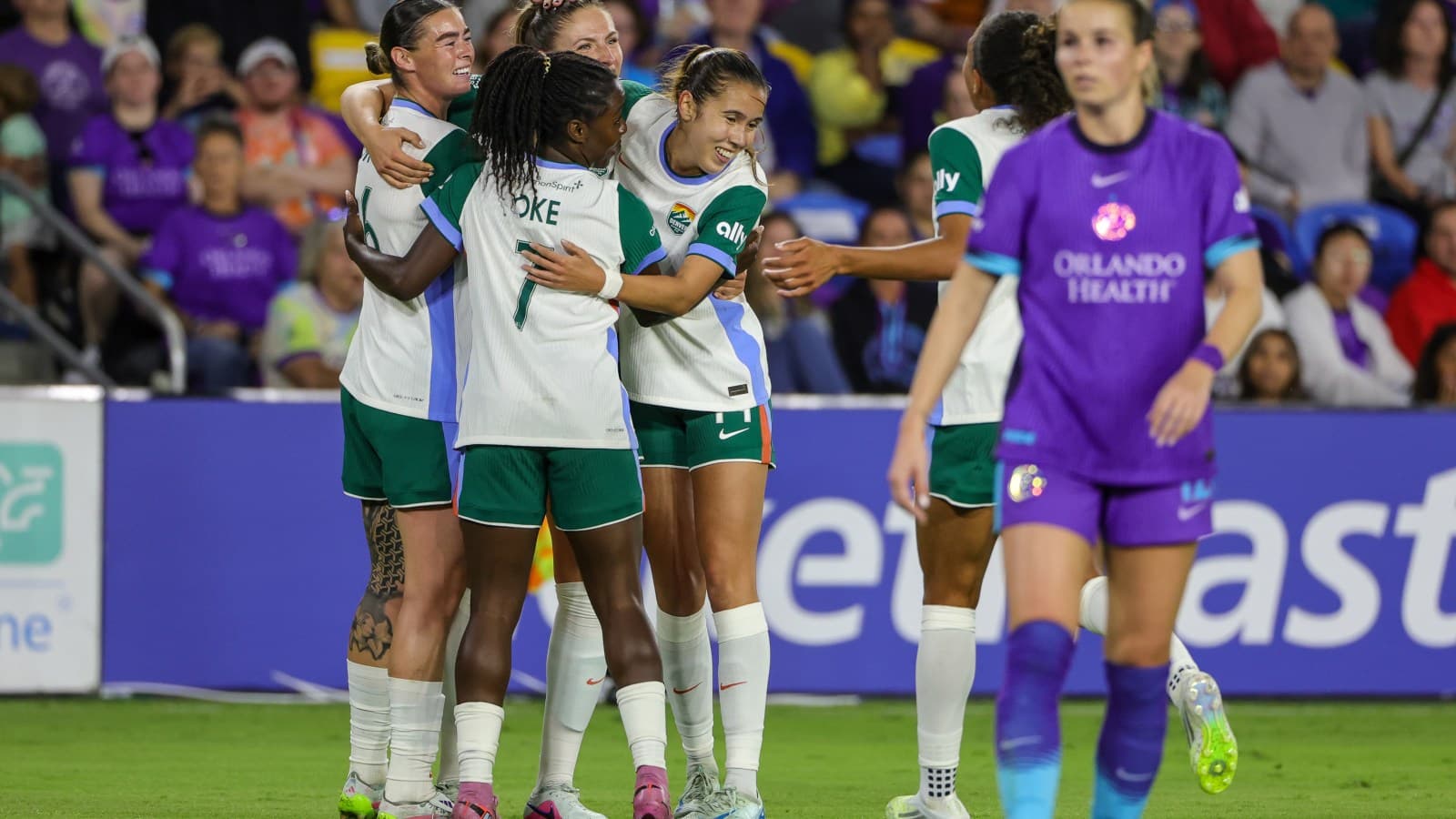
Denver Summit W vs Orlando Pride W will take place in the NWSL Women group stage on 17 May 2026, with the hosts looking to climb away from the foot of the table and the visitors trying to consolidate a play-off (1/4 final) push. Denver sit 12th with 9 points, while Orlando occupy 7th on 11 points and currently fall inside the play-off positions.
Both sides know that in a tight table, a single result can swing the narrative of their season. For Denver, this is a chance to turn stubborn competitiveness into home wins. For Orlando, it is about proving that their play-off credentials extend beyond their own stadium.
Form and context
In the league, Denver have been inconsistent but competitive. They have 2 wins, 3 draws and 3 defeats from 8 matches, with a positive goal difference (12 scored, 10 conceded). The recent form line of WLLDD suggests a side that has stabilised defensively but still struggles to turn performances into three points.
Their home record is a concern: only 2 matches played, with 0 wins, 1 draw and 1 defeat, scoring 2 and conceding 3. Denver have been better on the road (2 wins, 2 draws, 2 losses, 10-7 on goals), underlining a slightly paradoxical profile – more comfortable spoiling away than imposing themselves at home.
Orlando arrive with 3 wins, 2 draws and 4 defeats from 9 games, a perfectly balanced goal record (13 for, 13 against) and the description line that matters: “Promotion - NWSL Women (Play Offs: Quarter-finals)”. Their form, LWLLW, is streaky, but the last result was a win, and they have shown they can respond after setbacks.
Away from home, Orlando have 1 win, 1 draw and 2 defeats (6 scored, 5 conceded). They are not dominant travellers, but they do carry a consistent attacking threat and generally keep games close.
Tactical outlook: Denver’s structure vs Orlando’s star power
The most revealing tactical clue in the data comes from Orlando’s lineups: they have used a 4-2-3-1 in all 9 league matches. That points to a clear identity – double pivot protection in front of the back four, width from the wide attacking midfielders, and a focal point up front.
That focal point is emphatically Barbra Banda. The Zambia international is the league’s standout attacking figure so far:
- 7 goals in 9 appearances
- 33 shots, 20 on target
- 12 key passes and 72 total passes with 70% accuracy
- 21 fouls drawn, underlining how hard she is to handle
Her profile in this Orlando side is central: she offers both a penalty-box presence and a threat when drifting wide or dropping to link. With Orlando averaging around 1.4 goals per game and Banda responsible for more than half of them, Denver’s game plan will inevitably revolve around limiting her space between the lines and in the channels.
Denver, by contrast, spread their attacking responsibility more evenly. Their season top contributors from the data are:
- Natasha Flint: 3 goals, 2 assists in 8 appearances, 7 key passes, 77% pass accuracy, and significant defensive work (13 tackles, 7 interceptions).
- Klara Melissa Kössler: 3 goals in 8 appearances, 7 key passes, 6 shots on target from 11 attempts, and useful link play.
Both Flint and Kössler are central to how Denver progress the ball and create chances. Flint, listed as a midfielder, is clearly a box-to-box or advanced midfielder who contributes in every phase: she tackles, intercepts, passes forward and arrives in scoring positions. Kössler, as an attacker, provides a direct threat and can stretch back lines.
Denver’s overall numbers – 1.5 goals scored per game and 1.3 conceded across all phases – suggest a balanced, mid-block side rather than a gung-ho outfit. Their clean-sheet count (3 in 8) is respectable, and they have only failed to score twice. The risk, however, lies in game management: their biggest home loss is 2-3 and their biggest away defeat 3-2, pointing to narrow, high-stress games where fine margins matter.
Orlando’s defensive record is similar (1.4 goals conceded per game), but their attacking floor is raised by Banda. They also have 3 clean sheets and have failed to score just once, which is an important indicator of reliability in chance creation.
Discipline and tempo
Denver’s card distribution is notable. They have collected yellow cards most heavily between minutes 46-60 and 76-90+, and even a red card in the 16-30 minute window. That hints at a team that can become stretched and reactive, particularly after half-time and late on.
Orlando’s yellow cards cluster from 61-90+, which may indicate increased aggression when chasing or defending a result in the closing stages. Neither side has a heavy red-card problem in the data, but Denver’s early red is a cautionary tale: in a tight game, discipline could decide the outcome.
Head-to-head snapshot
There is just one recent competitive head-to-head in the data, from the same NWSL Women season:
- 21 March 2026, Inter&Co Stadium (Orlando): Orlando Pride W 1-1 Denver Summit W – draw.
Orlando were at home that day and could not find a winner, while Denver left with a valuable point. With only this single competitive meeting available, the H2H picture is limited but shows that Denver are capable of matching Orlando over 90 minutes.
Set pieces and penalties
From the season stats, Denver have not taken a penalty in the league (0 total). Orlando, by contrast, have 1 penalty this season and scored it. At player level, Banda has won 1 penalty but has not yet scored from the spot; Denver’s Flint has committed 1 penalty but none of Denver’s listed players have converted one.
This suggests a small but real edge for Orlando if the match is decided by set-piece incidents in the box.
Key battles
- Denver’s midfield vs Banda’s supply line: Flint’s dual role as creator and ball-winner will be crucial in disrupting Orlando’s 10 and wide players before they can feed Banda.
- Kössler vs Orlando’s back four: With Orlando’s biggest away loss being 3-2, they can be exposed in transition. Kössler’s movement into the channels and behind the defence could exploit any high line or slow recovery.
- Denver’s defensive shape vs 4-2-3-1 rotations: Orlando’s fixed formation means Denver can prepare specifically for wide overloads and late runs from the second line. If Denver’s wide players track diligently, they can funnel play into central areas where their midfielders can tackle and intercept.
The verdict
On paper, Orlando arrive as slight favourites: they are higher in the table, in a play-off (1/4 final) position, and possess the league’s standout attacker in Banda. Their 4-2-3-1 gives them a clear structure and they have shown they can win both at home and away.
However, the margins are narrow. Denver have a positive overall goal difference, score regularly, and already took a 1-1 draw away at Orlando earlier in the season. Their main weakness is at home, where they have yet to win, but that also means there is clear upside if they can translate their away resilience into their own environment.
Expect a competitive, tactically balanced match, with Orlando’s individual attacking quality slightly outweighing Denver’s collective structure. A draw would not be a surprise, but if one side edges it, the data leans marginally towards Orlando – provided Denver cannot keep Banda quiet for the full 90 minutes.
Related News
Portland Thorns W vs Houston Dash W: NWSL Women Clash

Kansas City W vs Denver Summit W: NWSL Women Showdown
Portland Thorns W vs Houston Dash W Prediction: Key Stats and Tips

Racing Louisville W vs San Diego Wave W Predicted Lineups and Team News
Kansas City W vs Denver Summit W Prediction: Key Stats and Betting Tips

Racing Louisville W vs San Diego Wave W: NWSL Clash Preview