
Egypt Triumphs Over Australia in Penalty Shootout
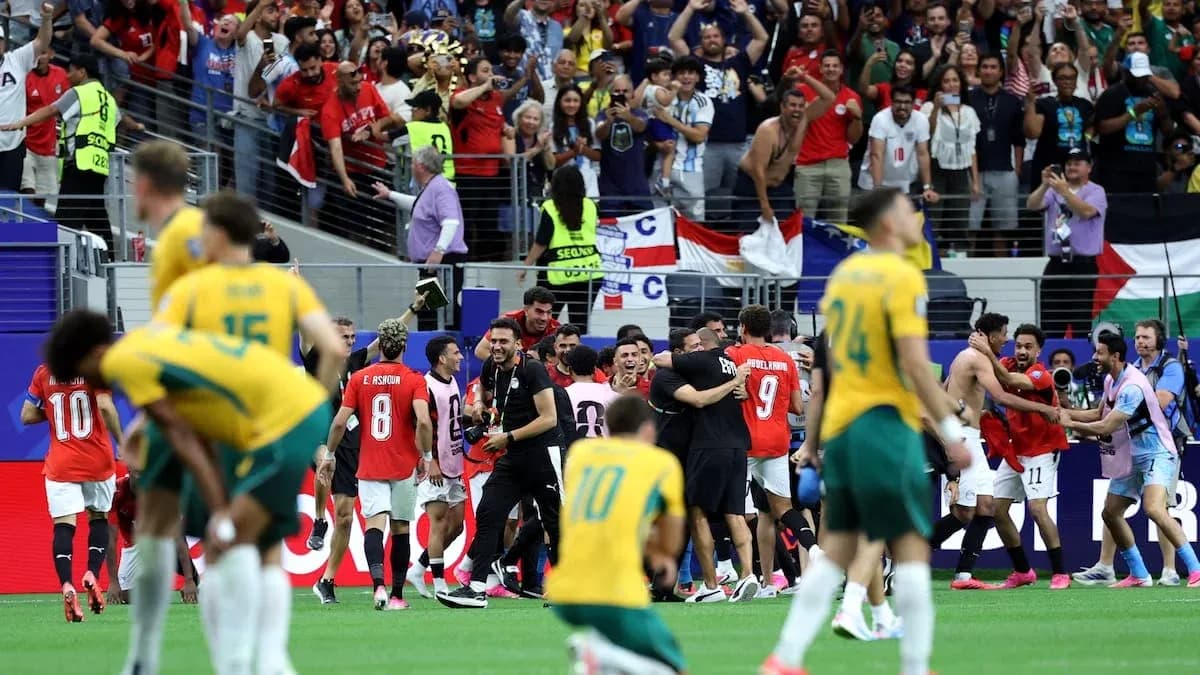
Mathew Ryan walked on like a closer in baseball. Cold. Late. Everything on the line. Tony Popovic’s last roll of the dice was to throw his most experienced goalkeeper into a penalty shootout that would decide history for both Egypt and Australia.
It still wasn’t enough.
Harry Souttar strode up first, in front of a wall of Egypt fans and a storm of whistles. The pressure told. His penalty flew over the bar and with it went Australia’s early foothold in the shootout.
From there, Egypt never flinched. Five of the next six takers scored, each kick ratcheting up the tension in a stadium packed with 70,000 people and cooled air but rising heat. Mohamed Salah, quiet for most of the night, stepped up and rolled in his spot-kick with the calm of a man who has lived these moments for a decade.
Then came Lucas Herrington. Just 18, a defender thrust into the most unforgiving of spotlights. He went high, too high, the ball crashing against the bar. One kick later, Abdelmaguid buried his effort, Egypt were through, Salah was in tears of joy, and Australia were shattered.
For the seven-time African champions, it was a night that began with a familiar roar. Emam Ashour climbed at the back post after just 13 minutes, meeting a Karim Hafez cross and steering a header past Patrick Beach. A textbook finish. His second goal of the tournament.
The goal sliced through an Australia side that had only scored twice in the group stage and forced them into a role they have never fully trusted: chasers, not spoilers.
Ironically, it was Australia who almost struck first. Inside five minutes, Cristian Volpato — the playmaker who chose the green and gold over Italy on the eve of the tournament — rattled the top of the crossbar with a fierce strike. A fraction lower and the story changes.
Instead, Egypt, who had tasted their first ever World Cup win in the group phase against New Zealand, looked edgy at the back but ruthless when it mattered. Hossam Hassan’s team were slightly second-best in general play, yet they carried the lead and the psychological edge.
Australia’s response before the break lacked bite. Aziz Behich finally forced Mostafa Shoubir into action 10 minutes before half-time, but the full-back’s effort was tame and straight at the goalkeeper. Shoubir, whose father Ahmed played for Egypt at the 1990 World Cup, barely had to move.
First Half
The first half turned scrappy. Attritional. Salah, 34 and coming off a hamstring strain, hovered on the fringes. His presence alone warped Australia’s defensive shape, but on the ball he was subdued, more decoy than destroyer.
The half ended with a thud and a groan. Jordan Bos, one of the quickest players at this tournament, was wiped out by a flying challenge from Rabia. The wing-back stayed down, then stayed down longer. He didn’t reappear after the interval, Kai Trewin taking his place and Australian hopes taking a knock.
Second Half
Seconds into the second half, the game should have been gone. Omar Marmoush, Egypt’s Manchester City attacker, found himself sliding onto a cross from close range. The net seemed certain to bulge. Instead, the ball trickled wide, a staggering miss that kept Australia alive.
That escape jolted the Socceroos. They began to lean into what they do best: set-pieces, duels, chaos. Egypt’s coach had warned about Australia’s physical edge and he was right to worry.
From an in-swinging free-kick, Mohamed Hany crumpled under pressure and diverted the ball into his own net with a glancing header. Level again. Agony for Hany, his second own goal of the tournament, and a lifeline for Popovic’s side.
The equaliser changed everything. Egypt, who had looked composed, suddenly tightened up. Australia sensed something bigger than just a comeback: both nations had never won a men’s World Cup knockout tie. The air thickened with that shared sense of opportunity and fear.
Salah stayed on the margins of open play but began to stitch together small moments. Deep in added time, he helped work the ball into a dangerous area, only for Beach to produce a superb, athletic save to deny Ramy. That stop dragged the contest into extra time.
Egypt finished normal time on top and carried that momentum into the additional 30 minutes. Salah lashed one effort high and wide on his weaker right foot early in extra time, a reminder that even the elite can snatch at chances when the stakes bite.
The clock bled away. Legs heavy, minds heavier. Penalties felt less like a possibility and more like a sentence.
When they finally arrived, Popovic made his move, summoning Ryan for the shootout. It was bold, calculated, ruthless. It also put a spotlight on every Australian taker.
Souttar blinked first. Herrington followed. Between them, Salah and his teammates stayed ice-cold.
Australia leave with regret and a sense of what might have been; Egypt leave with history and their captain’s tears glistening under the stadium lights.
For Salah and Egypt, the question now is simple: if this is what they look like when their star man is “mostly ineffective,” what happens when he truly catches fire?
Related News

Anthony Joshua Names Murat Gassiev as Next Opponent if He Defeats Tyson Fury

UFC 332: Start Time and Fight Highlights for Natalia Silva vs. Wang Cong
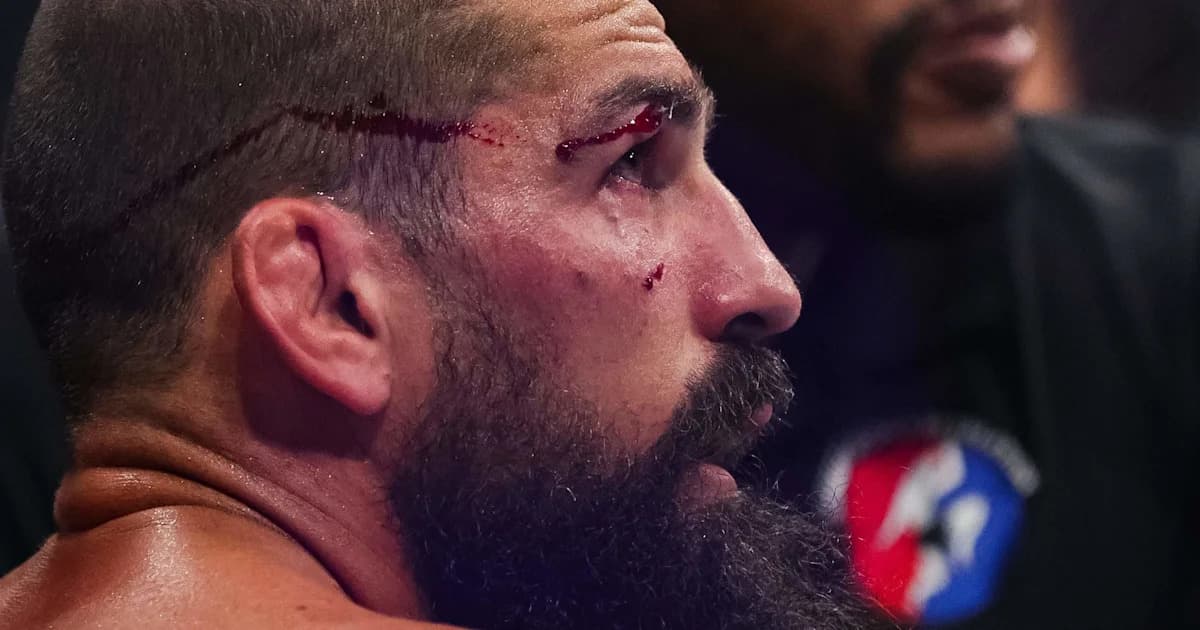
Court McGee Opens Up About Choosing UFC 332 as His Final MMA Fight
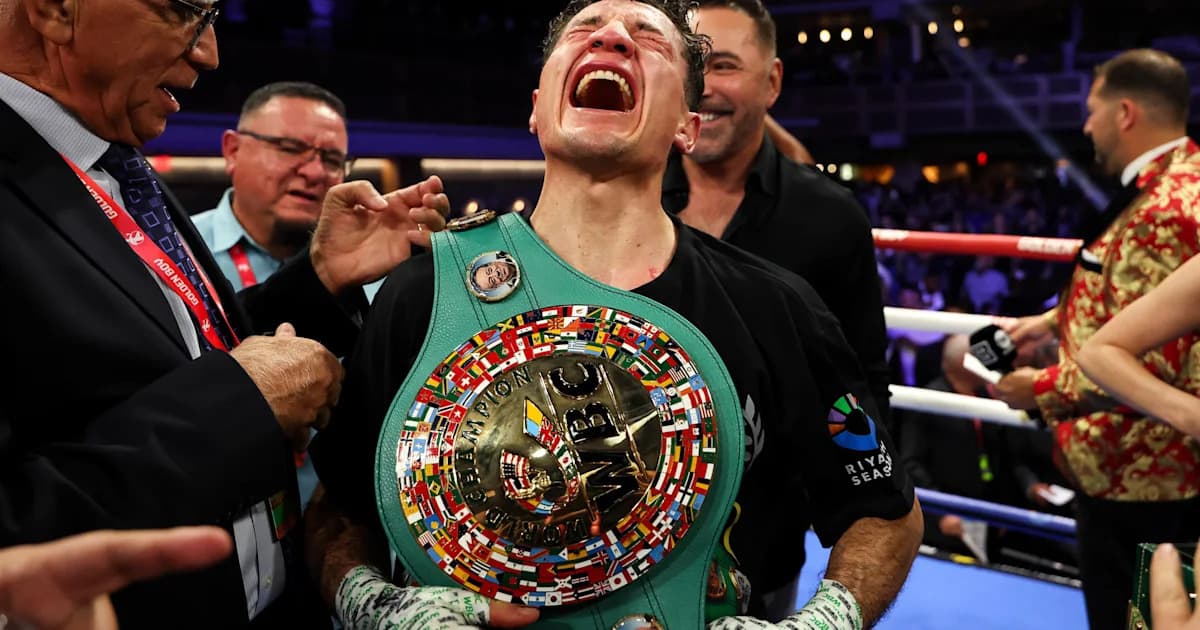
WBC Orders Lightweight Title Unification: William Zepeda vs Jadier Herrera
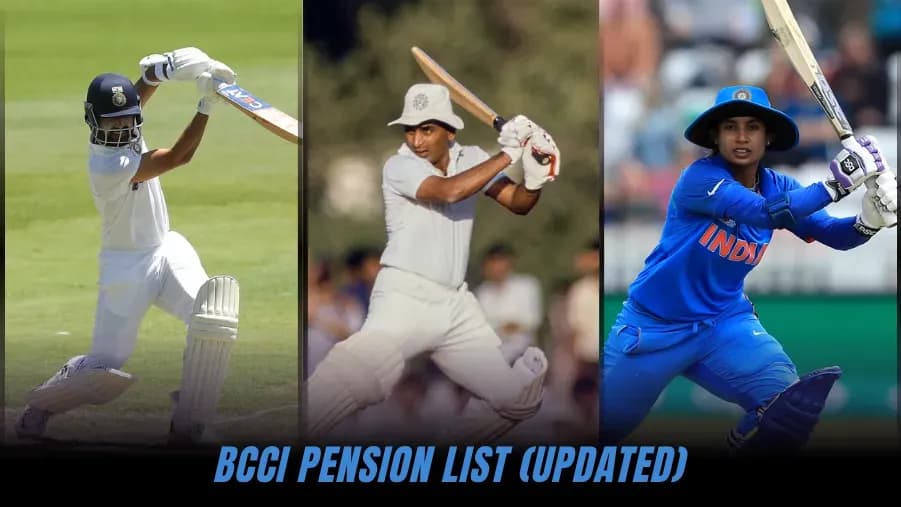
BCCI Pension List: Monthly Payments to Retired Indian Cricketers in 2025

Why Fury vs Joshua Is Set for Cardiff, and Dua Lipa’s Unexpected Role