
Egypt's Historic Win Over Australia in World Cup Penalties
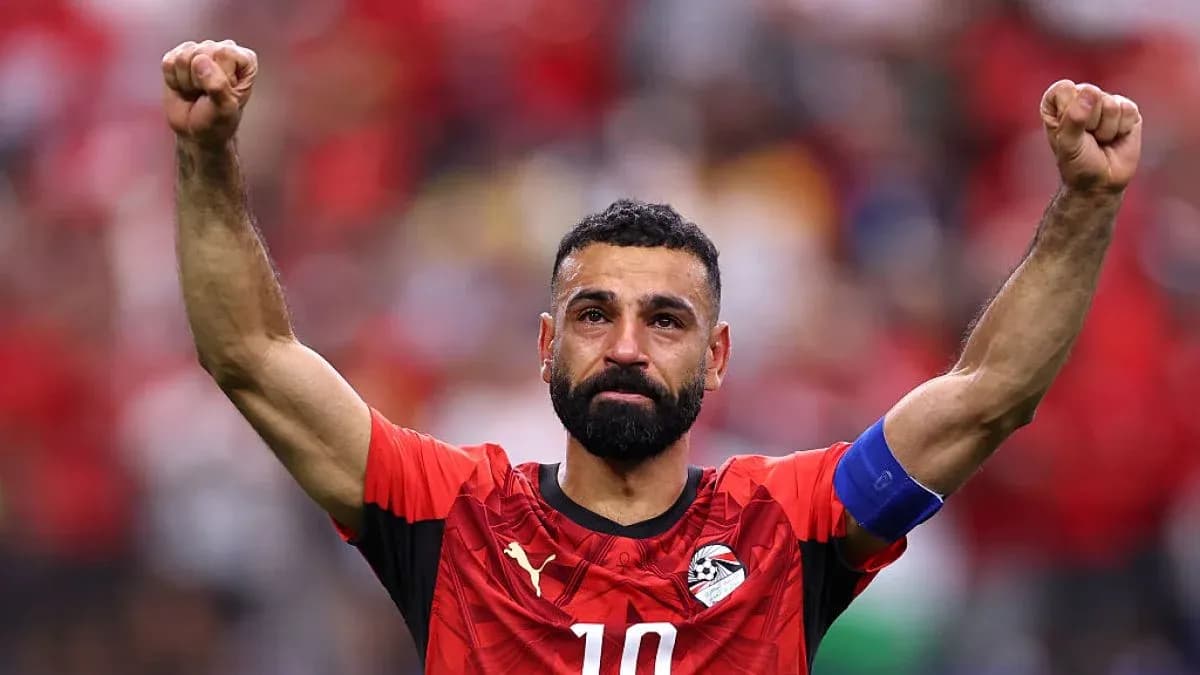
Hossam Abdelmaguid walked from halfway with 70,000 eyes on him and a nation on his shoulders. One swing of his right foot, one clean strike, and Egypt stepped into territory they had never known before.
The net bulged, the World Cup last 16 secured, and Mohamed Salah sank to his knees in tears. Australia’s players crumpled. History had chosen its side.
Egypt hold their nerve in Texas cauldron
Egypt beat Australia 4-2 on penalties in Texas after a draining 1-1 draw over 120 minutes, a night that veered between tension, wastefulness and raw nerve.
Tony Popovic had rolled his final dice before the shootout, sending on Mathew Ryan at the death, hoping the veteran goalkeeper could tilt the margins. The shootout unfolded in front of a wall of Egypt fans, whistles piercing the air, every Australian step to the spot greeted with hostility.
Harry Souttar went first. He lashed his penalty high, too high, and the ball sailed over the bar. The Socceroos were immediately chasing.
From there, five takers in a row converted. Salah, subdued for much of the night and still feeling the effects of a hamstring strain, strolled up and dispatched his kick with icy calm, a reminder that big moments still belong to him. Then came the decisive crack: 18-year-old defender Lucas Herrington thumped his effort against the bar.
Abdelmaguid, still only a teenager himself, did not blink. His strike was firm, precise, and final. Egypt were through. Australia were out.
A night that began with a roar
The drama at the end almost obscured how nervy Egypt had been at the start. Cristian Volpato, the playmaker who switched allegiance from Italy to Australia on the eve of the tournament, nearly stunned them inside five minutes. His shot smashed against the top of the crossbar, a warning that rattled more than just the frame.
Egypt, who had only just tasted their first ever World Cup win in the group stage against New Zealand, looked hesitant at the back. The ball skidded across their box too often, clearances lacked conviction, and the Socceroos sensed vulnerability.
Then, almost against the rhythm of the game, Hossam Hassan’s side landed their punch.
Karim Hafez whipped in a teasing cross to the far post. Nestory Irankunda lost his man, and Emam Ashour arrived unmarked, guiding a header into the corner after 13 minutes. His second goal of the tournament, and suddenly the noise from the Egypt end went up another level.
Australia, who had scored just twice in the group phase, now had to chase. Their first shot on target did not arrive until 10 minutes before the interval, Aziz Behich hitting a tame effort straight at Mostafa Shobeir. For Shobeir, whose father Ahmed kept goal for Egypt at the 1990 World Cup, it was a routine stop on a momentous night.
Salah muted, battle lines drawn
If the scriptwriters had planned a Salah masterclass, the first half ripped it up. The 34-year-old, back from a hamstring problem, hovered on the fringes. Touches were heavy, runs were tentative, and Australia’s physical approach kept him at arm’s length.
The half closed with a thud rather than a flourish. Jordan Bos, one of the quickest players at this World Cup, ended the first period sprawled on the turf after a ferocious aerial challenge from Rabia. Bos could not continue and Kai Trewin replaced him at the break, a significant blow to Australia’s attacking thrust down the flank.
Seconds after the restart, Egypt should have buried the contest. Omar Marmoush, the Manchester City forward, slid in at close range but somehow dragged his finish wide. It was the kind of miss that lingers in the mind, and it gave Australia oxygen.
Hassan had warned about Australia’s aggression, and that warning proved prophetic.
Hany’s nightmare continues
The pressure grew, the tackles bit harder, and Egypt’s composure wavered. From an in-swinging Australian free-kick, Mohamed Hany rose under intense pressure and could only divert the ball into his own net 10 minutes after half-time.
It was his second own goal of the tournament. A personal ordeal, and a collective gut punch.
Suddenly, the game tilted. Both teams knew the stakes. Neither Egypt nor Australia had ever won a knockout match at a men’s World Cup. Every duel crackled with that knowledge. Every clearance, every second ball, felt heavier.
Egypt recovered their poise as the clock ticked towards 90. They pushed the Socceroos deeper, and Salah finally flickered into life in the buildup to a late chance. Patrick Beach, Australia’s starting goalkeeper before Ryan’s introduction, produced a superb save deep into added time to deny Ramy and drag the tie into extra time.
Extra time, frayed nerves, and destiny from the spot
Normal time ended with Egypt on top, legs tiring on both sides. Early in extra time, Salah cut inside onto his weaker right foot and skied a shot high over the bar. It summed up his evening from open play: present, dangerous in theory, but just off the mark when it mattered.
The longer extra time wore on, the clearer it became that penalties were coming. Neither side had the energy nor the precision to carve out a clean opening. Tackles became survival challenges. Players sank to the turf at every stoppage, hands on knees, lungs burning in the air-conditioned home of the Dallas Cowboys.
Then came the walk to the centre circle, the coin toss, the slow march of penalty takers. Popovic gambled on Ryan. Egypt trusted their young core and their scarred but unbroken captain.
Souttar missed. Salah scored. Herrington hit the bar. Abdelmaguid finished the job.
Egypt’s players sprinted towards their fans, a red tide surging to the corner. Salah, who had so often carried his country alone, this time collapsed in tears as others shared the burden and the glory.
Argentina – or Cape Verde – await
For the first time, Egypt will play in the World Cup last 16. Their reward is a tie in Atlanta on Tuesday against the winner of Argentina versus Cape Verde, with Lionel Messi and the reigning champions heavily favoured to progress.
Whatever happens next, the Pharaohs have already broken through a ceiling that haunted generations. The question now is simple: is this where the story peaks, or just where it truly begins?
Related News

Anthony Joshua Names Murat Gassiev as Next Opponent if He Defeats Tyson Fury

UFC 332: Start Time and Fight Highlights for Natalia Silva vs. Wang Cong
Court McGee Opens Up About Choosing UFC 332 as His Final MMA Fight
WBC Orders Lightweight Title Unification: William Zepeda vs Jadier Herrera
BCCI Pension List: Monthly Payments to Retired Indian Cricketers in 2025

Why Fury vs Joshua Is Set for Cardiff, and Dua Lipa’s Unexpected Role