
Egypt Celebrates Historic World Cup Knockout Victory
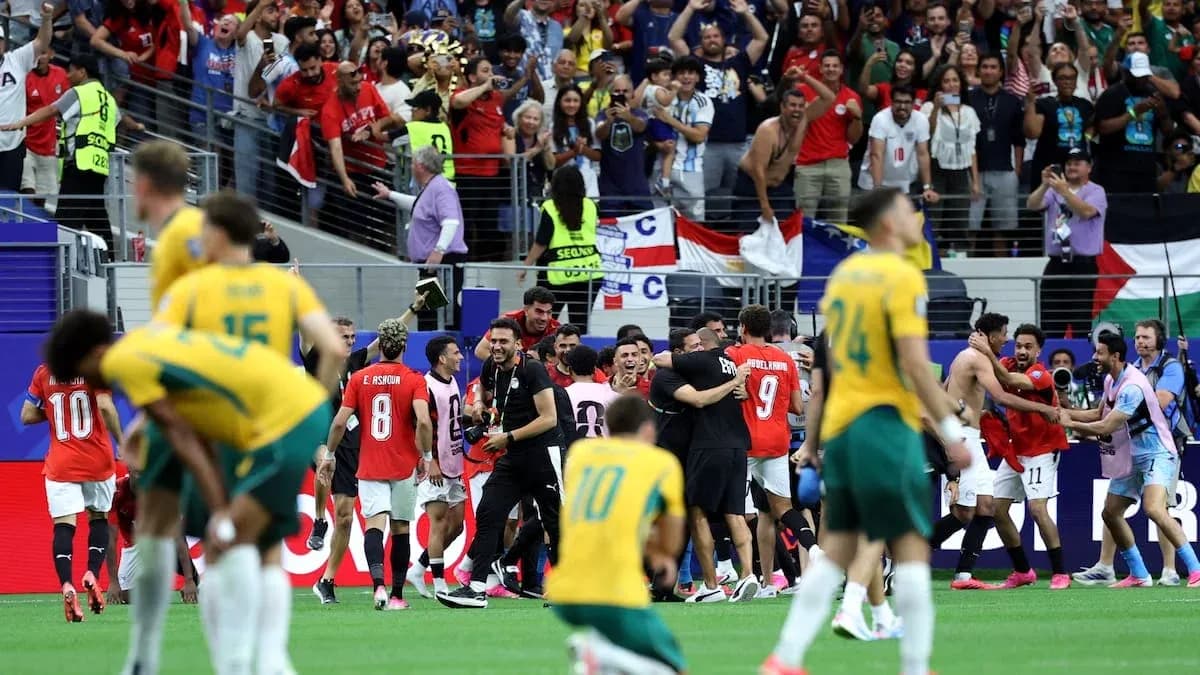
Under the closed roof of the Dallas Cowboys’ vast arena, with 70,000 voices bouncing off the steel and glass, Egypt finally stepped through a World Cup door that had always slammed in their face.
They did it the hard way. They did it on penalties. And they did it with Mohamed Salah in tears.
Egypt hold their nerve from the spot
Tony Popovic played his last card before the shootout, sending on veteran goalkeeper Mathew Ryan in a late, high-stakes switch. It was a move straight from the tournament playbook: trust experience, trust the old hands.
The setting could hardly have been more hostile for Australia. The kicks went towards the bank of Egypt fans, a wall of red and white, whistles pouring down with every Australian step.
Harry Souttar went first. The big defender strode up, shoulders squared, and then ballooned his penalty over the bar. The Socceroos were immediately chasing.
After that, five in a row found the net. Salah, who had spent most of the night on the fringes, walked forward with that familiar slow, measured stride and rolled in his kick with icy calm. Australia clung on, but when 18-year-old defender Lucas Herrington thundered his effort against the bar, the balance finally tipped.
Abdelmaguid did not blink. He buried his penalty, sealed Egypt’s passage, and sent Salah sinking to the turf in tears of joy as Australian players dropped to their knees, broken.
An early blow, a slow burn
This was not a classic in the purest sense, more a slow, bruising contest that lurched into life in jolts.
Egypt struck first. Just 13 minutes had gone when Emam Ashour, ghosting to the back post, met Karim Hafez’s cross and nodded in for his second goal of the tournament. Australia’s marking vanished, Nestory Irankunda lost his man, and Ashour punished them.
For a side that had only managed two goals in the group stage, it was a nightmare scenario for Popovic. The onus fell on a shot-shy team to chase the game against seven-time African champions who suddenly had something precious to protect.
Australia nearly had the perfect response. With less than five minutes on the clock, Cristian Volpato – who only switched allegiance from Italy to Australia on the eve of the World Cup – rattled the top of the crossbar with a fierce strike. It was a warning, but Egypt, nervy at the back after their own stuttering group campaign, survived.
Chances remained scarce. Ten minutes before half-time, full-back Aziz Behich finally forced Egypt goalkeeper Mostafa Shoubir into a save, though his effort lacked power. Shoubir, whose father Ahmed kept goal for Egypt at the 1990 World Cup, gathered comfortably.
Salah, 34 and coming off a hamstring strain, barely flickered in a scrappy first half. He hovered on the edges, rarely able to stretch his legs or dictate the tempo.
The half ended with a jolt of Australian concern. Jordan Bos, one of the quickest players at this tournament, lay in a heap after a robust, flying challenge from Rabia. The wing-back could not continue and was replaced at the break by Kai Trewin, a significant blow to Australia’s attacking thrust down the flank.
Australia drag themselves back
Seconds after the restart, Egypt should have put the tie to bed. Omar Marmoush, the Manchester City attacker, slid the ball wide from close range when it looked easier to score. It was a glaring miss and it kept Australia alive.
The punishment came soon enough.
Egypt’s coach had warned about Australia’s physicality, and that edge told from a set-piece. An in-swinging free-kick caused chaos, Mohamed Hany came under heavy pressure, and the defender could only glance a header into his own net. It was his second own goal of the tournament, a brutal statistic, and it dragged the Socceroos level 10 minutes after half-time.
From there, the match tilted back and forth. Both sides knew the stakes. Neither Egypt nor Australia had ever won a knockout game at a men’s World Cup. Every tackle, every second ball, carried the weight of history.
Salah stayed on the periphery, involved in patches but never truly taking control. When Egypt did break through late in normal time, it was Patrick Beach who kept Australia alive, springing across his goal to deny Ramy deep into added time and force extra time.
Extra time, then the reckoning
Egypt finished the 90 minutes with more energy and carried that momentum into extra time. Salah, cutting onto his weaker right foot, lashed a shot well over early in the additional 30 minutes. The chance came and went, and with each passing minute the inevitability of penalties grew.
Neither side could find a decisive moment. Tired legs, tired minds, and the spectre of the shootout looming over every cautious pass.
When the whistle finally went, it felt less like a new chapter and more like a verdict deferred.
The verdict arrived from 12 yards.
Souttar’s miss set the tone, Herrington’s misfortune confirmed it, and Egypt – who had celebrated their first-ever World Cup win in the group phase against New Zealand – now celebrated something far greater: a first knockout victory on the global stage.
For Australia, a campaign built on grit, organisation and flashes of youthful promise ended in the most unforgiving fashion. For Egypt, and for Salah, who spent so long as a subdued figure on the night, the release came in the only way it could: one perfect penalty, one final roar, and a long-awaited step into World Cup history.
Related News
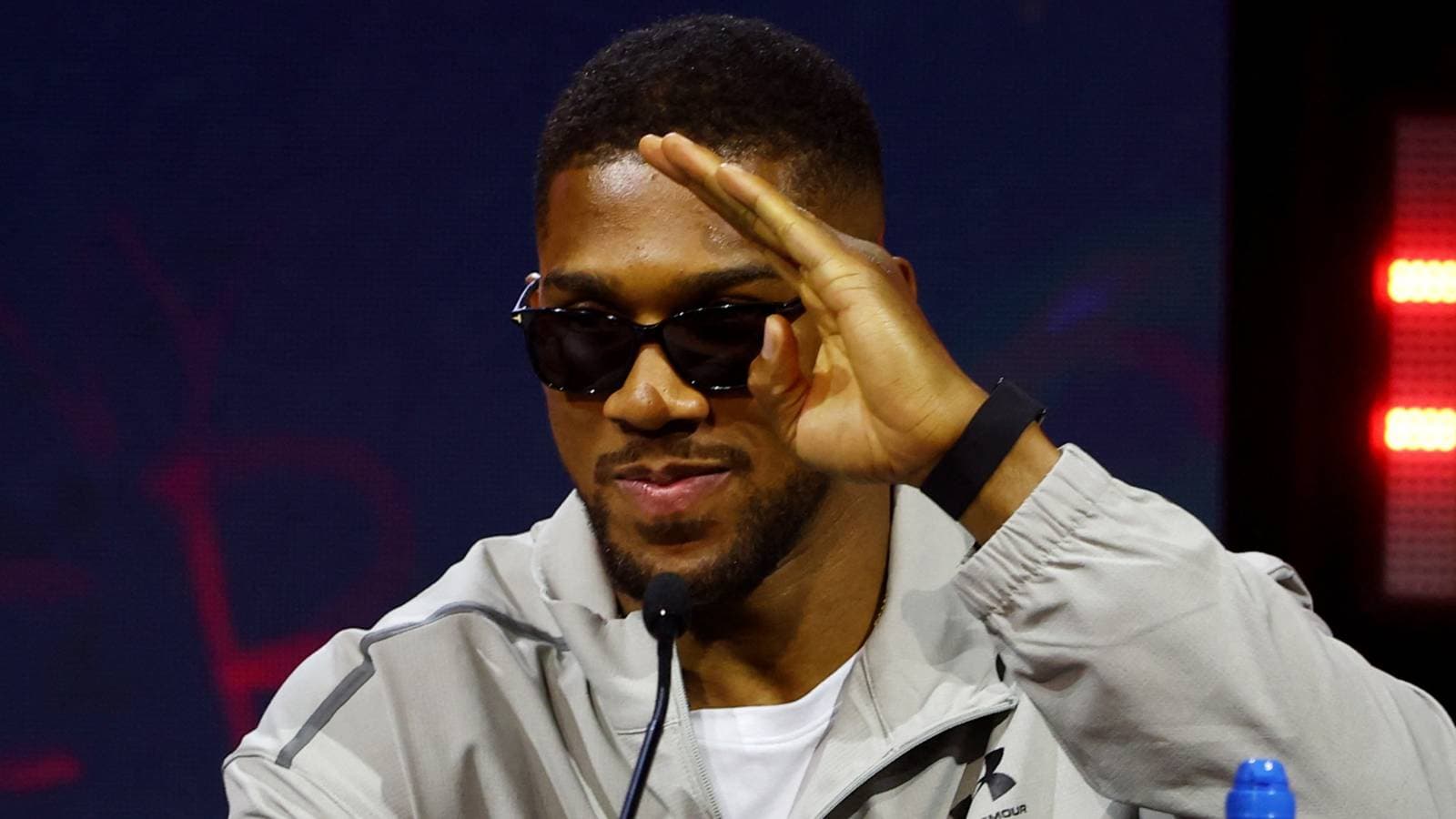
Anthony Joshua Names Murat Gassiev as Next Opponent if He Defeats Tyson Fury

UFC 332: Start Time and Fight Highlights for Natalia Silva vs. Wang Cong
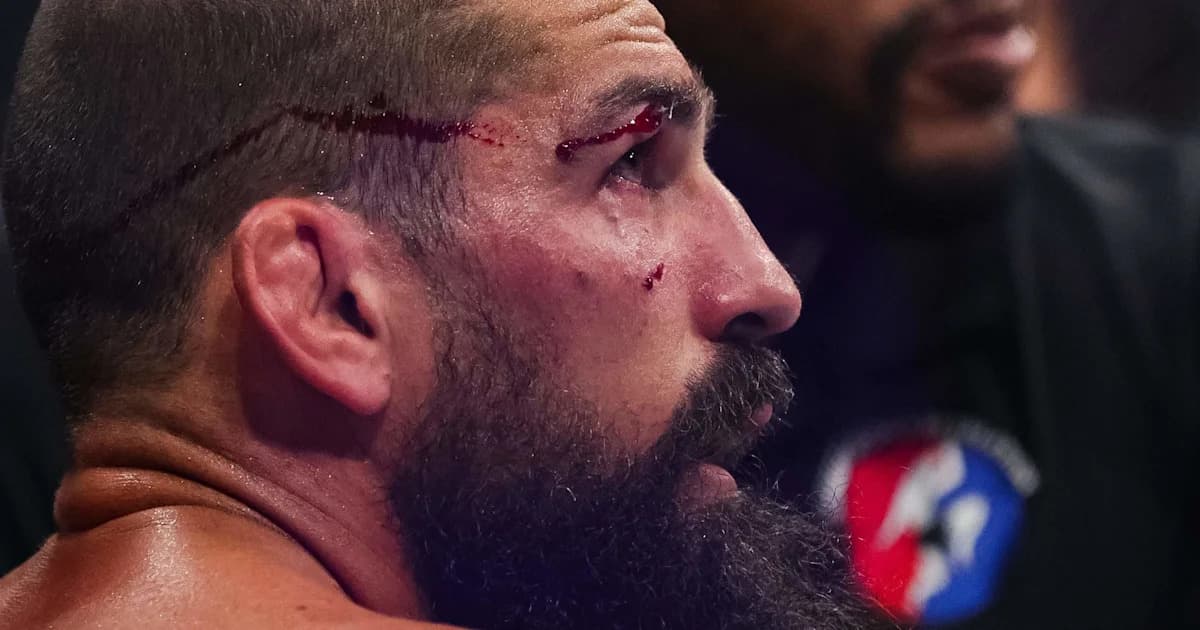
Court McGee Opens Up About Choosing UFC 332 as His Final MMA Fight
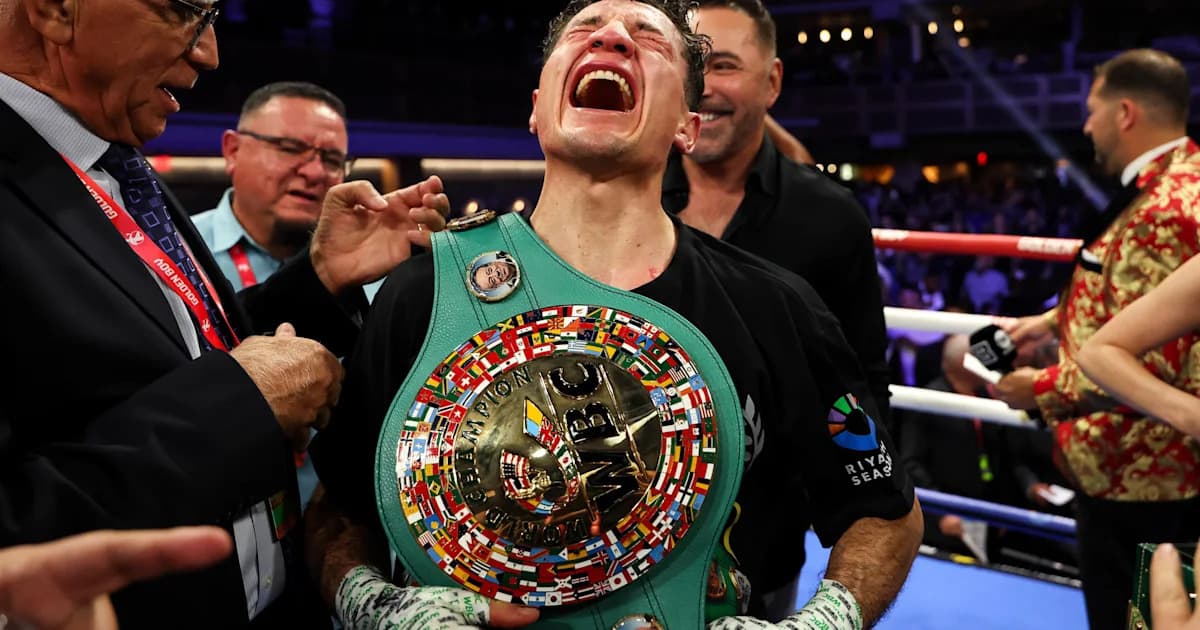
WBC Orders Lightweight Title Unification: William Zepeda vs Jadier Herrera
BCCI Pension List: Monthly Payments to Retired Indian Cricketers in 2025
Why Fury vs Joshua Is Set for Cardiff, and Dua Lipa’s Unexpected Role