
Egypt's Historic World Cup Knockout Victory
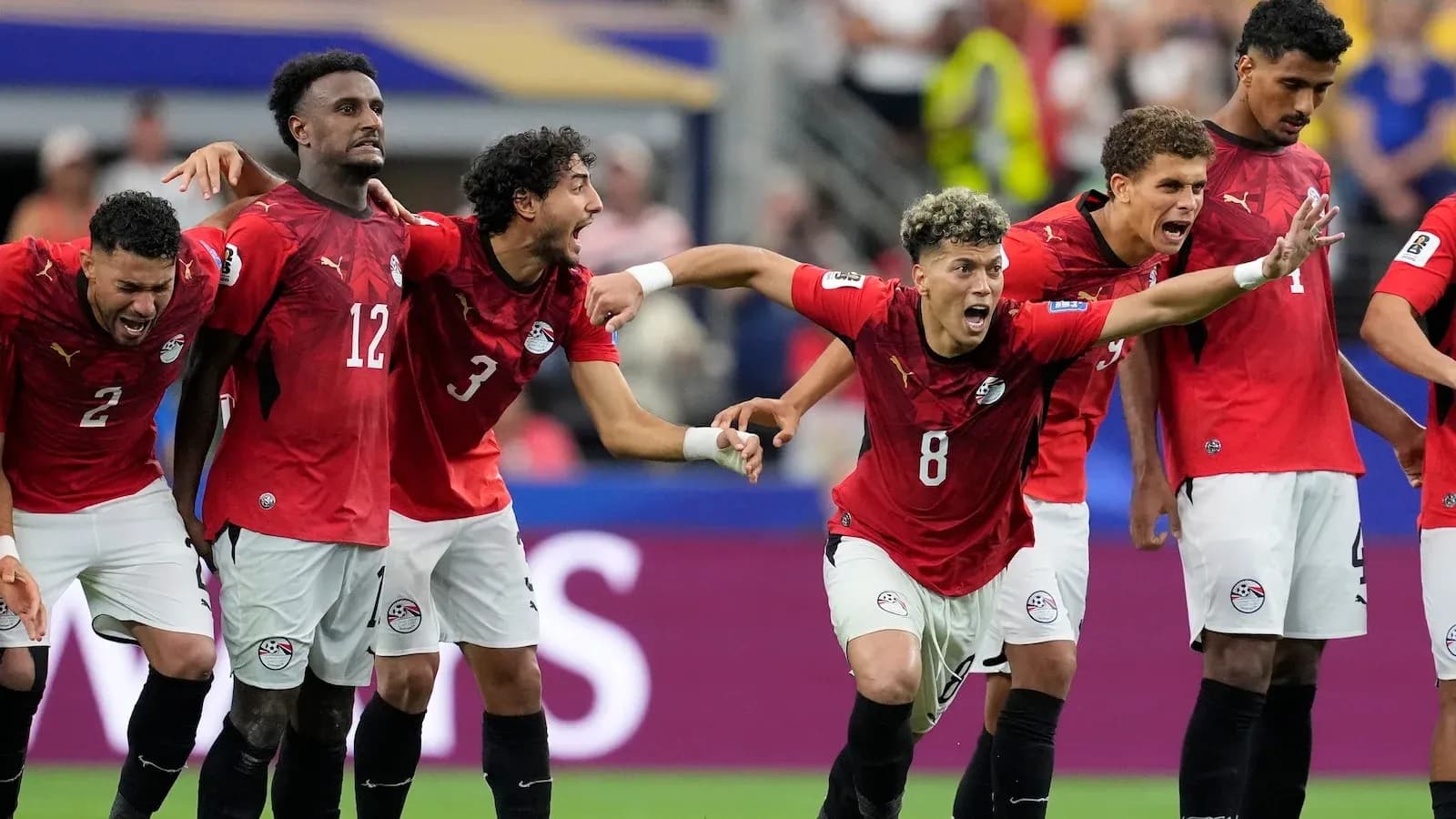
ARLINGTON, Texas — Mohamed Salah limped into this World Cup with a damaged hamstring and a cloud over his international future. He walked out of AT&T Stadium on Friday night as the captain who finally dragged Egypt into the knockout-round win column.
History, at last, belongs to the Pharaohs.
Egypt beat Australia 4-2 on penalties after a 1-1 draw, sealing the country’s first-ever World Cup knockout victory in its fourth appearance at the tournament. Hossam Abdelmaguid, a defender without a single international goal to his name, delivered the decisive spot kick in front of 70,244 roaring fans, many of them draped in red.
The moment he scored, the place shook.
Salah’s night, Egypt’s breakthrough
Salah, 34 now and no longer the whirring winger of his Liverpool prime, played every minute of regulation and extra time despite that hamstring injury from the group finale. He carried the armband, converted his penalty in the shootout, and carried the weight of a nation that had never before tasted this kind of World Cup release.
“Me feeling today is that it's incredible,” he said. “I always like seeing the boys happy and enjoying the moment. Nothing can match that. So today was one of the best days of my life.”
For a player sitting one goal shy of national team coach Hossam Hassan’s Egyptian record of 69, it was fitting that the landmark night came not from a personal scoring feat, but from leading a side that has finally broken through on the biggest stage of all.
Egypt arrived at this expanded 48-team World Cup without a single win in the competition’s history. They changed that with a 3-1 group-stage victory over New Zealand less than two weeks ago.
Now they have something even bigger: a place in the round of 16, where Argentina or Cape Verde await on Tuesday in Atlanta.
Penalties, pressure and Abdelmaguid’s moment
The shootout began badly for Australia and never really recovered.
Harry Souttar, the towering center-back, stepped up first and lashed his kick high over the bar. That early miss immediately tilted the contest Egypt’s way. Mahmoud Saber answered with composure, and from there the Egyptians never blinked.
Salah, Ramy Rabia and Saber all converted, each one tightening the noose a little more. Jackson Irvine and Awer Mabil kept Australia alive with their own successful efforts, but the pressure built on the younger Socceroos.
It finally broke with the fourth Australian taker. Lucas Herrington, just 18, smacked his effort off the crossbar, handing Abdelmaguid the chance to write his name into Egyptian football folklore.
Fifteen caps. No international goals. One defining kick.
He went low to the left as Mathew Ryan, brought on late in extra time specifically for this moment, dived the other way. The ball hit the net, Abdelmaguid wheeled away, and a wall of noise rolled down from the stands at the home of the Dallas Cowboys.
Hassan, who had spent the shootout in a kind of visible prayer, had kept his message to the players brutally simple.
“Do not look at the pressure,” he said. “Just let everything out, don’t think about anything. Think about your penalty kick. Don’t even think about the goalkeeper. Just think about your kick.”
They listened.
Hany’s agony, Ashour’s early strike
The night could have been far simpler for Egypt.
Emam Ashour had given them a dream start in the 13th minute, rising to meet a cross and steering a header inside Patrick Beach’s near post. Egypt led, controlled the tempo and looked comfortable.
Right after halftime, they should have buried Australia. Seconds into the second period, Omar Marmoush found himself with a glorious chance to make it 2-0, only to drag his shot wide. It felt wasteful at the time. It looked enormous by the hour mark.
Because then came Mohamed Hany’s nightmare.
Already carrying the unwanted distinction of having scored an own-goal in the group-stage draw with Belgium, Hany went into the record books again in the 55th minute. Aiden O’Neill whipped in a free kick from the left side of the penalty area, and Hany, tracking back, mistimed his header and glanced the ball past his own goalkeeper, Mostafa Shoubir.
Two own-goals in the same World Cup. No player had ever done that before.
The cruel twist? Less than 10 minutes earlier, Hany had been sprawled on the turf near that same patch of grass after colliding with Connor Metcalfe on a header. A stretcher hovered nearby as medical staff checked him, but he eventually rose, passed what appeared to be a concussion assessment, and played on.
He stayed on the pitch. He stayed in the story. Just not in the way he would have wanted.
Australia’s familiar pain
For Australia, the World Cup knockout rounds remain a place of heartbreak and strange, unwanted symmetry.
They are now 0-3 in the elimination phase, and their only goals at this stage have been own-goals — both scored by opponents. Italy beat them 1-0 in 2006, Argentina 2-1 in Qatar four years ago, with the Socceroos’ lone strike that night going in off an Argentine player.
Here, their equalizer came from Hany’s misfortune. They created moments, they pushed Egypt deep for stretches, but they never found a way to score for themselves when it mattered.
“It hurts when you get that close,” coach Tony Popovic said. “Unfortunately, we bow out in a penalty shootout, so it’s difficult to take right now.”
Popovic had rolled the dice late in extra time, replacing Beach with the vastly more experienced Ryan for his 105th international appearance. It was a ruthless call on a 22-year-old who had been excellent all night.
Beach had made a superb sprawling save from a Rabia header in the dying minutes of regulation and then denied Salah moments later with a far simpler stop. He had kept Australia alive when Egypt surged.
Yet when it came to penalties, Ryan couldn’t touch a single Egyptian effort.
Egypt’s new horizon
Egypt still had to suffer through anxious late moments before the shootout. Haissem Hassan saw a dangerous effort blocked by Souttar’s knee, the defender throwing himself into the line of fire to keep Australia level. The clock crawled, legs grew heavier, but Salah never came off. He stayed, directing, cajoling, carrying.
On the touchline, Hassan watched with the perspective of a man who has worn the shirt and now guides it.
“I was only thinking about the Egyptian fans,” he said. “During the entire time and during the penalty shootout, I was just praying, ‘God, please make the Egyptian people happy.’ Even before the penalty shootout, to be honest.”
Those prayers were answered in Arlington. The Pharaohs, once perennial nearly-men at the World Cup, now stride into the last 16 with something more than hope. They have resilience. They have a captain playing through pain. They have a defender who found his nerve when it mattered most.
Next comes either the reigning world champion or a fearless upstart from Africa’s west coast.
Egypt finally knows what it feels like to win a World Cup knockout tie. The question now is whether this was the peak of a generation — or just the first crack in a ceiling that no longer looks quite so unbreakable.
Related News
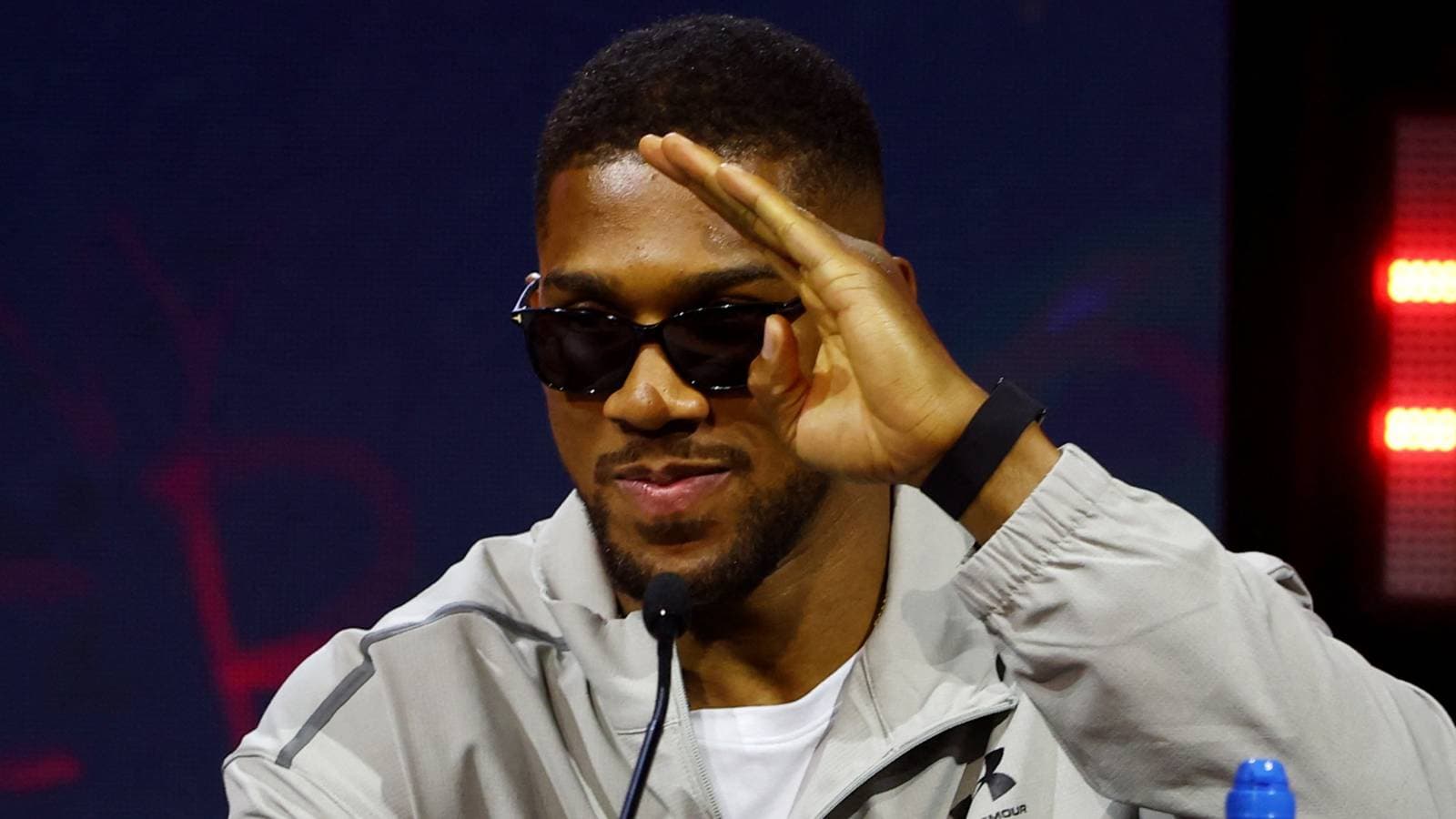
Anthony Joshua Names Murat Gassiev as Next Opponent if He Defeats Tyson Fury

UFC 332: Start Time and Fight Highlights for Natalia Silva vs. Wang Cong
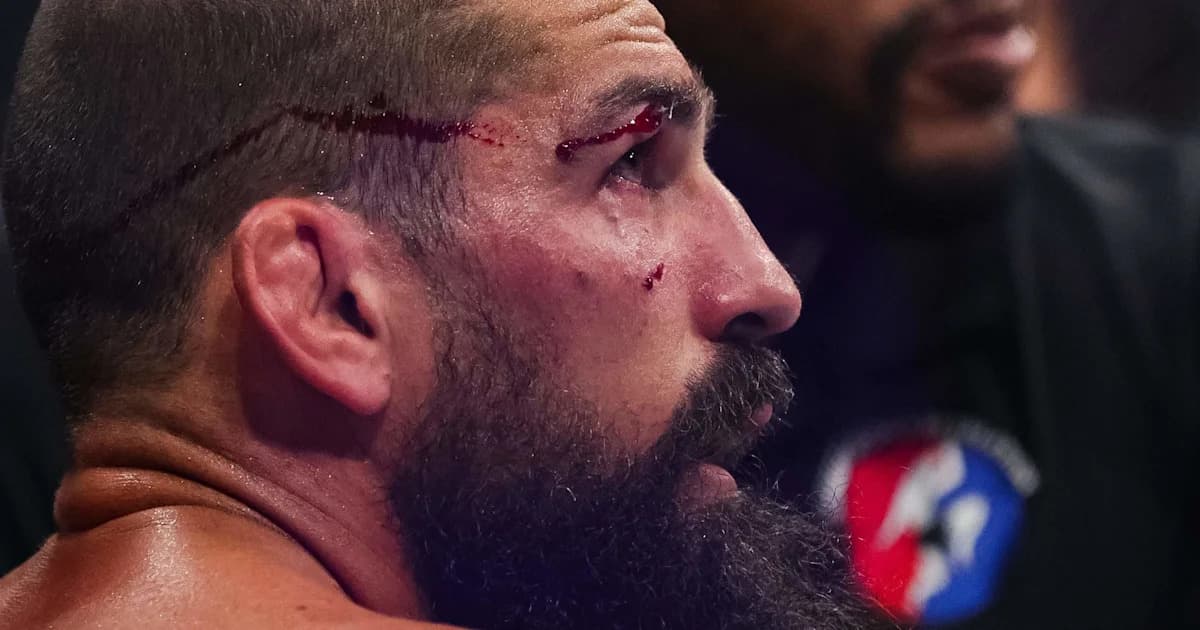
Court McGee Opens Up About Choosing UFC 332 as His Final MMA Fight
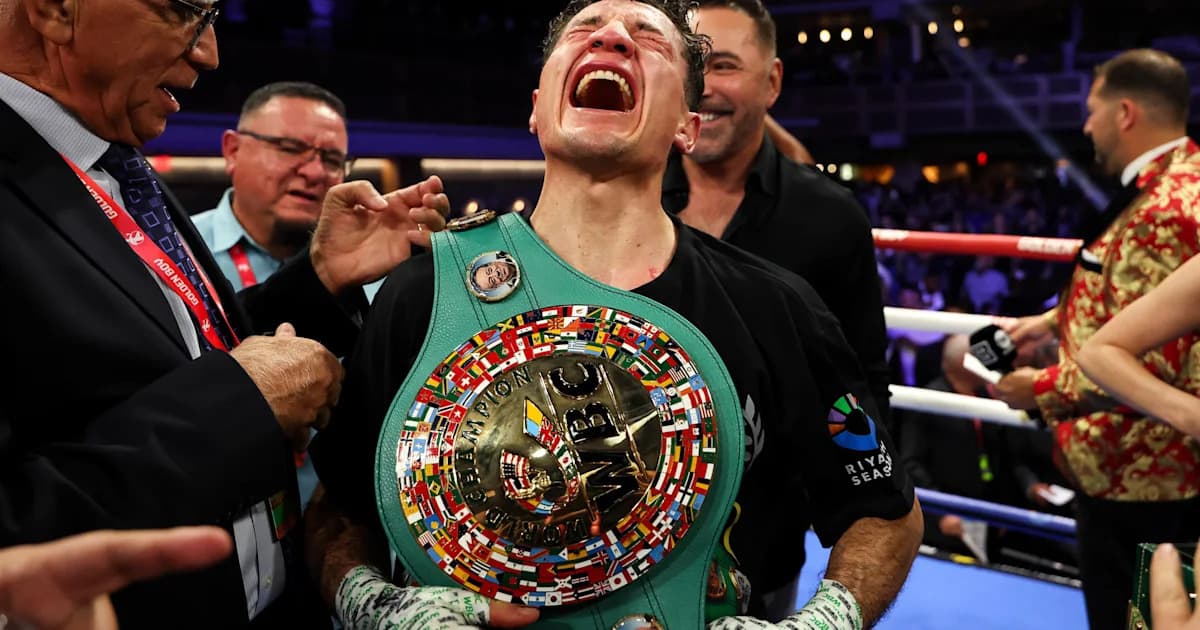
WBC Orders Lightweight Title Unification: William Zepeda vs Jadier Herrera
BCCI Pension List: Monthly Payments to Retired Indian Cricketers in 2025
Why Fury vs Joshua Is Set for Cardiff, and Dua Lipa’s Unexpected Role