
Egypt Leads Australia at Half-Time in Tense Match
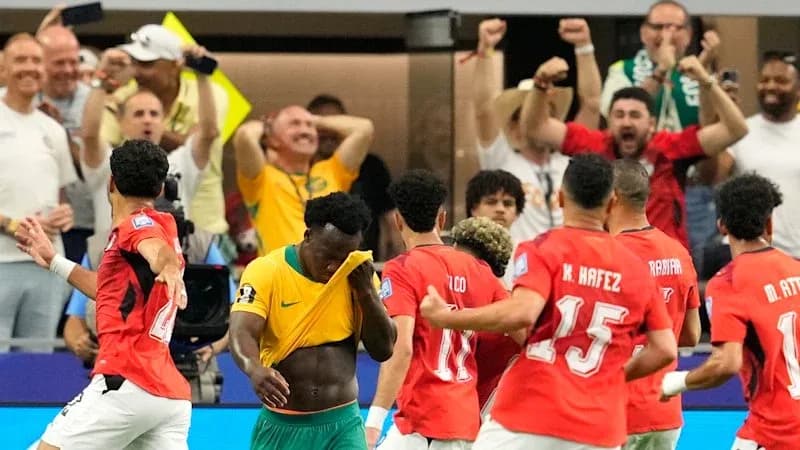
Australia walked into the break a goal down and simmering, Egypt a goal up and in no hurry whatsoever to entertain.
The first half ended 1-0 to the Pharaohs, but that scoreline barely scratched the surface of a half thick with niggle, frustration and the sense that this contest is still very much alive.
Egypt strike, Australia seethe
Australia’s camp could barely hide their irritation as they left the pitch. The coaching staff were unhappy with the officiating, particularly a first-half incident where the referee appeared to play advantage but then failed to come back and book the Egyptian offender. The message at the interval, though, was clear: park the anger, sharpen the performance.
“Disappointing, but we’ve got to move on and be better in the second half,” was the verdict from the Australian side, a neat summary of a half in which they often looked the more threatening team but trailed to a soft goal.
That goal will sting. Egypt’s opener came from a set piece Australia will replay in their minds for days. A cheap concession, poorly managed, the line slow to step and someone likely keeping the scorer onside. This is usually an area of strength for the Socceroos; they “pride” themselves on set-piece discipline. Here, they switched off. Egypt pounced. And then they sat in.
The sloppy defending handed the Pharaohs exactly what they wanted: a lead to protect and something to retreat behind. From that moment, the pattern was set. Egypt tightened up, dropped deeper and began to turn every contact into an event.
Time-wasting, tension and a missing booking
The sense of injustice grew as the half wore on. Only five minutes of added time were shown at the end of the first period, a miserly figure given a three-minute hydration break, a goal and a long list of Egyptian delays that bordered on an art form. Every collision, every tangle, every brush of an arm became a reason to stop the clock.
Australia, for all their annoyance, should also see it as a backhanded compliment. Egypt were wasting time because they knew they were under pressure. The side most likely to score – both before and after the opener – looked like Australia. The chances came. They just weren’t finished.
The flashpoints kept coming. In the box, an Australian header squeezed between two defenders sparked penalty shouts when the ball appeared to strike Rabia’s arm. The contact looked accidental, the ball finding the arm rather than the other way around, but it was enough for the Australians to appeal. The referee, Nestor, simply pointed to his own arm, his way of saying he’d seen it and was having none of it.
At the back post, Volpato was dragged down by Havez. Again, nothing given. Two big penalty questions, zero reward. The frustration was obvious.
Bos blow and Socceroos’ spark
The half dealt Australia another blow when Jordan Bos went down. One of the most dynamic players in the squad, Bos eventually rose but had to be carried off by two trainers, unable to put weight on his left foot. It looked bad. Bad enough that any hope of seeing him in the second half already felt remote.
Losing Bos stripped Australia of a key attacking outlet, but it didn’t strip them of intent.
Aziz Behich led one of the best moves of the half, driving at Hany inside Egypt’s defensive third. The attack ended with a long throw from Circati, a classic Australian weapon. Irvine and Souttar both climbed, but couldn’t get clean contact. The ball instead fell kindly via Herrington’s header to Irankunda, who recycled it back to Behich.
Behich didn’t hesitate. He stepped in and let fly, drilling a low effort that forced Egypt’s goalkeeper to get down sharply at his right post. It was a proper opening, carved out through persistence and pressure.
Moments later, Irankunda almost made something of another half-chance, again underlining why the Australians believe that if they can stitch together “five, six, seven passes”, they start to find pockets of space. When they do that, they look dangerous.
Salah quiet, but Egypt still threaten
For all the noise around him, Mohamed Salah has yet to ignite. The Liverpool star, managing hamstring tightness, played within himself but still carried a constant threat with his movement and vision. At one point he darted off the shoulder of Souttar, ghosting into space, only for Herrington to read it and shut the door.
Egypt’s physical edge has been obvious. They’ve been strong in the tackle, uncompromising in the duels, and clever in buying fouls. Ashour showed as much when he went to ground under an errant Bos arm to win a free kick in a dangerous area. Salah stood over it, but instead of going for goal he rolled it square to Attia, whose long-range strike was crisp and accurate. Australia, though, had the back post covered and survived.
Egypt’s approach is clear: make Australia run, make them work for every inch, and then kill the tempo whenever possible. They are not easily broken down. They are, however, gettable. Their goal came from a moment. Australia can seize one of their own.
The Australians know what they need. Keep the ball. String those passes together. Find the spaces between the lines. The belief from inside the camp is blunt: if they do that better in the second half, the opportunities will come.
The question now is simple and unforgiving: can they finally take them?
Related News

Anthony Joshua Names Murat Gassiev as Next Opponent if He Defeats Tyson Fury

UFC 332: Start Time and Fight Highlights for Natalia Silva vs. Wang Cong
Court McGee Opens Up About Choosing UFC 332 as His Final MMA Fight
WBC Orders Lightweight Title Unification: William Zepeda vs Jadier Herrera
BCCI Pension List: Monthly Payments to Retired Indian Cricketers in 2025
Why Fury vs Joshua Is Set for Cardiff, and Dua Lipa’s Unexpected Role