
Egypt Triumphs Over Australia in Historic Penalty Shootout
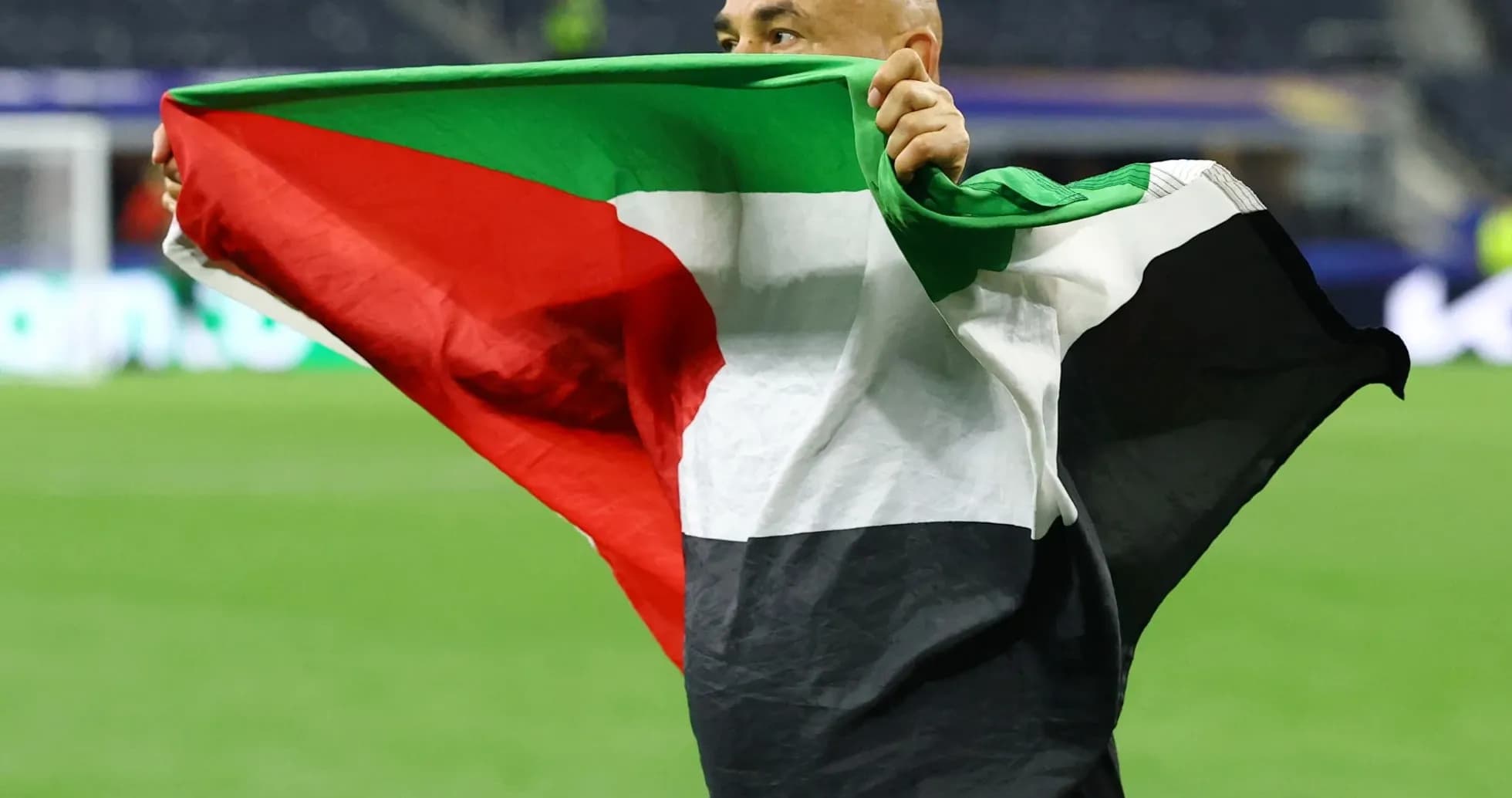
Egypt did more than survive a penalty shootout in Dallas. They made history, and then they shared it.
Under the lights at Dallas Stadium, Hossam Hassan’s side held their nerve to beat Australia 4-2 on penalties after a tense 1-1 draw, sealing Egypt’s first-ever World Cup knockout victory and booking a last-16 date with Argentina or Cape Verde. The match itself was tight, scrappy, often cagey. What followed was anything but.
A breakthrough, then a cruel twist
Egypt started like a team determined to seize the moment. Emam Ashour rose in the 13th minute, timing his run to perfection and steering a header into the net to give the North Africans an early lead. It settled them. It also rattled Australia.
The game never truly opened up. Challenges bit, passes went astray, and both sides struggled to find rhythm. Egypt looked organised, compact, content to protect what they had. Australia pushed without fluency, relying on set pieces and hopeful crosses.
The pressure eventually forced a mistake. Ten minutes into the second half, Mohamed Hany turned the ball into his own net, a cruel equaliser that dragged Australia back into it and reset the entire evening. From there, tension took over.
Extra time brought more nerves than chances. Legs tired, ideas ran thin, and both teams seemed to be walking a tightrope, more afraid of losing than desperate to win. The clock ticked towards penalties, and the World Cup’s unforgiving lottery loomed.
Penalties, history, and a nation’s release
The shootout belonged to Egypt.
Hossam Abdelmaguid stepped up for the decisive kick after Harry Souttar and Lucas Herrington had failed from 12 yards for Australia. Abdelmaguid rolled his penalty in with icy calm, sending the Egyptian fans into delirium and the players sprinting towards the corner in celebration.
This was not just another win. It was Egypt’s first victory in a World Cup knockout game, delivered in their first-ever appearance at this stage. The weight of decades lifted in a single strike.
On the pitch, the emotion spilled over. The entire team bent down in prostration, a collective act of thanks and release. At the centre of it all, their coach made sure the night would carry a wider meaning.
Hassan’s message and the flags on the pitch
Hossam Hassan did not walk out alone. He carried two flags – Egyptian and Palestinian – as he stepped back onto the turf after the final whistle, turning a sporting milestone into a statement of solidarity.
Speaking to reporters, Hassan dedicated the victory to both nations.
“May God grant them [the Palestinians] victory, may God have mercy on their martyrs,” he said. “I’m saying to them: I’m dedicating this victory to the Egyptian people and Palestinian people, those kind and honourable people.”
In a tournament full of subplots, this was a moment that cut far beyond tactics and formations. The images of Hassan holding both flags, framed by celebrating players and a roaring crowd, spread rapidly across the Arab world.
Joy in Gaza amid the rubble
In Gaza, the reaction turned a football match into a rare, defiant celebration.
Palestinian fans flooded social media with messages of shared joy. Gaza-based Tamer Nahed wrote on X that he had never followed a World Cup with such excitement. Egypt’s win, he said, had briefly transformed the mood.
He described thousands leaving their tents and damaged homes to watch the game, faces suddenly lit with smiles, cheers echoing through shattered streets. For a few hours, the focus shifted from survival to football, from devastation to a collective, fragile happiness.
Footage from the besieged strip showed crowds huddled around screens set up against a backdrop of bombed buildings and makeshift shelters. Some fans waved Egypt flags; children had the colours painted on their faces. The contrast was stark – rubble and ruin on one side, jubilation on the other – yet the connection to Egypt’s triumph was unmistakable.
Tension off the pitch
The night had carried tension long before the first penalty was taken.
Hours before kick-off, members of the Egypt squad were involved in an altercation with police at their team hotel in Dallas, a confrontation that quickly went viral online. According to the Egypt national team, a Dallas police officer pushed team director Ibrahim Hassan and player Trezeguet as they tried to take a photo with a fan.
The Dallas Police Department later said the situation had been resolved at the scene. On the field, Egypt’s players seemed to channel any lingering frustration into focus and resilience.
A last-16 test and a wider story
Now comes the real test: a last-16 clash with Argentina or Cape Verde, a step up in quality and expectation. Egypt will arrive with history behind them and a continent watching, their confidence hardened by a night when they walked the tightrope and did not fall.
But this victory will be remembered for more than a scoreline or a shootout. It will be remembered for the flags Hassan carried, for the prostration on the grass, and for the roars that rose from Gaza’s ruins when Hossam Abdelmaguid’s penalty found the net.
For Egypt, the World Cup journey goes on. For many watching from afar, this win already means far more than a place in the last 16.
Related News

Anthony Joshua Names Murat Gassiev as Next Opponent if He Defeats Tyson Fury

UFC 332: Start Time and Fight Highlights for Natalia Silva vs. Wang Cong

Court McGee Opens Up About Choosing UFC 332 as His Final MMA Fight
WBC Orders Lightweight Title Unification: William Zepeda vs Jadier Herrera
BCCI Pension List: Monthly Payments to Retired Indian Cricketers in 2025

Why Fury vs Joshua Is Set for Cardiff, and Dua Lipa’s Unexpected Role