
Elche Dominates Getafe 1-0: Tactical Analysis of La Liga Match
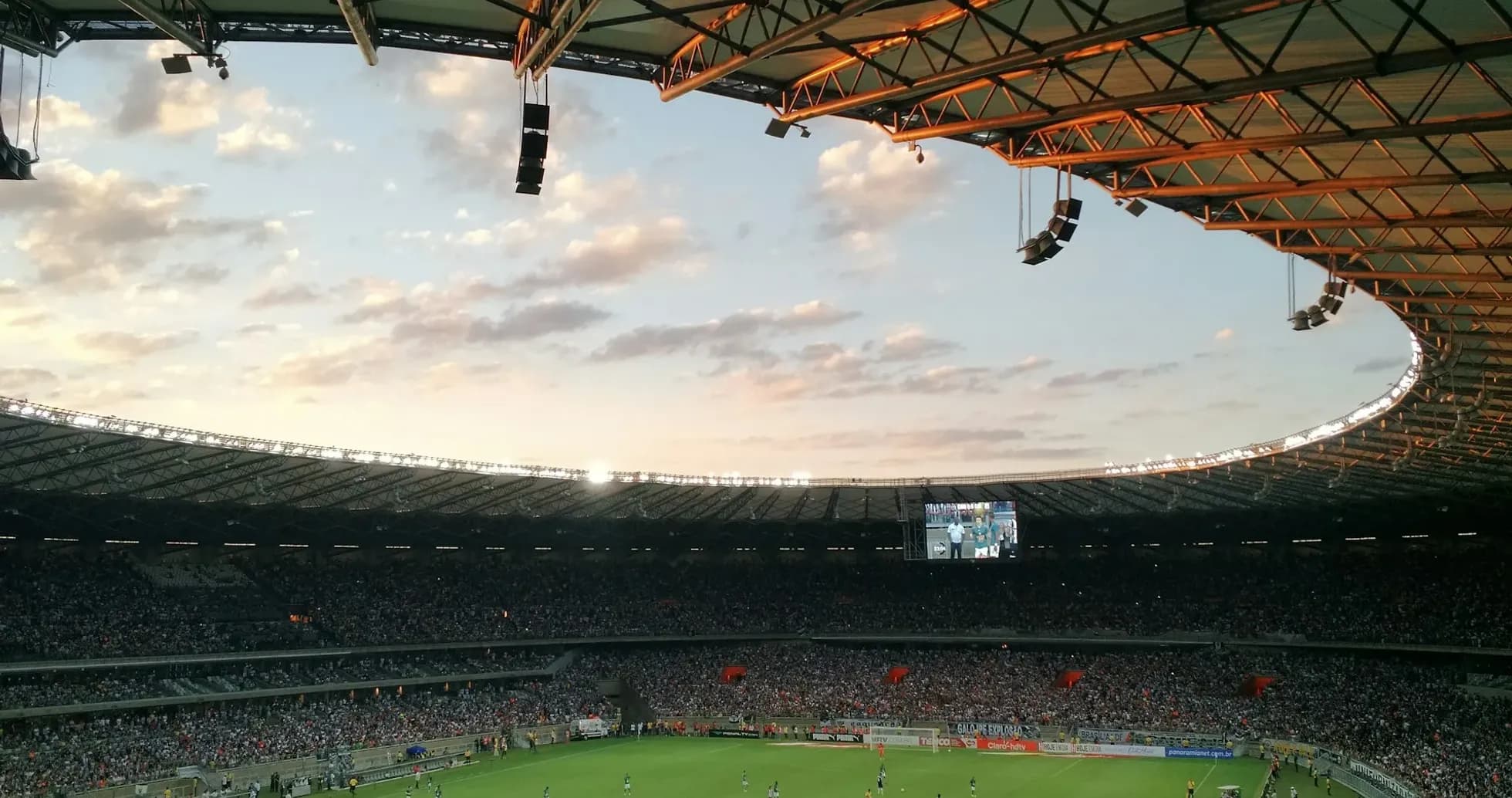
Elche’s 1-0 win over Getafe at Estadio Manuel Martínez Valero was a textbook example of how structure and game state can shape a contest more than raw attacking flair. In a La Liga match where the hosts produced only 0.46 xG and the visitors 0.08, the tactical story was about Elche’s controlled territorial dominance against a deep, numerically strong Getafe block that was further conditioned by a first-half red card.
Elche started in a 3-5-2 under Eder Sarabia, with Matías Dituro behind a back three of Víctor Chust, David Affengruber and Pedro Bigas. The wing and half-space zones were managed by Tete Morente and Gerard Valera wide, with Gonzalo Villar, M. Aguado and Grady Diangana forming the central band. Up front, André Silva and Álvaro Rodriguez gave a dual reference that allowed Elche to pin Getafe’s back line.
Getafe, coached by Jose Bordalas Jimenez, answered with a 5-3-2 that had clear reactive intent. Damian Soria was protected by a five-man defence of Allan Nyom, Djené, D. Duarte, Z. Romero and Juan Iglesias. The midfield trio of Luis Milla, D. Caceres and Mauro Arambarri sat narrow and compact, with M. Martin and Martín Satriano tasked with running channels and contesting direct balls.
The first key tactical breakpoint was the 19th minute goal: Víctor Chust scored for Elche from open play. Although no assist is recorded, the pattern fits Elche’s territorial approach: with 59% possession and 10 total shots (4 inside the box, 6 outside), they consistently kept Getafe penned in. The back three often stepped high, with Chust and Affengruber squeezing the line to keep Elche’s midfield in advanced positions. Chust’s goal underlined how Elche’s central defenders were encouraged to attack space when Getafe’s first line was fixed by the two forwards.
Getafe’s plan to stay in the game through compactness and transitions was badly compromised in the 39th minute when Djené was sent off with a Red Card for “Foul”. Down to ten men, Bordalas had to re-balance his side without sacrificing the integrity of the back line. The immediate tactical consequence was even deeper positioning and a near-total abandonment of attacking ambition: Getafe finished with just 3 total shots, 0 on target, and no corner kicks. Their xG of 0.08 reflects how rarely they reached meaningful zones.
After the break, the 53rd-minute substitution showed Bordalas’ adjustment: Davinchi (IN) came on for D. Caceres (OUT). With D. Caceres leaving, Getafe effectively reconfigured their midfield energy, trying to maintain legs in the central corridor to cope with Elche’s numerical superiority. However, Elche’s possession advantage (399 passes, 332 accurate, 83%) meant Getafe spent long periods shuttling laterally, their 69% pass accuracy a sign of hurried clearances and low-control phases.
Elche’s disciplinary moments were tightly linked to game management. Martim Neto’s Yellow Card for “Argument” came even before kickoff time in the event log (recorded at -5 minutes), suggesting pre-game tension around the technical area. In the second half, André Silva received a Yellow Card for “Leaving field” in the 66th minute, immediately before his substitution: A. Pedrosa (IN) came on for Andre Silva (OUT). This incident underlined Elche’s desire to control tempo and the referee’s insistence on procedural discipline. Three minutes later, Álvaro Rodriguez took Elche’s third booking for “Foul” at 69', reflecting the hosts’ willingness to counter-press aggressively to prevent Getafe from escaping.
Sarabia’s use of his bench from the 84th minute onward was about locking down control rather than chasing more goals. J. Donald (IN) came on for M. Aguado (OUT) and L. Cepeda (IN) for G. Diangana (OUT) at 84', adding fresh legs in midfield and attack. At 85', Buba Sangare (IN) replaced Víctor Chust (OUT), a like-for-like change in the back line that preserved the 3-5-2 structure while protecting the match-winner. Finally, at 86', Josan (IN) came on for Álvaro Rodriguez (OUT), giving Elche a wide player with energy to press and stretch the pitch against a tiring, ten-man Getafe.
Bordalas, for his part, used his changes to preserve defensive solidity and inject minimal attacking threat without sacrificing the back five. At 71', L. Vazquez (IN) replaced A. Nyom (OUT), refreshing the right flank. One minute later, at 72', A. Abqar (IN) came on for D. Duarte (OUT), ensuring the back line retained height and aerial presence despite fatigue. The 85' change, V. Birmancevic (IN) for M. Martin (OUT), was an attempt to find a different type of outlet, but with Getafe reduced to 282 passes (194 accurate, 69%) and no shots on target, the structural limitations were too great.
Goalkeeper dynamics are revealing. Dituro registered 0 saves, which is entirely consistent with Getafe’s 0 shots on goal and 0.08 xG: Elche’s defensive line and midfield screen prevented any efforts from reaching him. His goals prevented value of -0.58 simply indicates that the model expected slightly fewer goals conceded than the actual zero, but in reality he was largely untested. At the other end, Damian Soria made 2 saves, aligning with Elche’s 3 shots on goal and 1 goal scored. His own goals prevented figure of -0.58 suggests he conceded roughly what the models expected given the quality of chances, with Elche’s finishing and set-piece or box presence making the difference.
Statistically, Elche’s 1-0 margin fits a pattern of controlled but not explosive attacking play: 10 total shots, 0.46 xG, and a single goal from a defender. Their 18 Fouls and 3 Yellow Cards show a proactive, sometimes aggressive approach to regaining the ball, especially after losing it in advanced zones. Getafe’s 13 Fouls, 0 Yellow Cards and 1 Red Card illustrate a side mostly defending in structure but undone by one decisive incident.
The final verdict is that Elche’s 3-5-2 provided superior occupation of central and half-space zones, allowing them to dominate possession and pin Getafe back. The early goal by Víctor Chust and Djené’s dismissal at 39' created a game state that suited Sarabia perfectly: circulate, compress, and manage. Getafe’s 5-3-2, effective as a low block, lacked the transitional outlets and numerical parity to ever truly threaten, and the numbers – 0 shots on target, 0.08 xG, no corners – confirm that this was a defensive rearguard that never translated into attacking threat.
Related News
Barcelona Dominates Sevilla in Tactical Showdown
Atletico Madrid vs Real Madrid: A Tactical Derby Analysis
La Liga Officials Admit Refereeing Mistake in Madrid Derby Over Lee Kang-in's Tackle on Federico Valverde
Elche vs Real Madrid: A Clash of Opposites in La Liga
Atletico Madrid Dominates Osasuna 4-0 in La Liga Showdown
Barcelona's Dominance: 7-2 Triumph Over Racing Santander