
England Overcomes Mexico in Thrilling Round of 16 Clash
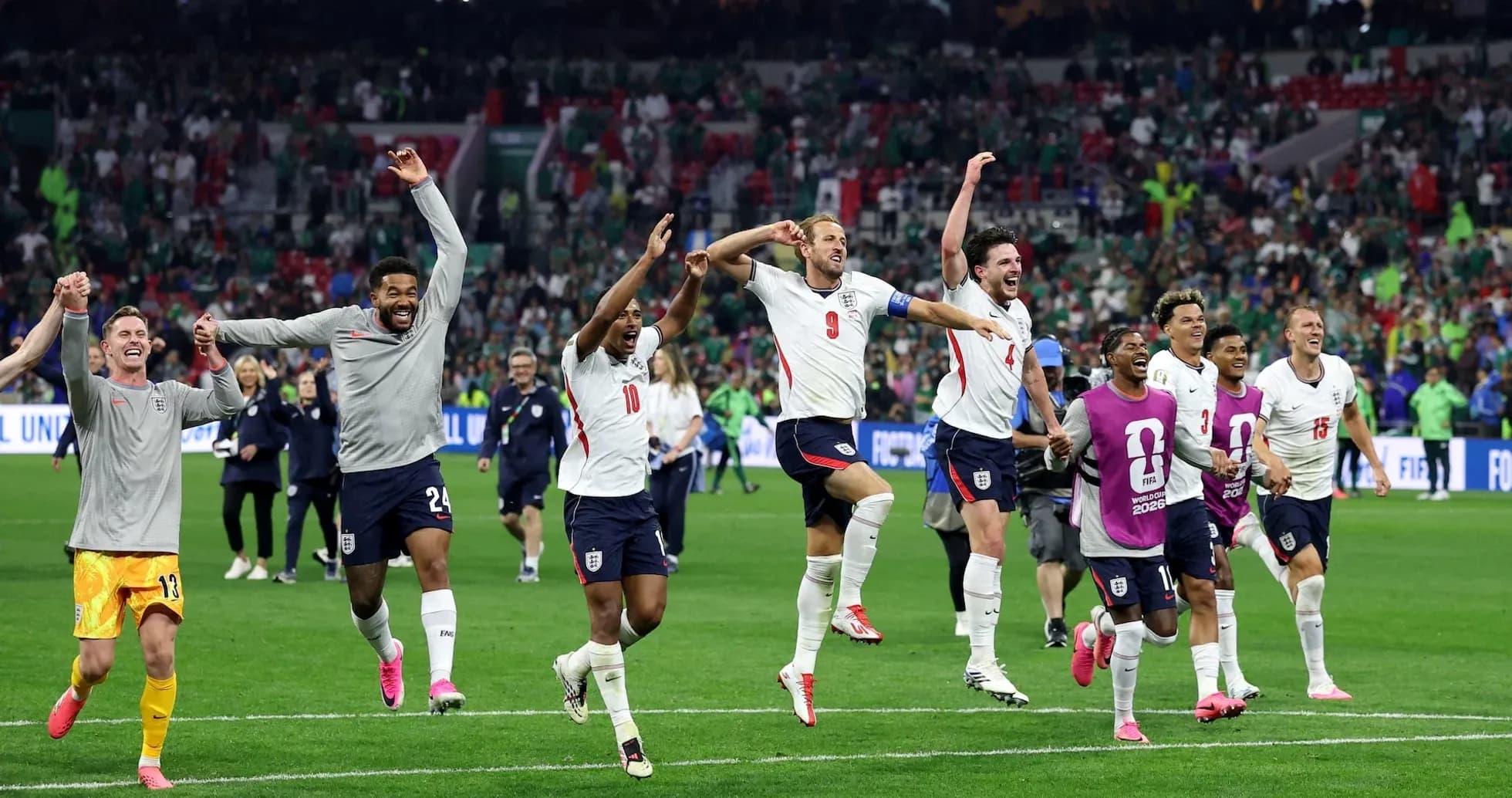
The Round of 16 in Mexico City felt like a collision of two carefully constructed identities. Mexico arrived at Estadio Banorte as group winners, their perfect Group A run built on control and clean sheets. England, top of Group L, carried a different aura: a side that accepted chaos, trusting the individual brilliance of its stars to tilt tight games. Over 90 minutes that finished 3–2 to England, those identities clashed, blurred, and ultimately revealed why one squad is built to survive a shootout and the other to dominate structure.
Mexico’s season profile set the stage for a cagey but assertive home performance. Heading into this game they had played 5 matches in total, winning 4 and losing just 1, with no draws. At home they had played 4, winning 3 and losing 1. Their total goals for across the campaign stood at 10, with 7 at home and 3 on their travels; goals against just 3 overall, all conceded at home, none away. The numbers paint a disciplined side: an overall average of 2.0 goals scored per match, 1.8 at home, and only 0.6 conceded per game overall (0.8 at home, 0.0 away). Four clean sheets in total and no match in which they failed to score underline a team that usually controls both boxes.
Mexico's Tactical Setup
Javier Aguirre’s choice of a 4-3-3 was less a tactical experiment and more a continuation of that identity. It is their most used shape, deployed 4 times this tournament. R. Rangel in goal sat behind a back four of J. Gallardo, J. Vasquez, C. Montes and J. Sanchez – a line that, until this tie, had defined Mexico’s defensive steel. Montes, even with a red card already on his World Cup record, was trusted again at the heart of defence, his previous dismissal a reminder that Mexico’s aggression can sometimes spill over.
Ahead of them, the midfield trio of L. Romo, E. Lira and G. Mora was designed as a stabilising engine room. Romo’s role as the deeper conduit, Lira’s positional discipline and Mora’s link play were supposed to give Mexico a platform to feed a front three that has been among the tournament’s most productive. On the flanks, R. Alvarado and J. Quiñones offered very different threats. Alvarado, already on 3 assists this World Cup and with 191 passes at 83% accuracy, is Mexico’s most reliable creator between the lines, his 13 key passes and 8 dribble attempts (7 successful) making him the conduit of controlled risk. Quiñones, with 4 goals and 1 assist, has been Mexico’s breakout star, his 11 shots, 10 key passes and 9 dribbles attempted (6 successful) marking him out as both scorer and instigator.
Between them, R. Jiménez led the line with a more traditional centre-forward profile: 3 goals from 14 shots, 7 on target, and 36 duels contested, half of them won. His penalty conversion in the tournament and his aerial presence gave Mexico a reference point against a physically imposing England back line.
England's Tactical Setup
If Mexico’s structure was about collective balance, England’s was built around star gravity. Thomas Tuchel stayed loyal to a 4-2-3-1 that has been his primary shape, used 4 times in 5 matches. J. Pickford, with 2 clean sheets in the campaign, anchored a back four of N. O’Reilly, M. Guehi, E. Konsa and J. Quansah. Quansah’s inclusion was bold: in limited minutes he had already collected 1 yellow and 1 red card, his aggression a double-edged sword in knockout football.
In front of them, D. Rice and E. Anderson formed the double pivot. Rice, England’s leading card collector with 2 yellows, has quietly been one of their most influential players: 166 passes at 91% accuracy, 12 key passes and a willingness to step into tackles and blocks. His job here was twofold – to track Quiñones’ inside drifts and to prevent Romo and Lira from dictating tempo.
Higher up, England’s “three” behind H. Kane was a statement of intent. B. Saka, on the right, came in as one of the tournament’s top assist providers with 3 already, and 28 duels contested, 18 won. His 8 dribbles attempted and 4 successes signposted the direct threat to Gallardo’s flank. J. Bellingham, central, is England’s emotional and tactical accelerator: 4 goals, 1 assist, 11 shots (9 on target), 161 passes at 81% accuracy and 58 duels contested, 30 won. To his left, A. Gordon offered vertical running and pressing energy to pin back J. Sanchez.
Then there is Kane. Six goals and 1 assist in 5 appearances, with 15 shots (10 on target), 7 fouls drawn and 7 committed. He is not just England’s finisher but their organiser of chaos, dropping into pockets to draw out centre-backs like Montes and Vasquez, then spinning balls into the channels for Saka and Gordon. England’s tournament profile – 11 goals scored and 5 conceded overall, averaging 2.2 goals for and 1.0 against per match – reflects that risk-reward dynamic. They have not lost in 5, with 4 wins and 1 draw, and have scored in every game but one.
Disciplinary Insights
The disciplinary undercurrent was always going to matter. Mexico’s yellow-card timings showed a tilt towards the middle third of games, with 25.00% of their cautions between 16–30 minutes and 50.00% between 61–75 minutes. England’s yellows were more evenly spread but peaked between 61–75 minutes at 28.57%, while their single red card this tournament had arrived between 46–60 minutes. This hinted that the second half, particularly the hour mark onward, would be a flashpoint as fatigue met tactical adjustments.
Key Matchup Zones
The key matchup zones were clear. In the “Hunter vs Shield” duel, Kane against a Mexico defence that had conceded just 3 goals overall looked like a clash of irresistible force and immovable object. Yet England’s ability to create high-quality chances – supported by Bellingham’s late box runs and Saka’s delivery – meant that even a disciplined back four could be stretched. Conversely, Quiñones and Jiménez posed a serious threat to an England defence that had allowed 5 goals overall, with an average of 1.0 conceded at home and away alike. Quansah’s previous red card and Rice’s card history suggested potential fault lines if Mexico could isolate them in transitions.
In the “Engine Room” battle, Romo and Lira against Rice and Anderson framed the territorial story. Mexico’s season-long comfort without the ball – only 3 goals conceded overall and 4 clean sheets – suggested they were happy to defend in a mid-block, trusting their structure. England, who have scored 6 at home and 5 on their travels this campaign, tend to turn midfield control into volume: crosses, cut-backs, second balls. Bellingham’s 12 tackles and Saka’s 7 tackles from advanced positions underline how England’s pressing from the front is as important as their build-up.
In the end, the 3–2 scoreline reflected the statistical prognosis. England’s higher attacking ceiling, with 11 goals from 5 matches and perfect penalty conversion (2 from 2), gave them just enough margin to survive Mexico’s improved offensive output. Mexico, who had averaged 2.0 goals per match overall and had never failed to score, did find the net twice but could not keep the defensive standards that had defined their group stage. The absence of any penalties missed on either side removed one of the great knockout wildcards; this was decided in open play, by the weight of attacking talent and the small cracks that appeared once structure met sustained pressure.
Following this result, Mexico’s campaign closes with their identity intact but exposed at the highest level: a side of balance and collective clarity, undone by a game that demanded more individual match-winners. England march on, their flaws still visible, their discipline still a question – but with Kane and Bellingham at the heart of a squad that has learned to live, and win, in the thin air of knockout football.
Related News
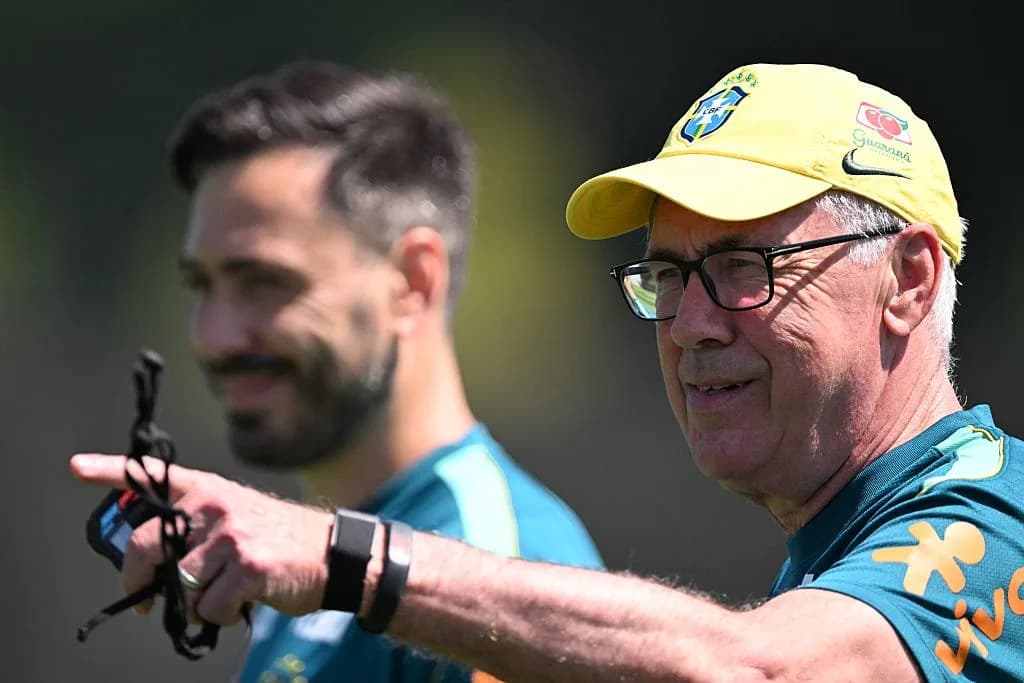
Brazil's First Post-World Cup Friendly: What Should the Lineup Be?
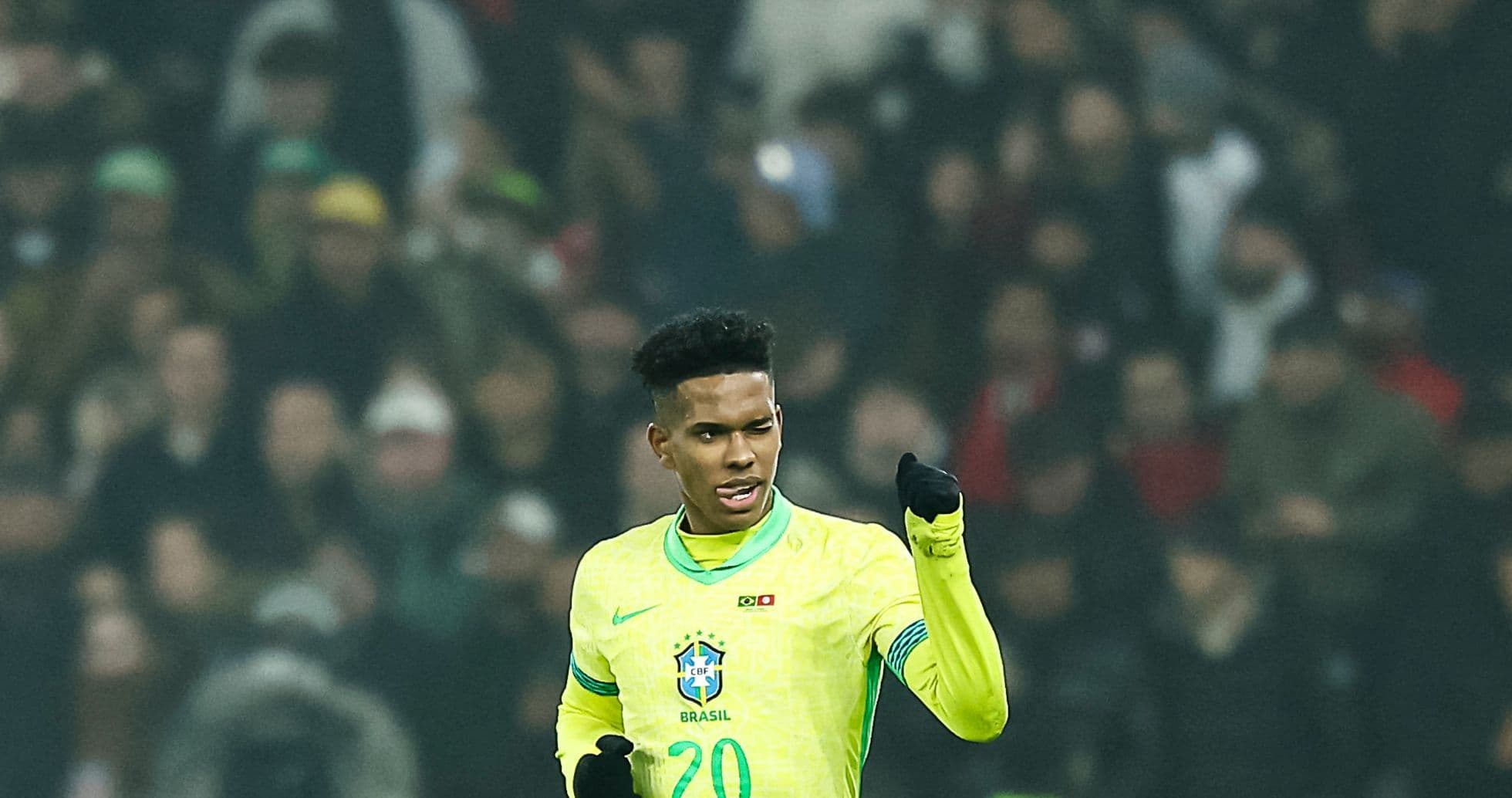
Estevao Opens Up on World Cup Heartbreak and His Unexpected Return to Brazil Under Ancelotti

Thomas Tuchel Shares Unusual Regret After England's 10-Man World Cup Victory Over Mexico

South Korea Names Robert Moreno as Interim Coach After World Cup Exit

Jude Bellingham Returns to Form at Real Madrid Following World Cup Success

Chloe Kelly, Beth Mead and 13 Lionesses Target Big WSL Seasons Ahead of England's 2027 World Cup Campaign