
England's Tactical Mastery in 6-4 Victory Over France
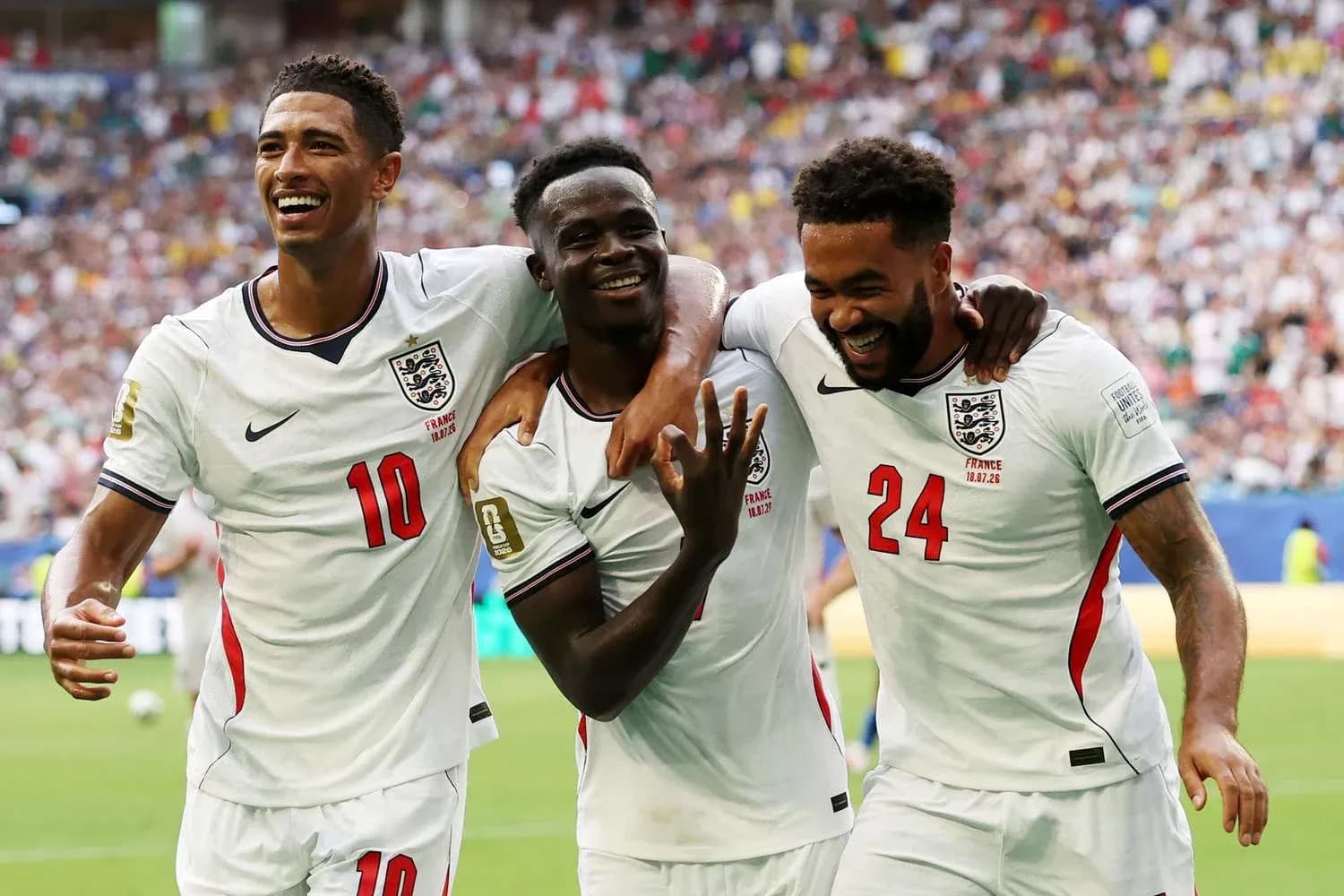
France’s 6-4 defeat to England at Hard Rock Stadium, Miami Garden was a wild, structurally complex game where both tactical plans were clear but only one was executed with control for long enough. England’s 4-0 half-time lead gave them the platform; France’s second‑half surge exposed how fragile that platform became once Didier Deschamps reshaped his side.
With no formations listed, the tactical picture has to be inferred from roles and event patterns. France’s starting XI was heavily tilted toward technical midfielders behind Kylian Mbappé. Michael Olise, Rayan Cherki and Désiré Doué all began as nominal midfielders, suggesting an attempt to overload central zones and half-spaces rather than play with orthodox wide forwards. The trade-off was defensive protection: with Warren Zaïre‑Emery and Adrien Rabiot as the only recognised central workers, France were light against England’s powerful ball-carrying and late runs.
England’s structure, by contrast, looked like a balanced, vertical 4‑2‑3‑1/4‑3‑3 hybrid. Declan Rice anchored the midfield, with Bukayo Saka, Morgan Rogers, Eberechi Eze and Marcus Rashford all capable of attacking from varied starting positions behind Ivan Toney. That attacking density between the lines was decisive early: Rice’s 3' opener and Ezri Konsa’s 18' goal from a Rice assist show how often England were able to commit central defenders and attack second balls around the box.
The statistical symmetry in Total Shots (19‑19) and identical 91% pass completion for both teams masks a crucial difference in territorial control. England’s 54% possession was not sterile; 16 of their 19 shots came from inside the box, a clear indicator of how effectively they penetrated France’s defensive block. France, with 12 shots inside the box, were more reliant on individual actions and transitions, especially once chasing the game.
Defensively, France’s back line never settled in the first half. With Malo Gusto and Theo Hernández both naturally aggressive full-backs and no listed holding midfielder beyond Zaïre‑Emery, England repeatedly found space either side of Ibrahima Konaté and Maxence Lacroix. Saka’s brace before the interval – one at 37', another at 45+1' – underlines how often England isolated or overloaded wide channels, then attacked the far post. The fact that a centre-back, Konsa, scored England’s second also reflects France’s vulnerability on set plays and second phases.
Second Half Changes
The second half began with a radical French reset. Four substitutions at 46' – Bradley Barcola (IN) for Désiré Doué (OUT), Ousmane Dembélé (IN) for Rayan Cherki (OUT), Dayot Upamecano (IN) for Ibrahima Konaté (OUT), and Lucas Digne (IN) for Theo Hernández (OUT) – completely reprofiled the team. Deschamps effectively moved from a playmaker-heavy structure to one with genuine width and more direct running. The impact was immediate and tactical, not just emotional.
From 48' to 66', France scored three times, all actions that reveal the new plan. Mbappé’s 48' goal from an Olise assist came in transition, with Mbappé attacking space behind England’s back line. Barcola’s 54' strike, assisted by Mbappé, highlighted a new dynamic: Mbappé drifting wider and deeper to link play, Barcola attacking the blind side. The second Mbappé goal at 66', again from Olise’s service, confirmed France’s emphasis on quick combinations between their most explosive attackers rather than slower, central probing.
Yet the same aggression that fuelled the comeback left France exposed. They committed 14 Fouls to England’s 8, and with no card data recorded, the raw foul count still tells a story: France were repeatedly forced into disruptive defending as they pushed numbers forward. England, by contrast, managed the game with more control and fewer interventions, especially once they rebalanced their own structure.
Thomas Tuchel’s substitutions were aimed at restoring vertical threat and defensive stability as France surged. At 46', Ollie Watkins (IN) for Rashford (OUT) refreshed the front line’s pressing and depth running. Later, at 79', Jude Bellingham (IN) for Eze (OUT) and Elliot Anderson (IN) for Toney (OUT) reconfigured England’s midfield with more ball-carrying and fresh legs. Reece James (IN) for Jarell Quansah (OUT) at 83' and Trevoh Chalobah (IN) for Marc Guéhi (OUT) at 90' further underlined the intent to stabilise the back line and protect central zones.
The late goals encapsulate the tactical balance. England’s 87' penalty converted by Saka – his third of the night – came at a moment when France were fully committed forward, leaving themselves vulnerable to direct attacks and individual duels in the box. Even after Dembélé’s 90+6' goal from a Dayot Upamecano assist narrowed it to 5‑4, France’s stretched shape allowed Bellingham to score at 90+8' and close out the 6‑4. England consistently found ways to exploit the spaces left by France’s high-risk chase.
In goal, Mike Maignan (France) faced 11 Shots on Goal and made 4 Goalkeeper Saves. The combination of England’s 16 shots inside the box and Maignan’s goals prevented figure of 0.05 suggests that most of the damage came from high-quality, close-range chances where the defensive screen had already been beaten. At the other end, Dean Henderson (England) made 5 Goalkeeper Saves from 9 Shots on Goal, with a matching goals prevented value of 0.05. France’s xG of 2.87 versus their 4 actual goals indicates clinical finishing from their forwards, particularly Mbappé and Dembélé, rather than sustained structural dominance.
Passing data underlines the fine margins. France completed 405 of 445 passes, England 467 of 515, both at 91%. The difference was in how those passes were used: England’s extra 70 completed passes and slightly higher possession allowed them to dictate the tempo in the first half and then absorb pressure while still carrying a threat in the second. France’s passing efficiency was impressive, but too much of it came in phases where they were chasing a deficit and leaving themselves open.
Overall, this 3rd Place Final was defined by contrasting tactical arcs. England’s initial structure, with Rice anchoring and multiple advanced runners, dismantled a France side that started too light in defensive midfield. Deschamps’ sweeping half-time changes transformed France into a devastating transition team, but the comeback required such attacking commitment that the defensive platform never fully recovered. Tuchel’s in-game management – fresh legs in key zones and a late defensive reshuffle – ensured England could survive the storm and continue to exploit the spaces France left, turning a chaotic contest into a high-scoring but ultimately controlled 6‑4 win.
Related News
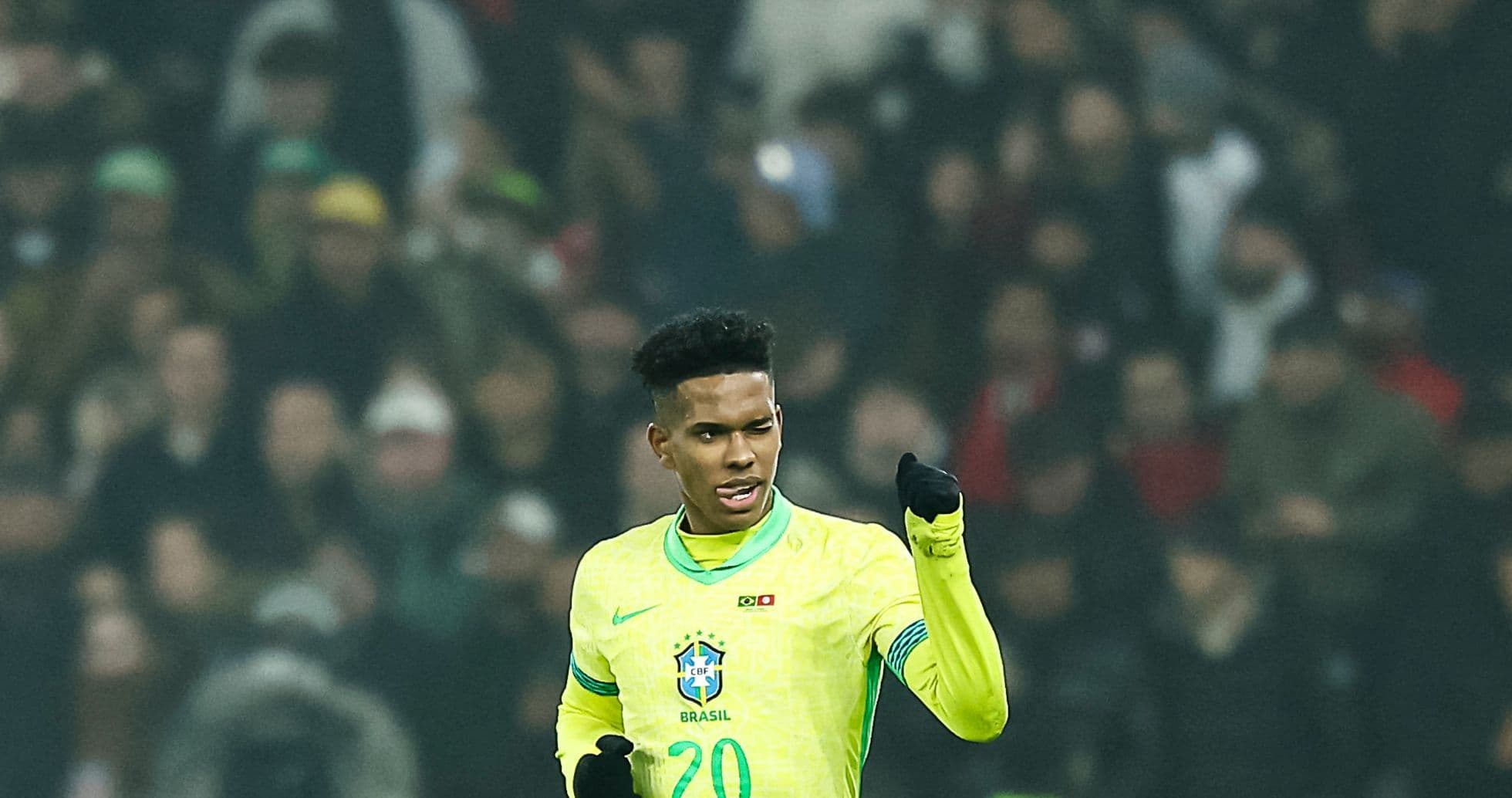
Estevao Opens Up on World Cup Heartbreak and His Unexpected Return to Brazil Under Ancelotti
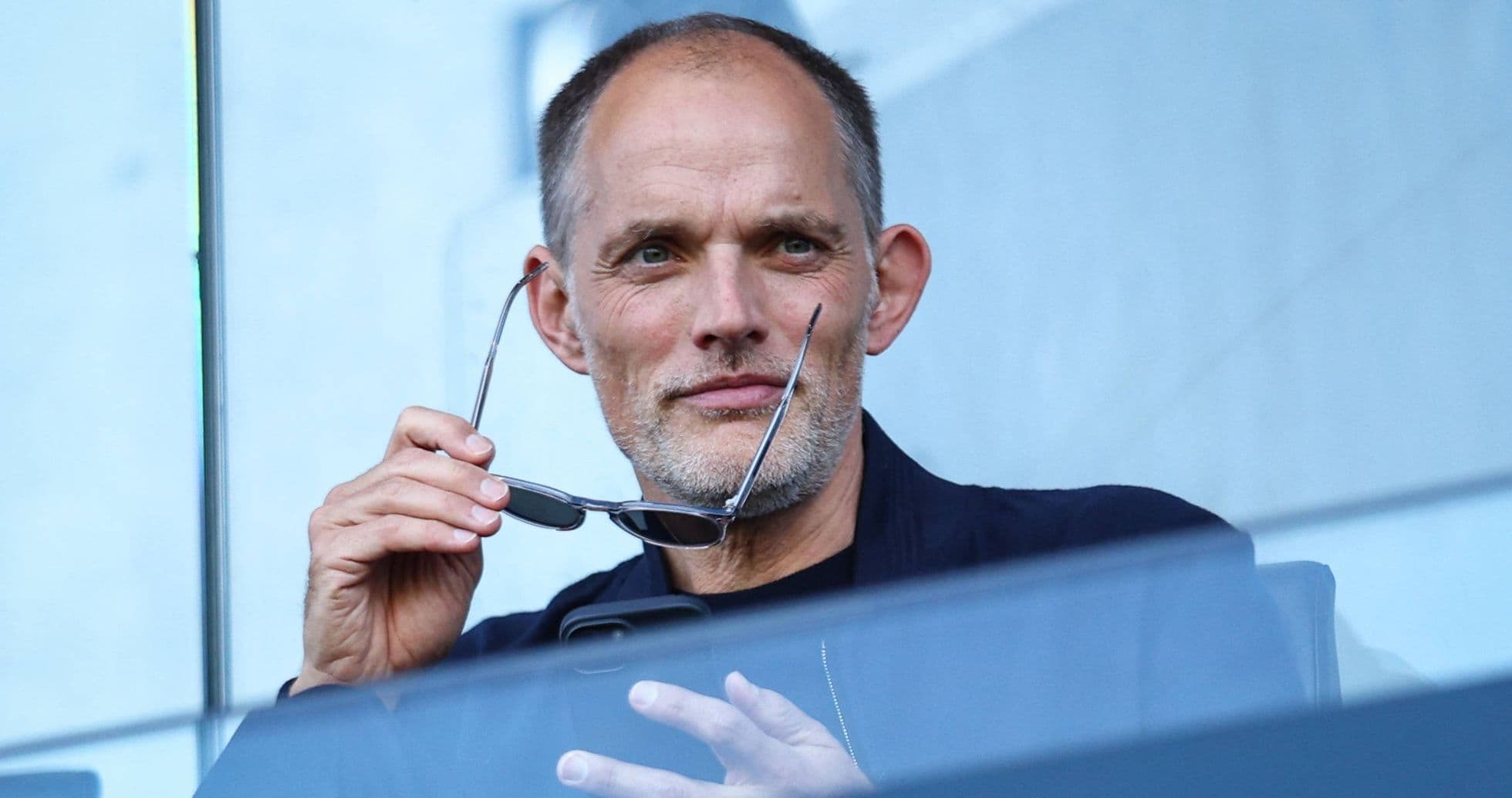
Thomas Tuchel Shares Unusual Regret After England's 10-Man World Cup Victory Over Mexico
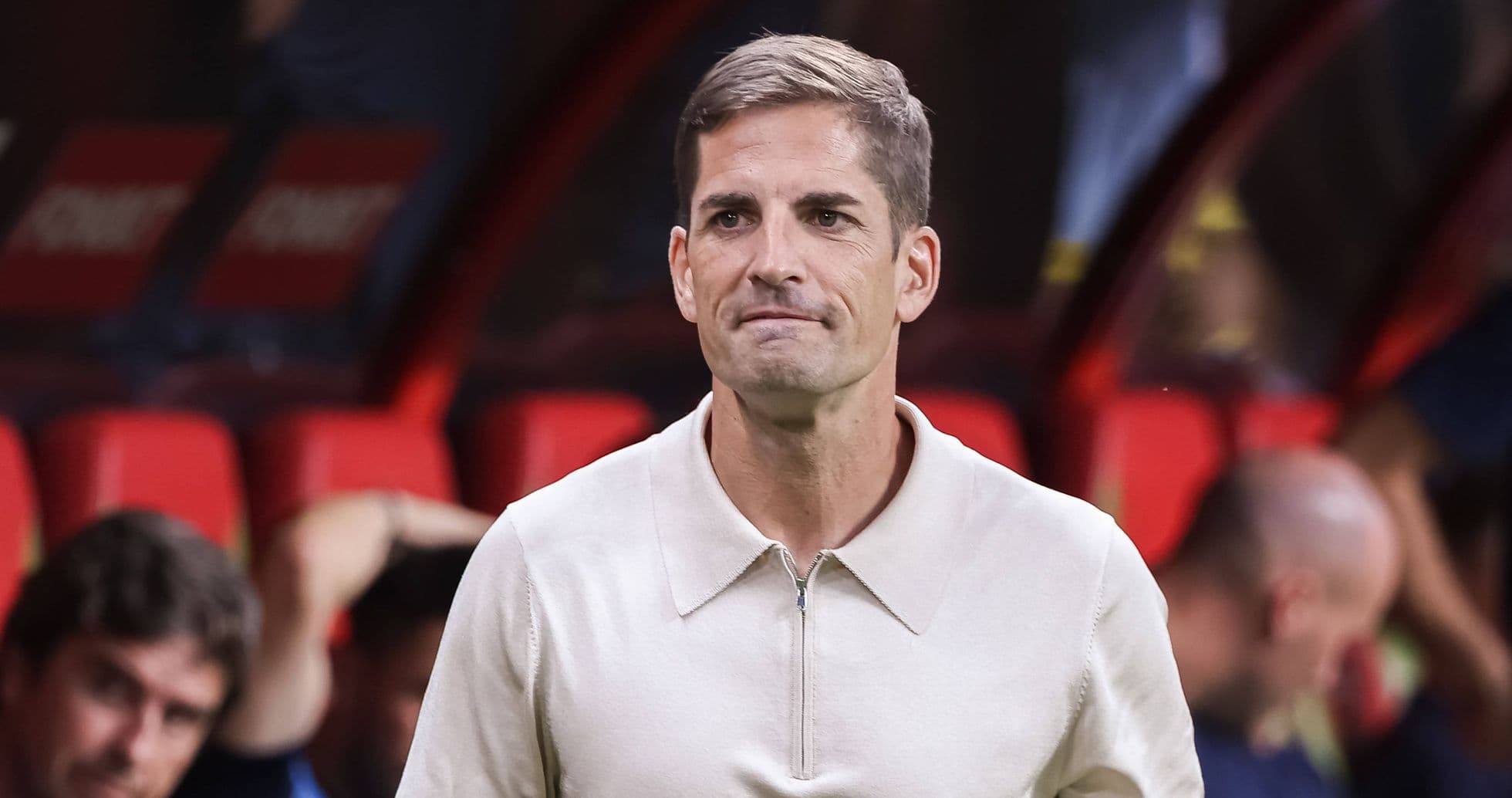
South Korea Names Robert Moreno as Interim Coach After World Cup Exit

Jude Bellingham Returns to Form at Real Madrid Following World Cup Success

Chloe Kelly, Beth Mead and 13 Lionesses Target Big WSL Seasons Ahead of England's 2027 World Cup Campaign
Barcelona Cancels World Cup Tribute for Spain Stars Amid Political Tensions