
England's World Cup Exit: Barnes Defends Tuchel's Strategy
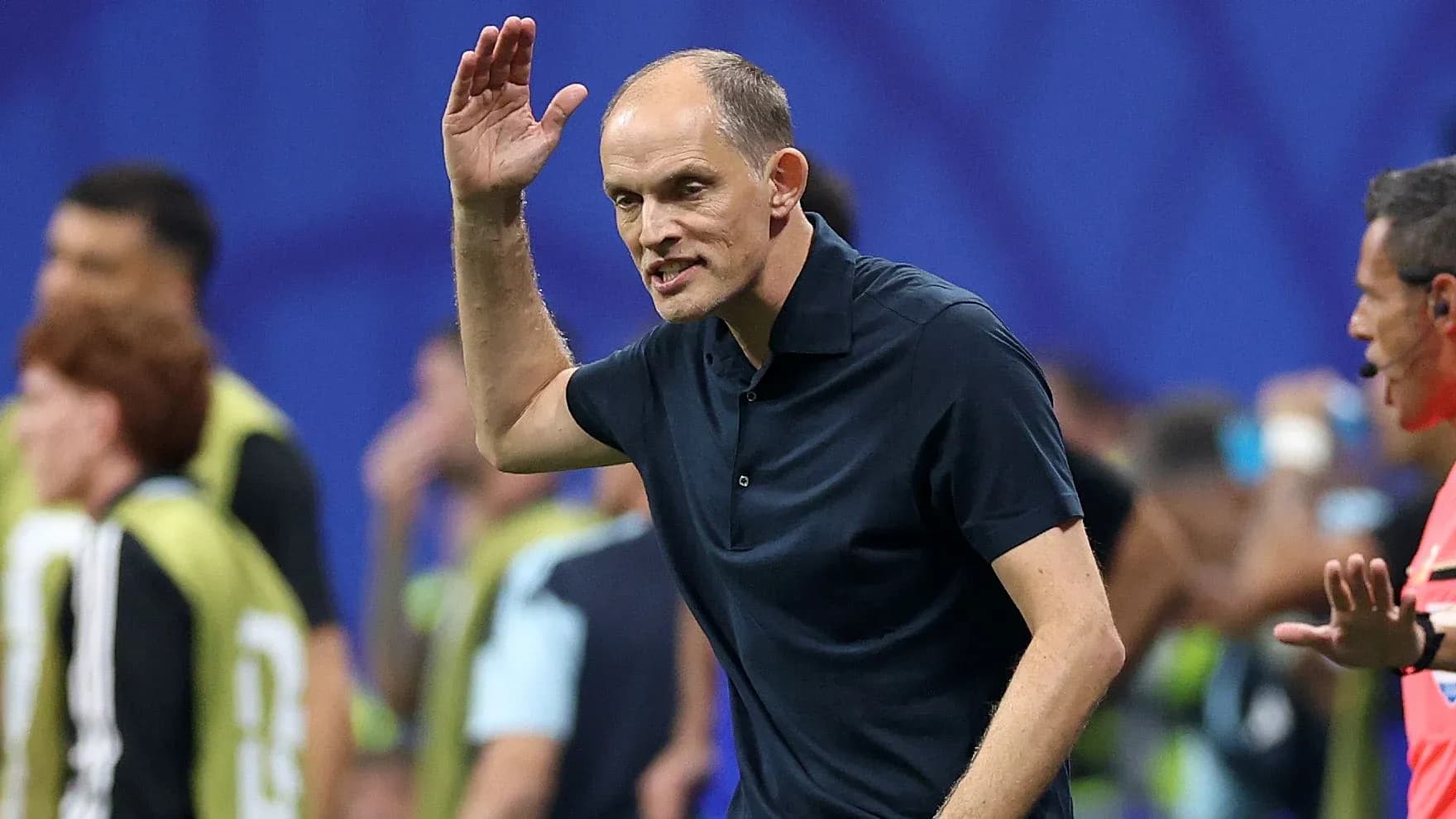
England’s World Cup dream died in familiar fashion: a lead surrendered, a giant punished, and a nation left staring at the same old questions.
This time it was Argentina who twisted the knife. Enzo Fernandez and Lautaro Martinez struck late to overturn a 1-0 deficit and seal a 2-1 semi-final win, ending England’s bid for a first World Cup final since 1966. The inquest began before the final whistle. The blame, many decided, lay squarely at the feet of Thomas Tuchel and his conservative instincts.
John Barnes strongly disagrees.
Barnes backs Tuchel amid backlash
While former England internationals lined up to criticise Tuchel’s caution after England let their lead slip, Barnes moved in the opposite direction, defending both the game plan and the manager’s wider approach.
For Barnes, the idea that England should have gone chasing a second goal with attacking substitutions against Argentina simply ignores reality.
“We were 1-0 up in a tournament where we’re never going to dominate possession against, or outplay, anyone,” he told Betfred. That, in his view, framed everything that followed. Protect the lead. Stay compact. Trust the structure.
“We were 1-0 up, so why should we make attacking substitutions because if he did that and we went on and lost, then people would be asking why he did that. He did exactly the right thing.”
The pressure eventually told. Argentina found their rhythm, their stars found space, and England’s resistance cracked under the weight of sustained attacks. To Barnes, that wasn’t a tactical betrayal. It was the brutal edge of elite knockout football.
Expectations vs reality
Underpinning Barnes’ argument is a blunt assessment of where England actually stand in the global order.
“We’re number four in the world, so we should finish third or fourth, which is where we’re going to be,” he said. “I don’t know why we expected anything different.”
It is a cold, numerical counter to the emotional surge that always surrounds England at major tournaments. Semi-finals, by that logic, are not a collapse but par for the course. Losing to a side of Argentina’s pedigree, with the game in the balance deep into the second half, sits within that framework rather than outside it.
Barnes’ stance cuts against the familiar narrative that England, with their array of Premier League stars, should be dictating games at this level. For him, this team’s identity under Tuchel is not built on domination of the ball or sweeping attacking patterns. It is built on something more pragmatic.
Tuchel’s identity: strength over style
“When you have a manager like Thomas Tuchel, you know what you’re going to get,” Barnes said. “You’re going to be pragmatic, strong, disciplined and resilient.”
That, in his eyes, is not a flaw. It is the blueprint.
“We’re not going to outplay teams, but instead we beat teams with our strength,” he added. Against Argentina, England did what Tuchel sides do: they struck first, dug in, and tried to manage the game from a position of control.
“Against Argentina we went 1-0 and every decision Thomas Tuchel made was the right decision. He responded to what was going on in front of him.”
The late turnaround will fuel those who want England to be bolder, braver, more expansive when the stakes are highest. Barnes sees it differently. For him, this semi-final was not a story of a manager paralysed by fear, but of a team playing to its defined identity, and being edged out by a world-class opponent in the margins.
The defeat will reopen the endless debate about what England should be on the biggest stage: idealists chasing a vision of front-foot football, or realists leaning into their structure and steel. Tuchel, and Barnes with him, are firmly on one side of that divide.
Related News
UFC 332 Preview: Natalia Silva vs. Wang Cong Fight Card, Odds, Start Time, and Details
Andy Roddick Responds to Andre Agassi’s Comments on Alexander Zverev at the Laver Cup

Knicks Prepare for Flexible Roles in Title Defense
Rui Hachimura Swaps Lakers Fans to Clippers in Surprising Jersey Exchange

Who Will Be the NBA's Next First-Time All-Stars? Top Picks and Long Shots for 2027

How Strong Is Your Team at Home? Check Out the 2026 Brasileirão Home Standings