
FC Tulsa Dominates Monterey Bay in 2–0 Victory
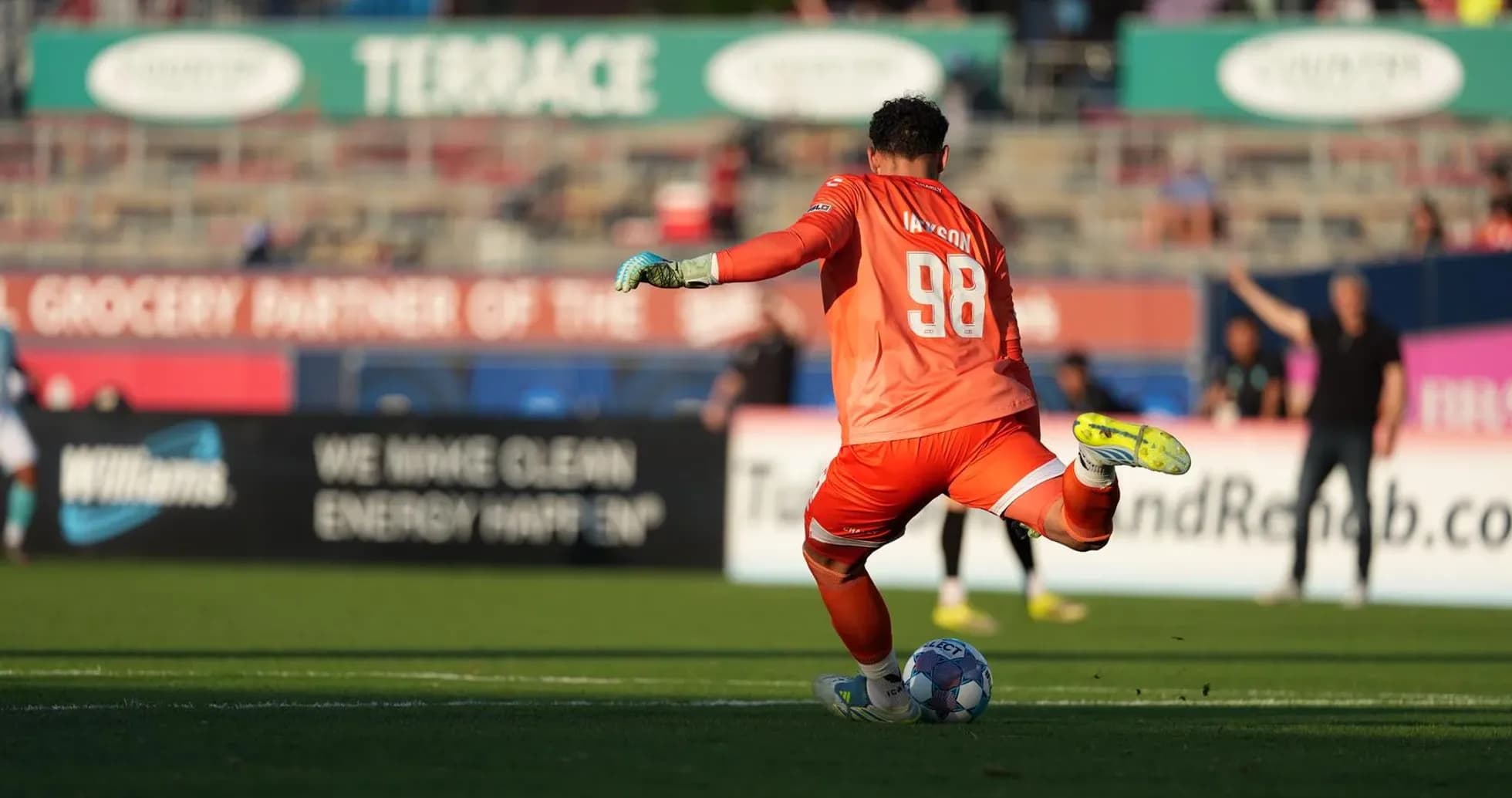
Under the lights at ONEOK Field, FC Tulsa’s 2–0 win over Monterey Bay felt less like a one-off group-stage result and more like a crystallisation of who these two sides have been all season. Heading into this game, the table already framed the narrative: Tulsa in 3rd place on 19 points with a positive goal difference of 2, Monterey Bay down in 12th with 11 points and a goal difference of -9. One side quietly building a promotion case, the other fighting to keep its season from drifting.
Tulsa’s season-long DNA has been defined by balance and control. Overall this campaign, they had played 12 matches, winning 5, drawing 4 and losing just 3. At home, they had been particularly efficient: 3 wins, 2 draws and only 1 defeat from 6, scoring 8 and conceding just 4. An average of 1.3 goals for and 0.7 against at home underlined why ONEOK Field has become a place where Tulsa can impose themselves rather than react.
Monterey Bay arrived with a very different profile. Overall, across 13 matches, they had 3 wins, 2 draws and 8 losses, with 13 goals scored and 22 conceded. On their travels, the picture was stark: 0 wins, 1 draw and 5 defeats from 6 away fixtures, with only 4 goals scored and 14 shipped. An away average of 0.7 goals for against 2.3 conceded told the story of a side that often starts with good intentions but gets exposed once the game stretches.
Luke Spencer’s selection for Tulsa reflected continuity more than experimentation. A. Tambakis anchored the side from goal, with a back line built around the composure of A. Clarke, the physical presence of L. Batista and the reliability of H. St.Clair. In front of them, J. Webber and J. Kocevski formed the spine of the midfield, the former tasked with tempo and the latter with knitting phases together. Wide and advanced roles fell to G. Robinson, B. Sparks and R. Cabral, with L. Dorsey offering vertical threat and aggression.
For Monterey Bay, Alex Covelo leaned into experience and industry. J. Jackson started in goal behind a defensive unit including N. Gordon, Z. Farnsworth, K. Egwu and J. Garcia. In midfield, R. Nakamura and S. Ritchie were asked to balance ball progression with defensive cover, while J. Belmar and W. Leggett provided width and running. The creative responsibility naturally gravitated toward S. Lletget, with I. Paul offering movement ahead of him.
The tactical voids in this contest came less from absences and more from structural vulnerabilities. Tulsa, with 4 clean sheets overall this season and 3 of those at home, have been comfortable defending higher up the pitch, trusting their shape and their goalkeeper. Their record of conceding only 4 goals at home heading into this game signalled a side that rarely allows chaos in its own box.
Monterey Bay, by contrast, travelled with no away clean sheets and a defensive record that frays under sustained pressure. The distribution of their yellow cards this season hints at where matches tend to slip away: 28.21% of their bookings come between 61–75 minutes, and 23.08% between 76–90. Those numbers sketch a team that tires or gets stretched late, often resorting to fouls as structure breaks down.
That pattern intersected brutally with Tulsa’s own disciplinary and control profile. Tulsa’s yellow-card peak arrives between 61–75 minutes as well, with 25.00% of their cautions in that window, followed closely by 21.88% between 76–90. In other words, both teams often find themselves in emotionally and physically charged final half-hours. The difference is that Tulsa’s defensive baseline is sturdier: an overall average of 1.2 goals against per game, but only 0.7 at home, compared to Monterey Bay’s 1.7 overall and 2.3 away.
Within that context, the “Hunter vs Shield” matchup favoured Tulsa’s collective over Monterey’s brittle away rearguard. Even without explicit top-scorer data, Tulsa’s 16 goals overall at a steady average of 1.3 per match – mirrored both home and away – suggested a side that consistently finds a route to goal. Monterey Bay’s back line, which had already conceded 14 away goals heading into this fixture, represented an obvious target. The 2–0 full-time score simply aligned with those trajectories rather than defying them.
In the “Engine Room”, Webber and Kocevski were always likely to hold the edge over Monterey Bay’s central pairing. Tulsa’s season-long ability to control risk is evident in their 4 clean sheets and the fact that they have failed to score in only 4 of 12 matches overall. Monterey Bay, by contrast, had failed to score in 5 of 13, including 2 of their 6 away trips. That imbalance in reliability through the middle third meant that even if S. Lletget found pockets, the structural support behind him was always at risk of being overrun or pinned back.
Disciplinary trends further framed the tactical tone. Tulsa have accumulated their cautions in waves but crucially have avoided red cards altogether this campaign. Monterey Bay, however, have already seen a red in the 61–75 minute window, underlining how fragile their late-game discipline can become when chasing matches. In a tight contest, that volatility can tilt the balance; in a game where Tulsa were already the stronger home side, it threatened to turn a difficult night into a desperate one.
From a statistical prognosis perspective, a Tulsa win with a clean sheet was the likeliest high-probability outcome. Tulsa’s home defensive average of 0.7 goals conceded, combined with Monterey Bay’s away attacking average of 0.7 goals scored, pointed towards the visitors needing to outperform their season norms significantly just to find the net. On the other side of the ball, Tulsa’s steady 1.3 goals-for average aligned almost perfectly with the eventual 2–0 margin, especially against an away defence conceding 2.3 per game.
Following this result, the narrative hardens rather than shifts. FC Tulsa look every inch a promotion playoff contender, their structure, discipline and home form matching the ambitions suggested by their 3rd-place standing. Monterey Bay, meanwhile, remain an enigma: capable of bursts of form at home, but on their travels still a side whose defensive frailties and late-game discipline issues repeatedly undo them. At ONEOK Field, the numbers and the story walked hand in hand.
Related News

San Antonio's Tactical Edge Secures 2–1 Victory Over Colorado Springs

Charleston Battery Dominates Loudoun United 4–1 in Statement Win

Miami FC vs Orange County SC: USL Championship Clash Highlights

Colorado Springs vs San Antonio: USL Championship Group Stage Preview

Charleston Battery vs Loudoun United: Match Preview

Miami FC vs Orange County SC Match Preview