
Ferran Torres at a Crossroads: Barcelona or PSG?

Ferran Torres stands at a crossroads, and he knows it.
The Barcelona forward has not tried to hide his frustration or his ambition. Asked about Paris Saint-Germain’s interest, he laid down a public challenge to his current club, telling Sportico: “Every time these teams want you it’s a good thing… What do Barca need to do to keep me? They have to show me they want me, come to negotiate, and in the end it’s all about talking.”
Those words did not land softly at Camp Nou. According to The Athletic, they “raised eyebrows” inside the club, and they arrive at a delicate moment in a complicated contract story.
A clause Barca can’t ignore
On the surface, extending Torres should be straightforward. He is 24, a Spain international, and coming off back‑to‑back productive seasons. But buried in the deal that brought him from Manchester City for €65 million in January 2022 lies a problem: a clause that forces Barcelona to pay City a further €7m-€8m if they renew his contract.
Deco, the club’s sporting director, is said to be “reluctant” to trigger that payment. The logic is cold but clear. If Barca extend Torres, they pay more for a player whose status is already under debate. If they sell him, especially to a club like PSG for a substantial fee, they avoid the extra payout and free up money for their real priority: Julian Alvarez.
Inside Torres’ camp, that pursuit of the Atletico Madrid striker is being read as a lack of “faith” in him. It is not hard to see why. Hansi Flick has hardly rushed to reassure him. The Barcelona coach has instead backed Deco publicly while leaving the door wide open.
“I have complete confidence in Deco and we know we have to do something [about signing a new striker],” Flick said. “But it also depends on Ferran, so we will see what happens.”
The message is unmistakable: Barca will act in the market, and Torres’ future is a variable, not a foundation.
Numbers that don’t tell the whole story
Torres could argue he has already earned the right to lead the line. On paper, his case is strong.
Last season he scored 21 goals in 49 appearances across all competitions, outscoring Robert Lewandowski by two and finishing just behind Lamine Yamal’s 24 in the club’s scoring charts. The previous campaign he hit 19. Over two years, those are serious numbers for a player who has never been treated as an undisputed starter.
Yet inside and outside the dressing room, he is not mentioned in the same breath as Yamal, Raphinha, Pedri or Lewandowski when the pillars of Barcelona’s recent Liga titles are discussed. There is a reason for that.
Flick has undeniably elevated him since taking over in 2024. Torres looks sharper, more decisive in the box, more confident attacking space. But he remains streaky. Between January and April last season – the stretch that often defines a campaign – he went 14 games without a goal. In a team judged on the finest margins, that kind of drought is impossible to ignore.
Barca’s summer business has only increased the pressure. Anthony Gordon and Karim Adeyemi have already arrived to strengthen the frontline. If Alvarez follows, Torres risks sliding from central figure to squad piece. His versatility, the ability to play across the front three, helps him. His pathway, though, is blocked by Yamal and Raphinha on the wings and by the club’s relentless hunt for a new No.9.
The perfect time to cash in?
From the club’s perspective, the timing is almost too good to miss. Diario Sport reports that Barcelona want to recoup the full €65m they spent on Torres. If PSG meet that valuation, it would be hard for the board to turn down.
This is a player approaching the final phase of his contract, edging towards free agency, with a value that may never be higher than it is now. Barca have already insulated themselves up front with new signings. Even if the Alvarez deal collapses, Flick has enough options to navigate a season without Torres as a starter.
For the Catalan club, the equation is brutal but simple: sell now, avoid the extra fee to City, reinvest in a younger, more rounded centre-forward, and walk away with a profit in sporting terms, if not financially.
Paris: dream move or familiar role?
From Torres’ side, the lure of PSG is obvious. Luis Enrique’s team have conquered Europe in back‑to‑back seasons, winning the Champions League twice in a row and knocking Barcelona out in Catalonia on their way to lifting the trophy in May. The Parc des Princes has become a magnet for players who want medals and spotlight.
Torres likely sees Paris as a fresh start under a coach who knows him well and trusts his profile. But if he believes a starring role awaits, that is where the fantasy begins.
Luis Enrique has identified him because he fits a very specific template: mobile attackers who can rotate between both flanks and a false nine position, pressing high and attacking space rather than playing as a traditional target man. PSG sold their only orthodox centre forward when Goncalo Ramos left for AC Milan at the end of June. Even before that, Ramos often watched as Ousmane Dembele was pushed into the central role in the biggest games.
Torres’ flexibility should earn him more minutes than Ramos enjoyed, especially if Bradley Barcola completes a proposed move to Liverpool. But the projected first-choice front three is clear: Khvicha Kvaratskhelia, Dembele and Desire Doue. That trio is not just PSG’s most dangerous combination; it is the envy of Europe.
Ligue 1’s lower intensity and quality compared to La Liga will shift the focus firmly onto Europe. Torres will be judged above all on his Champions League output. His record there – 12 goals in four seasons with Barca – is respectable but not transformative. In Paris, that will not be enough to define a legacy.
Legacy versus medals
On a trophy level, Torres may well improve his odds by going to PSG. The French champions look better placed than Barcelona right now to keep adding Champions League titles, even with Barca expected to strengthen in 2026-27, notably with the anticipated arrival of Ballon d’Or winner Rodri.
Individually, though, the move is unlikely to elevate him into a different category of player. At Atletico Madrid, Tottenham, Aston Villa, Napoli or Juventus – all clubs credited with an interest this summer – he might have become the focal point, the man around whom an attack is built. In Paris, he will again be part of a system, not the system itself.
His limitations at the highest level are well known. When forced to drop deep or hold the ball up against powerful centre-backs, his touch and strength can desert him. He is excellent at darting into space behind a back line, timing runs, finishing moves others create. He is less convincing when asked to create those chances himself.
That is why his role at Barca has fluctuated and why, at the World Cup, he started only one of Spain’s eight matches despite his status as a proven scorer. Luis Enrique’s tactical structure in Paris will play to his strengths and hide some of those flaws. It will not demand that he solve them.
A useful man in an unforgiving era
All of this plays out against a backdrop of tension with the Barcelona fanbase. Torres’ relentless work rate has never quite translated into unconditional affection from the stands. His recent openness about PSG, at a time when the club and supporters are trying to project unity and ambition, risks widening that gap.
He has earned leverage with his performances in North America and in key stretches of the season, and he is using it. But there is a thin line between asserting your worth and overestimating your hand at a club that has already moved on to the next project.
If he leaves, the narrative will be tempting: a World Cup hero, walking away from the club that never truly believed, heading to the European champions to chase the biggest prize of all. The reality is harsher.
The grass in Paris will be different. It will not necessarily be greener. Surrounded by stars, Torres will be what he has been for much of his career – a valuable, hard‑working, tactically useful forward.
A utility man in a superstar age, trying once more to prove that label undersells him.
Related News
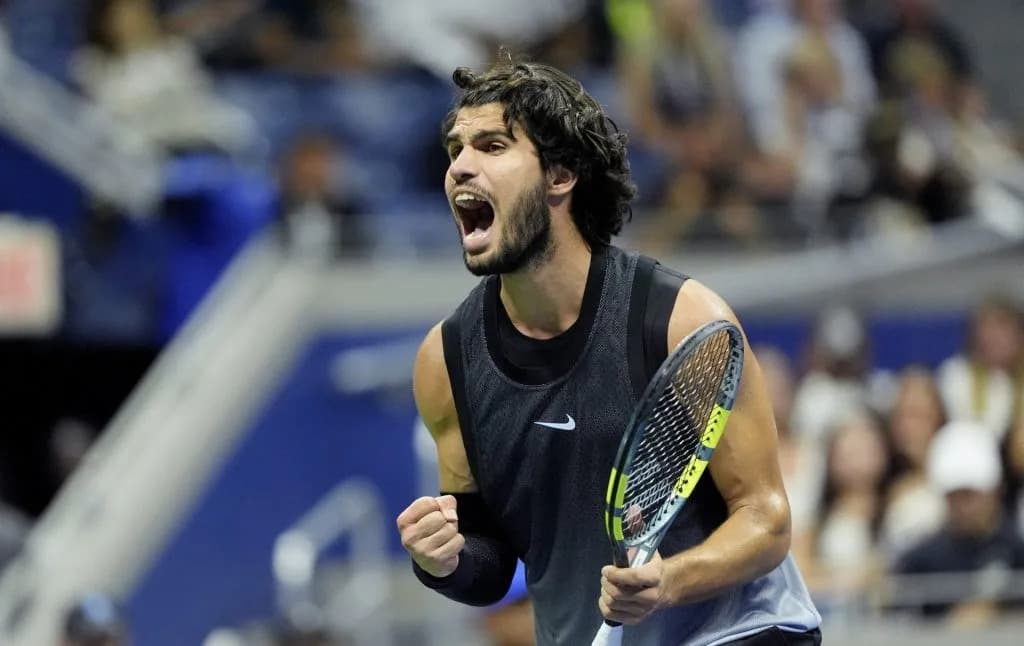
Carlos Alcaraz Urges an End to Matches Ending in the Early Hours
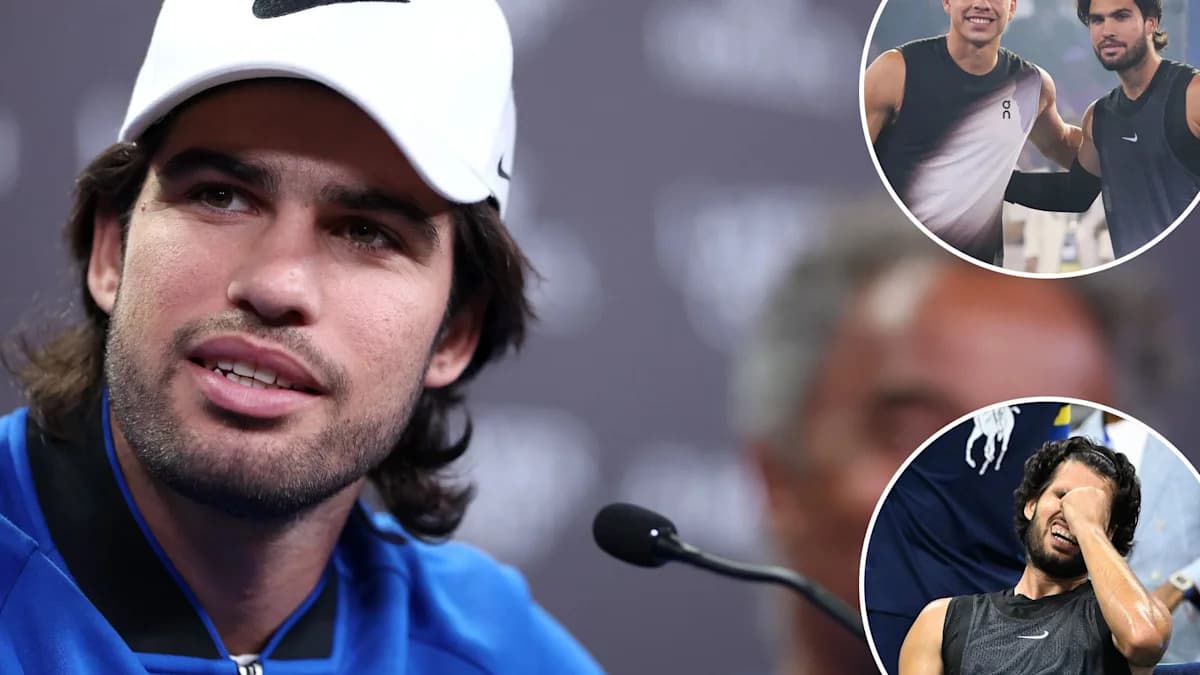
Carlos Alcaraz Criticizes Late US Open Finish After 3:30 a.m. Match
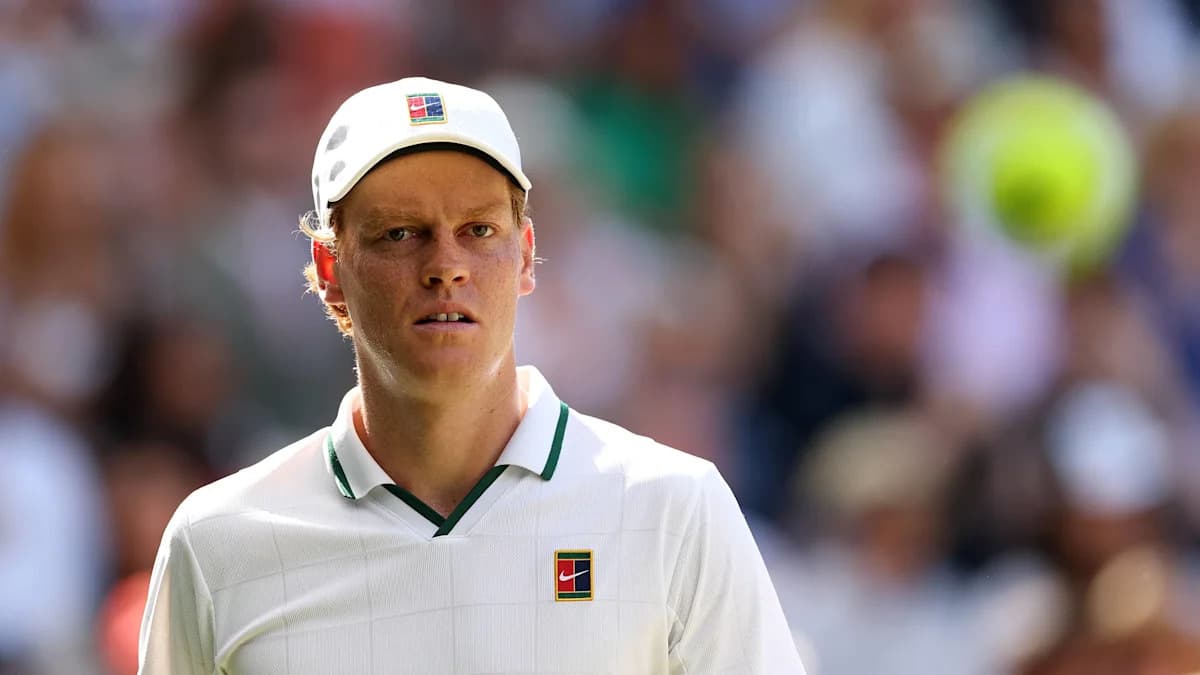
Jannik Sinner Set for ATP 500 Return in Beijing with Novak Djokovic Also Competing
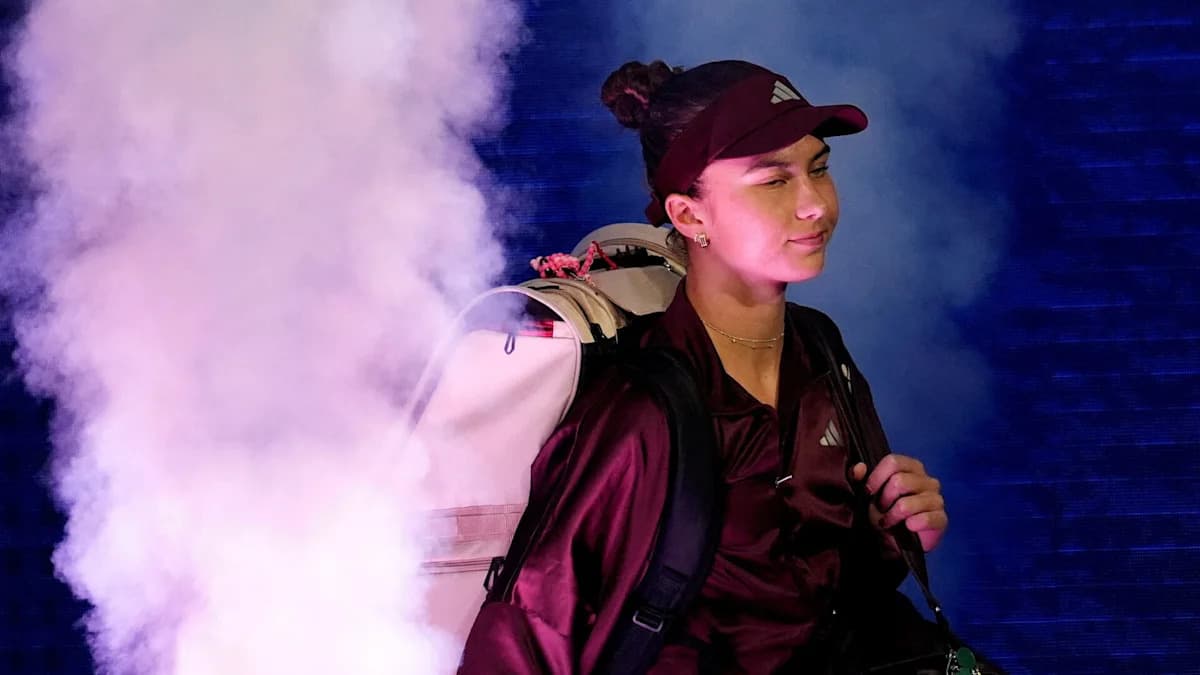
Meet Iva Jovic: The American Tennis Prospect Making Waves
Flavio Cobolli Shares Insights on Practice Session with Jannik Sinner Ahead of Comeback

Till vs Romero: Fight Details, Undercard, and Viewing Info for This Weekend