
Roles and Responsibilities of a Football Team Captain
Wearing the captain's armband might seem straightforward, but the role involves much more than just that symbol. A football captain takes on many responsibilities to help the team perform at its best.
Visible Duties on Match Day
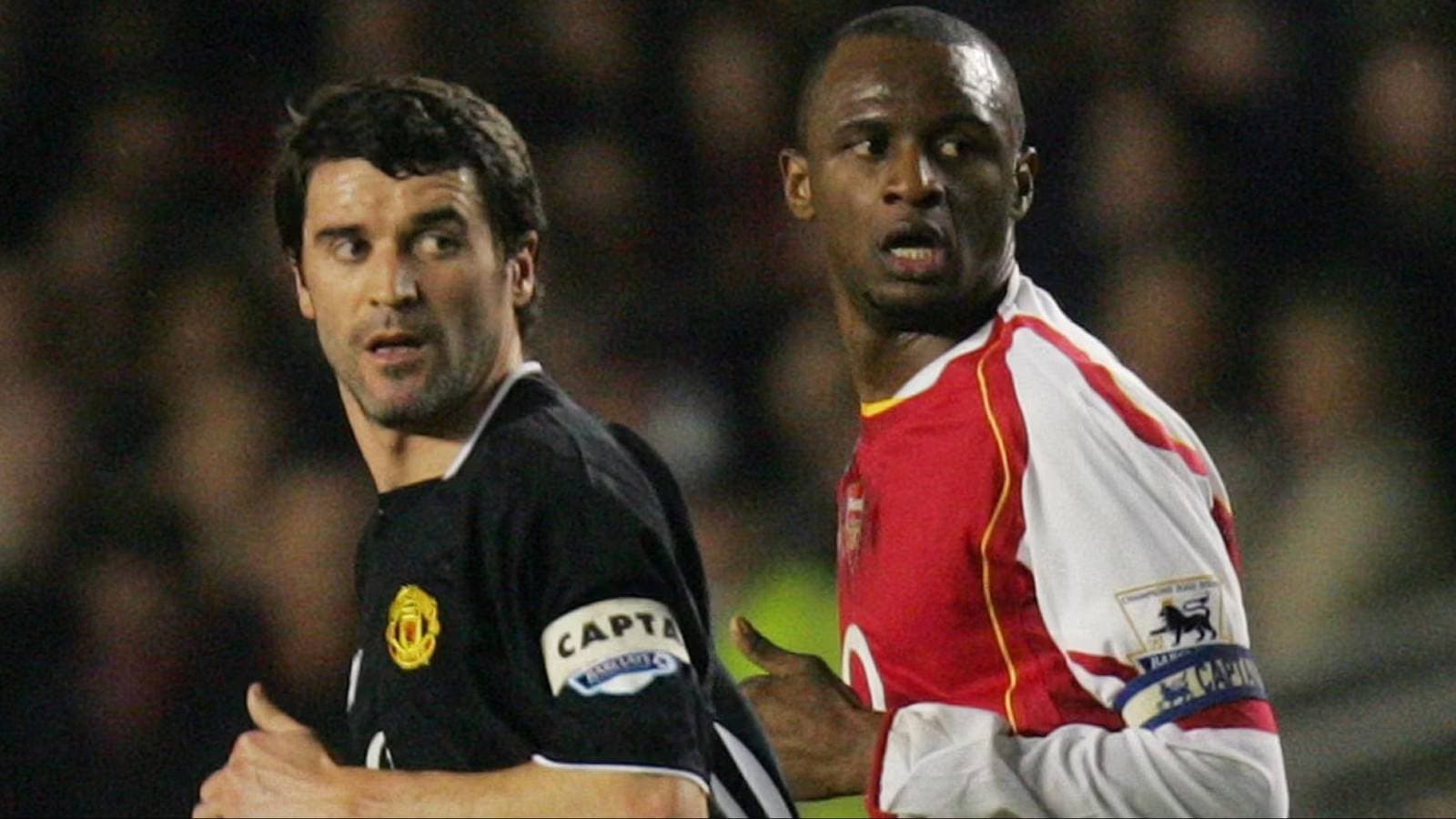
The captain leads the team onto the field, participates in the coin toss, chooses which side to defend, and delivers motivational talks during huddles. They are also the main link between the match officials and the players, handling communication and calming tense situations to prevent bookings or send-offs.
Leadership Beyond the Pitch
The real work happens away from the public eye. Captains serve as intermediaries between the coach and the squad, translating tactical instructions into guidance that players trust. When the team's performance drops, the captain steps up to identify issues and raise standards. They often mentor younger teammates, offering advice before a coach intervenes.
During games, captains organize the team's formation, constantly communicate to maintain structure, and make quick decisions about pressing opponents, positioning during set pieces, or motivating teammates with encouragement or firm words.
Managing Emotions and Maintaining Composure
Matches can be emotionally intense, and captains act as the emotional anchors. Some, like Roy Keane, use controlled aggression to inspire their team, while others maintain calmness to keep everyone focused. The goal remains the same: to unify eleven individuals into a single, cohesive force.
Qualities That Make a Good Captain
Managers choose captains differently based on team needs. Alex Ferguson favored fiery leaders like Roy Keane to energize the squad, whereas Jurgen Klopp preferred calmer figures such as Jordan Henderson or Virgil van Dijk for steady leadership. Both approaches led to success, proving there's no one-size-fits-all.
- Respect from Teammates: Essential to lead effectively; this is earned by being consistent, professional, and team-focused rather than chasing personal glory.
- Communication Skills: Reading teammates’ moods and knowing when to offer support or challenge is vital.
- Accountability: A captain must hold themselves to high standards to command respect and demand the same from others.
Examples of Legendary Captains
- Sergio Ramos: Joined Real Madrid in 2005, leading the team through multiple Champions League wins and La Liga titles with commanding defensive organization.
- John Terry: Anchored Chelsea’s defense during a dominant period, contributing to numerous trophies including a Champions League win and holding the record as Premier League’s highest-scoring defender.
- Didier Deschamps: Captained France to World Cup victory in 1998, known for his selfless midfield role that allowed his teammates to shine, embodying leadership through sacrifice.
The armband itself doesn't create a captain, but handing it to the right player can transform a team.
Related News
Roles and Responsibilities of a Football Team Captain

Cristiano Ronaldo and Georgina Rodríguez's Prenup Details Revealed After Private Wedding in £30 Million Lisbon Mansion

Victor Boniface Reacts to Taiwo Awoniyi's Denial of ₦800 Million Luxury Cars

Pep Guardiola Opens Up About Divorce in Emotional Speech to Manchester City Players

Cristiano Ronaldo's $21 Million Supercar Garage Unveiled

2026 Ballon d'Or Nominees: Date and Details for the Shortlist Announcement