
France Survives Paraguay's Defense for Narrow 1-0 Victory
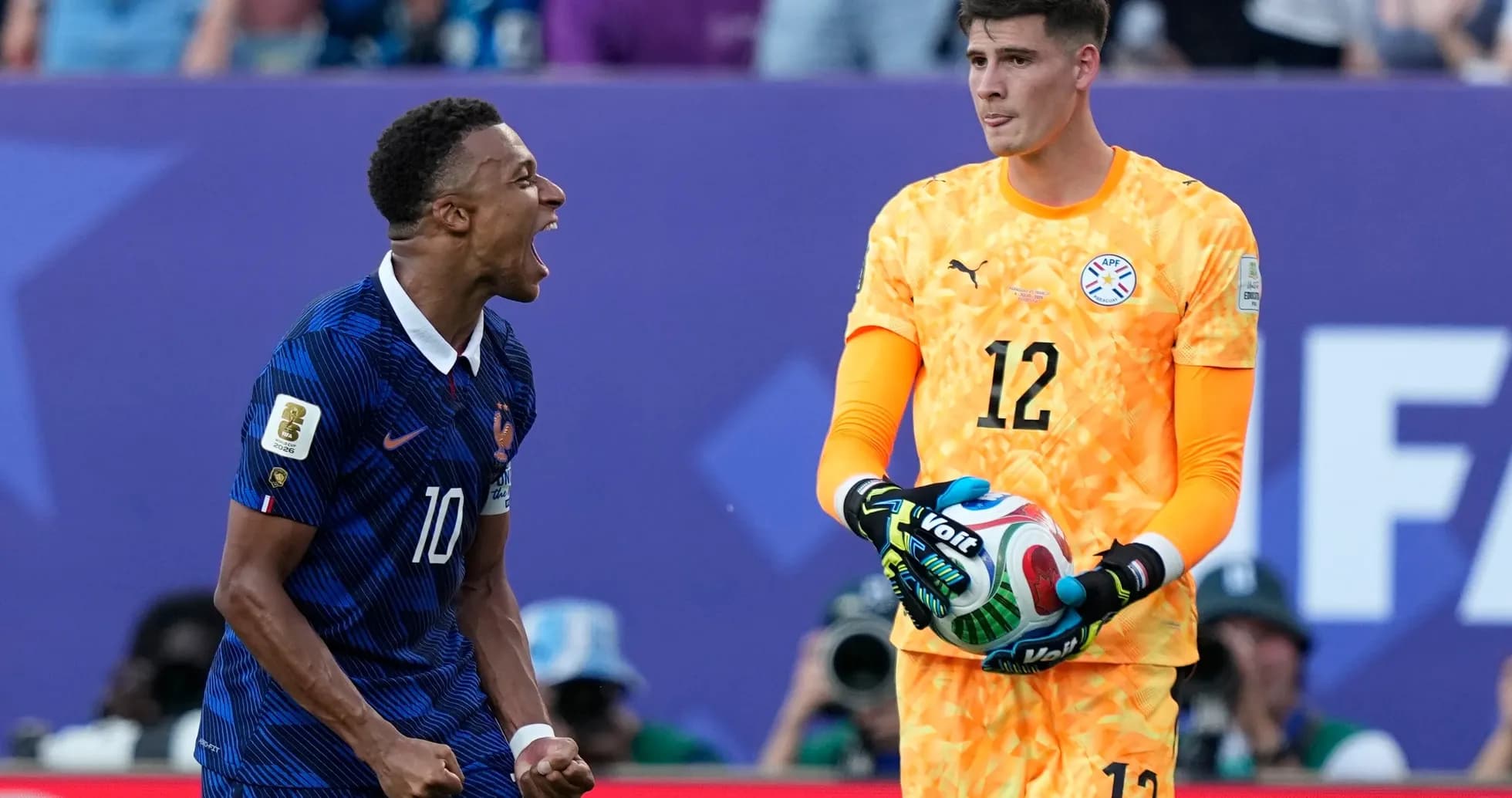
Paraguay approached this Round of 16 tie at Lincoln Financial Field with a pure survival brief and executed it for long stretches, but France’s structural superiority and patience eventually turned overwhelming control into a narrow 1-0 win. The match state was defined early: France monopolised the ball (76% possession) and finished with a 15–5 shot advantage, while Paraguay accepted a deep block, minimal pressing, and rare counter-attacks.
Gustavo Alfaro’s 5-4-1 was built to compress the central lane and protect the box. The back five of Juan Cáceres, Gustavo Velázquez, Gustavo Gómez, Omar Alderete and Junior Alonso stayed extremely narrow, with Andrés Cubas and Diego Gómez screening in front. Miguel Almirón and Matías Galarza tucked in alongside them, leaving Julio Enciso as the lone outlet. This structure limited France to just five shots inside the box out of 15 total, forcing them into 10 attempts from distance.
Didier Deschamps’ 4-2-3-1 responded with maximum width and heavy occupation of the half-spaces. Lucas Digne and Jules Koundé pushed high to pin Paraguay’s wing-backs, while Ousmane Dembélé and Bradley Barcola stretched the last line. Michael Olise floated between the lines, with Kylian Mbappé constantly threatening depth. The double pivot of Manu Koné and Adrien Rabiot recycled possession and closed rest-defence transitions, a key reason why Paraguay managed only one shot inside the box and five shots total.
France’s territorial dominance was underpinned by their passing control: 568 total passes, 510 accurate at 90%, compared to Paraguay’s 183 passes, 99 accurate at 54%. This disparity illustrates not only volume but also security—France could patiently circulate, shift Paraguay’s block, and re-press immediately after losses. Paraguay, by contrast, struggled to connect more than one or two passes on regains, which meant their counters rarely progressed beyond the midfield line.
The decisive tactical hinge came after the hour. France’s first yellow card for Bradley Barcola at 19' for “Foul” did not change the pattern, but the substitution on 61'—Désiré Doué (IN) came on for Bradley Barcola (OUT)—added fresh dynamism between the lines. Doué’s movement and willingness to drive at the back line contributed directly to the turning point: a VAR-reviewed incident at 68', when “Penalty confirmed” for France with Doué involved. Two minutes later, Mbappé converted from the spot for the only goal.
That sequence reveals the cumulative effect of France’s structure. Continuous occupation of Paraguay’s box and half-spaces forced the back five into ever-deeper, more reactive defending. Fouls began to appear in more dangerous zones, and the penalty was the logical outcome of sustained pressure rather than a single isolated action. France’s expected goals of 1.36 reflect this: not a barrage of clear-cut chances, but a steady accrual of threat culminating in a high-value penalty.
Paraguay’s in-game adjustments were reactive and aimed at adding outlets without dismantling the block. On 58', José Canale (IN) came on for Omar Alderete (OUT), a like-for-like defensive refresh to maintain intensity in the line of five. At 61', Gustavo Caballero (IN) came on for Julio Enciso (OUT), shifting the reference point up front but keeping the 5-4-1 structure. Only after going behind did Alfaro tilt slightly more aggressive: at 71', Gabriel Ávalos (IN) came on for Miguel Almirón (OUT), and Mauricio (IN) came on for Gustavo Gómez (OUT), effectively trading some build-up and leadership at the back for more direct presence in attack and fresh legs in midfield.
Yet France’s control of the central corridor, anchored by Koné and Rabiot, meant these changes did not translate into sustained pressure. Paraguay finished with just two corners and five total shots, and their xG of 0.15 underlines how rarely they reached genuinely dangerous positions. Their one shot on target was comfortably handled by Mike Maignan (France), who made one save in a largely observational evening.
At the other end, Orlando Gill (Paraguay) was far busier, registering four saves. His interventions, combined with Paraguay’s dense block, explain why France’s shot volume and xG superiority did not produce a larger scoreline. The “goals prevented” metric of 0.37 for Paraguay suggests Gill and his defence marginally outperformed the quality of chances conceded, keeping the tie alive until the end.
France’s defensive management was also notable. They conceded only five shots and one on target, committing 11 fouls and taking three yellow cards, all for specific behaviours: Bradley Barcola at 19' for “Foul”, Manu Koné at 81' for “Foul”, and Michael Olise at 90+7' for “Unsporting behaviour”. These cards reflect an assertive, sometimes aggressive control of transitions and late-game management rather than systemic disorder. Crucially, they never lost structural balance; the back four of Koundé, Dayot Upamecano, William Saliba and Digne held a high line with good spacing, supported by counter-pressing from the midfield line.
Substitutions in the attacking band helped France maintain tempo. At 84', Rayan Cherki (IN) came on for Ousmane Dembélé (OUT), adding fresh ball-carrying and combination play as Paraguay finally tried to step higher. This kept Paraguay pinned enough that their late pushes never turned into waves of pressure or set-piece flurries.
Statistically, the match reads as a controlled, professional knockout performance by France. They dominated possession and passing, produced significantly higher xG (1.36 to 0.15), and limited Paraguay’s attacking output to almost nothing from open play. Paraguay, for their part, executed a low-block game plan with discipline and concentration, with Orlando Gill (Paraguay) and the back five ensuring the score remained 0-1 and the tie theoretically in reach.
Tactically, the key story is France’s ability to turn structural dominance into at least one decisive moment while maintaining defensive stability. Paraguay’s resistance was organised and brave, but with so little attacking platform—reflected in their low pass accuracy, minimal shots, and single effort on target—they were always living on the edge of eventual concession rather than threatening to tilt the tie in their favour.
Related News
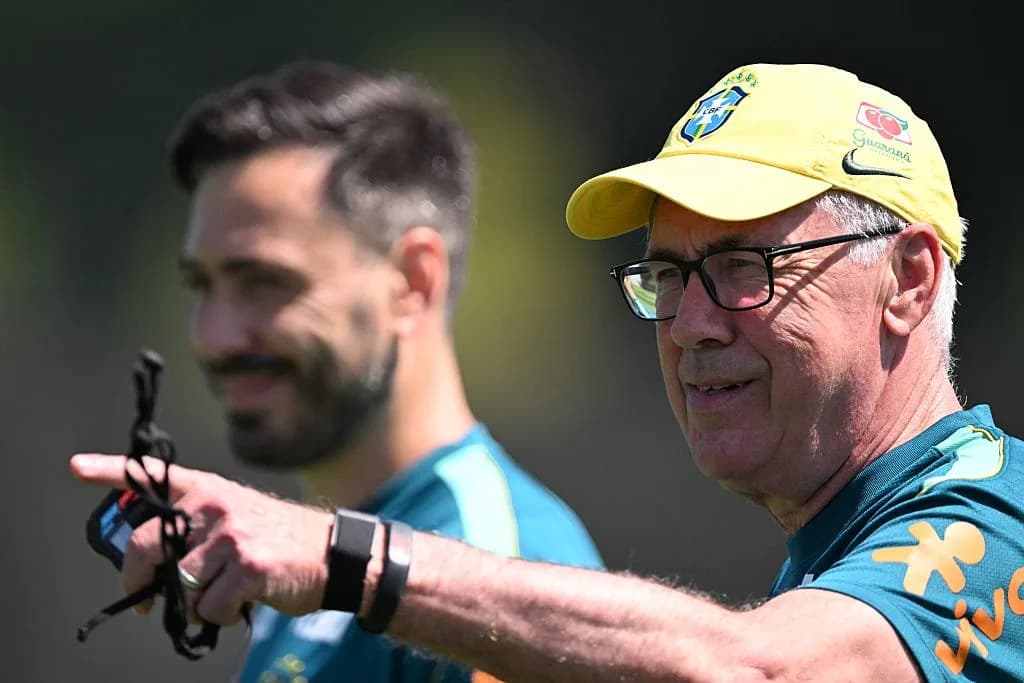
Brazil's First Post-World Cup Friendly: What Should the Lineup Be?
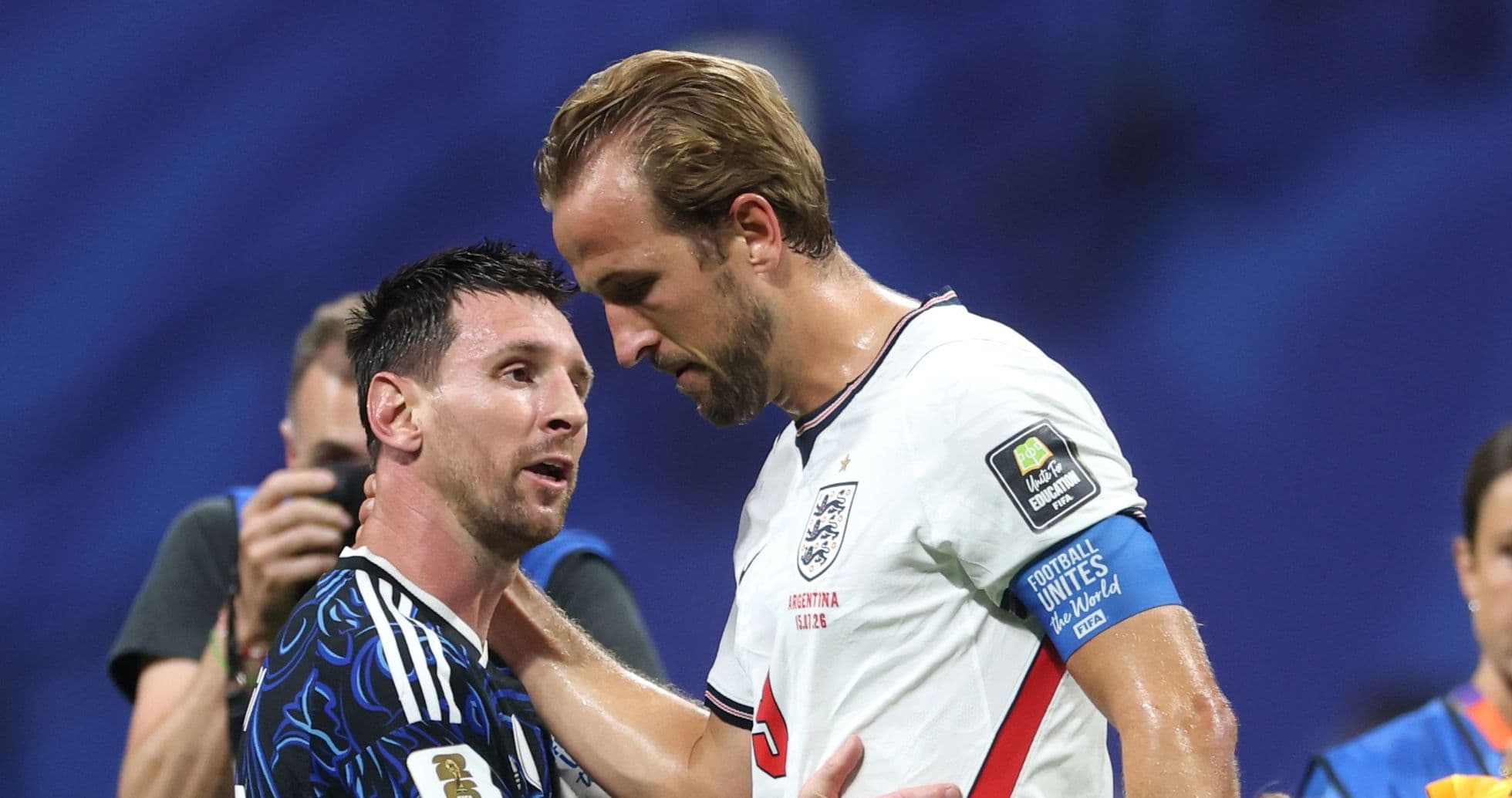
Harry Kane Calls England’s World Cup Exit to Argentina His Deepest International Pain
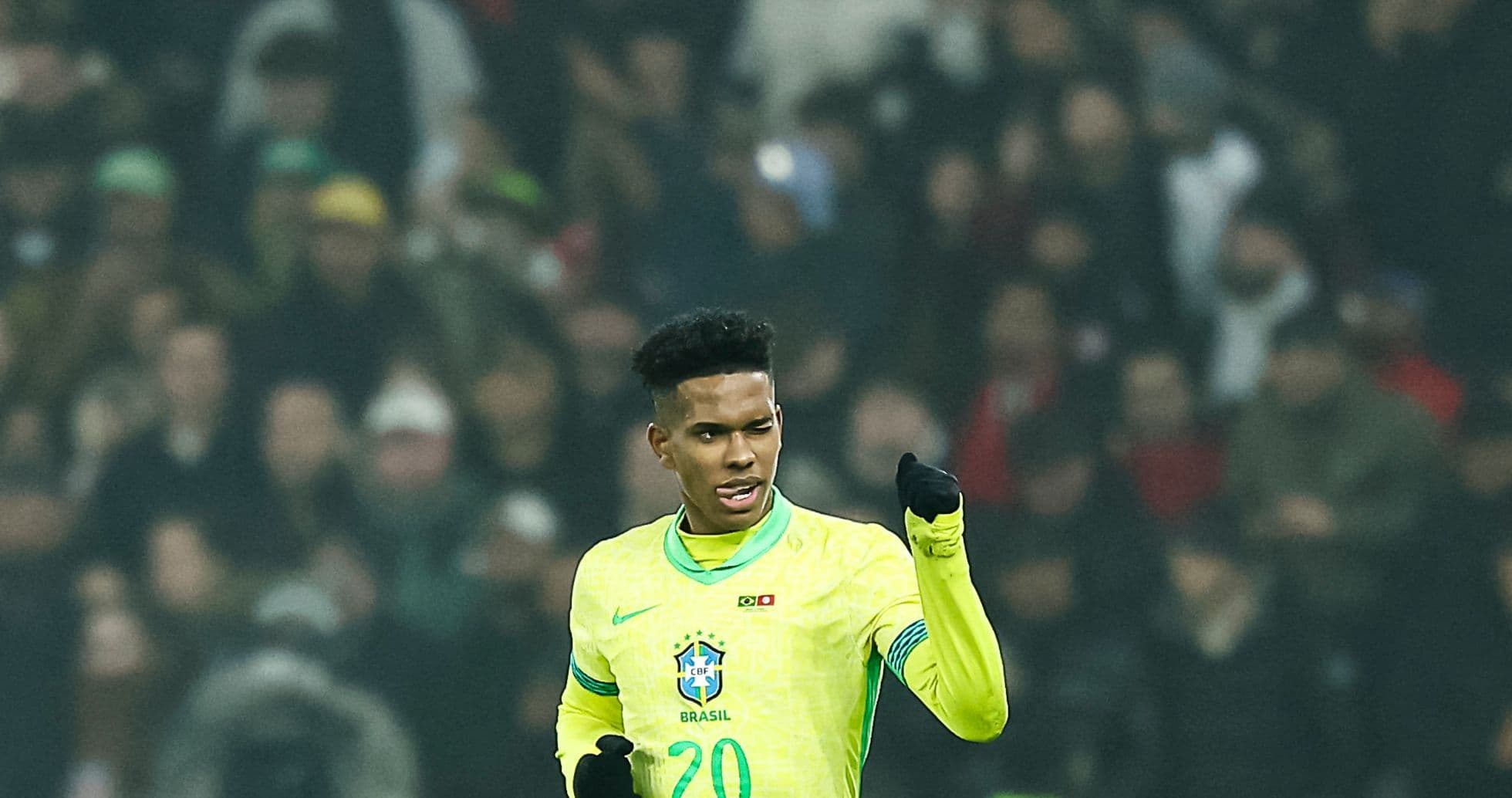
Estevao Opens Up on World Cup Heartbreak and His Unexpected Return to Brazil Under Ancelotti
Thomas Tuchel Shares Unusual Regret After England's 10-Man World Cup Victory Over Mexico
South Korea Names Robert Moreno as Interim Coach After World Cup Exit
Jude Bellingham Returns to Form at Real Madrid Following World Cup Success