
France Weigh Tchouameni Gamble Ahead of Morocco Clash
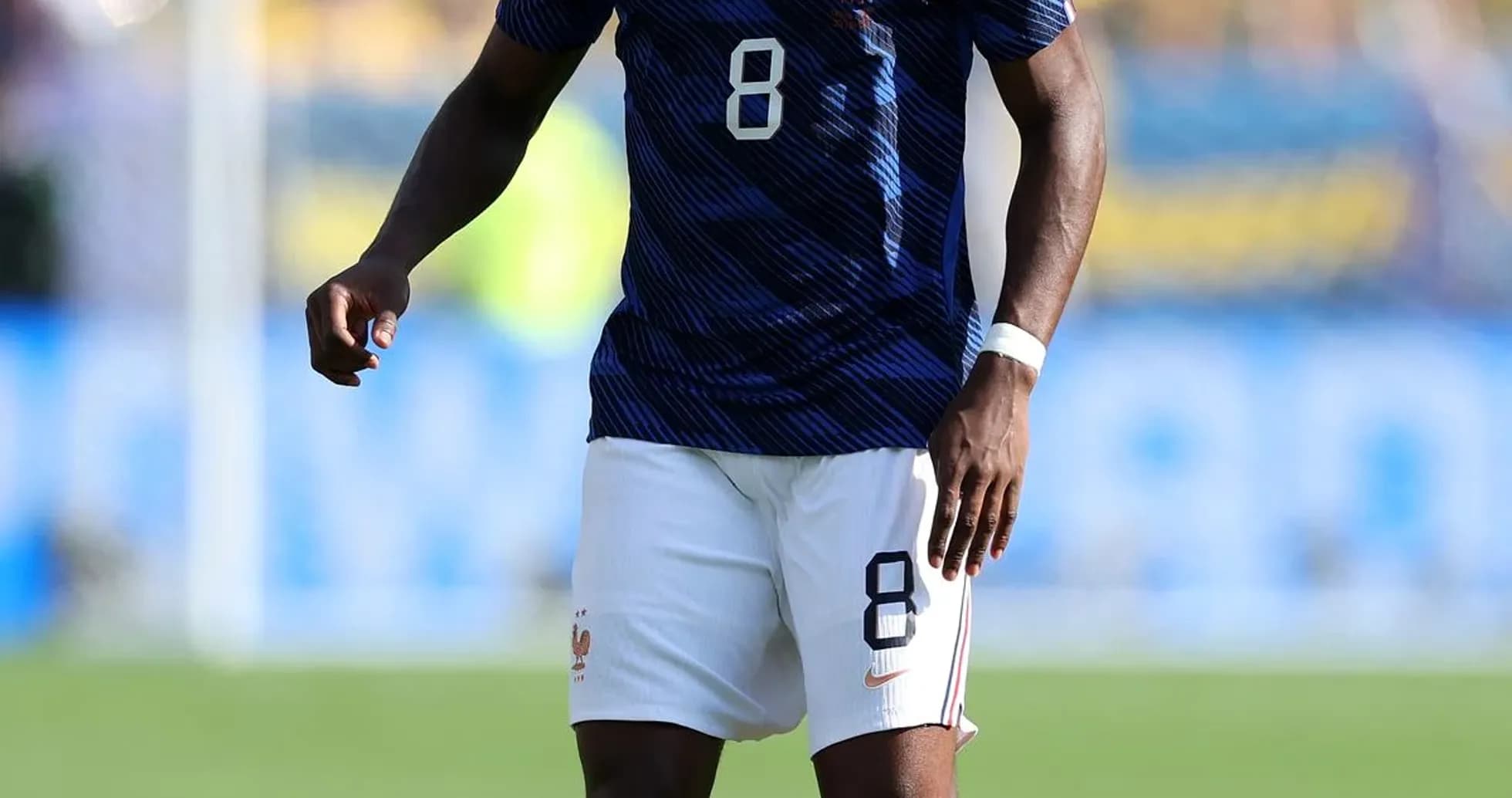
Aurelien Tchouameni’s groin has become the most discussed muscle in France’s World Cup campaign.
The Real Madrid midfielder, vice-captain and Deschamps favourite, limped out of training after the round-of-32 win over Sweden and watched from the sidelines as France edged past Paraguay 1-0 in the last 16. A tight, nervy night in Philadelphia, decided by Kylian Mbappe from the penalty spot, went on without the man who usually anchors Les Bleus’ midfield.
Now comes Morocco in Boston and the question is simple: does Tchouameni return, or does Deschamps ride the momentum of the side that survived Paraguay?
Tchouameni on the brink
France’s medical staff have worked to push Tchouameni back towards fitness, aware of both his influence on the pitch and his looming new contract at the Bernabeu. The plan, or at least the hope, has been clear: get him ready in time for the quarter-final.
On Wednesday, Deschamps cut a cautiously optimistic figure when asked where things stood.
“I don’t have all the information yet,” he said. “Aurelien is better, but I left early this morning. He’s the only one who needs to be seen, but he’s doing better. He might participate in the training session today. All other players are available.”
That “might” carries weight. A full session on the eve of a knockout tie usually means a player is in contention to start. Anything less and Deschamps will have to decide whether to risk a half-fit midfielder in a game that demands intensity and control.
Kone steps into the spotlight
If Tchouameni cannot make it, the path is already marked out. Manu Kone, the Roma midfielder who started and impressed against Paraguay, is ready to go again alongside Adrien Rabiot in the pivot.
Thrown into a tense, combative contest in Philadelphia, Kone did not shrink. He gave France bite in the duels and a simple passing platform that allowed Mbappe and the wide players to stay high and threaten. It was not spectacular football, but it was the sort of functional, hard-edged performance that Deschamps trusts in tournament play.
The coach is not one to tinker when he feels a structure working. If Tchouameni is ruled out or even judged short of full sharpness, Kone and Rabiot look set to retain their partnership at the heart of a team that has become increasingly settled as the tournament has gone on.
A largely fixed spine
Deschamps appears inclined to roll with the same XI that ground out the win over Paraguay. Mike Maignan will continue in goal, a calm presence behind a back line that has quietly become one of the most reliable units in the competition.
Jules Kounde, Dayot Upamecano and William Saliba are now defensive fixtures. They defend aggressively, they relish one-on-one duels, and they give France the platform to push their wide players high. There is no sense of experimentation there anymore; that axis is locked in.
Ahead of them, Ousmane Dembele and Michael Olise are nailed-on starters either side of Mbappe. Dembele stretches the pitch, Olise drifts inside and knits play together, and Mbappe remains the spearhead and the star, his penalty against Paraguay another reminder that he decides games even on nights when France struggle for fluency.
Battles on the left – and a disciplinary tightrope
If there has been any real debate in this France side, it has come down the left flank.
At left-back and left wing, Deschamps has shuffled his options, but Lucas Digne and Bradley Barcola now appear to have edged ahead of Theo Hernandez and Desire Doue. Digne’s experience and positioning have appealed to a coach who values defensive security in knockout football, while Barcola’s direct running and willingness to track back have helped him nail down the starting role.
There is, however, a cloud hanging over that left side – and over Olise as well.
France have failed in their attempt to have Olise’s yellow card against Paraguay rescinded. The booking stands, which means the winger will miss the semi-finals if he is cautioned again and Les Bleus go through. The same disciplinary threat hangs over Kone and Barcola.
With cautions not wiped until after the quarter-finals at this expanded tournament, Deschamps must balance aggression with restraint. One mistimed tackle or a frustrated reaction could reshape his options for the business end of the competition.
For now, though, the equation is clear. France arrive in Boston as favourites, with a largely settled team, a star in form, and a midfield lynchpin racing the clock.
Does Deschamps trust the rhythm that carried them past Paraguay, or roll the dice on Tchouameni’s return when the stakes are about to spike?
Related News
Anthony Joshua Names Murat Gassiev as Next Opponent if He Defeats Tyson Fury
UFC 332: Start Time and Fight Highlights for Natalia Silva vs. Wang Cong
Court McGee Opens Up About Choosing UFC 332 as His Final MMA Fight
WBC Orders Lightweight Title Unification: William Zepeda vs Jadier Herrera
BCCI Pension List: Monthly Payments to Retired Indian Cricketers in 2025
Why Fury vs Joshua Is Set for Cardiff, and Dua Lipa’s Unexpected Role